How a Cancer Drug Breaks Through a Rare and Ruthless Viral Disease
Venetoclax, a BCL-2 inhibitor, shows promise in treating systemic chronic active Epstein-Barr virus disease through dual anti-tumor and anti-inflammatory effects.
The Silent Enemy Within: Understanding sCAEBV
In the hidden battlefields of our bodies, most of us unknowingly carry a lifelong passenger: the Epstein-Barr virus (EBV). For over 90% of the world's population, this virus remains dormant and harmless. However, for a tiny fraction, primarily in Japan and China, this quiet tenant turns into a ruthless invader, leading to a devastating illness called systemic chronic active Epstein-Barr virus disease (sCAEBV)1 .
Key Facts About sCAEBV
- Chemotherapy-resistant disorder
- Virus takes over T or NK immune cells
- Causes persistent inflammation and multi-organ failure
- High risk of lymphomas and hemophagocytic lymphohistiocytosis
Epidemiology
- ~20 new cases per year in Japan
- Exceptionally rare but dangerous
- Primarily affects populations in Japan and China
sCAEBV is not a typical infection. It is a chemotherapy-resistant disorder where the virus takes over a person's T or NK immune cells, triggering persistent inflammation, multi-organ failure, and a high risk of developing lethal lymphomas or a life-threatening immune overreaction called hemophagocytic lymphohistiocytosis1 . With only about 20 new cases per year in Japan, it is exceptionally rare but exceptionally dangerous1 .
For years, the only cure has been a high-risk procedure: hematopoietic stem cell transplantation1 . However, the disease's intense inflammation makes the transplant process itself perilous. Patients desperately needed a way to calm the storm before undergoing the transplant. Now, a surprising candidate—a cancer drug called venetoclax—is emerging as a potential game changer, offering not just one, but two crucial weapons against this complex disease1 .
The Double-Edged Sword: BCL-2 in Cancer and Cell Survival
To understand why venetoclax works, we must first understand its target: a protein called BCL-2.
The Guardian of Cell Survival
BCL-2 is a critical "guardian" protein that keeps cells alive by putting the brakes on the natural process of cell suicide, known as apoptosis2 . While this is a normal and necessary function, cancer cells often exploit it. They overexpress BCL-2, making themselves virtually immortal and resistant to chemotherapy2 9 .
This dependence on BCL-2 is a well-known Achilles' heel in many blood cancers, such as chronic lymphocytic leukemia (CLL). Scientists reasoned that if they could disable this one protein, they could trigger the self-destruct sequence in the cancer cells9 .
Enter Venetoclax: The Master Key
Venetoclax is a revolutionary, orally administered drug that was specifically designed as a precision strike against BCL-29 . It is a type of drug known as a "BH3 mimetic." It works by slipping into the precise spot on the BCL-2 protein where pro-apoptotic signals would normally bind.
By blocking this site, venetoclax frees the cell's natural death machinery, allowing proteins like BAX and BAK to punch holes in the mitochondria. This leads to the release of cytochrome c and the activation of "executioner" enzymes called caspases, ultimately leading to the orderly death of the cell2 .
Key Mechanism
Venetoclax's high selectivity for BCL-2 means it is more effective and has fewer side effects, like low platelet counts, compared to earlier, less selective drugs9 .
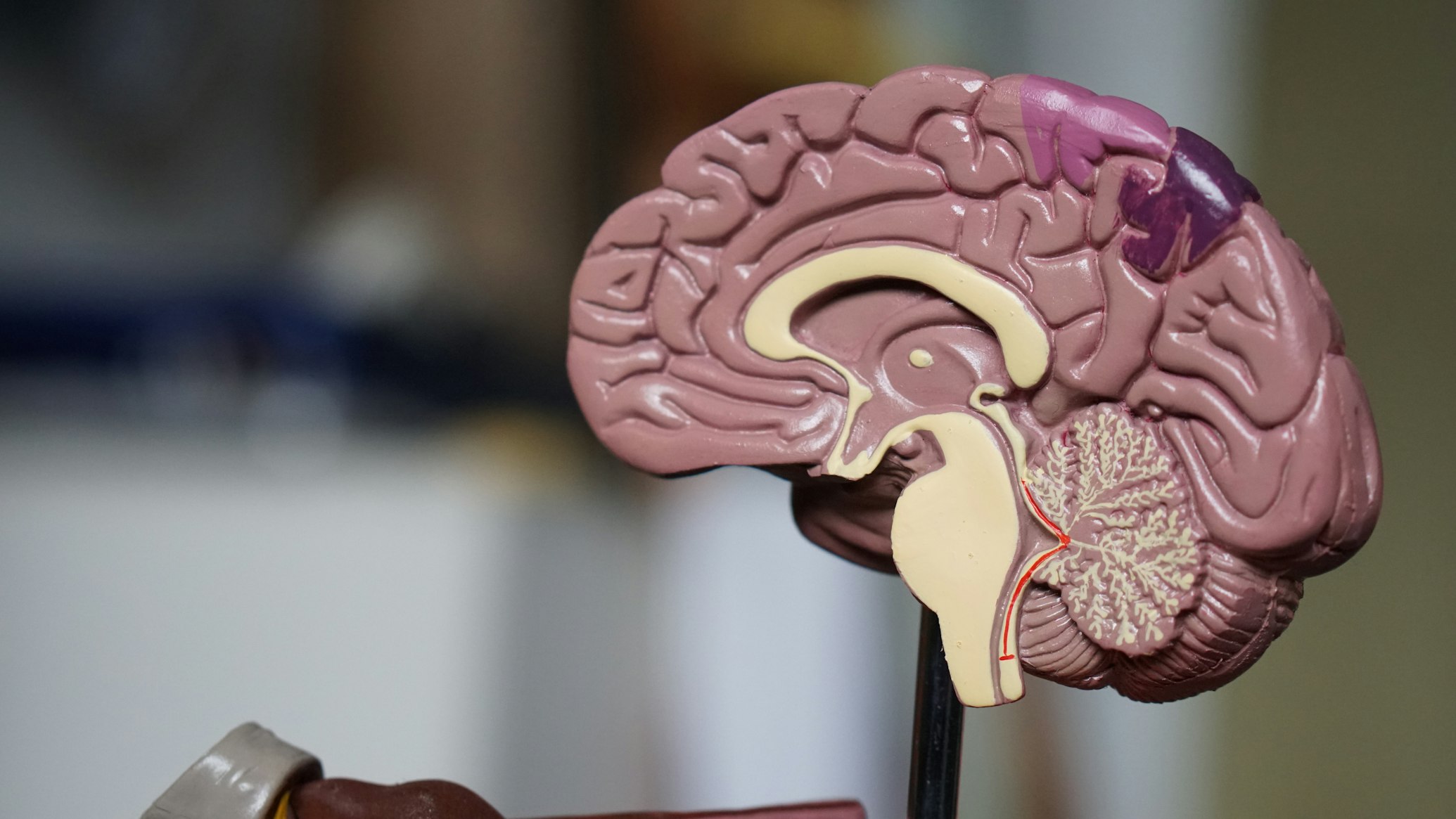
Visualization of molecular binding mechanisms similar to venetoclax's action on BCL-2
A Ray of Hope: Venetoclax Takes On sCAEBV
The groundbreaking discovery was that this cancer-fighting mechanism could also be effective against sCAEBV. Recent research has revealed that the EBV-infected T and NK cells driving the disease are also protected by high levels of BCL-2 protein1 . This makes them similarly vulnerable to a targeted attack.
A pivotal 2025 study published in Scientific Reports set out to test this theory, conducting a comprehensive investigation from lab dishes to animal models1 . The following section details this key experiment.
In-Depth Look: A Key Experiment from Bench to Bedside
Methodology: A Stepwise Assault on the Disease
Confirming the Target
They first used Western blotting to verify that BCL-2 was indeed present in EBV-positive T-cell and NK-cell lines, as well as in immune cells taken directly from sCAEBV patients1 .
Testing Potency In Vitro
The researchers treated these EBV-infected cell lines and patient-derived cells with varying doses of venetoclax, measuring cell viability and looking for signs of apoptosis1 .
Measuring the "Calm"
They investigated the drug's anti-inflammatory effect by measuring the mRNA levels of a key inflammatory chemical, IFN-γ, in patient cells after treatment1 .
Validating with Living Models
Finally, they created a mouse model of the disease by transplanting immune cells from sCAEBV patients into specially bred mice. One group of mice was then treated with venetoclax, while a control group was not, allowing researchers to observe the drug's impact on tumor formation and inflammation in a living system1 .
Results and Analysis: A Potent One-Two Punch
The results were compelling, demonstrating a dual effect against sCAEBV1 :
Anti-Tumor Effect
Venetoclax dramatically reduced the viability of EBV-infected cells in a dose-dependent manner. It successfully induced apoptosis, confirmed by a measurable increase in classic cell death markers like cleaved PARP and cleaved caspase-31 .
Anti-Inflammatory Effect
The treatment also significantly reduced the mRNA expression of the inflammatory cytokine IFN-γ in patient-derived cells. This suggests venetoclax doesn't just kill the problematic cells; it also helps quiet the harmful inflammatory storm they create1 .
The most striking evidence came from the mouse models. In the untreated control group, one out of three mice showed successful engraftment of EBV-positive cells and tumor formation. In stark contrast, none of the venetoclax-treated mice showed any engraftment of these dangerous cells1 .
| Cell Type | Effect on Cell Viability | Evidence of Apoptosis | Impact on Inflammation |
|---|---|---|---|
| EBV+ T-cell & NK-cell lines | Dose-dependent reduction | Increased cleaved PARP & caspase-3 | Not Measured |
| sCAEBV Patient PBMCs | Significant reduction in all 5 patients tested | Increased apoptosis markers | Downregulated in 4 out of 5 patients |
| Mouse Group | Engraftment of EBV+ Cells | Tumor Formation | IFN-γ Trend |
|---|---|---|---|
| Untreated Control | 1 out of 3 mice | Yes in 1 mouse | Baseline level |
| Venetoclax-Treated | 0 out of 3 mice | No | Reduced (non-significant trend) |
Interactive chart showing venetoclax dose-response relationship and IFN-γ reduction would appear here
The Scientist's Toolkit: Essential Tools for the Fight
The research into venetoclax for sCAEBV relies on a sophisticated set of laboratory tools and reagents. The table below details some of the key items used in this field of study.
| Tool/Reagent | Function in Research | Example from Search Results |
|---|---|---|
| Selective BCL-2 Inhibitor | The core investigational drug used to specifically inhibit the BCL-2 protein and induce apoptosis. | Venetoclax (ABT-199/GDC-0199)3 . |
| Proteasome Inhibitor | Used in combination studies to simultaneously block a different survival pathway exploited by EBV. | Bortezomib, combined with venetoclax to target EBV proteins LMP-1 and EBNA-3C4 . |
| Xenograft Mouse Model | A living animal model that allows researchers to test drug efficacy and safety in a complex biological system. | NOD/Shi-scid/IL-2Rγnull (NSG) mice, used to implant patient-derived PBMCs and test venetoclax1 . |
| Apoptosis Assays | Laboratory techniques to confirm and measure programmed cell death. | Western blotting for cleaved PARP and cleaved caspase-3; cell cycle analysis for SubG1 fraction1 . |
| Cell Viability Assays | Tests to determine the proportion of living cells after drug treatment. | MTT assays and CellTiter-Glo® Luminescent Cell Viability Assay1 5 . |
Laboratory Techniques
Advanced assays and models enable precise measurement of drug effects.
Molecular Tools
Specific inhibitors target key pathways in EBV-infected cells.
Animal Models
Xenograft models provide critical in vivo validation of treatment efficacy.
A Promising Future and a Word of Caution
The implications of this research are profound. By demonstrating that venetoclax can simultaneously target both the malignancy and the inflammation at the core of sCAEBV, it opens a new therapeutic avenue1 . This could be used as a "bridge therapy" to suppress the disease and improve a patient's condition ahead of a stem cell transplant, potentially leading to much better outcomes.
Broader Applications
The potential of venetoclax is being explored in other EBV-associated conditions as well. A very recent 2024 study showed that combining venetoclax with another drug, bortezomib, creates a powerful synergy that effectively kills cells from patients with post-transplant lymphoproliferative disorder (PTLD), another EBV-driven cancer4 6 .
Important Safety Consideration
However, a note of caution is essential. As a powerful cell-death inducer, venetoclax's effects are not limited to diseased cells. A 2023 study highlighted that it can impair the growth plate cartilage in young mice, suggesting that longitudinal bone growth should be carefully monitored if the drug is ever used in growing children5 . This underscores the critical need for careful patient selection and vigilant monitoring as research progresses.
Conclusion
The story of venetoclax and sCAEBV is a powerful example of modern medicine's evolving strategy: taking a precise weapon designed for one enemy and skillfully redirecting it against another. From its origins in fighting leukemia, this BCL-2 inhibitor has shown a remarkable dual ability to kill malignant EBV-infected cells and quell the destructive inflammation they cause. While more research lies ahead, this work ignites a tangible hope for patients battling this relentless disease, proving that even against a formidable foe, a well-aimed scientific strike can make all the difference.
References
References would be listed here in proper citation format.