In Vivo Immune Training with PAMPs: A Complete Protocol for Enhanced Innate Immunity and Therapeutic Applications
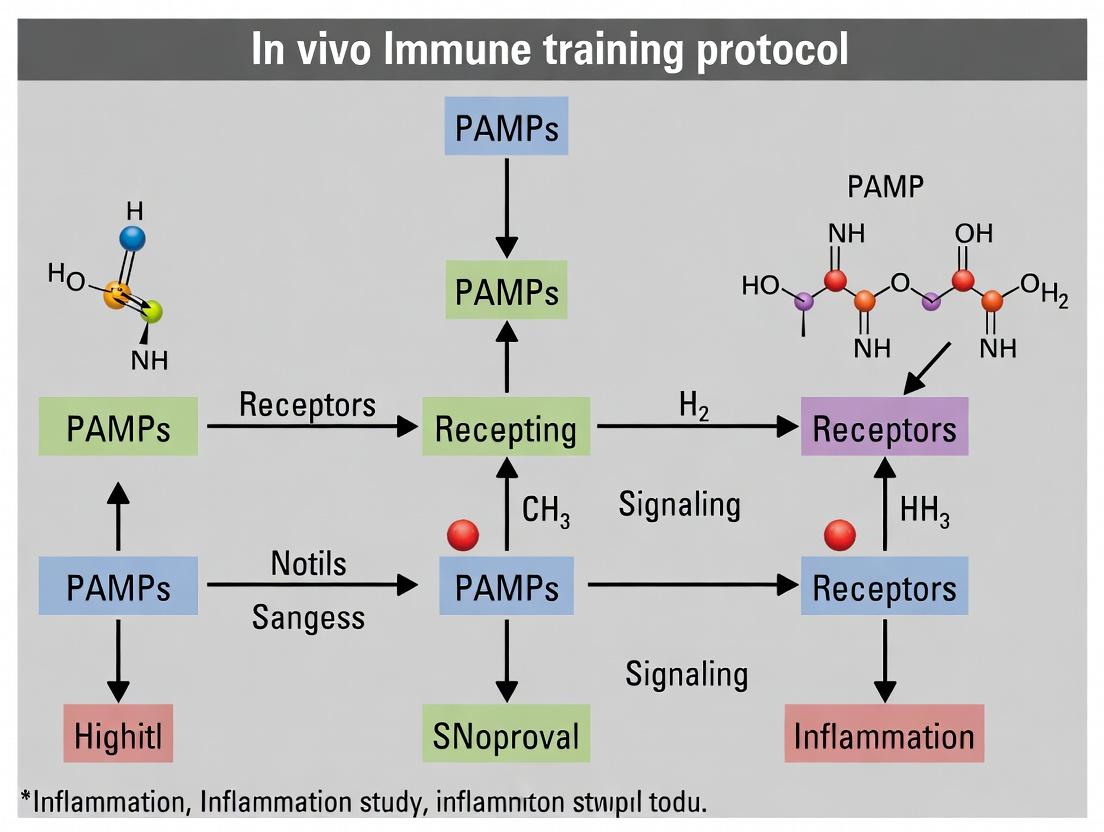
This comprehensive guide provides researchers and drug development professionals with a detailed protocol for in vivo immune training using Pathogen-Associated Molecular Patterns (PAMPs).
In Vivo Immune Training with PAMPs: A Complete Protocol for Enhanced Innate Immunity and Therapeutic Applications
Abstract
This comprehensive guide provides researchers and drug development professionals with a detailed protocol for in vivo immune training using Pathogen-Associated Molecular Patterns (PAMPs). We explore the foundational science of trained immunity, outline precise methodological approaches for PAMP administration across model systems, address critical troubleshooting and optimization strategies, and provide validation frameworks for assessing efficacy. The article synthesizes current research to enable the application of immune training protocols in preclinical studies for infectious disease, oncology, and immunomodulatory therapies.
Understanding Trained Immunity: The Science of PAMP-Induced Innate Immune Memory
Trained immunity, also known as innate immune memory, describes the functional reprogramming of innate immune cells following an initial stimulus, leading to an enhanced, non-specific response to subsequent challenges. This phenomenon represents a paradigm shift from the classical dichotomy of innate and adaptive immunity, proposing that innate immune cells like monocytes, macrophages, and natural killer cells can develop a form of immunological memory. It is characterized by epigenetic, transcriptional, and metabolic reprogramming, enabling a more robust inflammatory response upon re-stimulation. This application note frames trained immunity within ongoing in vivo research on immune training protocols using Pathogen-Associated Molecular Patterns (PAMPs).
Application Notes on Trained Immunity Mechanisms
Core Pillars of Trained Immunity
Current research identifies three interdependent pillars supporting the trained immunity phenotype:
- Metabolic Reprogramming: A shift from oxidative phosphorylation to aerobic glycolysis (the Warburg effect) is a hallmark. This is crucial for generating metabolic intermediates that fuel epigenetic changes.
- Epigenetic Remodeling: Histone modifications (e.g., H3K4me3, H3K27ac at promoter/enhancer regions of immune genes) open chromatin, making key genes more accessible for rapid transcription upon rechallenge.
- Transcriptional Rewiring: Persistent upregulation of a subset of genes encoding cytokines (e.g., TNF-α, IL-6) and pathogen recognition receptors.
Key PAMPs and Their Receptors in Training Protocols
Commonly studied PAMPs for inducing trained immunity in vivo include:
- β-glucan (from Candida albicans or Saccharomyces cerevisiae): Primarily engages the Dectin-1 receptor on myeloid cells.
- Bacillus Calmette-Guérin (BCG) vaccine: A live-attenuated bacterium containing multiple PAMPs (e.g., muramyl dipeptide) engaging NOD2 and TLRs.
- LPS (Lipopolysaccharide): Engages TLR4. Note: Low doses can induce training, while high doses may induce tolerance.
Table 1: Comparative Analysis of In Vivo Trained Immunity Inducers
| Training Agent | Primary Receptor | Key Metabolic Shift | Key Epigenetic Marker | Duration of Enhanced Protection (Mouse Models) | Model Challenge |
|---|---|---|---|---|---|
| β-glucan | Dectin-1 | Increased aerobic glycolysis | H3K4me3 at Tnfa, Il6 promoters | 1-3 months | C. albicans, S. aureus |
| BCG | TLR2/4, NOD2 | Cholesterol synthesis, glycolysis | H3K27ac at inflammatory gene loci | Several months to years | M. tuberculosis, viruses |
| LPS (low-dose) | TLR4 | Glycolytic flux | H3K4me1 at enhancers | ~1 week | Secondary bacterial infection |
Experimental Protocols for In Vivo Assessment
Protocol: Establishing In Vivo Trained Immunity with β-glucan
Objective: To induce and assess systemic trained immunity in a C57BL/6 mouse model.
Materials:
- Mice (6-8 weeks old)
- Soluble β-glucan (e.g., from S. cerevisiae)
- Sterile PBS
- Syringes (1 mL) and 27G needles
Procedure:
- Preparation: Reconstitute β-glucan in sterile PBS at a concentration of 1 mg/mL. Vortex and sonicate briefly to ensure suspension.
- Priming (Day 0): Inject mice intraperitoneally (i.p.) with 1 mg of β-glucan (100 μL of 1 mg/mL solution) per mouse. Control group receives 100 μL PBS i.p.
- Resting Period: Allow a minimum of 7 days for the development of the trained phenotype.
- Challenge (Day 7+): Challenge mice with a secondary pathogen (e.g., a sublethal dose of C. albicans via tail vein injection).
- Assessment (24-72h post-challenge): Monitor survival, measure cytokine levels (serum TNF-α, IL-6 via ELISA), and assess pathogen load in target organs (e.g., kidney CFU).
Protocol: Ex Vivo Re-stimulation Assay for Validation
Objective: To functionally validate trained immunity in bone marrow-derived monocytes (BMDMs) from treated mice.
Materials:
- Bone marrow cells from primed mice (Day 7 post-β-glucan)
- M-CSF (for macrophage differentiation)
- RPMI-1640 complete media
- Secondary stimulus: e.g., LPS (100 ng/mL) or heat-killed C. albicans
- ELISA kits for TNF-α/IL-6
Procedure:
- BMDM Differentiation: Flush bone marrow from femurs/tibias of primed and control mice. Culture cells with M-CSF (20 ng/mL) for 7 days to generate BMDMs.
- Re-stimulation: Seed BMDMs in 96-well plates. Stimulate with a low dose of LPS (100 ng/mL) or heat-killed C. albicans for 24 hours.
- Cytokine Measurement: Collect cell culture supernatants. Quantify TNF-α and IL-6 production using ELISA, comparing levels from β-glucan-primed vs. PBS-primed BMDMs.
- Data Interpretation: A statistically significant increase in cytokine production from primed cells indicates a trained immune phenotype.
Visualizing Signaling Pathways and Workflows
Diagram 1: Core Pathway of Trained Immunity Induction
Diagram 2: In Vivo Training & Validation Workflow
The Scientist's Toolkit: Research Reagent Solutions
Table 2: Essential Reagents for Trained Immunity Research
| Reagent/Solution | Function/Application in Protocol | Key Consideration |
|---|---|---|
| Soluble β-glucan (e.g., from S. cerevisiae) | In vivo priming agent to induce trained immunity via Dectin-1. | Source and purity affect reproducibility; must be endotoxin-free. |
| Ultrapure LPS | Used for low-dose in vivo priming or as a secondary ex vivo re-stimulus. | Use TLR-grade, ultrapure to avoid confounding signals from other TLR ligands. |
| Recombinant M-CSF | Differentiates bone marrow progenitors into macrophages for ex vivo assays. | Critical for generating consistent, non-activated BMDM populations. |
| HDAC Inhibitors (e.g., Trichostatin A) | Tool compounds to probe the role of histone acetylation in the training phenotype. | Used in mechanistic in vitro studies to block epigenetic remodeling. |
| 2-Deoxy-D-glucose (2-DG) | Glycolysis inhibitor used to dissect the metabolic pillar of trained immunity. | Validates the requirement for metabolic shift in functional assays. |
| ELISA Kits (Mouse TNF-α, IL-6, IL-1β) | Quantification of cytokine production, the functional readout of training. | Use high-sensitivity kits for detecting low levels in serum or supernatants. |
| ChIP-Validated Antibodies (H3K4me3, H3K27ac) | Essential for chromatin immunoprecipitation (ChIP) assays to map epigenetic changes. | Specificity is paramount; validate for use in ChIP-seq/qPCR. |
| Seahorse XFp Analyzer Kits | For real-time measurement of glycolysis (ECAR) and mitochondrial respiration (OCR). | Gold-standard for quantifying metabolic reprogramming in live cells. |
Application Notes: Core PAMPs in Innate Immune Training
In the context of developing in vivo immune training protocols, specific Pathogen-Associated Molecular Patterns (PAMPs) are foundational for inducing trained immunity, a functional state of long-term metabolic and epigenetic reprogramming in innate immune cells. The selection of the priming agent dictates the signaling pathway engaged, the nature of the trained phenotype, and the potential therapeutic application.
The table below summarizes the key characteristics, receptors, and primary cell targets for the core PAMPs discussed.
Table 1: Key PAMPs for Inducing Trained Immunity
| PAMP | Receptor(s) | Primary Cell Target(s) | Key Trained Immunity Features | Common In Vivo Dose Range (Murine) |
|---|---|---|---|---|
| LPS (TLR4 agonist) | TLR4/MD2/CD14 | Monocytes, Macrophages, NK cells | Enhances pro-inflammatory cytokine (TNF-α, IL-6) response to secondary heterologous challenge; Metabolic shift to glycolysis. | 10-100 µg/kg (i.p./i.v.). Low-dose, non-endotoxic variants (e.g., MPLA) are preferred for training. |
| Pam3CSK4 (TLR1/2 agonist) | TLR1/TLR2 heterodimer | Monocytes, Macrophages, Dendritic Cells | Potent inducer of NF-κB; Promotes strong pro-inflammatory memory and antimicrobial protection. | 1-10 mg/kg (i.p.). |
| β-Glucans (e.g., from Candida) | Dectin-1 | Monocytes/Macrophages, Granulocytes | Induces epigenetic rewiring via H3K4me3/H3K27ac; Confers protection against fungal and secondary bacterial infections. | 0.5-2 mg per mouse (i.v. or i.p., often in particulate form). |
| Muramyl Dipeptide (MDP) | NOD2 | Monocytes, Macrophages, Epithelial Cells | Synergizes with TLR signals; Enhances autophagy and glycolytic metabolism; Critical for adjuvant effects. | 50-200 µg per mouse (i.p., often encapsulated). |
Detailed Experimental Protocols
Protocol 1: In Vivo Priming for Systemic Trained Immunity (Murine Model) Objective: To establish a baseline trained immune phenotype in bone marrow-derived monocytes/macrophages following a single systemic PAMP challenge.
- Animal Preparation: Use 8-12 week-old C57BL/6 mice (or relevant knockout controls). House under specific pathogen-free conditions.
- PAMP Reconstitution & Administration:
- LPS (E. coli O111:B4): Reconstitute in sterile, endotoxin-free PBS. Administer a single intraperitoneal (i.p.) injection at 50 µg/kg.
- Pam3CSK4: Reconstitute in sterile endotoxin-free water, then dilute in PBS. Administer a single i.p. injection at 5 mg/kg.
- β-Glucan (Soluble): Dissolve soluble β-1,3/(1,6)-glucan (e.g., from Saccharomyces cerevisiae) in PBS. Administer a single i.v. injection at 1 mg/mouse.
- MDP: Reconstitute in PBS. For systemic training, encapsulate in liposomes (see Reagent Toolkit) or use in combination with alum. Administer 100 µg/mouse i.p.
- Resting Period: Allow a minimum interval of 7 days post-injection for the resolution of acute inflammation and establishment of the trained state.
- Secondary Challenge & Analysis (Day 7+): Challenge mice i.p. with a low dose of a heterologous stimulus (e.g., 10 µg/kg LPS or live Candida albicans, 1x10^5 CFU). After 4-24 hours, collect peritoneal lavage fluid and serum.
- Readouts: Quantify TNF-α, IL-6, and IL-1β in serum by ELISA. Analyze macrophage activation markers (e.g., CD86, MHC-II) and fungal killing capacity via flow cytometry and ex vivo killing assays.
Protocol 2: Ex Vivo Assessment of Trained Immunity in Bone Marrow-Derived Macrophages (BMDMs) Objective: To functionally validate the trained phenotype in cells derived from PAMP-primed animals.
- Bone Marrow Harvest: At day 7 post in vivo priming, euthanize mice and harvest bone marrow from femurs and tibias.
- BMDM Differentiation: Culture bone marrow cells in complete DMEM supplemented with 20% L929-conditioned media (source of M-CSF) for 7 days to differentiate into macrophages.
- Restimulation: Seed differentiated BMDMs in plates. Stimulate with a secondary challenge: low-dose LPS (10 ng/mL) or heat-killed Candida albicans (MOI 1:1) for 24 hours.
- Functional & Molecular Analysis:
- Cytokine Production: Measure TNF-α, IL-6 in supernatant via ELISA.
- Metabolic Profiling: Assess extracellular acidification rate (ECAR) via Seahorse XF Analyzer to quantify glycolytic flux.
- Epigenetic Analysis: Perform ChIP-qPCR for H3K4me3 and H3K27ac at promoters of trained immunity genes (e.g., Tnf, Il6, S100a8).
Visualizations
The Scientist's Toolkit: Research Reagent Solutions
| Reagent/Material | Function in Trained Immunity Research | Key Considerations |
|---|---|---|
| Ultrapure LPS (e.g., E. coli O111:B4) | Gold-standard TLR4 agonist for priming. Used at low, non-endotoxic doses to induce training rather than tolerance. | Ensure low protein contamination. Use specific serotypes for reproducibility. |
| Synthetic Pam3CSK4 | Defined TLR1/2 agonist; provides consistent, strong NF-κB-driven training stimulus. | More stable than natural ligands. Reconstitute in endotoxin-free water. |
| Soluble or Particulate β-1,3/(1,6)-Glucan | Dectin-1 agonist. Particulate form (e.g., zymosan) often more potent for inducing functional training. | Source matters (Candida vs. Saccharomyces). Purity affects specificity. |
| Muramyl Dipeptide (MDP) | NOD2 ligand. Often used in combination with other PAMPs or delivery systems to enhance training. | Highly soluble. For in vivo use, encapsulation (liposomes) improves bioavailability and efficacy. |
| L929-Conditioned Media | Source of M-CSF for reliable differentiation of mouse bone marrow progenitors into macrophages (BMDMs). | Batch variability should be tested; commercial recombinant M-CSF is an alternative. |
| Liposomes for MDP Encapsulation | Delivery system to target MDP to phagocytic cells, enhancing cytosolic NOD2 engagement and training effects. | Prepared from cholesterol and phosphatidylcholine. Size (100-200 nm) is critical for uptake. |
| Seahorse XF Glycolysis Stress Test Kit | To quantitatively measure the enhanced glycolytic flux (ECAR) that is a hallmark of the trained macrophage metabolic state. | Requires optimized cell number and serum-free conditions during assay. |
| ChIP-Validated H3K4me3 & H3K27ac Antibodies | For mapping the epigenetic landscape at training-associated gene promoters (e.g., Tnf, Il6) via ChIP-qPCR. | Specificity and lot consistency are paramount for reproducible results. |
This document provides Application Notes and Protocols for studying cellular mechanisms critical to an in vivo immune training protocol with Pathogen-Associated Molecular Patterns (PAMPs). Training, a functional adaptation of the innate immune system, involves long-term epigenetic, metabolic, and hematopoietic rewiring. This research is foundational for developing novel immunotherapies and vaccine adjuvants.
Research Reagent Solutions Toolkit
| Reagent / Material | Function in Context of PAMP Training |
|---|---|
| β-glucan (from Candida albicans) | A fungal PAMP/DAMP; used as a prototypical training agent to induce epigenetic and metabolic reprogramming in HSCs and myeloid progenitors. |
| LPS (Lipopolysaccharide) | A bacterial PAMP (TLR4 agonist); used as a control ("tolerizing") agent or as a secondary challenge to assess trained immunity. |
| 5-Aza-2'-deoxycytidine (Decitabine) | DNA methyltransferase inhibitor; used to interrogate the role of DNA methylation in training persistence. |
| 2-Deoxy-D-glucose (2-DG) | Glycolysis inhibitor; used to dissect the role of metabolic shift to aerobic glycolysis in establishing the trained phenotype. |
| Recombinant G-CSF | Granulocyte colony-stimulating factor; used to mobilize HSCs from bone marrow to spleen for analysis. |
| BrUTP / EU (Ethynyl Uridine) | Nucleotide analogs for nascent RNA labeling; used to measure transcriptional activity in sorted HSCs post-training. |
| α-KG (Alpha-ketoglutarate) Supplement | Metabolite essential for TET enzyme function and histone demethylation; used to modulate epigenetic landscape. |
| MitoTracker Deep Red | Fluorescent dye for mitochondrial mass/function assessment by flow cytometry in hematopoietic stem/progenitor cells (HSPCs). |
Key Quantitative Data Summaries
Table 1: Hallmark Changes in Bone Marrow HSPCs 7 Days PostIn Vivoβ-glucan Training
| Parameter | Naive Mice | β-glucan Trained Mice | Measurement Method |
|---|---|---|---|
| HSC (LSK CD150+ CD48-) Frequency | 0.008 ± 0.002% | 0.012 ± 0.003%* | Flow cytometry (Bone Marrow) |
| Myeloid Bias (CMP/MEP:MLP Ratio) | 1.5 ± 0.3 | 3.2 ± 0.6* | Flow cytometry (Progenitor sorting) |
| H3K4me3 at Il6 promoter | 1.0 ± 0.2 (Rel. Enrichment) | 3.5 ± 0.8* | ChIP-qPCR (Sorted HSCs) |
| Basal Glycolytic Rate (ECAR) | 100 ± 15 mpH/min | 185 ± 25* | Seahorse Analyzer (Lin- cells) |
| Circulating IL-1β (pg/ml) | 5 ± 2 | 15 ± 4* | Luminex Assay (Serum) |
| p < 0.05 vs. Naive |
Table 2: Functional Output Upon Secondary Challenge (Day 14, with LPS)
| Output Metric | Naive + LPS | Trained (β-glucan) + LPS | Fold Change |
|---|---|---|---|
| Spleen Weight (mg) | 120 ± 20 | 180 ± 25* | 1.5x |
| Peritoneal Neutrophils (x10^6) | 2.5 ± 0.5 | 5.8 ± 1.1* | 2.3x |
| Serum TNF-α (pg/ml) | 350 ± 50 | 850 ± 120* | 2.4x |
| Bone Marrow CFU-GM Colonies | 45 ± 8 | 92 ± 15* | 2.0x |
| p < 0.01 vs. Naive+LPS |
Detailed Experimental Protocols
Protocol 1: Induction ofIn VivoTrained Immunity via PAMP
Objective: To establish a trained immunity phenotype in C57BL/6 mice through systemic β-glucan administration. Materials: Sterile β-glucan (from C. albicans), PBS, 0.9% saline, 1ml syringes, 27G needles, adult (8-12 week) C57BL/6 mice. Procedure:
- Prepare a fresh solution of β-glucan at 1 mg/ml in sterile PBS. Vortex thoroughly and sonicate briefly to ensure suspension.
- Restrain mouse and administer a single intraperitoneal (i.p.) injection of 1 mg β-glucan per mouse (1ml volume). Control mice receive an equal volume of PBS i.p.
- Monitor mice for acute response (4-24h) for signs of mild sickness behavior (transient).
- Proceed with analysis of early epigenetic/metabolic changes at 24-72h, or assess the trained phenotype and HSPC modulation at day 7-14 post-injection. Note: For a "tolerizing" control, administer a low dose of LPS (0.1 mg/kg i.p.) using the same schedule.
Protocol 2: Isolation and Multi-Omic Analysis of Bone Marrow HSCs
Objective: To sort HSCs and profile epigenetic and transcriptional changes. Materials: Collagenase IV, DNase I, FACS buffer (PBS + 2% FBS), antibody cocktail (Lineage-FITC, Sca-1-PE/Cy7, c-Kit-APC, CD150-BV421, CD48-BV510), MojoSort magnet, RIPA buffer, TRIzol LS, ChIP kit. Procedure:
- Bone Marrow Harvest: Euthanize mouse at desired time point. Flush femurs and tibiae with cold PBS. Create single-cell suspension by gentle pipetting and filtration through a 70µm strainer.
- Lineage Depletion: Incubate cells with biotinylated lineage antibody cocktail (against CD3, B220, Gr-1, etc.) for 15 min on ice. Add magnetic streptavidin nanobeads, incubate, and pass through a magnetic column to collect lineage-negative (Lin-) cells.
- HSC Sorting: Stain Lin- cells with Sca-1, c-Kit, CD150, CD48 antibodies for 30 min on ice. Wash and resuspend in FACS buffer with DAPI. Sort the live (DAPI-) Lin- Sca-1+ c-Kit+ CD150+ CD48- population as HSCs using a 100µm nozzle sorter into collection tubes.
- Downstream Analysis:
- RNA-seq: Lysate 10,000 sorted HSCs in TRIzol LS. Isolate RNA, check RIN >8.5, and prepare libraries using a Smart-seq2 protocol.
- ChIP-qPCR: Crosslink 50,000 sorted HSCs with 1% formaldehyde for 10 min. Quench, lyse, and sonicate chromatin. Perform immunoprecipitation overnight with anti-H3K4me3 or anti-H3K27ac antibody. Reverse crosslinks, purify DNA, and analyze by qPCR at target gene promoters (e.g., Il6, Tnf).
- Metabolomics: Quench 20,000 sorted HSCs in -80°C methanol. Analyze central carbon metabolites (e.g., lactate, succinate, α-KG) via LC-MS.
Protocol 3:Ex VivoFunctional Assessment of Trained Myelopoiesis
Objective: To quantify the enhanced myeloid output potential of bone marrow progenitors. Materials: MethoCult GF M3534 medium, 35mm culture dishes, recombinant M-CSF and GM-CSF. Procedure:
- Isolate total bone marrow cells from trained or control mice (day 7 post-injection) as in Protocol 2, step 1.
- Count viable nucleated cells. Plate 25,000 cells per dish in duplicate in 1.1 ml of MethoCult M3534 medium, which contains cytokines supporting myeloid colony formation.
- Gently vortex, then allow bubbles to settle. Dispense 1.1 ml into two 35mm dishes using a blunt-end needle and syringe.
- Place dishes in a 100mm petri dish with a third, open dish containing sterile water to maintain humidity. Incubate at 37°C, 5% CO2 for 7 days.
- Score colonies (Colony-Forming Unit Granulocyte-Macrophage, CFU-GM) under an inverted microscope. A trained phenotype yields a significant increase in CFU-GM number and size compared to controls.
Pathway and Workflow Visualizations
Diagram Title: Core PAMP Training Pathway In Vivo
Diagram Title: Experimental Workflow for HSC Analysis
Application Notes
Immune "training" or "priming" refers to the functional reprogramming of innate immune cells, leading to enhanced responsiveness to secondary stimuli. This phenomenon, central to the broader thesis on in vivo immune training protocols with Pathogen-Associated Molecular Patterns (PAMPs), manifests differently in in vivo versus in vitro contexts, leading to distinct systemic versus localized effects.
In vivo PAMP administration (e.g., via intraperitoneal or intravenous injection) engages the complex tissue microenvironment, systemic cytokine circuits, and distal organ crosstalk. This results in systemic trained immunity, characterized by the generation of a pool of epigenetically reprogrammed myeloid progenitors in the bone marrow and long-lasting, broad-spectrum protection. Trained monocytes/macrophages can then be deployed to various tissue sites.
Conversely, in vitro training involves exposing isolated immune cells (e.g., human peripheral blood mononuclear cells - PBMCs) to PAMPs in culture. This induces a localized trained phenotype confined to the specific cell population, driven primarily by intracellular metabolic and epigenetic rewiring without the influence of integrated physiological systems.
Key Comparative Data:
Table 1: Comparative Analysis of In Vivo vs. In Vitro Immune Training
| Parameter | In Vivo Training (Systemic) | In Vitro Training (Localized) |
|---|---|---|
| Primary Site of Training | Bone marrow (hematopoietic stem/progenitor cells) | Mature circulating leukocytes (e.g., monocytes) |
| Key Effector Cells | Monocytes, macrophages, neutrophils (from trained progenitors) | Directly trained monocytes/macrophages |
| Duration of Effects | Long-term (months) | Short to medium-term (days to a week) |
| Scope of Response | Systemic, multi-organ protection | Confined to the trained cell population |
| Key Mediators | Systemic cytokines (e.g., IL-1β, IFN-γ), trained progenitor cells | Cell-autonomous metabolic shifts (e.g., aerobic glycolysis), histone modifications |
| Primary Experimental Readouts | In vivo challenge resistance, cytokine profiling of serum, epigenetic analysis of bone marrow progenitors | Cytokine release (TNF-α, IL-6) upon re-stimulation, metabolic assays (ECAR/OCR), H3K27ac/H3K4me3 marks |
Table 2: Quantitative Outcomes of β-Glucan-Induced Training (Representative Data)
| Training Model | Secondary Stimulus | Cytokine Output (vs. Naive) | Epigenetic Marker Increase | Reference Model |
|---|---|---|---|---|
| In Vivo (Mouse i.p.) | LPS challenge | Serum IL-6: +300-400% | H3K4me3 at promoters in BM macrophages | Netea et al., 2016 |
| In Vitro (Human PBMCs) | LPS re-stimulation | TNF-α: +200-300% | H3K27ac at enhancers in monocytes | Saeed et al., 2014 |
| Ex Vivo (from in vivo) | Pam3CSK4 | IL-1β: +150-200% | N/A | Cheng et al., 2014 |
Experimental Protocols
Protocol 1:In VivoSystemic Immune Training with β-Glucan (Murine Model)
Objective: To establish long-lasting, systemically trained immunity. Materials: C57BL/6 mice (6-8 weeks), sterile β-glucan (from Saccharomyces cerevisiae), PBS, LPS (E. coli O111:B4), equipment for intraperitoneal (i.p.) injection, serum collection tubes. Procedure:
- Priming/Training: Reconstitute β-glucan in PBS. Administer 1 mg per mouse via i.p. injection (Day 0). Control group receives PBS vehicle.
- Rest Period: Allow a 7-day interval for the development of trained immunity.
- Secondary Challenge: On Day 7, challenge both trained and control mice with a sublethal dose of LPS (e.g., 1 mg/kg, i.p.).
- Systemic Response Analysis:
- At 90-120 minutes post-LPS challenge, collect blood via retro-orbital or cardiac puncture.
- Allow blood to clot, centrifuge (2000 x g, 10 min, 4°C), and collect serum.
- Quantify systemic cytokines (IL-6, TNF-α) via ELISA.
- Bone Marrow Progenitor Analysis (Optional endpoint): Sacrifice mice, harvest femurs. Flush bone marrow, isolate lineage-negative progenitors. Perform ChIP-qPCR for H3K4me3 at promoters of training-associated genes (e.g., Tnf, Il6).
Protocol 2:In VitroTraining of Human Primary Monocytes
Objective: To induce and assess a trained immunophenotype in isolated cells. Materials: Human PBMCs from healthy donors, Ficoll-Paque, RPMI-1640 with 10% FBS, β-glucan or purified LPS, sterile 24-well plates, cell culture incubator. Procedure:
- PBMC Isolation: Dilute blood 1:1 with PBS. Layer over Ficoll-Paque. Centrifuge at 400 x g for 30 min (brake off). Collect PBMC layer, wash twice with PBS.
- Training Phase: Seed PBMCs at 1x10^6 cells/mL in complete medium. Add training stimulus: β-glucan (10 µg/mL) or LPS (10 ng/mL). Incubate for 24 hours at 37°C, 5% CO2.
- Resting/Washing: After 24h, wash cells twice with warm PBS to remove all training stimuli. Resuspend in fresh complete medium. Culture for an additional 5 days. Refresh medium on day 3.
- Secondary Challenge/Readout: On day 6, re-stimulate cells with a low dose of LPS (1 ng/mL) for 24 hours.
- Analysis: Collect supernatant. Measure TNF-α and IL-6 production by ELISA. Normalize data to cytokine output from non-trained, LPS-re-stimulated control cells.
Visualization
In Vivo vs. In Vitro Training Workflow
Core Intracellular Training Pathway
The Scientist's Toolkit: Research Reagent Solutions
Table 3: Essential Materials for PAMP-Mediated Immune Training Studies
| Item | Function & Role in Research | Example Product/Catalog |
|---|---|---|
| Ultrapure PAMPs | Defined, low-endotoxin agonists for specific PRRs (e.g., TLR4, Dectin-1). Essential for clean, reproducible training. | InvivoGen: ultrapure LPS-EB (tlrl-3pelps), β-Glucan (tirl-bgl) |
| Cytokine ELISA Kits | Quantify TNF-α, IL-6, IL-1β in serum or supernatant to measure trained immune response magnitude. | BioLegend: LEGEND MAX ELISA kits |
| ChIP-Grade Antibodies | For mapping epigenetic marks (H3K4me3, H3K27ac) in progenitors or mature cells. | Cell Signaling Technology: Histone H3 (tri-methyl K4) Antibody (C42D8) |
| Ficoll-Paque | Density gradient medium for isolation of viable PBMCs from human or murine blood. | Cytiva: Ficoll-Paque PLUS (17144002) |
| Seahorse XFp Analyzer Kits | Measure metabolic reprogramming (glycolysis, OXPHOS) in real-time in trained cells. | Agilent: XFp Glycolysis Stress Test Kit (103017-100) |
| Myeloid Progenitor Isolation Kits | Immunomagnetic separation of lineage-negative or LSK cells from murine bone marrow. | Miltenyi Biotec: Mouse Lineage Cell Depletion Kit (130-090-858) |
| Cell Culture Medium | Serum-free or standardized serum-containing media for consistent in vitro training. | Gibco: RPMI 1640 with stable glutamine (21875034) |
This document provides detailed Application Notes and Protocols for the use of key preclinical model organisms in the study of Pathogen-Associated Molecular Patterns (PAMPs). This work directly supports the broader thesis research on In vivo immune training protocols with PAMPs, which investigates the mechanisms and durability of innate immune memory ("training") induced by initial PAMP exposure. The selection of an appropriate model organism is critical for elucidating conserved signaling pathways, temporal dynamics of trained immunity, and translating findings to human physiology.
The choice of model organism depends on the specific research question, balancing factors such as genetic tractability, immunological complexity, cost, and throughput.
Table 1: Key Characteristics of Preclinical Models for PAMP Research
| Feature | Mouse (Mus musculus) | Zebrafish (Danio rerio) | Fruit Fly (Drosophila melanogaster) | Galleria mellonella (Wax Moth) |
|---|---|---|---|---|
| Genetic Similarity to Humans | ~95% (mammalian) | ~70% (conserved pathways) | Low (innate immunity only) | Very Low |
| Immune System Complexity | Adaptive & Innate (full) | Innate & Adaptive (developing) | Innate only | Innate only |
| Optical Transparency | No (except engineered) | Yes (larvae) | Yes (larvae) | No |
| Generation Time | ~10-12 weeks | ~3 months | ~10 days | ~6-7 weeks |
| Cost per Animal (approx.) | High ($5-$20) | Low (<$1) | Very Low | Low |
| Ethical Regulations | Stringent (IACUC) | Moderate (larval stages less regulated) | Minimal | Minimal (invertebrate) |
| Throughput for Screens | Low-Medium | Very High | High | Medium-High |
| Key PAMP Study Advantages | Clinical relevance, abundant reagents, inbred strains, organ systems. | Real-time imaging of immune cell behavior in vivo, high-throughput drug screening. | Powerful genetic screens, well-defined Toll/Imd pathways. | Low-cost, incubator-based, functional mammalian-like immune responses. |
| Primary Limitations | Cost, low throughput, ethical constraints. | Temperature-dependent (28.5°C), less mature adaptive immunity. | Lacks adaptive immunity, evolutionary distance. | Limited genetic tools, short lifespan. |
Table 2: Common PAMPs and Their Application Across Models
| PAMP | Source | Primary PRR | Typical Dose Range (Mouse, i.v./i.p.) | Zebrafish Application | Key Readout in Training Protocols |
|---|---|---|---|---|---|
| LPS (Lipopolysaccharide) | Gram-negative bacteria | TLR4 | 0.1-5 mg/kg | Bath immersion or microinjection (1-10 µg/mL) | TNF-α, IL-6 production; chromatin remodeling in monocytes. |
| β-glucan | Fungal cell walls | Dectin-1 | 0.5-2 mg/mouse (i.v.) | Microinjection into hindbrain ventricle | Enhanced myelopoiesis; protection against secondary infection. |
| Poly(I:C) | Synthetic dsRNA analog | TLR3/MDA5 | 1-10 mg/kg | Bath immersion (10-50 µg/mL) | IFN-α/β production; NK cell activation. |
| CpG ODN | Synthetic bacterial DNA | TLR9 | 5-20 nmol/mouse | Microinjection (1-5 µM) | B-cell and plasmacytoid DC activation. |
| MDP (Muramyl dipeptide) | Bacterial peptidoglycan | NOD2 | 100-500 µg/mouse | Not commonly used | Priming of NLRP3 inflammasome. |
Detailed Experimental Protocols
Protocol 3.1: Murine Model – Establishing Systemic Trained Immunity with β-glucan
Application Note: This protocol induces a durable trained immune phenotype in bone marrow-derived monocytes, protecting against subsequent heterologous infections, a core experiment for the thesis.
I. Materials & Pre-Procedural Preparation
- Animals: C57BL/6J mice, 8-12 weeks old.
- PAMP: Soluble β-1,3/1,6-glucan (e.g., from Saccharomyces cerevisiae). Prepare a sterile stock solution of 1 mg/mL in PBS.
- Controls: Age-matched mice injected with PBS vehicle.
- Equipment: Sterile syringes (1 mL), 27G needles, heating pad, restrainer, microcentrifuge, flow cytometer.
- Preparation: Acclimate mice for 1 week. Randomize into treatment (β-glucan) and control (PBS) groups (n=5-8). Weigh mice to calculate dose.
II. Primary Training Injection (Day 0)
- Thaw β-glucan stock and keep on ice.
- Calculate injection volume for a dose of 1 mg/kg (e.g., 25 µL for a 25g mouse). Prepare sufficient volume for all treated mice plus 10% excess.
- Restrain mouse gently. Warm tail on a heating pad (≈37°C) for 1-2 min to dilate lateral tail veins.
- Wipe tail with 70% ethanol. Using a 27G needle, inject the calculated volume of β-glucan solution slowly into a lateral tail vein. Ensure no blanching or resistance.
- For control group, inject an equivalent volume of sterile PBS.
- Return mice to cages and monitor for acute distress (rare) for 1 hour.
III. Rest Period (Days 1-6)
- Allow the trained phenotype to develop. No interventions are performed.
IV. Secondary Challenge & Readout (Day 7)
- Challenge Option A (Cytokine Storm): Inject mice intraperitoneally (i.p.) with a low dose of LPS (0.5 mg/kg). Collect serum via retro-orbital bleed 2-4 hours post-injection. Measure TNF-α and IL-6 by ELISA.
- Challenge Option B (Infection Model): Infect mice i.v. with Staphylococcus aureus (e.g., 5 x 10^5 CFU). Euthanize mice 48 hours later. Harvest spleens and livers, homogenize in PBS, plate serial dilutions on agar plates, and count CFU after overnight incubation.
V. Analysis of Trained Immunity in Bone Marrow (Day 7, no challenge)
- Euthanize mouse and dissect femurs/tibias.
- Flush bone marrow with cold PBS + 2% FBS using a 25G needle.
- Lyse red blood cells with ACK buffer. Wash cells.
- Stimulate 1 x 10^6 bone marrow cells ex vivo with RPMI containing 10 ng/mL LPS or media alone for 24 hours in a 37°C, 5% CO2 incubator.
- Collect supernatant and measure TNF-α/IL-6 by ELISA. Trained mice will show significantly enhanced cytokine production compared to PBS controls.
Protocol 3.2: Zebrafish Larva Model – Real-Time Imaging of Neutrophil Response to Local PAMP Challenge
Application Note: This protocol leverages zebrafish transparency to visualize the innate immune response in real-time, ideal for screening PAMP-induced priming effects.
I. Materials & Preparation
- Animals: Transgenic zebrafish larvae (e.g., Tg(mpx:eGFP)) expressing GFP in neutrophils, 3 days post-fertilization (dpf).
- PAMP: FITC-conjugated Zymosan A (from S. cerevisiae), resuspended in PBS at 10 mg/mL.
- Microinjection Setup: Micropipette puller, microinjector, fine forceps, agarose plates, tricaine stock.
- Imaging: Confocal or epifluorescence microscope with temperature stage (28.5°C).
II. Larval Preparation (3 dpf)
- Dechorionate larvae manually with forceps if necessary.
- Anesthetize larvae in tricaine (0.16 mg/mL) in E3 embryo medium.
- Embed anesthetized larva laterally in 1% low-melt agarose on a glass-bottom dish.
III. Microinjection of PAMP
- Pull needles to a fine tip. Backfill with mineral oil and then load with FITC-zymosan solution (diluted 1:10 in PBS).
- Calibrate injection volume to ≈2 nL (≈100-200 particles) by measuring droplet diameter in oil.
- Under a stereomicroscope, penetrate the agarose and inject the zymosan suspension into the hindbrain ventricle or the muscle of the tail.
- Gently release the larva from agarose and transfer to a fresh dish with E3 medium. Allow to recover for 30-60 min.
IV. Live Imaging & Quantitative Analysis
- Anesthetize the larva again and mount for imaging.
- Acquire time-lapse images every 30-60 seconds for 60-90 minutes at 28.5°C.
- Quantitative Metrics: Track neutrophils using software (e.g., Fiji/ImageJ with TrackMate plugin).
- Neutrophil Recruitment: Count the number of GFP+ neutrophils at the injection site over time.
- Chemotaxis Speed: Calculate the average track speed of neutrophils migrating toward the injection site.
- Phagocytosis: Measure co-localization of FITC (zymosan) signal within GFP+ (neutrophil) vesicles.
The Scientist's Toolkit: Essential Research Reagent Solutions
Table 3: Key Reagents for PAMP-Induced Immune Training Studies
| Reagent/Category | Example Product/Supplier | Function in Protocol | Critical Notes |
|---|---|---|---|
| Ultrapure PAMPs | LPS-EB (InvivoGen), Curdlan (β-1,3-glucan, Wako) | Provides specific, TLR/PRR-agonist activity without contaminants that cause confounding effects. | Purity is critical. Use ultrapure, protein-free preparations for TLR studies. |
| PRR-Specific Inhibitors | TAK-242 (TLR4 inhibitor), ODN TTAGGG (TLR9 antagonist) | Validates the involvement of specific pathways in the observed trained phenotype. | Administer prior to or during training phase. Confirm inhibitor efficacy in model. |
| Cytokine ELISA Kits | Mouse TNF-α DuoSet ELISA (R&D Systems), LEGENDplex bead-based arrays (BioLegend) | Quantifies protein-level cytokine output from serum, supernatants, or homogenates. | Key for measuring trained immune responses (enhanced IL-6, TNF-α, IFN-γ). |
| Metabolic Modulators | 2-Deoxy-D-glucose (2-DG), Rapamycin | Investigates metabolic reprogramming (glycolysis, mTOR) as a pillar of trained immunity. | Treat during the rest period (days 1-6 in murine protocol) to block training. |
| Epigenetic Inhibitors | GSK-LSD1 (LSD1 inhibitor), Chaetocin (H3K9 methyltransferase inhibitor) | Probes the epigenetic basis of immune memory in hematopoietic progenitors. | Often used in ex vivo bone marrow progenitor cultures. |
| Vital Dyes for Imaging | FITC-Dextran, Hoechst 33342, CellTracker dyes (Thermo Fisher) | Labels vasculature, nuclei, or specific cell populations for intravital or larval imaging. | Essential for zebrafish and intravital mouse imaging protocols. |
| Neutrophil/Monocyte Markers | Anti-Ly6G (1A8) for mice, Anti-Mpx for zebrafish | Enables FACS sorting or depletion of key innate immune cell populations. | Depletion prior to training can determine which cell lineage is necessary. |
Signaling Pathways and Workflow Diagrams
Diagram 1: Core Signaling in PAMP-Induced Trained Immunity
Diagram 2: Comparative Timeline of Key Protocols
Step-by-Step Protocol: Designing and Executing an Effective In Vivo PAMP Training Regimen
This document provides detailed application notes and protocols for the selection and characterization of Pathogen-Associated Molecular Patterns (PAMPs) within a broader research thesis aimed at developing in vivo immune training protocols. Effective immune training hinges on precise PAMP selection, where Purity determines specificity of response, Solubility affects biodistribution and delivery, and Receptor Specificity dictates the downstream signaling cascade and trained immunity phenotype. The following guidelines and methods are designed to standardize PAMP qualification for reproducible in vivo outcomes.
Quantitative Selection Criteria: Comparative Analysis
Table 1: Key PAMPs and Their Physicochemical & Receptor-Binding Properties
| PAMP Candidate | Typical Purity Threshold (HPLC/CE) | Aqueous Solubility (PBS, pH 7.4) | Primary PRR (Pattern Recognition Receptor) | Kd (Receptor Binding Affinity) | Common Source/Supplier |
|---|---|---|---|---|---|
| LPS (E. coli O111:B4) | >99% (3 endotoxin units/mg) | Forms micelles; requires sonication | TLR4/MD2 complex | ~20-50 nM (TLR4) | InvivoGen, Sigma-Aldrich |
| Poly(I:C) HMW | >95% (dsRNA specific assays) | Soluble up to 5 mg/mL | TLR3 (endosomal) | ~10-30 nM (TLR3) | InvivoGen, GE Healthcare |
| CpG ODN 1826 (Class B) | >98% (HPLC-purified) | Highly soluble (>10 mg/mL) | TLR9 (endosomal) | ~50-100 nM (TLR9) | Integrated DNA Tech |
| Zymosan A (S. cerevisiae) | NA (Particulate) | Insoluble suspension | Dectin-1 / TLR2 | NA (Ligand depletion assay) | InvivoGen, Merck |
| Pam3CSK4 | >97% (Mass spec) | Soluble in DMSO; >1 mg/mL in buffer | TLR1/TLR2 heterodimer | ~5-10 nM (TLR2/1) | EMC Microcollections |
| MDP (Muramyl Dipeptide) | >98% (HPLC) | Moderate (0.5-1 mg/mL) | NOD2 (cytosolic) | ~0.5-2 µM (NOD2) | Bachem, InvivoGen |
Table 2: Impact of Selection Criteria on In Vivo Protocol Parameters
| Selection Criterion | Direct Impact on Protocol | Key Measurement Assay | Target Specification for In Vivo Training |
|---|---|---|---|
| Purity (e.g., Endotoxin in non-TLR4 ligands) | Off-target inflammation; confounding phenotypes | LAL/EndoSafe assay, HPLC | Contaminants <1% w/w; Endotoxin <0.1 EU/mg for non-TLR4 agonists. |
| Solubility (in sterile PBS) | Bioavailability, injection route (i.v., i.p., s.c.), uniformity of dosing | Dynamic Light Scattering (DLS), filtration clarity (0.22 µm) | Clear solution at ≥ 1 mg/mL for soluble PAMPs; defined particle size for insoluble. |
| Receptor Specificity (vs. related PRRs) | Polarization of trained immune response (e.g., MyD88 vs. TRIF) | HEK-Blue PRR-specific reporter assays, competitive ELISA | ≥100-fold selectivity for target PRR over related family members. |
Detailed Experimental Protocols
Protocol 2.1: Purity Validation via Dual-Analyte HPLC and LAL Assay
Objective: Confirm chemical purity and absence of contaminating microbial motifs. Materials: PAMP sample, HPLC system (C18 column), Pyrogen-free water, LAL reagent kit (e.g., Lonza), endotoxin standard. Workflow:
- HPLC Analysis: Dissolve 1 mg PAMP in appropriate solvent. Inject 20 µL onto C18 column with gradient elution (5-95% acetonitrile in 0.1% TFA over 30 min). Monitor at 214 nm & 260 nm.
- Data Analysis: Integrate peaks. Primary peak area should constitute >98% of total UV absorption.
- LAL Chromogenic Assay: Reconstitute PAMP to 1 mg/mL in endotoxin-free water. Perform serial dilutions in pyrogen-free tubes. Mix 50 µL sample with 50 µL LAL reagent, incubate 10 min at 37°C. Add 100 µL chromogenic substrate, incubate 6 min, stop with 25% acetic acid. Read at 405 nm. Calculate endotoxin units (EU) per mg against standard curve. Acceptance Criteria: Purity >98% by HPLC; Endotoxin <0.1 EU/mg for non-TLR4 agonists.
Protocol 2.2: Solubility & Stability Profiling in Physiological Buffers
Objective: Determine maximum soluble concentration and short-term stability. Materials: PAMP, PBS (pH 7.4), 0.22 µm sterile filter, microcentrifuge, DLS instrument. Workflow:
- Saturated Solution Preparation: Add incremental 0.1 mg amounts of solid PAMP to 1 mL PBS with vortexing. Incubate 1 hr at 37°C with gentle agitation.
- Clarification: Centrifuge at 16,000 × g for 10 min. Pass supernatant through 0.22 µm filter.
- Quantification: Measure UV absorbance at characteristic λmax (e.g., 260 nm for nucleic acids) against a standard curve of known concentrations in a matching solvent. The concentration at which no further increase in filtrate concentration is observed is the equilibrium solubility.
- DLS Analysis: For soluble PAMPs, analyze filtered solution via DLS to detect aggregation (particles >100 nm indicate instability). Acceptance Criteria: Soluble concentration must exceed required dosing concentration by ≥5-fold; no significant aggregates within 24 hrs at 4°C.
Protocol 2.3: Receptor Specificity Profiling Using Reporter Assays
Objective: Quantify affinity and selectivity for target human PRR. Materials: HEK-Blue cells expressing specific human TLRs (e.g., TLR2, TLR3, TLR4, TLR9), NOD1/2 reporter cells, reference PAMP controls, HEK-Blue detection medium, microplate reader. Workflow:
- Cell Seeding: Seed 20,000 reporter cells/well in 96-well plate. Incubate overnight.
- PAMP Stimulation: Prepare 10-fold serial dilutions of test PAMP (e.g., 1 µg/mL to 0.1 ng/mL). Add to cells in triplicate. Include positive control (known agonist) and negative control (medium).
- Incubation & Detection: Incubate 18-24 hrs. Add 20 µL supernatant to 180 µL QUANTI-Blue substrate. Incubate 1-2 hrs at 37°C.
- Data Analysis: Read absorbance at 620-655 nm. Plot dose-response curve, calculate EC50. Specificity is defined as the ratio of EC50 for off-target PRRs to EC50 for target PRR. Acceptance Criteria: EC50 in target PRR assay < 100 nM; selectivity ratio (off-target/target EC50) > 100.
Signaling Pathway & Experimental Workflow Diagrams
Title: PAMP Selection Workflow for In Vivo Training
Title: PRR Signaling to Trained Immunity Phenotype
The Scientist's Toolkit: Key Research Reagent Solutions
Table 3: Essential Materials for PAMP Characterization and In Vivo Use
| Item | Function in Protocol | Example Product/Supplier |
|---|---|---|
| HPLC-Purified PAMPs | Source of high-purity, defined agonists for reproducible signaling. | InvivoGen (Ultrapure LPS, HPLC-grade ODN), EMC Microcollections (synthetic lipopeptides). |
| Endotoxin Detection Kit | Quantifies contaminating LPS, critical for purity assessment of non-TLR4 ligands. | Lonza PyroGene Recombinant Factor C Assay (specific, avoids glucan interference). |
| PRR-Specific Reporter Cell Line | Measures receptor specificity and functional potency of PAMP preparations. | InvivoGen HEK-Blue TLR/NLR cells with SEAP readout. |
| Pyrogen-Free Labware | Prevents introduction of confounding endotoxin during sample preparation. | Thermofisher Scientific (assay tubes, pipette tips), endotoxin-free vials (Wheaton). |
| Dynamic Light Scattering (DLS) Instrument | Measures particle size distribution, critical for solubility/aggregation profiling. | Malvern Panalytical Zetasizer Nano series. |
| Sterile, Endotoxin-Free Buffers | Vehicle for PAMP dissolution and in vivo administration. | ThermoFisher Gibco PBS, pH 7.4 (0.22 µm filtered). |
| In Vivo Delivery Formulation Aids | Enhances solubility/stability for challenging PAMPs (e.g., CpG ODN). | Phosphorothioate backbone (IDT), or LyoVec encapsulation system (InvivoGen). |
Within the broader thesis on In vivo immune training protocols with Pathogen-Associated Molecular Patterns (PAMPs), dose optimization is a critical determinant of therapeutic outcome. The fundamental dichotomy lies between Sub-Immunogenic Dosing, which aims to avoid overt immune activation and potential toxicity, and Immunogenic Dosing, which intentionally triggers a robust, antigen-specific immune response. This application note details the strategic considerations, experimental protocols, and analytical methods for defining these distinct dosing paradigms in preclinical research.
Key Concepts & Comparative Analysis
Defining Dose Regimes
The choice between sub-immunogenic and immunogenic dosing is dictated by the therapeutic goal: tolerance and sustained modulation versus active immunization and clearance.
Table 1: Strategic Goals and Characteristics of Dosing Regimes
| Parameter | Sub-Immunogenic Dosing | Immunogenic Dosing |
|---|---|---|
| Primary Goal | Immune tolerance, minimal inflammation, sustained low-level modulation (training). | Robust adaptive immune activation, memory formation, pathogen/antigen clearance. |
| Immune Outcome | Primed innate state (trained immunity), regulatory T-cell promotion, anergy. | Strong T/B cell activation, pro-inflammatory cytokine storm, clonal expansion. |
| Typical Applications | Chronic inflammatory disease management, allergy desensitization, mitigating immunogenicity of biologic drugs. | Vaccine adjuvants, oncolytic therapies, therapeutic vaccination against chronic infections/cancer. |
| Key Risks | Insufficient efficacy, potential for immune evasion by pathogens. | Cytokine release syndrome (CRS), autoimmunity, immunopathology. |
| Biomarker Profile | Modest, transient cytokine elevation (e.g., IL-6, IFN-γ). Elevated markers of innate memory (e.g., epigenetic changes). | High, sustained pro-inflammatory cytokines (IL-6, TNF-α, IFN-γ). Increased antigen-specific antibody titers & T-cell frequencies. |
Quantitative Data from PAMP-Based Studies
Data synthesized from recent studies using model PAMPs (e.g., LPS, CpG ODN) illustrate the dose-response relationship.
Table 2: Exemplary In Vivo Dose-Response Data for LPS (TLR4 Agonist) in Mouse Models
| Dose (mg/kg) | Serum TNF-α Peak (pg/mL) | Antigen-Specific IgG Titers (Log10) | Splenic CD8+ T-cell Expansion (Fold Change) | Clinical Score (Toxicity) | Classification |
|---|---|---|---|---|---|
| 0.01 | 50 ± 12 | 1.2 ± 0.3 | 1.1 ± 0.2 | 0 | Sub-Immunogenic |
| 0.1 | 180 ± 45 | 2.8 ± 0.4 | 1.8 ± 0.3 | 0-1 (mild lethargy) | Threshold |
| 1.0 | 1200 ± 300 | 4.5 ± 0.5 | 4.5 ± 0.8 | 2-3 (lethargy, piloerection) | Immunogenic |
| 5.0 | 5000 ± 750 | 4.7 ± 0.6 | 5.0 ± 1.0 | 4 (severe, moribund) | Toxic/Hyper-inflammatory |
Experimental Protocols
Protocol 1: Establishing the Sub-Immunogenic vs. Immunogenic Dose Range for a Novel PAMP
Objective: To determine the dose-response curve of a novel TLR agonist (e.g., a synthetic lipopeptide) and identify the sub-immunogenic and immunogenic dosing windows.
Materials: See "The Scientist's Toolkit" below.
Methodology:
- Animal Groups: Randomize 6-8 week-old C57BL/6 mice (n=8 per group) into at least 5 dose groups (e.g., 0.001, 0.01, 0.1, 1, 10 mg/kg) plus a vehicle control.
- Preparation: Reconstitute the PAMP in sterile, endotoxin-free PBS or the specified vehicle. Prepare serial dilutions.
- Administration: Administer a single intraperitoneal (i.p.) or subcutaneous (s.c.) injection to each mouse according to body weight.
- Sample Collection (2h post-injection): Anesthetize and retro-orbitally collect ~100 µL of blood into serum separator tubes. Process for serum. Analyze for early pro-inflammatory cytokines (TNF-α, IL-6) via multiplex ELISA.
- Sample Collection (7 & 14 days post-injection):
- Collect serum for antigen-specific antibody titration (if co-administered with a model antigen like OVA) via ELISA.
- Euthanize 4 mice per group at each time point. Harvest spleens.
- Process splenocytes into single-cell suspensions using a 70µm cell strainer and red blood cell lysis buffer.
- Stimulate cells ex vivo with PMA/Ionomycin or antigen for 6h (with brefeldin A) and analyze intracellular cytokine production (IFN-γ, IL-2) in CD4+ and CD8+ T cells via flow cytometry.
- Data Analysis: Plot dose vs. cytokine response and antibody titers. The sub-immunogenic dose is defined as the highest dose not eliciting a statistically significant increase in antigen-specific IgG or effector T-cell frequency over vehicle. The minimum immunogenic dose (MID) is the lowest dose producing a statistically significant (p<0.05) adaptive immune response.
Protocol 2: Assessing Trained Immunity Following Sub-Immunogenic PAMP Priming
Objective: To evaluate the establishment of innate immune memory ("training") following a sub-immunogenic PAMP dose.
Methodology:
- Priming Phase: Treat mice (n=6-8) with a single sub-immunogenic dose (determined in Protocol 1) or vehicle via i.p. injection.
- Resting Period: Allow a 7-day interval for the resolution of acute inflammation.
- Secondary Challenge: On day 7, challenge all mice with a low, typically non-immunogenic dose of a heterologous pathogen (e.g., Candida albicans yeast) or a standard immunogenic dose of a different PAMP (e.g., 0.1 mg/kg LPS).
- Analysis (24h post-challenge):
- Collect peritoneal exudate cells or bone marrow-derived macrophages.
- Quantify production of TNF-α, IL-6, and IL-1β upon ex vivo re-stimulation.
- Analyze epigenetic markers (e.g., H3K4me3, H3K27ac) at promoters of immune genes (e.g., Tnf, Il6) via ChIP-qPCR.
- Outcome: A significantly enhanced cytokine response in the PAMP-primed group versus vehicle-primed controls indicates successful induction of trained immunity.
Visualizations
Title: Dose-Dependent Immune Pathway Divergence
Title: Trained Immunity Experimental Workflow
The Scientist's Toolkit
Table 3: Essential Research Reagents and Materials
| Item | Function & Application | Example Product/Catalog |
|---|---|---|
| Ultrapure PAMPs | Defined, low-endotoxin agonists for specific PRRs (e.g., TLR4, TLR9). Essential for reproducible dose-response studies. | InvivoGen: ultrapure LPS-EB (TLR4), CpG ODN 1826 (TLR9). |
| Endotoxin-Free Vehicle | Sterile PBS or saline certified to have <0.01 EU/mL endotoxin. Prevents confounding immune activation. | Thermo Fisher Gibco 1X PBS, pH 7.4. |
| Multiplex Cytokine Assay | Simultaneous quantification of key serum/plasma cytokines (TNF-α, IL-6, IL-1β, IFN-γ) from small sample volumes. | Bio-Plex Pro Mouse Cytokine Assays (Bio-Rad). |
| ELISA Kits | Quantification of antigen-specific antibody isotypes (IgG, IgM, IgA) or specific cytokines. | Chondrex Inc. Mouse Anti-OVA IgG ELISA Kit. |
| Flow Cytometry Antibody Panel | Antibodies for immunophenotyping (CD4, CD8, CD19) and intracellular cytokine staining (IFN-γ, IL-2). | BioLegend LEGENDplex antibody cocktails. |
| Chromatin Immunoprecipitation (ChIP) Kit | For analyzing histone modifications (H3K4me3, H3K27ac) at immune gene loci to assess trained immunity. | Cell Signaling Technology SimpleChIP Plus Kit. |
| Sterile Cell Strainers (70µm) | For gentle dissociation of spleen and lymph node tissues into single-cell suspensions. | Falcon 70 µm Nylon Cell Strainers. |
Within the context of in vivo immune training protocols using Pathogen-Associated Molecular Patterns (PAMPs), the selection of administration route is a critical determinant of the immunological outcome. The route dictates the initial site of immune engagement, the kinetics of PAMP distribution, and the resulting phenotype of trained immunity. This application note details the comparative profiles, protocols, and considerations for four primary routes: Intraperitoneal (IP), Intravenous (IV), Subcutaneous (SC), and Intranasal (IN).
Comparative Data on Administration Routes for PAMP Delivery
Table 1: Quantitative Comparison of Key Administration Route Parameters
| Parameter | Intraperitoneal (IP) | Intravenous (IV) | Subcutaneous (SC) | Intranasal (IN) |
|---|---|---|---|---|
| Absorption Speed | Rapid (systemic via peritoneal membrane) | Immediate (direct systemic) | Slow, sustained (tissue depot) | Variable (mucosal to systemic) |
| Bioavailability (%) | High (~80-100%) | 100% (by definition) | Moderate to High (depends on formulation) | Low to Moderate (for systemic) |
| Typical Injection Volume (Mouse) | 1-5 mL/kg | 1-2 mL/kg (bolus) | 0.5-1 mL/site | 10-50 µL/naris |
| Primary Immune Engagement Site | Peritoneal cavity macrophages, dendritic cells | Systemic (spleen, liver, circulating cells) | Skin/dermal dendritic cells, lymph nodes | Nasal-associated lymphoid tissue (NALT), mucosal immune cells |
| Common PAMP Examples | LPS, MDP, β-glucan | LPS, CpG ODN | Poly(I:C), CpG ODN | LPS, Flagellin, R848 |
| Key Advantage for Training | Strong innate immune activation; simple technique. | Precise dose control; uniform systemic distribution. | Potent activation of skin-resident APCs; adjuvant effect. | Induces mucosal & often systemic trained immunity. |
| Main Limitation | Potential for visceral irritation; not clinical for systemic drugs. | Risk of anaphylaxis; rapid clearance possible. | Volume/pH/sensitivity constraints; potential for local reaction. | Dose variability; dependent on animal technique. |
Experimental Protocols
Protocol 1: Intraperitoneal Injection of β-glucan for Hepatic Immune Training
Objective: To induce systemic trained immunity via peritoneal macrophage priming.
- Materials: Sterile PBS, Saccharomyces cerevisiae β-glucan (e.g., Zymosan A), 1 mL insulin syringes (29G), mouse restrainer.
- Preparation: Suspend β-glucan in sterile, non-pyrogenic PBS. Sonicate if necessary to disperse. Typical dose: 1 mg/mouse in 200 µL.
- Procedure:
- Restrain mouse, head tilted downward.
- Identify the lower left quadrant of the abdomen (avoids cecum).
- Insert needle at a 30-45° angle, bevel up. Aspirate slightly to check for organ/fluid penetration.
- If clear, inject smoothly. Withdraw needle and release animal.
- Follow-up: Challenge with secondary stimulus (e.g., LPS, pathogen) 1-2 weeks post-injection to assess trained phenotype in peritoneal and hepatic macrophages.
Protocol 2: Intravenous Tail Vein Injection of LPS
Objective: For acute, systemic innate immune activation and cytokine storm modeling.
- Materials: Ultrapure LPS (from E. coli O111:B4), sterile saline, 1 mL syringe (27G), heating chamber (for vasodilation), restrainer.
- Preparation: Dilute LPS in saline to desired concentration (e.g., 1-5 mg/kg in 100-200 µL). Keep on ice.
- Procedure:
- Place mouse in heating chamber (~37°C) for 5-10 minutes to dilate tail veins.
- Secure mouse in lateral or vertical restrainer. Clean tail with alcohol.
- Stabilize tail and insert needle parallel to the vein, near the distal 1/3 of the tail.
- Flashback of blood confirms entry. Inject slowly over 10 seconds. Apply pressure upon withdrawal.
- Note: For training protocols, a subclinical, low-dose LPS prime may be used before a secondary challenge.
Protocol 3: Subcutaneous Injection of Poly(I:C) for Dermal Training
Objective: To prime local and draining lymph node antigen-presenting cells.
- Materials: Polyinosinic-polycytidylic acid (Poly(I:C)), sterile PBS, 0.5 mL insulin syringes (30G).
- Preparation: Resuspend Poly(I:C) in PBS to a dose of 50-100 µg in 100 µL.
- Procedure:
- Lightly restrain mouse. Pinch the loose skin at the scruff of the neck or flank.
- Insert the needle horizontally into the tented skin. Aspirate to ensure no blood vessel entry.
- Inject slowly to form a small, visible wheal. Withdraw needle and release skin.
Protocol 4: Intranasal Instillation of R848 (Resiquimod)
Objective: To engage Toll-like receptor 7/8 in the respiratory mucosa.
- Materials: R848 (TLR7/8 agonist), DMSO, sterile PBS/PBS++, pipette with fine tips, light anesthesia (isoflurane).
- Preparation: Prepare a 10-20 mM stock in DMSO. Dilute in PBS to final dose (e.g., 10-20 µg in 20-40 µL total volume). Keep final DMSO <1%.
- Procedure:
- Anesthetize mouse using a calibrated isoflurane vaporizer.
- Once pedal reflex is absent, hold mouse upright.
- Using a micropipette, apply droplets (5-10 µL) alternately to the nares, allowing the animal to inhale each droplet.
- Monitor until fully recovered.
Visualizations
Diagram Title: PAMP Admin Routes to Systemic Immune Training
Diagram Title: Core Signaling in PAMP-Induced Immune Training
The Scientist's Toolkit: Key Reagent Solutions
Table 2: Essential Research Reagents for PAMP-Mediated Immune Training
| Reagent / Material | Function & Rationale |
|---|---|
| Ultrapure LPS (TLR4 agonist) | Gold-standard PAMP for systemic immune activation. Essential for validating training protocols and inducing cytokine responses. |
| Zymosan A or Curdlan (Dectin-1 agonist) | Particulate β-glucan preparation for training monocytes/macrophages via the Syk/CARD9 pathway. |
| Poly(I:C) HMW (TLR3/MDA5 agonist) | Synthetic dsRNA mimic. Critical for training protocols focused on viral defense and type I interferon responses. |
| CpG ODN (TLR9 agonist) | Unmethylated DNA sequences. Used for training偏向 towards Th1 and cytotoxic responses. |
| R848 / Resiquimod (TLR7/8 agonist) | Small molecule agonist for studying endosomal TLR signaling and mucosal (IN) training protocols. |
| Recombinant Cytokines (IL-1β, IFN-γ) | Used as positive controls for training induction or to test synergy with PAMP priming. |
| PBS, Non-pyrogenic, Sterile | Essential vehicle for in vivo injections. Must be endotoxin-free to avoid confounding activation. |
| DNase/RNase-Free Water | For reconstituting nucleic acid-based PAMPs (e.g., Poly(I:C), CpG) to prevent degradation. |
| Low-Endotoxin BSA or FBS | For stabilizing dilute PAMP solutions, particularly for low-dose priming protocols. |
Application Notes and Protocols Framed within a thesis on "In vivo immune training protocol with PAMPs"
Immune training, or innate immune memory, is a phenomenon where a primary stimulus epigenetically and metabolically reprograms innate immune cells, leading to an altered response to a secondary challenge. Pathogen-Associated Molecular Patterns (PAMPs) are potent inducers of this state. This document details a standardized murine model protocol for studying PAMP-induced trained immunity in vivo, centered on the Prime-Rest-Challenge schedule.
1. Core Conceptual Model and Schedule The paradigm involves three distinct phases over a minimum of seven days. The "-7, -1, 0" day notation refers to days relative to the final challenge (Day 0).
- Priming Phase (Day -7): Administration of a sub-activating or modulating dose of a PAMP. This induces epigenetic and metabolic rewiring in hematopoietic stem/progenitor cells (HSPCs) and tissue-resident macrophages without causing overt inflammation or pathology.
- Rest Phase (Days -6 to -2): A critical period for cellular reprogramming, differentiation, and mobilization. Primed HSPCs proliferate and differentiate, giving rise to a new cohort of "trained" innate immune cells (e.g., monocytes, macrophages) that populate peripheral tissues.
- Challenge Phase (Day 0): Administration of a secondary, often heterologous, stimulus (e.g., a different PAMP, a live pathogen, or a sterile inflammatory insult). The host response is compared to that of a naive-challenged control.
Table 1: Standardized Training Schedule Models
| Model Type | Prime (Day -7) | Rest Period | Challenge (Day 0) | Primary Readout |
|---|---|---|---|---|
| Basic (-7, 0) | β-glucan (PAMP) i.p. | 6 days | LPS i.p. | Serum cytokines (TNF-α, IL-6) |
| Heterologous (-7, -1, 0) | b-Glucan (PAMP) i.v. | 6 days | S. aureus infection i.v. | Bacterial load (CFU in organs), survival |
| Sterile Inflammation | MDP (NOD2 agonist) i.p. | 6 days | Renal I/R injury | Tissue damage scoring, neutrophil infiltration |
| Metabolic Training | BCG vaccine s.c. | 28+ days | High-fat diet | Adipose tissue inflammation, insulin resistance markers |
2. Detailed Experimental Protocol: β-glucan/LPS Model
Aim: To establish and quantify β-glucan-induced trained immunity against a systemic LPS challenge.
Materials:
- Animals: 8-10 week old C57BL/6J mice (n=8-10 per group: Naive+Saline, Naive+LPS, Trained+LPS).
- Reagents:
- Prime: Candida albicans-derived β-glucan (e.g., soluble or particulate, 0.5 mg/mouse in PBS).
- Challenge: Ultrapure LPS from E. coli O111:B4 (1 mg/kg in PBS).
- ELISA kits for murine TNF-α, IL-6, IL-1β.
- Flow cytometry antibodies: CD45, Ly6G, Ly6C, CD11b, F4/80.
Procedure:
- Priming (Day -7): Weigh mice. Administer 200 µL of β-glucan solution (0.5 mg/mouse) via intraperitoneal (i.p.) injection to the "Trained" group. Administer 200 µL PBS i.p. to control groups.
- Rest Phase (Days -6 to -2): Monitor mice daily for health and weight. No interventions.
- Challenge (Day 0): Weigh all mice. Administer LPS (1 mg/kg, i.p.) to the "Trained+LPS" and "Naive+LPS" groups. Administer PBS to the "Naive+Saline" group.
- Sample Collection (90 min - 2h post-challenge):
- Anesthetize mice.
- Collect blood via cardiac puncture into serum separator tubes. Centrifuge (10,000xg, 10 min, 4°C). Aliquot serum for cytokine analysis.
- Perform peritoneal lavage with 5 mL ice-cold PBS + 2% FBS for peritoneal cell analysis.
- Harvest spleen and bone marrow (femurs/tibiae) for cellular and molecular analysis.
- Analysis:
- Cytokines: Quantify TNF-α, IL-6 in serum by ELISA.
- Flow Cytometry: Analyze peritoneal lavage cells for influx of Ly6Chi monocytes and neutrophils.
Table 2: Expected Quantitative Outcomes (β-glucan/LPS Model)
| Readout | Naive+Saline Group | Naive+LPS Group | Trained+LPS Group | Interpretation |
|---|---|---|---|---|
| Serum TNF-α (pg/mL) | 20 ± 5 | 1200 ± 250 | 2500 ± 400* | Enhanced pro-inflammatory cytokine response. |
| Serum IL-6 (pg/mL) | 15 ± 3 | 950 ± 200 | 1800 ± 300* | Enhanced pro-inflammatory cytokine response. |
| Peritoneal Ly6Chi* Monocytes (%)* | 2 ± 1 | 15 ± 3 | 35 ± 5* | Enhanced recruitment of trained monocyte progeny. |
| Body Weight Loss (24h, %) | 0 ± 1 | 12 ± 2 | 18 ± 3* | Correlate with heightened inflammatory response. |
*Indicates statistically significant difference (p<0.05) vs. Naive+LPS group.
The Scientist's Toolkit: Key Research Reagent Solutions
| Reagent / Material | Function in Trained Immunity Protocols |
|---|---|
| β-Glucan (C. albicans) | Prototypical training agent (Dectin-1 agonist). Induces metabolic shift to glycolysis and epigenetic changes in HSPCs. |
| Bacillus Calmette-Guérin (BCG) | Live attenuated vaccine; a strong inducer of heterologous protection via trained immunity. Used in long-term models. |
| Ultrapure LPS | Standardized TLR4 agonist for secondary challenge. Measures hyper-responsiveness (trained phenotype). |
| Monosodium Urate (MSU) Crystals | Sterile NLRP3 inflammasome challenge. Assesses trained immunity in sterile inflammatory models. |
| RPMI-1640 (No Glucose) | Culture medium for in vitro metabolic assays (e.g., Seahorse) to assess glycolytic flux in trained cells. |
| α-KG (Alpha-ketoglutarate) | Metabolite supplementation. Used to probe the role of histone demethylation in the training process. |
| M-CSF (Macrophage Colony-Stimulating Factor) | To differentiate bone marrow-derived macrophages (BMDMs) for ex vivo re-challenge assays. |
| Succinate | Metabolite; a key signaling molecule that stabilizes HIF-1α, driving the trained immune response. |
Visualization: PAMP-Induced Trained Immunity Signaling and Workflow
Title: PAMP Training Timeline and Mechanism
Title: Experimental Workflow for β-glucan/LPS Model
Within the broader thesis on In vivo immune training protocols with Pathogen-Associated Molecular Patterns (PAMPs), comprehensive sample collection and analysis are critical for elucidating trained immunity's mechanisms and durability. This document details application notes and standardized protocols for harvesting and analyzing key immune organs and fluids post-PAMP administration, enabling researchers to quantify immune cell reprogramming, cytokine landscapes, and functional changes.
The following tables summarize key quantitative readouts from a standard murine model of systemic PAMP (e.g., β-glucan, LPS) training, comparing naive versus trained states at defined timepoints (e.g., Day 7 post-training).
Table 1: Hematopoietic Progenitor Shifts in Bone Marrow (Flow Cytometry)
| Cell Population | Naive Mice (Mean % LSK) | Trained Mice (Mean % LSK) | Fold Change | P-value |
|---|---|---|---|---|
| LSK (Lin- Sca-1+ c-Kit+) | 0.12% (±0.03) | 0.31% (±0.05) | 2.58 | <0.001 |
| CMP (Common Myeloid Progenitor) | 0.045% (±0.01) | 0.055% (±0.01) | 1.22 | 0.15 |
| GMP (Granulocyte-Macrophage Progen.) | 0.028% (±0.005) | 0.095% (±0.015) | 3.39 | <0.001 |
| MEP (Megakaryocyte-Erythrocyte Progen.) | 0.032% (±0.006) | 0.029% (±0.007) | 0.91 | 0.40 |
Table 2: Splenic Myeloid Cell Expansion and Activation (Day 7)
| Cell Phenotype | Naive Count (x10^6) | Trained Count (x10^6) | % CD80+/CD86+ (Trained) | Key Cytokine (pg/mL) |
|---|---|---|---|---|
| Monocytes (CD11b+ Ly6C+) | 2.1 (±0.4) | 5.8 (±1.2) | 45% (±7) | IL-6: 120 (±25) |
| Neutrophils (CD11b+ Ly6G+) | 4.5 (±0.9) | 9.2 (±1.5) | 22% (±5) | TNF-α: 85 (±18) |
| Macrophages (F4/80+ CD11b+) | 3.3 (±0.7) | 4.1 (±0.8) | 65% (±9) | IL-1β: 65 (±15) |
Table 3: Plasma Cytokine/Chemokine Profile (Luminex Multiplex, 24h Post-Challenge)
| Analyte | Naive (pg/mL) | Trained (pg/mL) | Fold Induction | Biological Role |
|---|---|---|---|---|
| IL-6 | 15 ± 5 | 450 ± 75 | 30.0 | Pro-inflammatory, emergency hematopoiesis |
| G-CSF | 25 ± 8 | 600 ± 110 | 24.0 | Granulopoiesis driver |
| MCP-1 (CCL2) | 20 ± 6 | 320 ± 50 | 16.0 | Monocyte recruitment |
| IL-10 | 10 ± 3 | 150 ± 30 | 15.0 | Immunomodulation |
| IFN-γ | <5 | 90 ± 20 | >18 | Myeloid cell priming |
Experimental Protocols
Protocol 2.1: Terminal Sample Collection for Multi-Organ Analysis
Objective: To simultaneously harvest bone marrow, spleen, blood, and tissues (e.g., liver, lung) from a murine model post-PAMP training. Materials: Dissection tools, 70% ethanol, 1mL syringes with 25G needles, EDTA-coated tubes, RPMI-1640 medium, sterile cell strainers (70µm), 3mL syringe plunger, ACK lysis buffer, 4% paraformaldehyde (PFA).
Procedure:
- Euthanasia & Blood Collection: Euthanize mouse via approved method (e.g., CO2). Perform cardiac puncture or collect from the retro-orbital sinus. Transfer blood to EDTA tube for plasma isolation (centrifuge at 2000xg, 10min, 4°C). Aliquot plasma and store at -80°C.
- Perfusion (Optional but Recommended): For tissue analysis without blood contamination, perfuse transcardially with 10mL cold PBS.
- Spleen Harvest: Aseptically remove spleen, place in 5mL RPMI on ice. Weigh spleen. For single-cell suspension, place spleen in strainer, mash with plunger, rinse with RPMI. Lyse RBCs with ACK buffer (2min), wash, and resuspend in FACS buffer. Count cells.
- Bone Marrow (Femur/Tibia) Harvest: Isolate hind legs. Clean muscle tissue. Cut ends of bones and flush marrow from one end using a 25G needle with 3mL RPMI into a tube. Filter through a 70µm strainer, lyse RBCs, wash, and count.
- Tissue Collection for Histology: Harvest additional organs (e.g., liver lobe). Fix a section in 4% PFA for 24h for paraffin embedding. Snap-freeze another section in liquid N2 for RNA/protein analysis.
Protocol 2.2: Bone Marrow Progenitor Analysis via Flow Cytometry
Objective: To phenotype and quantify hematopoietic stem and progenitor cell (HSPC) subsets. Staining Panel: Lineage Cocktail (CD3e, B220, CD11b, Gr-1, Ter-119)-FITC, Sca-1-PE/Cy7, c-Kit (CD117)-APC, CD34-FITC, FcγRII/III (CD16/32)-PE. Procedure:
- Cell Preparation: Resuspend ~5x10^6 BM cells in FACS buffer (PBS + 2% FBS).
- Lineage Depletion/Staining: Incubate with purified lineage antibody cocktail (1:100) for 15min on ice. Wash. (Optional: Use magnetic lineage depletion for higher purity).
- Surface Marker Staining: Resuspend cell pellet in antibody mix (Sca-1, c-Kit, CD34, CD16/32) at pre-titrated concentrations. Incubate 30min on ice in the dark. Wash twice.
- Analysis: Resuspend in buffer with DAPI viability dye. Acquire on a flow cytometer capable of detecting 8 colors. Analyze using LSK (Lin- Sca-1+ c-Kit+) gating, then subset into CMP (CD34+ FcγRlo), GMP (CD34+ FcγRhi), and MEP (CD34- FcγRlo).
Protocol 2.3: Ex Vivo Cytokine Re-Stimulation Assay
Objective: To assess functional immune training in splenocytes. Procedure:
- Plate 1x10^6 splenocytes/mL in complete RPMI in a 96-well plate.
- Stimulate with a secondary challenge: e.g., LPS (100ng/mL) or heat-killed Candida albicans (MOI 1:1). Include unstimulated controls.
- Incubate at 37°C, 5% CO2 for 24h (for cytokine measurement) or 6h (for intracellular cytokine staining).
- Harvest supernatant for multiplex cytokine analysis (Luminex or ELISA). For intracellular TNF-α/IL-6, add brefeldin A for the final 4h, then perform standard fixation/permeabilization and flow cytometry staining (CD11b, Ly6C, TNF-α, IL-6).
Diagrams & Workflows
Title: In Vivo PAMP Training Sample Analysis Workflow
Title: Core Signaling in PAMP-Induced Trained Immunity
The Scientist's Toolkit: Research Reagent Solutions
Table 4: Essential Materials for PAMP Training & Sample Analysis
| Item / Reagent | Function & Application | Example Product/Catalog |
|---|---|---|
| Ultrapure PAMPs | Ensure specific PRR engagement without contaminants. Critical for reproducible training. | InvivoGen: ultrapure LPS (tlrl-3pelps), β-glucan (tirl-bgl) |
| Murine Lineage Depletion Kit | Rapid negative selection of lineage-positive cells for enriched HSPC analysis. | Miltenyi Biotec: Mouse Lineage Cell Depletion Kit (130-090-858) |
| Fluorochrome-conjugated Antibody Panels | Multicolor flow cytometry for deep immunophenotyping of progenitors and myeloid cells. | BioLegend: Anti-mouse Ly6G, Ly6C, CD11b, Sca-1, c-Kit, CD34, etc. |
| Cytokine/Chemokine Multiplex Panel | Simultaneous quantification of 20+ analytes from small volume plasma/supernatant. | Thermo Fisher: Mouse ProcartaPlex 36-plex Panel (EPXR360-26092-901) |
| Epigenetic Modifier Inhibitors | Mechanistic studies to validate role of metabolic/epigenetic pathways (e.g., mTOR, histone methylation). | Cayman Chemical: Rapamycin (mTORi), GSK-LSD1 (LSD1 inhibitor) |
| RNAlater Stabilization Solution | Preserve RNA integrity in tissues and cells immediately post-collection for transcriptomics. | Thermo Fisher: RNAlater (AM7020) |
| Phosphate-Buffered Saline (PBS), EDTA-free | For organ perfusion to reduce blood contamination in tissue samples. | Gibco: PBS, pH 7.4 (10010023) |
| Single-Cell RNA-seq Kit | Profile heterogeneous responses in bone marrow or splenic populations at single-cell resolution. | 10x Genomics: Chromium Next GEM Single Cell 3' Kit v3.1 |
Troubleshooting PAMP Protocols: Overcoming Tolerance, Toxicity, and Variable Responses
Application Notes
LPS tolerance, a state of reduced responsiveness to subsequent LPS challenge, is a significant hurdle in research requiring sustained TLR4 activation, such as in studies of trained immunity or chronic inflammation models. This document outlines practical strategies and protocols to circumvent tolerance for reliable in vivo experimentation.
1. Quantification of LPS Tolerance Hallmarks Tolerance is characterized by specific molecular and cytokine output changes. The following table summarizes key quantitative markers distinguishing tolerant from responsive states.
Table 1: Hallmark Signatures of LPS Tolerance vs. Primary Response
| Parameter | Primary LPS Response | LPS-Tolerant State | Measurement Method |
|---|---|---|---|
| Pro-inflammatory Cytokines (TNF-α, IL-6) | High, rapid production (>ng/mL range in serum) | Severely attenuated (>70-90% reduction) | ELISA/MSD Assay (serum/tissue homogenate) |
| NF-κB Signaling | Strong, transient nuclear translocation | Sustained cytoplasmic retention of p50-p50 dimers | Western Blot (nuclear/cytoplasmic fraction), EMSA |
| IRAK-1 & IRAK-4 | Phosphorylated & degraded | Expression & phosphorylation suppressed | Western Blot |
| TLR4 Surface Expression | Stable or slightly modulated | Can be downregulated (cell-type dependent) | Flow Cytometry |
| Anti-inflammatory Mediators (IL-10, SOCS1) | Late phase increase | Sustained elevated baseline | qPCR, ELISA |
| Metabolic Reprogramming | Glycolytic flux increase | Oxidative phosphorylation preference | Seahorse Analyzer, Metabolomics |
2. Strategies to Mitigate or Avoid Tolerance The choice of strategy depends on the experimental model and desired outcome.
Table 2: Comparative Strategies for Sustaining TLR4 Responses
| Strategy | Mechanistic Basis | Advantages | Limitations/Considerations |
|---|---|---|---|
| Low-dose Priming for Trained Immunity | Epigenetic rewiring via mTOR/HIF-1α, not full activation. | Induces enhanced response to heterologous challenges. | Strict dose window required (e.g., 10-100 ng/kg LPS in mice). |
| Pulsatile Dosing Intervals | Allows resetting of negative regulators (SOCS, IRAK-M). | Mimics recurrent infection. | Optimal interval is model-specific (often >72-96h in mice). |
| Use of Alternative TLR4 Agonists | Agonists like MPLA (Monophosphoryl Lipid A) weakly induce TRIF-biased signaling, less tolerance. | Licensed for human use (adjuvant). Lower toxicity. | Response profile differs from LPS (cytokine spectrum altered). |
| Co-stimulation with Other PRRs | Synergy via MyD88-independent pathways (e.g., TLR3, NLRP3). | Potentiates response, can overcome tolerance. | Complex cytokine milieu; risk of immunopathology. |
| Pharmacological Inhibition of Negative Regulators | Targeting SOCS1, IRAK-M, or A20. | Can potently block tolerance induction. | High risk of autoinflammation; requires precise dosing. |
| Cell-type Specific Targeting | Directing LPS to specific cells (e.g., via nanocarriers). | Avoids systemic tolerance induction in all cell types. | Technologically complex; targeting efficiency critical. |
Protocols
Protocol 1: Establishing a Murine Model of LPS Tolerance for Evaluation Objective: To generate a controlled tolerant state as a reference for testing avoidance strategies.
- Animals: C57BL/6J mice, 8-10 weeks old.
- Tolerizing Regimen: Administer a high-dose of E. coli O111:B4 LPS (0.5-1 mg/kg) intraperitoneally (i.p.) in 100µL sterile PBS.
- Rest Period: House mice for 18-24 hours. This allows acute cytokine storm to subside while establishing tolerant signaling.
- Challenge: Administer a secondary identical LPS dose (0.5-1 mg/kg, i.p.).
- Analysis (2h post-challenge):
- Collect serum via retro-orbital bleed or cardiac puncture.
- Measure TNF-α and IL-6 by ELISA (expect >80% reduction vs. naive mice given same challenge).
- Sacrifice mice, harvest spleens/livers for protein/RNA to confirm markers in Table 1.
Protocol 2: Low-dose Priming Protocol for Sustained Response (Trained Immunity) Objective: To epigenetically reprogram innate immune cells for enhanced secondary response without inducing classical tolerance.
- Priming Dose: Administer an ultra-low dose of LPS (10-50 ng/kg, i.p.) to mice in 100µL sterile PBS. Critical: This dose should not induce significant clinical sickness or high serum TNF-α.
- Rest/Waiting Period: House mice for 7 days. This allows resolution of initial stimulus and epigenetic remodeling.
- Heterologous Challenge: Administer a standard-dose LPS challenge (0.5 mg/kg, i.p.) or a challenge with a non-LPS PAMP (e.g., 1 mg/kg β-glucan, i.p.).
- Analysis: At peak response (e.g., 2h for LPS, 24h for fungal challenge), collect serum and tissues. Compare cytokine levels (IL-6, TNF-α) and cellularity (bone marrow, spleen) to non-primed challenged controls. Expect a 2-3 fold enhancement.
Protocol 3: Evaluating Alternative Agonists (MPLA) for Reduced Tolerance Induction Objective: To compare the tolerance-inducing potential of MPLA vs. standard LPS.
- Group Setup: Four mouse groups (n=5+): Naive, LPS-tolerized (Protocol 1), MPLA-tolerized, MPLA-primed.
- Primary Injection: Group 3 & 4 receive MPLA (10 µg/kg, i.p.), a dose equi-effective to 0.5 mg/kg LPS for TRIF-dependent genes.
- Rest Period: 24 hours.
- Secondary Challenge: Groups 2 & 3 receive standard LPS (0.5 mg/kg). Group 4 receives a second MPLA injection (10 µg/kg).
- Analysis (2h & 6h post-challenge): Measure serum TNF-α (MyD88-readout) and IFN-β/IP-10 (TRIF-readout). MPLA groups will show preserved TRIF-response upon re-challenge.
Diagrams
Diagram 1: LPS tolerance molecular signaling pathway.
Diagram 2: Experimental workflow for testing tolerance avoidance.
The Scientist's Toolkit: Research Reagent Solutions
Table 3: Essential Reagents for LPS Tolerance Research
| Reagent | Supplier Examples | Function & Application Notes |
|---|---|---|
| Ultra-pure LPS (E. coli O111:B4, K12) | InvivoGen, Sigma-Aldrich | Gold-standard TLR4 agonist. Essential for reproducibility; avoid crude LPS. |
| Monophosphoryl Lipid A (MPLA) | InvivoGen, Avanti Polar Lipids | TRIF-biased TLR4 agonist. Key reagent for tolerance-sparing strategies. |
| Phorbol 12-myristate 13-acetate (PMA)/Ionomycin | Sigma-Aldrich, Tocris | Positive control for non-TLR immune cell stimulation (e.g., in flow cytometry). |
| Mouse TNF-α & IL-6 ELISA Kits | BioLegend, R&D Systems, Thermo Fisher | Quantify primary cytokine outputs to definitively establish tolerance. |
| MSD Multi-Spot Cytokine Assays | Meso Scale Discovery | Multiplex panels for concurrent measurement of pro/anti-inflammatory cytokines. |
| IRAK-1/4, phospho-NF-κB p65, p50 Antibodies | Cell Signaling Technology | Western Blot analysis of tolerance-associated signaling nodes. |
| LPS-Rhodamine or LPS-FITC | InvivoGen | For tracking cellular uptake and TLR4 internalization via flow cytometry. |
| SOCS1 siRNA or Inhibitors (e.g., piceatannol) | Santa Cruz Biotechnology, Sigma | Tools for mechanistic studies by blocking negative regulators. |
| Glycolysis/OXPHos Stress Test Kits | Agilent Seahorse | For profiling metabolic reprogramming associated with tolerance. |
| DNase I, RNase-free & Tissue Homogenizers | Qiagen, Thermo Fisher | Critical for preparing high-quality nucleic acids from tolerant tissues. |
Managing PAMP Toxicity and Systemic Inflammatory Response (SIRS)
This document provides detailed application notes and protocols for managing Pathogen-Associated Molecular Pattern (PAMP) toxicity and Systemic Inflammatory Response Syndrome (SIRS) within the context of a broader thesis investigating in vivo immune training protocols with PAMPs. A controlled, sub-lethal inflammatory response is a cornerstone of immune training; however, the fine line between immune priming and pathological hyperinflammation requires precise experimental management. These protocols are designed to enable researchers to induce and monitor SIRS-like conditions safely, to study immune training mechanisms, and to test potential therapeutic interventions. The focus is on quantifiable parameters, reproducible methodologies, and mitigation strategies for excessive toxicity.
Key Quantitative Parameters for PAMP-Induced SIRS Monitoring
Effective management requires vigilant monitoring of established clinical and biochemical markers. The following tables summarize critical parameters, their indicative ranges, and recommended measurement timelines.
Table 1: Core Physiological & Clinical Markers of SIRS in Rodent Models
| Parameter | Normal Range (Mouse/Rat) | SIRS Threshold | Measurement Method | Frequency Post-PAMP |
|---|---|---|---|---|
| Core Body Temp. | 36.5-37.5°C (Mouse) | <35.5°C (Hypothermia) | Rectal probe, telemetry | q1-2h for first 6h, then q4-6h |
| Heart Rate | 450-550 bpm (Mouse) | >20% increase/decrease | ECG, telemetry | Continuously or q1h |
| Respiratory Rate | 150-200 breaths/min | Tachypnea (>250) | Whole-body plethysmography | q1h |
| Activity Score | Normal exploration | Lethargy, piloerection | Observer-blinded scoring (0-4 scale) | q2h |
| Survival | 100% | <70% at 24h | Mortality check | q6-12h |
Table 2: Key Serum Biomarkers of Systemic Inflammation
| Biomarker | Normal Range (Approx.) | Elevated in SIRS | Significance in PAMP Toxicity | Assay Type |
|---|---|---|---|---|
| IL-6 | <10 pg/mL | >100-1000 pg/mL | Early, rapid responder; correlates with severity. | ELISA/MSD |
| TNF-α | <20 pg/mL | >50-500 pg/mL | Initial peak (1-2h); drives cytokine cascade. | ELISA/MSD |
| IL-1β | <5 pg/mL | >20-200 pg/mL | Pyrogen; indicates inflammasome activation. | ELISA |
| HMGB1 | <5 ng/mL | >10-50 ng/mL | Late mediator; associated with lethality. | ELISA/WB |
| ALT/AST | 20-50 U/L | >100 U/L | Indicates hepatocellular injury. | Clinical chemistry |
| Creatinine | 0.2-0.4 mg/dL | >0.8 mg/dL | Indicates acute kidney injury. | Clinical chemistry |
| Lactate | 1-2 mmol/L | >4 mmol/L | Tissue hypoxia/ metabolic shock. | Blood gas analyzer |
Experimental Protocols
Protocol 3.1: Titrated LPS Administration for Controlled SIRS Induction in Mice
Objective: To induce a reproducible, sub-lethal SIRS state suitable for studying immune training endpoints, avoiding severe shock and mortality.
Materials:
- C57BL/6J mice (8-12 weeks old).
- Ultrapure LPS (E. coli O111:B4, List Biologicals).
- Sterile, endotoxin-free PBS.
- Heated pad or infrared lamp.
- Timer, scale, clinical scoring sheet.
Procedure:
- Dose Optimization: Perform a pilot dose-response. Recommended starting range: 0.5 - 5 mg/kg LPS (intraperitoneal, i.p.). Lower doses (0.5-1 mg/kg) often induce a robust but survivable SIRS suitable for training studies.
- Preparation: Reconstitute LPS in sterile PBS to a working concentration (e.g., 0.1 mg/mL). Vortex thoroughly.
- Administration: Weigh mouse. Calculate injection volume (e.g., 10 mL/kg for 1 mg/kg dose from 0.1 mg/mL stock). Inject i.p.
- Immediate Post-Injection Care:
- Place mouse in a clean cage on a heating pad set to ~37°C.
- Provide hydrogel packs for easy hydration access.
- Monitoring: Follow the schedule in Table 1. A typical response for a 1 mg/kg dose includes hypothermia nadir at 4-6h, lethargy, and piloerection, with recovery beginning by 12-24h.
- Rescue Criteria: Pre-define humane endpoints (e.g., temperature <32°C for >1h, profound immobility). Have a euthanasia protocol approved by the IACUC.
Protocol 3.2: Blood and Tissue Collection for Cytokine and Histopathology Analysis
Objective: To obtain serial biomarker data and tissue samples to correlate SIRS severity with molecular and cellular changes.
Materials:
- Heparin or EDTA-coated microtainer tubes.
- Serum separator tubes.
- Surgical tools (scissors, forceps).
- RNAlater for RNA preservation.
- 10% Neutral Buffered Formalin (NBF).
Procedure:
- Terminal Blood Collection (Cardiac Puncture):
- At designated timepoints (e.g., 2h, 6h, 24h), deeply anesthetize mouse.
- Make a midline incision to expose the thoracic cavity.
- Insert a 25G needle attached to a 1 mL syringe into the left ventricle.
- Withdraw 0.5-0.8 mL of blood.
- Processing:
- Transfer blood to appropriate tubes.
- For plasma: Centrifuge heparin/EDTA blood at 2000 x g for 10 min at 4°C.
- For serum: Allow blood to clot in serum tube for 30 min at RT, then centrifuge as above.
- Aliquot supernatant and store at -80°C for cytokine/chemokine analysis.
- Tissue Harvest:
- Immediately after blood collection, perfuse the mouse transcardially with 10 mL of ice-cold PBS.
- Rapidly dissect organs of interest (liver, spleen, lung, kidney).
- For histology: Place a ~3 mm section of tissue in 10% NBF for 24-48h.
- For RNA/protein: Snap-freeze tissue pieces in liquid nitrogen and store at -80°C.
Protocol 3.3: Assessment of Immune Training Post-SIRS Resolution
Objective: To evaluate the establishment of a trained immunity phenotype 1-2 weeks after the initial sub-lethal PAMP challenge.
Materials:
- Mice from Protocol 3.1 that have fully recovered (typically day 7-14).
- A secondary, low-dose challenge (e.g., 0.1 mg/kg LPS or a different PAMP like Pam3CSK4).
- Flow cytometry reagents for myeloid cells (anti-CD11b, Ly6G, Ly6C).
- ELISA kits for cytokines (IL-6, TNF-α).
- qPCR reagents for epigenetic enzyme analysis.
Procedure:
- Secondary Challenge: Administer a low, non-toxic dose of LPS or an alternative PAMP to trained and naïve control mice (i.p.).
- Response Assessment (3-6h post-challenge):
- Cytokine Storm Attenuation: Collect serum and measure IL-6/TNF-α. A trained phenotype often shows a reduced pro-inflammatory cytokine burst compared to naïve mice receiving the same secondary challenge.
- Myeloid Cell Activation: Harvest spleen and bone marrow. Process into single-cell suspensions. Stain for monocytes/macrophages (CD11b+ Ly6G- Ly6C+) and neutrophils (CD11b+ Ly6G+). Analyze activation markers (e.g., MHC-II, CD86) via flow cytometry. Trained immunity may show an enhanced frequency of certain myeloid subsets.
- Epigenetic & Metabolic Readouts: Isolate RNA from peritoneal macrophages. Perform qPCR for genes involved in glycolysis (Hk2, Ldha) and epigenetic remodeling (H3K4me3 methyltransferases like Kmt2a).
The Scientist's Toolkit: Research Reagent Solutions
Table 3: Essential Materials for PAMP/SIRS Research
| Item (Example Supplier) | Function & Brief Explanation |
|---|---|
| Ultrapure LPS (InvivoGen, List Biolabs) | Gold-standard TLR4 agonist. Purity is critical to avoid confounding responses from other bacterial components. |
| Pam3CSK4 (InvivoGen) | Synthetic lipopeptide, TLR1/2 agonist. Used for studying trained immunity induction via TLR2. |
| Mouse IL-6, TNF-α ELISA Kits (R&D Systems, BioLegend) | Quantify key inflammatory cytokines in serum or tissue homogenates to grade SIRS severity. |
| MSD Multi-Spot Cytokine Assay (Meso Scale Discovery) | Multiplex platform for simultaneous measurement of multiple cytokines from small sample volumes. |
| Anti-mouse CD16/32 (BioLegend) | Fc receptor blocking antibody. Essential pre-treatment step for all flow cytometry staining to reduce non-specific binding. |
| Fluorochrome-conjugated Antibodies (BioLegend, eBioscience) | For flow cytometry profiling of immune cell subsets (e.g., anti-CD11b, -Ly6G, -Ly6C, -F4/80) and activation states. |
| RNAlater Stabilization Solution (Thermo Fisher) | Preserves RNA integrity in tissues during harvest, especially for time-course studies. |
| SYBR Green or TaqMan qPCR Master Mix (Thermo Fisher) | For gene expression analysis of inflammatory mediators, metabolic enzymes, and epigenetic regulators. |
| Subcutaneous Telemetry Probe (DSI) | Allows continuous, remote monitoring of core temperature and activity, minimizing handling stress during critical SIRS phases. |
Signaling & Workflow Diagrams
Diagram 1: PAMP to SIRS Pathway and Outcomes
Diagram 2: In Vivo Immune Training Protocol Workflow
Addressing Animal Strain, Age, and Microbiome Variability
Application Notes
Variability in animal models presents a significant challenge in in vivo research on Pattern Recognition Receptor (PRR)-mediated immune training. The host's immune response to Pathogen-Associated Molecular Patterns (PAMPs) is profoundly influenced by its genetic background (strain), physiological state (age), and the composition of its commensal microbial community (microbiome). These factors can lead to inconsistent results, obscuring the true effect of experimental interventions and hindering reproducibility.
Key Considerations:
- Animal Strain: Different mouse strains exhibit distinct baseline immune phenotypes and responses to PAMPs due to polymorphisms in immune-related genes (e.g., Th4, Nod2).
- Age: Immunosenescence in aged animals leads to altered innate immune memory (trained immunity) responses compared to young adults, characterized by a propensity for maladaptive inflammation and reduced resolution.
- Microbiome: The gut microbiome is a key modulator of systemic immune tone. Its composition, which varies between facilities and even cages, can prime or dampen the response to subsequently administered PAMPs, acting as a confounding variable.
Failure to account for these variables can compromise data integrity in studies aiming to establish protocols for PAMPs-induced immune training. Standardization and characterization are therefore paramount.
Recent studies highlight the quantitative impact of these variables on immune training readouts.
Table 1: Impact of Mouse Strain on PAMP-Induced Cytokine Response
| Mouse Strain | PAMP Challenge (TLR4 agonist, 1mg/kg) | Mean Serum IL-6 (pg/mL) at 2h ± SEM | Mean Serum TNF-α (pg/mL) at 2h ± SEM | Key Genetic Factor |
|---|---|---|---|---|
| C57BL/6J | LPS (E. coli O111:B4) | 1250 ± 210 | 980 ± 145 | Reference strain |
| BALB/cJ | LPS (E. coli O111:B4) | 3200 ± 380 | 2100 ± 295 | Th2 bias, Th4 haplotype |
| C3H/HeJ | LPS (E. coli O111:B4) | 85 ± 30 | 65 ± 22 | Th4 Lps-d mutation |
| 129S1/SvImJ | LPS (E. coli O111:B4) | 950 ± 175 | 720 ± 130 | Altered macrophage reactivity |
Table 2: Age-Dependent Changes in Trained Immunity Markers Post-β-glucan
| Age Group | Training Stimulus (Dectin-1 agonist) | Epigenetic Marker (H3K4me3 at Tnfa promoter) in Monocytes | Ex vivo Re-challenge Cytokine Output (IL-6) vs. Naïve | Functional Readout (S. aureus clearance) |
|---|---|---|---|---|
| Young (8-12 wks) | i.v. β-glucan, 1mg | +350% | +220% | +80% CFU reduction |
| Aged (18-24 mos) | i.v. β-glucan, 1mg | +90% | +40% | +15% CFU reduction |
Table 3: Microbiome-Driven Variability in Systemic Immune Training
| Microbiome Status | Training Protocol | Resultant Splenic Myeloid Cell Phenotype | Protection against Secondary Challenge |
|---|---|---|---|
| Specific Pathogen Free (SPF) | s.c. MDP (1mg) | Moderate CD11b+ expansion | Low (30% survival) |
| Antibiotic-Treated (Abx) | s.c. MDP (1mg) | Minimal CD11b+ expansion | None (0% survival) |
| Lactobacillus-reconstituted (Post-Abx) | s.c. MDP (1mg) | Robust CD11b+ expansion, IL-1β+ | High (70% survival) |
Experimental Protocols
Protocol 1: Standardizing and Monitoring Baseline Microbiome in PAMP Training Studies
Objective: To minimize and document microbiome-induced variability in immune training experiments.
- Cohousing & Rederivation: For at least two weeks prior to experimentation, cohouse experimental animals from different litters/cages to homogenize microbiota. For critical studies, use rederived mice with defined microbiota.
- Fecal Sample Collection: Collect fresh fecal pellets from each cage (n=3-5 pellets per cage) one week before PAMP administration.
- Microbial DNA Extraction: Use a standardized kit (e.g., QIAamp PowerFecal Pro DNA Kit). Follow manufacturer instructions, including bead-beating step for robust lysis.
- 16S rRNA Gene Sequencing: Amplify the V4 region (primers 515F/806R) and sequence on an Illumina MiSeq platform. Analyze data using QIIME2 or Mothur to generate α-diversity (Shannon Index) and β-diversity (PCoA plot based on Unifrac distance) metrics.
- Inclusion Criterion: Only proceed with animals from cages where microbiome β-diversity clusters together in preliminary PCoA analysis, ensuring a uniform microbial baseline.
Protocol 2: Age-Matched and Strain-Controlled PAMP Priming Protocol
Objective: To evaluate the induction of trained immunity by a defined PAMP while controlling for age and strain. Materials:
- Animals: Age-matched (e.g., 8-10 weeks old ± 3 days) mice of defined strains (C57BL/6J, BALB/cJ, etc.).
- PAMP: Ultrapure LPS from E. coli K12 (TLR4 agonist), lyophilized β-1,3-glucan from Candida albicans (Dectin-1 agonist).
- Vehicle: Sterile, endotoxin-free PBS.
- Equipment: Laminar flow hood, precision scale, vortex, micro-injector, heating pad.
Procedure:
- Preparation: Reconstitute PAMPs in sterile PBS under a laminar flow hood. Sonicate β-glucan suspension for 15 minutes in a water bath sonicator before injection to ensure homogeneity.
- Primary Training Injection (Day 0):
- Randomly assign animals to Vehicle or PAMP groups (n≥6).
- Weigh each animal.
- Administer PAMP or vehicle via intraperitoneal (i.p.) injection.
- Dosing: LPS at 0.5 mg/kg body weight; β-glucan at 1 mg per mouse in 200µL PBS.
- Monitor animals for acute behavioral changes for 2 hours post-injection.
- Resting Period (Days 1-6): Allow the innate immune system to return to a non-activated, yet functionally enhanced state.
- Secondary Heterologous Challenge (Day 7):
- Challenge all animals (both Vehicle and PAMP-trained) with an unrelated pathogen or sterile insult (e.g., i.p. injection of 1x10^5 CFU S. aureus or a subclinical dose of LPS from a different serotype, 0.1 mg/kg).
- Endpoint Analysis (Day 8 or as per challenge model):
- Serum: Collect blood via cardiac puncture. Measure cytokines (IL-6, TNF-α, IFN-γ) by ELISA or multiplex assay.
- Bone Marrow & Spleen: Harvest organs. Isolate monocytes/macrophages for ex vivo re-challenge with a low dose of LPS (10 ng/mL) for 24h, followed by cytokine measurement in supernatant.
- Epigenetic Analysis: Isulate chromatin from bone marrow-derived myeloid progenitors and perform ChIP-qPCR for H3K4me3 at promoters of immune genes (Il6, Tnfa).
Protocol 3: Assessing Trained Immunity in Aged Murine Models
Objective: To adapt the standard training protocol for aged mice and account for immunosenescence. Modifications to Protocol 2:
- Animal Selection: Use aged mice (18-24 months) with health monitoring records. Include a cohort of young (3-month) controls.
- Reduced Training Dose: Due to potential heightened sensitivity and reduced resilience, administer a lower priming dose of PAMP (e.g., 0.25 mg/kg LPS for aged vs. 0.5 mg/kg for young).
- Extended Resting Period: Prolong the interval between priming and challenge to 9-10 days to allow aged immune systems to resolve the initial inflammation fully.
- Enhanced Monitoring: Closely monitor weight, activity, and clinical scores for 72 hours post-injection. Provide supplemental hydration (warm saline s.c.) if needed.
- Focus on Regulatory Pathways: In addition to pro-inflammatory cytokines, analyze serum for resolvins (e.g., RvD1) and IL-10. Assess the capacity of macrophages to phagocytose pHrodo-labeled E. coli bioparticles as a functional output.
Diagrams
Title: Factors Influencing PAMP-Induced Immune Training
Title: Controlled In Vivo Immune Training Workflow
Title: PAMP Signaling Leading to Trained Immunity
The Scientist's Toolkit: Research Reagent Solutions
Table 4: Essential Materials for PAMP Immune Training Studies
| Item | Function & Rationale | Example Product/Catalog |
|---|---|---|
| Ultrapure, Lyophilized PAMPs | Ensure specificity by minimizing contamination with other PRR ligands (e.g., protein-free LPS for pure TLR4 activation). | InvivoGen ultrapure LPS-EK, synthetic Pam3CSK4. |
| Endotoxin-Free Reagents | Prevent unintended immune priming from experimental materials (buffers, media, needles). | HyClone Cell Culture Grade Water, Corning Syringe Filters. |
| Defined Mouse Strains | Control for genetic variability. Use strains with well-characterized immune phenotypes or specific knockouts. | Jackson Laboratory: C57BL/6J, BALB/cJ, C3H/HeJ (Th4-/-). |
| Germ-Free or Gnotobiotic Mice | Decouple host response from microbiome effects entirely. Essential for mechanistic microbiome studies. | Taconic Biosciences, Gnotobiotic animal facilities. |
| 16S rRNA Sequencing Kit | Characterize and document baseline microbiome composition of experimental cohorts. | Illumina 16S Metagenomic Sequencing Library Prep. |
| Methylcellulose-based Vehicle | For stable suspension of hydrophobic or particulate PAMPs (e.g., β-glucan) for in vivo delivery. | Sigma, Methylcellulose (4000 cP, 2% solution). |
| Multiplex Cytokine Assay | Simultaneously measure a panel of pro- and anti-inflammatory cytokines from small serum volumes. | Bio-Plex Pro Mouse Cytokine 23-plex Assay (Bio-Rad). |
| ChIP-Grade Antibodies | Perform epigenetic analysis of trained immunity marks in isolated primary immune cells. | Anti-H3K4me3 (MilliporeSigma, 07-473), Anti-H3K27ac (Abcam, ab4729). |
| Metabolic Assay Kits | Measure metabolic shifts (e.g., extracellular acidification rate, OCR) in trained myeloid cells. | Seahorse XF Glycolysis Stress Test Kit (Agilent). |
| In Vivo Bioluminescence Imager | Non-invasively track the progression of a secondary infection challenge in live animals over time. | IVIS Spectrum (PerkinElmer). |
Optimizing Adjuvants and Combination Therapies (PAMP + Antigen)
Application Notes
This document details the application of Pathogen-Associated Molecular Patterns (PAMPs) as adjuvants in combination with target antigens for in vivo immune training. The goal is to induce potent, durable, and antigen-specific adaptive immunity by leveraging innate immune receptor activation. The synergistic effect arises from PAMP-mediated maturation of antigen-presenting cells (APCs), co-stimulatory molecule upregulation, and cytokine milieu shaping, which collectively enhance antigen processing and presentation.
Key Rationale: PAMPs bind to Pattern Recognition Receptors (PRRs) like Toll-like receptors (TLRs), NOD-like receptors (NLRs), RIG-I-like receptors (RLRs), and C-type lectin receptors (CLRs). This binding triggers signaling cascades that transition the immune system from a resting to an alert state, creating a conducive environment for antigen-specific lymphocyte activation. The spatiotemporal co-delivery of PAMP and antigen is critical for efficacy.
Current Trends: Recent research focuses on:
- Novel PAMP/PRR combinations: Exploring ligands for underutilized receptors (e.g., TLR8, cGAS-STING).
- Delivery platforms: Using liposomes, nanoparticles, or polymer-based systems for co-encapsulation to ensure targeted delivery to the same APC subset.
- Sequencing and dosing: Optimizing the order (prime-boost strategies) and timing of PAMP and antigen administration.
Quantitative Data Summary:
Table 1: Efficacy of Select PAMP + Antigen Combinations in Murine Models
| PAMP (PRR Target) | Antigen | Administration Route | Key Immune Outcome (vs. Antigen Alone) | Reference Year |
|---|---|---|---|---|
| CpG ODN (TLR9) | OVA protein | Subcutaneous | ~100-fold increase in antigen-specific CD8+ T cells; >10-fold increase in IgG2a titers | 2022 |
| Poly(I:C) (TLR3) | HIV-1 gp120 | Intramuscular | ~50-fold higher neutralizing antibody titers; Enhanced Th1-biased cytokine response | 2023 |
| MPLA (TLR4) | SARS-CoV-2 RBD | Intranasal | >90% protection from challenge; Significant increase in mucosal IgA & lung-resident memory T cells | 2023 |
| cGAMP (STING) | B16 melanoma peptide | Intratumoral | ~70% reduction in tumor growth; ~40% complete regression linked to CD8+ T cell infiltration | 2024 |
| R848 (TLR7/8) | Influenza HA | Nanoparticle, i.m. | Broadened cross-reactive antibody response; 5-fold higher germinal center B cell frequency | 2024 |
Table 2: Common PAMP Adjuvants and Their Characteristics
| PAMP | PRR Target | Typical Formulation | Primary Immune Polarization | Key Safety Considerations |
|---|---|---|---|---|
| LPS / MPLA | TLR4 | Liposomes, Emulsions | Strong Th1 / Antibody | Pyrogenicity (low for MPLA) |
| Poly(I:C) | TLR3, MDA5 | Complexed with poly-lysine/carboxymethylcellulose | Th1, CD8+ T cells | Potential systemic cytokine toxicity |
| CpG ODN | TLR9 | Aqueous or particulate | Th1, Strong Antibody (IgG2a) | Risk of autoimmune flare (minimized with local delivery) |
| R848 / Imiquimod | TLR7/8 | Cream, Nanoparticle | Th1, Th17 | Local inflammation at injection site |
| cGAMP / diABZI | STING | Cyclic dinucleotide derivatives, pH-sensitive particles | Potent CD8+ T cells, Type I IFN | Dose-dependent systemic inflammation |
| Fungal β-Glucan | Dectin-1 | Particulate, Soluble | Th1, Th17 | Generally well-tolerated |
Experimental Protocols
Protocol 1: Evaluating Humoral and Cellular Responses to a Co-delivered PAMP + Antigen
Objective: To assess the immunogenicity of a PAMP+Antigen formulation administered in vivo.
Materials: See "The Scientist's Toolkit" below.
Method:
- Formulation Preparation:
- Nanoparticle Co-encapsulation: Use a double-emulsion solvent evaporation method. Dissolve antigen and PAMP (e.g., Poly(I:C)) in an inner aqueous phase. Add to a polymer solution (e.g., PLGA in dichloromethane) and emulsify. This primary emulsion is added to an outer aqueous phase containing a stabilizer (e.g., PVA) and homogenized. Stir overnight to evaporate organic solvent, harvest nanoparticles by centrifugation, and wash.
- Simple Co-administration: Mix soluble antigen with a liposomal formulation of the PAMP (e.g., MPLA) in sterile PBS. Incubate for 15 min at room temperature before injection.
- Mouse Immunization:
- Use 6-8 week old C57BL/6 mice (n=5-8 per group).
- Groups: (a) PBS control, (b) Antigen alone, (c) PAMP alone, (d) Physical mixture of Antigen+PAMP, (e) Co-encapsulated Antigen+PAMP.
- Administer 50-100 µg antigen and 10-50 µg PAMP equivalent per dose via subcutaneous or intramuscular route.
- Prime on Day 0, boost on Day 14.
- Sample Collection:
- Serum: Collect blood via retro-orbital bleed on Days 0, 14, and 28. Isolate serum for antibody analysis.
- Spleen/Lymph Nodes: Euthanize mice on Day 28. Harvest spleens and draining lymph nodes for cellular assays.
- Analysis:
- Antibody ELISA: Coat plates with antigen. Add serially diluted serum. Detect with anti-mouse IgG, IgG1, IgG2a/c HRP conjugates. Report endpoint titers.
- ELISpot for IFN-γ: Isolate splenocytes. Stimulate with antigen peptides or full protein for 24-48h in ELISpot plates. Develop spots, count using an automated reader. Data as spot-forming units (SFU) per million cells.
- Flow Cytometry for T cell Phenotyping: Stimulate cells with antigen ex vivo in the presence of brefeldin A. Surface stain for CD3, CD4, CD8, then intracellularly stain for IFN-γ, TNF-α, IL-2. Analyze on a flow cytometer.
Protocol 2:In VivoTracking of APC Activation and Antigen Presentation
Objective: To confirm PAMP-enhanced antigen uptake, APC maturation, and migration.
Method:
- Fluorescent Antigen Preparation: Label the antigen (e.g., OVA) with a fluorescent dye (e.g., Alexa Fluor 647) using a commercial labeling kit. Purify using a desalting column.
- Immunization & Tissue Processing:
- Immunize mice (n=3 per group) with (a) Fluorescent-Antigen alone or (b) Fluorescent-Antigen + PAMP (e.g., CpG).
- At 6, 12, 24, and 48 hours post-injection, harvest the injection site (skin/muscle) and the draining lymph node.
- Digest tissues with collagenase/DNase I to prepare single-cell suspensions.
- Flow Cytometry Analysis:
- Stain cells with antibodies against CD11c (dendritic cells), CD11b (macrophages), MHC II, CD80, CD86.
- Analyze:
- Uptake: Percentage of AF647+ cells within APC populations.
- Maturation: Median fluorescence intensity (MFI) of CD80/CD86/MHC II on AF647+ APCs.
- Migration: Presence and number of AF647+ APCs in the draining lymph node over time.
Signaling Pathways & Experimental Workflow
Diagram 1: PAMP-PRR Signaling Enhances Antigen Response
Diagram 2: In Vivo Efficacy Study Workflow
The Scientist's Toolkit
Table 3: Essential Research Reagents and Materials
| Item | Function/Application | Example Product/Catalog Number (for reference) |
|---|---|---|
| TLR Ligands (PAMPs) | Activate specific PRRs to provide "Signal 2" for innate immune activation. | InvivoGen: Poly(I:C) (tlrl-pic), CpG ODN 1826 (tlrl-1826), MPLA (tlrl-mpla). |
| Model Antigens | Well-characterized immunogens for proof-of-concept studies. | Ovalbumin (OVA, low endotoxin), hen egg lysozyme (HEL), or recombinant viral proteins (e.g., SARS-CoV-2 RBD). |
| Nanoparticle Formulation Kits | For reproducible co-encapsulation of antigen + adjuvant. | Poly(lactic-co-glycolic acid) (PLGA) nanoparticles, lipid nanoparticles (LNPs) formulation kits. |
| ELISA Kits (Mouse IgG Isotypes) | Quantify antigen-specific antibody titers and Th1/Th2 bias (via IgG2a/IgG1 ratio). | Mabtech Mouse IgG Total/IgG1/IgG2a ELISA kits. |
| ELISpot Kits (IFN-γ, IL-4, etc.) | Quantify antigen-specific T cell frequency at the single-cell level. | BD Biosciences Mouse IFN-γ ELISpot Set or Mabtech ELLISpot kits. |
| Flow Cytometry Antibody Panels | Profile immune cell subsets, activation markers, and intracellular cytokines. | Antibodies against: CD3, CD4, CD8, CD11c, CD11b, MHC II, CD80, CD86, IFN-γ, TNF-α. |
| Fluorescent Protein/Peptide Conjugation Kits | Label antigens for tracking uptake and presentation in vivo. | Thermo Fisher Alexa Fluor Antibody/Protein Labeling Kits. |
| In Vivo-Grade Endotoxin-Free Formulation Buffers | Ensure sterility and minimize non-specific inflammation in animal studies. | Dulbecco's PBS (DPBS), sterile water for injection. |
In the context of in vivo immune training research with Pathogen-Associated Molecular Patterns (PAMPs), the precise definition and implementation of control groups are paramount for data integrity. "Critical Controls: Vehicle, Untreated, and ." refers to the three essential baseline groups required to accurately interpret the trained immunity phenotype induced by PAMPs. The period in the title signifies the often-overlooked "naïve" or "true baseline" group.
- Vehicle Control: Animals receive the solvent/diluent (e.g., PBS, saline, DMSO in a safe carrier) used to dissolve or deliver the PAMP. This controls for effects of the injection procedure, volume, and the vehicle itself.
- Untreated Control: Animals are handled identically to the experimental groups but receive no injection or procedural intervention. This controls for baseline immune status and stress from routine housing.
- Naïve Control (
.): Animals are sacrificed with minimal prior handling, often directly from the housing rack without any experimental procedure. This represents the true physiological baseline, controlling for effects of handling, transport, and any intervention.
Misinterpretation can occur if a "vehicle" group shows immune modulation compared to a true naïve baseline, indicating the vehicle or procedure itself is immunogenic.
Table 1: Representative Cytokine & Cell Population Data from Murine PAMP Training Study Controls
| Control Group | Serum IL-6 (pg/ml) Mean ± SEM | Spleenic Ly6C⁺ Monocytes (%) Mean ± SEM | Bone Marrow HSPC Count (x10⁶) Mean ± SEM | Key Interpretation |
|---|---|---|---|---|
Naïve (.) |
2.1 ± 0.5 | 3.2 ± 0.4 | 2.0 ± 0.2 | True biological baseline. |
| Untreated | 4.8 ± 0.7 | 4.1 ± 0.5 | 1.9 ± 0.3 | Handling stress may slightly elevate innate markers. |
| Vehicle (PBS) | 15.3 ± 2.1* | 5.5 ± 0.6* | 2.1 ± 0.2 | Injection procedure/vehicle can induce low-grade inflammation. |
| PAMP-Trained | 8.5 ± 1.2* | 12.8 ± 1.4* | 3.5 ± 0.4* | Significant training phenotype vs. all controls is required. |
*Significant (p<0.05) vs. Naïve group. Data is illustrative, compiled from recent studies on β-glucan and MDP training models.
Experimental Protocols
Protocol 1: Establishment of Critical Control Groups for Murine In Vivo Training Objective: To properly set up and process the three critical control cohorts alongside PAMP-treated groups.
- Cohort Assignment: Randomly assign age- and sex-matched mice (e.g., C57BL/6) to four groups: Naïve (N), Untreated (U), Vehicle (V), PAMP (P). Use n≥5 per group.
- Naïve Group Processing: On day of analysis, transport the home cage to the procedure room. Euthanize N group mice immediately with minimal disturbance. Collect blood (via cardiac puncture) and tissues (spleen, bone marrow) directly.
- Handling of Untreated Group: For 3 days prior to analysis, handle U group mice identically to V and P groups (e.g., same duration of removal from cage, restraint simulation) but do not administer any injection.
- Vehicle/PAMP Administration: Administer a single intraperitoneal injection of sterile PBS (e.g., 200µl) to V group. Administer PAMP (e.g., 1mg/kg β-glucan in 200µl PBS) to P group.
- Sample Collection Timeline: Euthanize all animals (U, V, P) 7 days post-injection/time-matched handling. Collect identical samples as in Step 2.
- Downstream Analysis: Process samples for flow cytometry (monocyte subsets, HSPCs), serum cytokine multiplex assays, and functional ex vivo challenges.
Protocol 2: Ex Vivo Re-challenge Assay of Splenocytes Objective: To validate a functional trained immunity phenotype against control baselines.
- Splenocyte Isolation: Generate single-cell suspensions from spleens of all four groups (N, U, V, P). Use a 70µm cell strainer and RBC lysis buffer.
- Culture Setup: Plate 1x10⁶ cells/well in 96-well plates in RPMI-1640 + 10% FBS. Set up conditions for each cell donor: a) Media only, b) LPS (100 ng/ml), c) HK Candida albicans (MOI 1).
- Incubation & Harvest: Incubate for 24h (37°C, 5% CO₂). Collect supernatant for cytokine analysis (e.g., TNF-α, IL-6 via ELISA).
- Data Normalization: Compare cytokine output from P group cells against the mean output from all three control groups (N, U, V) to confirm training is beyond any procedural artifact.
Visualization: Diagrams & Pathways
Diagram 1: Control Group Hierarchy & Confounding Effects
Diagram 2: Core PAMP-Induced Training Pathway
The Scientist's Toolkit
Table 2: Essential Research Reagent Solutions for PAMP Training Studies
| Item | Function & Rationale | Example Product/Catalog |
|---|---|---|
| Ultrapure PAMPs | Ensure specificity; crude preparations contain confounding ligands. | InvivoGen ultrapure β-glucan (Curdlan, tlrl-curd) or MDP (tlrl-mdp). |
| Pyrogen-Free Vehicle | Critical for vehicle control; standard saline/PBS may contain endotoxins. | Lonza Ultrapure Water (USP grade) for in-house buffer preparation. |
| Multiplex Cytokine Panel | Quantify broad systemic inflammatory profile from small serum volumes. | BioLegend LEGENDplex Mouse Inflammation Panel (13-plex). |
| Flow Cytometry Antibody Panel | Identify trained immune cell subsets (monocytes, HSPCs). | Antibodies: CD11b, Ly6C, Ly6G, CD115, CD117, Sca-1. |
| Functional Challenge Agents | For ex vivo validation of trained phenotype. | HK Candida albicans (InvivoGen, tlrl-hkpag) or E. coli LPS (tlrl-3pelps). |
| RBC Lysis Buffer | Clean preparation of splenocytes/BM for analysis without granulocyte loss. | BioLegend RBC Lysis Buffer (10x, 420301). |
Trained
Application Notes on In Vivo Immune Training with PAMPs
Recent research has established that innate immune cells can develop a persistent, augmented functional state, termed "trained immunity," following exposure to certain stimuli, including Pathogen-Associated Molecular Patterns (PAMPs). This non-specific memory enhances host defense against secondary infections but also potentially contributes to inflammatory pathologies. This protocol outlines standardized methodologies for inducing and assessing trained immunity in vivo using defined PAMPs, supporting the broader thesis that modulating trained immunity represents a novel therapeutic axis.
Detailed Experimental Protocols
Protocol 1: Induction of Systemic Trained Immunity with β-Glucan
Objective: To establish a trained phenotype in the myeloid compartment via systemic administration of a fungal PAMP.
- Animal Model: C57BL/6 mice (8-10 weeks old).
- Priming Agent: Saccharomyces cerevisiae β-glucan (e.g., Zymosan A).
- Preparation: Suspend β-glucan in sterile PBS at 1 mg/mL. Sonicate briefly to disperse aggregates.
- Administration: Inject 1 mg (100 µL of solution) intraperitoneally (i.p.) per mouse. Control group receives 100 µL PBS i.p.
- Resting Period: Allow a 7-day interval for the resolution of acute inflammation and development of the trained state.
- Secondary Challenge: On day 7, challenge mice i.p. with a sub-lethal dose of a heterologous pathogen (e.g., 1x10⁵ CFU Staphylococcus aureus) or an inflammatory stimulant (e.g., 100 µg LPS).
- Analysis: At defined timepoints post-challenge (e.g., 24h), collect peritoneal lavage and blood. Analyze cytokine levels (IL-6, TNF-α) via ELISA and assess myeloid cell (monocyte/neutrophil) recruitment and activation by flow cytometry (CD11b, Ly6C, Ly6G).
Protocol 2: Assessment of Bone Marrow Progenitor Reprogramming
Objective: To evaluate epigenetic and functional reprogramming at the hematopoietic stem and progenitor cell (HSPC) level.
- Bone Marrow Isolation: Euthanize trained (Day 7 post-β-glucan) and control mice. Isolate bone marrow from femurs and tibias.
- HSPC Enrichment: Use a lineage depletion kit followed by staining for c-Kit (CD117), Sca-1, CD34, and CD16/32 to isolate Lin⁻c-Kit⁺Sca-1⁺ (LSK) cells and committed myeloid progenitors (CMP/GMP) via fluorescence-activated cell sorting (FACS).
- Functional Assay - Colony Forming Unit (CFU): Plate 10,000 sorted HSPCs in methylcellulose-based medium (e.g., MethoCult M3434). Incubate at 37°C, 5% CO₂ for 7-10 days. Count the number and types (GM-CFU, M-CFU) of myeloid colonies.
- Epigenetic Analysis: Perform Chromatin Immunoprecipitation sequencing (ChIP-seq) on sorted HSPCs for histone modifications associated with active transcription (H3K4me3, H3K27ac) at promoters of immune genes (e.g., Tnf, Il6). Compare peak enrichment between trained and control groups.
Protocol 3: Evaluation of Metabolic Reprogramming in Trained Macrophages
Objective: To characterize the shift from oxidative phosphorylation to aerobic glycolysis (Warburg effect) in trained immune cells.
- Cell Derivation: Differentiate bone marrow-derived macrophages (BMDMs) from trained and control mice (Day 7) using M-CSF (20 ng/mL) for 7 days.
- Extracellular Flux Analysis: Using a Seahorse XF Analyzer, perform a Mito Stress Test on rested and re-stimulated (e.g., 100 ng/mL LPS, 2h) BMDMs.
- Seed 2x10⁵ BMDMs per well in a Seahorse XF96 cell culture plate.
- Sequential injections: Oligomycin (ATP synthase inhibitor), FCCP (uncoupler), Rotenone & Antimycin A (Complex I & III inhibitors).
- Key Metrics: Calculate basal and maximal respiration, and glycolytic proton efflux rate (glycoPER) from an accompanying glycolysis stress test.
Data Presentation
Table 1: Phenotypic and Cytokine Response Post-Secondary Challenge (Representative Data)
| Experimental Group | Peritoneal Neutrophil Count (x10⁶) | Serum IL-6 (pg/mL) | GM-CFU from 10k HSPCs |
|---|---|---|---|
| PBS Control + Challenge | 3.2 ± 0.5 | 450 ± 120 | 125 ± 18 |
| β-glucan Trained + Challenge | 8.7 ± 1.1* | 1850 ± 310* | 210 ± 25* |
Data presented as mean ± SD; *p < 0.01 vs. PBS Control (Student's t-test).
Table 2: Metabolic Parameters in BMDMs (Seahorse Analysis)
| Parameter | PBS Control BMDMs | β-glucan Trained BMDMs | % Change |
|---|---|---|---|
| Basal Glycolysis (mpH/min) | 4.1 ± 0.6 | 7.8 ± 0.9 | +90% |
| Basal Respiration (pmol/min) | 55 ± 7 | 42 ± 5 | -24% |
| ATP Production (Glycolytic) | 38% | 62% | +63% |
Signaling Pathways and Workflows
Title: PAMP-Induced Signaling Leading to Trained Immunity
Title: In Vivo Training Protocol Timeline
The Scientist's Toolkit
Table 3: Essential Research Reagents for PAMP-Induced Trained Immunity Studies
| Reagent/Category | Example Product(s) | Function in Protocol |
|---|---|---|
| Training PAMP | Zymosan A (β-glucan), Synthetic MDP, Monophosphoryl Lipid A (MPLA) | Ligand for specific PRRs (Dectin-1, NOD2, TLR4) to initiate the training signal. |
| Flow Cytometry Antibodies | Anti-mouse CD11b, Ly6C, Ly6G, CD117 (c-Kit), Sca-1 | Phenotypic identification and sorting of peripheral myeloid cells and bone marrow HSPCs. |
| Cytokine Detection | Mouse IL-6, TNF-α DuoSet ELISA | Quantification of pro-inflammatory cytokine output as a key readout of the trained response. |
| HSPC Culture Medium | MethoCult M3434 | Semi-solid medium for quantifying the clonogenic potential and lineage bias of progenitor cells. |
| Epigenetic Assay Kits | ChIP-seq Grade Antibodies (H3K4me3, H3K27ac), Micrococcal Nuclease | Mapping of histone modifications associated with transcriptional priming in trained cells. |
| Metabolic Analyzer | Seahorse XF Cell Mito Stress Test Kit | Real-time measurement of oxygen consumption rate (OCR) and extracellular acidification rate (ECAR). |
| Macrophage Growth Factor | Recombinant Mouse M-CSF | Required for the in vitro differentiation of bone marrow progenitors into macrophages (BMDMs). |
Application Notes and Protocols
Context within In vivo Immune Training with PAMPs Research: A core challenge in developing prophylactic or therapeutic immune training protocols using Pathogen-Associated Molecular Patterns (PAMPs) is the precise verification of a trained immune phenotype versus a transient, inflammatory, or, critically, a tolerized state. Misinterpretation can lead to failed translation. This protocol details methods to distinguish a bona fide trained immunity response from a "tolerant" state characterized by diminished secondary responsiveness.
Data Presentation: Key Comparative Metrics
Table 1: Comparative Hallmarks of Trained vs. Tolerant States In Vivo
| Parameter | Trained Immunity Phenotype | "Tolerant" State | Primary Assay/Readout |
|---|---|---|---|
| Secondary Challenge Response | Enhanced cytokine production (e.g., TNF-α, IL-6) and/or pathogen clearance. | Attenuated cytokine production and/or impaired pathogen clearance. | In vivo challenge with heterologous pathogen (e.g., C. albicans, S. aureus) or low-dose LPS. |
| Metabolic Reprogramming | Sustained shift from oxidative phosphorylation (OXPHOS) to aerobic glycolysis in myeloid progenitors/immune cells. | Increased fatty acid oxidation; mitochondrial dysfunction; impaired glycolytic flux. | Seahorse Analyzer (glycolytic rate, oxygen consumption); metabolomics (LC-MS). |
| Epigenetic Landscape | Open chromatin (H3K4me3, H3K27ac) at promoters/enhancers of immune genes (e.g., TNF, IL6). | Repressive marks (H3K9me3, H3K27me3) at same loci; increased DNA methylation. | ChIP-seq for histone modifications; ATAC-seq; WGBS. |
| Hematopoietic Output | Increased myelopoiesis; expanded myeloid-biased hematopoietic stem/progenitor cells (HSPCs). | Myelosuppression; reduced output of myeloid cells. | Bone marrow progenitor colony-forming unit (CFU) assays; flow cytometry of HSPCs. |
| Key Circulating Mediators | Elevated β-glucan, oxidized phospholipids, certain metabolites (mevalonate, fumarate). | Elevated anti-inflammatory cytokines (IL-10, TGF-β); PGE2; inhibitory metabolites (itaconate). | Multiplex cytokine ELISA; LC-MS/MS. |
Experimental Protocols for State Verification
Protocol 2.1: In Vivo Functional Verification via Secondary Challenge Objective: To assess the functional outcome of primary PAMP exposure. Materials: Mice (C57BL/6), PAMP (e.g., β-glucan, 1mg/kg, i.v.), sterile PBS (vehicle), secondary challenge agent (e.g., C. albicans SC5314, 5x10⁵ CFU, i.v.), collection tubes, ELISAs for TNF-α, IL-6.
- Priming: Administer PAMP or PBS intravenously to mice (Day 0).
- Resting Period: Allow a 7-day interval for the development of trained immunity or tolerance.
- Secondary Challenge: On Day 7, administer a sublethal dose of a heterologous pathogen (e.g., C. albicans) intravenously.
- Monitoring & Sample Collection:
- Cytokine Storm (2-6h post-challenge): Collect serum via retro-orbital bleed. Quantify pro-inflammatory cytokines (TNF-α, IL-6) via ELISA.
- Pathogen Clearance (24h post-challenge): Euthanize mice. Harvest kidneys, homogenize in PBS, plate serial dilutions on YPD agar. Count CFUs after 24h incubation at 30°C. Interpretation: Trained mice exhibit significantly higher cytokine levels and/or reduced kidney fungal burden vs. PBS controls. Tolerant mice show significantly lower cytokine levels and/or higher fungal burden.
Protocol 2.2: Ex Vivo Restimulation of Bone Marrow-Derived Cells Objective: To isolate and test the responsiveness of bone marrow progenitors. Materials: Sterile dissection tools, complete RPMI, M-CSF (for macrophages), GM-CSF (for monocytes), LPS (100 ng/mL), cell culture plates.
- Bone Marrow Isolation: Euthanize primed mice (Day 7 post-PAMP). Flush femurs and tibias with complete RPMI.
- Cell Differentiation:
- For macrophages: Culture BM cells with 20 ng/mL M-CSF for 7 days.
- For monocytes: Culture BM cells with 20 ng/mL GM-CSF for 10 days.
- Restimulation: Seed differentiated cells, restimulate with LPS (100 ng/mL) or vehicle for 24h.
- Analysis: Collect supernatant for cytokine ELISA. Harvest cells for RNA (qPCR of Tnf, Il6) or chromatin (for Protocol 2.3). Interpretation: Trained cells show heightened cytokine production upon restimulation. Tolerant cells show hyporesponsiveness.
Protocol 2.3: Epigenetic Profiling via Chromatin Immunoprecipitation (ChIP)-qPCR Objective: To quantify activating histone marks at key gene loci. Materials: Crosslinked cells (from Protocol 2.2), ChIP-grade antibody (anti-H3K4me3, anti-H3K27ac), Protein A/G beads, qPCR system, primers for Tnf and Il6 promoter regions.
- Chromatin Preparation: Fix cells with 1% formaldehyde, quench with glycine, lyse, and sonicate to shear chromatin to 200-500 bp fragments.
- Immunoprecipitation: Incubate chromatin with specific antibody or IgG control overnight at 4°C. Add beads, incubate, wash extensively.
- Elution & Reverse Crosslinking: Elute complexes, reverse crosslinks with NaCl at 65°C overnight.
- DNA Purification & qPCR: Purify DNA and analyze by qPCR using primers for loci of interest. Express data as % Input or fold-change over control IgG. Interpretation: Trained cells show enriched H3K4me3/H3K27ac at target promoters. Tolerant cells show no enrichment or depletion.
Mandatory Visualizations
Diagram 1: Decision Workflow for State Verification
Diagram 2: Key Signaling Nodes Diverging to Trained vs. Tolerant States
The Scientist's Toolkit: Research Reagent Solutions
Table 2: Essential Reagents for State Verification Experiments
| Reagent/Material | Supplier Examples | Function in Verification Protocol |
|---|---|---|
| Ultrapure PAMPs | InvivoGen (LPS-EB, β-glucan), Sigma-Aldrich | Primary inducer for in vivo training/tolerance. Purity is critical to avoid confounding responses. |
| Pathogen Stocks | ATCC (C. albicans SC5314, S. aureus) | Standardized secondary challenge agent for functional in vivo verification. |
| ChIP-Validated Antibodies | Cell Signaling Tech., Abcam, Diagenode | For epigenetic profiling (e.g., H3K4me3, H3K27ac, H3K9me3). Specificity is paramount. |
| Seahorse XFp/XFe96 Kits | Agilent Technologies | For real-time, live-cell metabolic flux analysis (glycolysis, OXPHOS) of immune cells. |
| Mouse Cytokine Multiplex ELISA | BioLegend, Thermo Fisher, R&D Systems | For simultaneous quantification of pro-inflammatory (TNF-α, IL-6) and anti-inflammatory (IL-10) cytokines from serum/supernatant. |
| Recombinant M-CSF & GM-CSF | PeproTech, BioLegend | For differentiation of bone marrow progenitors into macrophages or monocytes for ex vivo assays. |
| Colony-Stimulating Factors (MethoCult) | STEMCELL Technologies | For quantifying myeloid progenitor (CFU-GM, CFU-M) output from bone marrow in clonogenic assays. |
| Next-Gen Sequencing Kits | Illumina (ChIP-seq, ATAC-seq), Zymo Research (WGBS) | For genome-wide epigenetic and transcriptional profiling of primed cells. |
Validating Trained Immunity: Assays, Models, and Comparative Analysis with Other Modalities
This document provides detailed Application Notes and Protocols for two critical functional validation assays. These assays are designed to evaluate the efficacy of in vivo immune training protocols utilizing Pathogen-Associated Molecular Patterns (PAMPs), a core focus of the broader thesis research. The Ex Vivo Cytokine Storm Challenge assesses the trained immune response's potency and regulation, while the In Vivo Infection Models provide definitive proof of enhanced host protection.
Application Note: Ex Vivo Cytokine Storm Challenge
Purpose and Rationale
This assay quantifies the functional capacity of innate immune cells (e.g., monocytes, macrophages) from PAMP-trained hosts. It measures the balance between enhanced responsiveness (a hallmark of training) and excessive inflammation (a risk of cytokine storm). Cells are challenged ex vivo with a potent stimulus (e.g., LPS), and cytokine output is profiled.
Key Research Reagent Solutions
| Reagent / Material | Function in Assay |
|---|---|
| PAMP Training Agents (e.g., β-glucan, MDP) | Primary in vivo trainers to induce epigenetic and metabolic reprogramming of hematopoietic stem cells and myeloid progenitors. |
| Lipopolysaccharide (LPS, E. coli O111:B4) | Potent TLR4 agonist used for ex vivo challenge to trigger cytokine production from trained innate cells. |
| RPMI-1640 + 10% FBS + 1% P/S | Standard cell culture medium for maintaining and challenging primary immune cells ex vivo. |
| Lymphocyte Separation Medium (Ficoll-Paque) | Density gradient medium for isolating peripheral blood mononuclear cells (PBMCs) or splenocytes from harvested blood/organs. |
| Multiplex Cytokine Assay Panel (e.g., IL-6, TNF-α, IL-1β, IL-10, IL-1RA) | Critical for quantifying pro- and anti-inflammatory cytokine profiles to assess the magnitude and regulation of the response. |
| CD14+ Microbeads (Human) or Anti-Ly6C/G (Gr-1) Antibody (Mouse) | For positive selection of primary monocytes/macrophages for population-specific analysis. |
Detailed Protocol
Day -21 to -7: In Vivo PAMP Training
- Animal Groups: Establish control (PBS) and PAMP-trained groups (n≥5). Common regimen: C57BL/6 mice, inject 1 mg/kg β-glucan (from S. cerevisiae) or 100 µg MDP intraperitoneally.
- Administration: Perform a single injection or a prime-boost schedule (e.g., Day -21 and Day -7).
Day 0: Cell Harvest and Preparation
- Euthanize trained and control mice via approved method.
- Aseptically remove spleen and place in cold sterile PBS.
- Prepare single-cell suspension by mechanical dissociation through a 70 µm cell strainer.
- Lyse red blood cells using ACK buffer (150 µL for 2 min, quench with medium).
- Count cells and adjust concentration to 5 x 10^6 cells/mL in complete RPMI.
- Seed cells in a 96-well plate (200 µL/well).
Day 0: Ex Vivo Challenge and Culture
- Stimulate cells by adding LPS to a final concentration of 100 ng/mL. Include unstimulated controls (medium only).
- Incubate plate at 37°C, 5% CO₂ for 24 hours.
- Post-incubation, centrifuge plate (300 x g, 5 min).
- Carefully collect supernatant and store at -80°C for cytokine analysis.
Day 1: Cytokine Quantification
- Thaw supernatants on ice.
- Perform multiplex cytokine assay (e.g., Luminex, MSD) or ELISA according to manufacturer's protocol.
- Analyze data: Compare cytokine levels (e.g., IL-6, TNF-α) between trained and control groups, both in unstimulated and LPS-stimulated conditions.
Table 1: Ex Vivo Cytokine Production from Splenocytes of β-glucan Trained Mice
| Treatment Group | LPS Stimulus | IL-6 (pg/mL) Mean ± SEM | TNF-α (pg/mL) Mean ± SEM | IL-10 (pg/mL) Mean ± SEM |
|---|---|---|---|---|
| Control (PBS) | No | 15.2 ± 3.1 | 22.5 ± 4.8 | 8.7 ± 1.9 |
| β-glucan Trained | No | 18.9 ± 4.5 | 25.1 ± 5.2 | 10.1 ± 2.3 |
| Control (PBS) | Yes (100 ng/mL) | 1250 ± 210 | 980 ± 155 | 105 ± 18 |
| β-glucan Trained | Yes (100 ng/mL) | 2850 ± 320* | 1650 ± 190* | 280 ± 32* |
Data represents n=6 mice per group. *p < 0.01 vs. LPS-stimulated control (Student's t-test).
Workflow and Pathway Diagram
Diagram 1: Ex Vivo Cytokine Storm Challenge Workflow
Application Note: In Vivo Infection Models
Purpose and Rationale
This is the gold-standard validation assay. It tests whether PAMP-induced immune training confers a survival or morbidity benefit against a live, virulent pathogen challenge. Models are selected based on the PAMP used and the thesis hypothesis (e.g., training with fungal PAMPs vs. C. albicans infection).
Key Research Reagent Solutions
| Reagent / Material | Function in Assay |
|---|---|
| Virulent Pathogen Strains (e.g., S. aureus, C. albicans, M. tuberculosis, Influenza Virus) | Live infectious agents used for challenge to measure in vivo protection. |
| Colony Forming Unit (CFU) Assay Materials (Homogenizer, Agar Plates) | Essential for quantifying bacterial/fungal burden in target organs (spleen, liver, lung). |
| Clinical Scoring Sheets | Standardized metrics (weight, posture, fur, activity) for quantifying morbidity pre-endpoint. |
| Flow Cytometry Antibody Panels (e.g., CD11b, Ly6C, Ly6G, F4/80, CD3) | For immune profiling of tissues post-infection to identify trained immune cell influx and activation. |
| PBS for Serial Dilution | Sterile phosphate-buffered saline for homogenizing tissues and performing serial dilutions for CFU plating. |
Detailed Protocol
Phase 1: Training and Challenge Scheduling
- Train Animals as described in Section 2.3.
- Determine Challenge Dose: Prior to the main experiment, perform an LD50 or sublethal dose titration in naive mice to establish a challenge dose that causes significant morbidity (e.g., 15-20% weight loss) in controls over 5-7 days.
- Schedule Challenge: Typically administer pathogen 7 days after the final training dose, when trained myelopoiesis is evident.
Phase 2: Pathogen Challenge and Monitoring
- Prepare Pathogen Inoculum. Example for C. albicans: Grow yeast overnight, wash, count via hemocytometer, and dilute in sterile PBS to 5 x 10^5 CFU/mL for a tail vein injection of 200 µL (1 x 10^5 CFU/mouse).
- Challenge Mice via the appropriate route (IV for systemic, intranasal for pulmonary).
- Monitor Daily: Weigh mice and assign clinical scores. Pre-determine humane endpoints (e.g., >20% weight loss).
- Endpoint: At a pre-determined time (e.g., day 3-5 post-infection), euthanize mice. Collect blood and target organs (spleen, liver, kidneys for systemic; lungs for pulmonary).
Phase 3: Post-Challenge Analysis
- CFU Burden Analysis:
- Aseptically weigh and homogenize organs in 1 mL PBS.
- Perform 10-fold serial dilutions of homogenate.
- Plate 100 µL of each dilution on appropriate agar (e.g., SDA for Candida).
- Incubate plates, count colonies, and calculate CFU per gram of organ.
- Cytokine/Chemokine Analysis: Measure levels in serum or organ homogenates via multiplex assay.
- Immune Cell Profiling: Process organs for flow cytometry to analyze immune cell populations and activation states.
Table 2: In Vivo Protection in β-glucan Trained Mice After Systemic C. albicans Challenge
| Metric | Control (PBS) Group | β-glucan Trained Group | Statistical Significance (p-value) |
|---|---|---|---|
| Survival at Day 7 (%) | 40% (4/10) | 90% (9/10) | < 0.05 (Log-rank test) |
| Median Weight Loss Minimum (%) | -22.5% | -11.8% | < 0.01 |
| Kidney Fungal Burden (Log10 CFU/g), Day 3 | 5.8 ± 0.3 | 4.1 ± 0.4 | < 0.001 |
| Serum IL-6, Day 3 (pg/mL) | 450 ± 65 | 180 ± 40 | < 0.01 |
Experimental Workflow Diagram
Diagram 2: In Vivo Infection Model Validation Workflow
Integrated Data Interpretation
These assays provide complementary validation. The Ex Vivo Challenge offers a controlled, quantitative measure of the trained response's magnitude and cytokine profile, directly linking PAMP training to cellular hyper-responsiveness. The In Vivo Infection Model confirms this hyper-responsiveness translates to a functional, protective benefit in a physiologically complex setting. Data from both should be correlated: animals with higher ex vivo cytokine output often show better control of infection in vivo, though an appropriately regulated response (evidenced by elevated IL-10 in Table 1) is critical to prevent immunopathology. Together, they robustly validate the success of an in vivo PAMP-based immune training protocol within the broader thesis research.
This protocol outlines an integrated multi-omics approach to validate immune training induced by Pathogen-Associated Molecular Patterns (PAMPs) in vivo. The concurrent application of ATAC-seq (Assay for Transposase-Accessible Chromatin with sequencing), ChIP-seq (Chromatin Immunoprecipitation sequencing), and RNA-seq provides a comprehensive view of the epigenetic remodeling and transcriptional reprogramming underlying trained immunity. Confirmation across these modalities strengthens causal inferences between chromatin accessibility, transcription factor binding, histone modifications, and gene expression changes.
Primary Application: To mechanistically dissect the establishment and maintenance of innate immune memory in hematopoietic stem/progenitor cells (HSPCs) and mature myeloid cells following systemic PAMP administration (e.g., β-glucan, LPS derivatives).
Key Hypotheses Tested:
- PAMP training induces persistent, accessible chromatin regions at promoters/enhancers of immune-related genes.
- These accessible regions are associated with specific active histone marks (e.g., H3K4me3, H3K27ac) and transcription factor (TF) occupancy (e.g., C/EBPβ, PU.1).
- Epigenetic changes correlate with sustained transcriptional outputs, confirming functional training.
Integrated Experimental Workflow Protocol
Phase 1: In vivo PAMP Training Model
- Animal Model: C57BL/6 mice (8-10 weeks).
- Training Agent: Intraperitoneal injection of 1 mg/kg soluble β-(1,3)-(1,6)-glucan (e.g., Curdlan) in 200 µL PBS.
- Control: Age-matched mice injected with 200 µL PBS.
- Rest Period: 7 days post-injection to allow transition from acute response to trained state.
- Tissue Harvest: Bone marrow (for HSPCs/myeloid progenitors) and spleen (for mature myeloid cells). Isolate target populations via fluorescence-activated cell sorting (FACS) using defined surface markers (e.g., Lineage⁻ Sca-1⁺ c-Kit⁺ for HSPCs).
Phase 2: Parallel Sample Processing for Multi-omics
Protocol 2.1: ATAC-seq for Chromatin Accessibility
Principle: Use hyperactive Tn5 transposase to insert sequencing adapters into open chromatin regions. Reagents: Cell lysis buffer, Transposase (Illumina Tagmentase TDE1), PCR reagents, DNA clean-up beads.
- Nuclei Preparation: Lyse 50,000 FACS-sorted cells in ice-cold lysis buffer (10 mM Tris-HCl pH 7.4, 10 mM NaCl, 3 mM MgCl₂, 0.1% IGEPAL CA-630). Pellet nuclei.
- Tagmentation: Resuspend nuclei in transposase reaction mix (25 µL 2x TD Buffer, 2.5 µL TDE1, 22.5 µL nuclease-free water). Incubate at 37°C for 30 min.
- DNA Purification: Use a silica membrane-based kit (e.g., MinElute PCR Purification Kit).
- Library Amplification: Amplify with indexed primers for 10-12 cycles. Size-select libraries using SPRI beads to remove large fragments >1kb.
- Sequencing: Pair-end sequencing (2x50 bp) on Illumina platform, aiming for 50-100 million non-duplicate reads per sample.
Protocol 2.2: ChIP-seq for Histone Modifications/TF Binding
Principle: Immunoprecipitate protein-bound DNA fragments. Reagents: Crosslinking agent (formaldehyde), Sonication buffer, Protein A/G magnetic beads, Specific antibodies, Elution buffer.
- Crosslinking: Fix 1x10⁶ cells with 1% formaldehyde for 10 min at RT. Quench with 125 mM Glycine.
- Chromatin Shearing: Lyse cells and sonicate (e.g., Covaris S220) to shear DNA to 200-500 bp fragments. Verify size by agarose gel.
- Immunoprecipitation: Incubate chromatin overnight at 4°C with 2-5 µg of antibody (e.g., anti-H3K4me3, anti-H3K27ac). Use IgG as control. Capture with pre-blocked Protein A/G beads.
- Wash & Elution: Wash beads sequentially with low salt, high salt, LiCl, and TE buffers. Elute DNA in 1% SDS, 100 mM NaHCO₃.
- Decrosslinking & Purification: Reverse crosslinks at 65°C overnight. Treat with RNase A and Proteinase K. Purify DNA with magnetic beads.
- Library Prep & Sequencing: Use standard Illumina library prep kit. Sequence to a depth of 20-40 million reads (histones) or 40-60 million reads (TFs).
Protocol 2.3: RNA-seq for Transcriptional Profiling
Principle: Sequence cDNA from total RNA. Reagents: TRIzol, DNase I, Poly-A selection beads, Reverse transcriptase, Fragmentation buffer.
- RNA Extraction: Isolate total RNA from 0.5-1x10⁶ cells using TRIzol. Assess integrity (RIN > 8.5).
- Library Preparation: Deplete ribosomal RNA or perform poly-A selection. Fragment RNA, synthesize cDNA, add adapters, and perform PCR amplification (12-15 cycles).
- Sequencing: Perform strand-specific, paired-end sequencing (2x100 bp) for 30-50 million reads per sample.
Phase 3: Data Integration & Confirmation Analysis
- Primary Analysis:
- ATAC-seq: Align to reference genome (mm10). Call peaks (MACS2). Identify differentially accessible regions (DARs).
- ChIP-seq: Align reads. Call peaks for TFs or regions of enrichment for histones. Identify differential peaks.
- RNA-seq: Align (STAR). Quantify gene expression (featureCounts). Identify differentially expressed genes (DEGs).
- Integrative Confirmation:
- Overlay DARs or ChIP-seq peaks from trained cells with promoters (±3 kb from TSS) of DEGs.
- Perform motif analysis in confirmed regions to identify key TFs.
- Use correlation analysis (e.g., between H3K27ac signal at enhancers and expression of linked genes).
Table 1: Representative Quantitative Outcomes from Integrated Profiling of PAMP-Trained Myeloid Cells
| Omics Assay | Key Metric | Control Mean | Trained (PAMP) Mean | Fold-Change / p-value | Biological Interpretation | ||
|---|---|---|---|---|---|---|---|
| ATAC-seq | No. of DARs (p<0.01) | Baseline | 5,421 | N/A | Widespread chromatin remodeling | ||
| Peaks at Tnfa locus | 2 | 5 | +2.5x | Increased accessibility at key cytokine gene | |||
| H3K4me3 ChIP-seq | Promoters with gained signal | Baseline | 1,850 | p=3.2e-08 | Stabilization of active promoters | ||
| H3K27ac ChIP-seq | Enhancers with gained signal | Baseline | 3,120 | p=1.7e-11 | Activation of putative enhancers | ||
| RNA-seq | No. of DEGs ( | log2FC | >1, p<0.05) | Baseline | 1,932 | N/A | Sustained transcriptional reprogramming |
| Il6 expression (TPM) | 15.2 | 62.8 | 4.1x (p=4e-6) | Priming of pro-inflammatory response | |||
| Integration | DEGs with linked DAR | 12% | 68% | +56% | Strong epigenome-transcriptome coupling |
Table 2: Research Reagent Solutions Toolkit
| Reagent / Material | Supplier Examples | Function in Protocol |
|---|---|---|
| UltraPure SDS (20%) | Thermo Fisher, MilliporeSigma | Component of lysis, wash, and elution buffers for ChIP; denatures proteins. |
| Tagmentase TDE1 (Tn5) | Illumina | Engineered transposase for simultaneous fragmentation and adapter tagging in ATAC-seq. |
| Protein A/G Magnetic Beads | Pierce, Dynabeads | Solid-phase support for antibody-antigen complex capture in ChIP-seq. |
| H3K27ac Rabbit mAb | Cell Signaling Tech, Abcam | High-specificity antibody for immunoprecipitating active enhancer/promoter marks. |
| RNAClean XP Beads | Beckman Coulter | SPRI (Solid Phase Reversible Immobilization) beads for size selection and clean-up of nucleic acids. |
| NEBNext Ultra II RNA Kit | New England Biolabs | All-in-one kit for strand-specific RNA-seq library preparation from purified mRNA. |
| β-(1,3)-(1,6)-Glucan (Curdlan) | Wako Chemicals, MilliporeSigma | Well-characterized PAMP used to induce trained immunity via Dectin-1 receptor. |
| Foxp3 / Transcription Factor Staining Buffer Set | Thermo Fisher | Optimized buffers for intracellular staining and FACS sorting of HSPC populations. |
Visualized Workflows and Pathways
Title: Integrated Multi-omics Workflow for Immune Training
Title: Signaling to Epigenetic Memory in Trained Immunity
1. Introduction Within the thesis framework on In vivo immune training protocols with PAMPs, this document provides detailed application notes and protocols for two paradigmatic training agents: β-glucan (derived from fungi) and Bacillus Calmette-Guérin (BCG). Both induce trained immunity (TI), a functional reprogramming of innate immune cells, but through distinct mechanisms leading to differences in efficacy, duration, and specificity. This guide compares these agents and provides reproducible protocols for their use in preclinical research.
2. Comparative Summary of PAMP Training Profiles
Table 1: Comparative Efficacy, Duration, and Specificity of β-glucan vs. BCG-Induced Trained Immunity
| Parameter | β-glucan (e.g., Candidal or Particulate) | BCG Vaccine (Live-Attenuated M. bovis) |
|---|---|---|
| Primary PRR Engaged | Dectin-1 / TLR2 | Multiple: NOD2, TLR2/4, TLR9, CLRs |
| Key Metabolic Shift | Akt/mTOR/HIF-1α → Glycolysis | Akt/mTOR/HIF-1α → Glycolysis & Cholesterol Synthesis |
| Epigenetic Landscape | H3K4me3, H3K27ac at promoters of innate genes (TNFα, IL6). | H3K4me3, H3K27ac; DNA demethylation at immune gene loci. |
| Onset of Protection | Within 1 week post-training. | Within 2-4 weeks post-training. |
| Peak Efficacy (in mice) | ~1-2 weeks post-training. | ~3 months post-vaccination. |
| Duration of Protection | Short-term (~1-3 months). | Long-term (up to 1 year in mice, years in humans). |
| Specificity | Relatively Broad: Enhanced responses to fungal (e.g., C. albicans) and some bacterial challenges. | Broader Spectrum: Enhanced protection against heterologous pathogens (viruses, bacteria, fungi), and even tumors. |
| Known Non-Specific Effects | Protection against secondary fungal and some bacterial infections. | Correlated with reduced all-cause mortality in infants, protection against respiratory infections. |
| Key Cytokines/Chemokines | IL-1β, GM-CSF, IL-6. | IL-1β, TNFα, IFN-γ. |
| Primary Cell Types Trained | Monocytes/Macrophages, possibly NK cells. | Monocytes/Macrophages, NK cells, Hematopoietic Stem/Progenitor Cells (HSPCs). |
3. Detailed Experimental Protocols
Protocol 3.1: Induction of Trained Immunity with β-Glucan in a Murine Model
Objective: To establish systemic trained immunity using a single intravenous injection of soluble β-glucan.
Research Reagent Solutions:
- β-glucan (from Candida albicans): Soluble, purified. Reconstitute in sterile PBS.
- Sterile Phosphate-Buffered Saline (PBS): Vehicle control.
- C57BL/6 mice, 8-12 weeks old.
- Challenge Agent: Staphylococcus aureus (e.g., strain USA300) or Candida albicans for efficacy test.
- Collection Media: RPMI 1640 + 10% FBS + 1% Pen/Strep for cell culture.
- Ex vivo Stimulation: LPS (for TNFα/IL-6 ELISA), Zymosan (for fungal response).
- ELISA Kits: Mouse TNFα, IL-6, IL-1β.
Procedure:
- Preparation: Reconstitute β-glucan in sterile PBS to a working concentration of 1 mg/mL. Filter sterilize (0.2 µm).
- Training Injection: Randomize mice into two groups (n≥5). Administer a single intravenous (i.v.) injection of 1 mg β-glucan (in 100 µL PBS) or 100 µL PBS alone (control) via the tail vein. Day 0.
- Resting Period: Allow the immune system to reprogram for 7 days. House mice under standard conditions.
- Ex vivo Analysis (Day 7): a. Euthanize mice and harvest bone marrow or spleen. b. Isolate bone marrow-derived macrophages (BMDMs) or splenic monocytes. c. Culture cells for 24 hours in complete media, then re-stimulate with a low dose of LPS (10 ng/mL) or zymosan (10 µg/mL) for 24h. d. Collect supernatants and measure TNFα, IL-6 production via ELISA.
- In vivo Challenge (Day 7-14): Challenge trained and control mice intravenously with a sub-lethal or lethal dose of a secondary pathogen (e.g., S. aureus). Monitor survival, bacterial load in organs (spleen, liver), and cytokine storm.
Protocol 3.2: Induction of Trained Immunity with BCG in a Murine Model
Objective: To establish long-lived systemic trained immunity via a single subcutaneous BCG vaccination.
Research Reagent Solutions:
- BCG Vaccine (e.g., Danish strain 1331): Live-attenuated. Reconstitute per manufacturer's instructions.
- Sterile PBS + 0.05% Tween 80: Diluent for BCG.
- C57BL/6 mice, 8-12 weeks old.
- Challenge Agent: Heterologous pathogen (e.g., Influenza A virus, Mycobacterium tuberculosis H37Rv).
- Collagenase/DNase I solution: For lung digestion.
- Percoll Gradient: For immune cell isolation from organs.
- Flow Cytometry Antibodies: CD11b, Ly6C, Ly6G, CD45, TNFα (intracellular).
Procedure:
- Preparation: Reconstitute lyophilized BCG in sterile diluent. Gently vortex. Keep on ice. Dilute to 1-5 x 10^6 CFU in 100 µL for injection.
- Vaccination: Randomize mice. Administer a single subcutaneous (s.c.) injection of 100 µL BCG suspension (containing 1-5x10^6 CFU) in the scruff of the neck. Control group receives diluent only. Day 0.
- Extended Resting Period: Allow for establishment of trained immunity at the myeloid and HSPC level. A minimum of 4 weeks is recommended. Monitor injection site for minor swelling/ulceration.
- Ex vivo Analysis (Week 4-8): a. Isolate bone marrow cells. b. Differentiate BMDMs over 7 days. c. Re-stimulate with LPS or heat-killed M. tuberculosis. d. Assess cytokine production (ELISA) and analyze histone modifications (H3K4me3, H3K27ac) at TI gene loci via ChIP-qPCR.
- In vivo Challenge (Week 8-12): Intranasally challenge mice with a lethal dose of Influenza A virus (e.g., PR8 strain). Monitor weight loss, survival, and viral titers in lung homogenates. Analyze lung immune infiltrates via flow cytometry.
4. Visualizations of Signaling Pathways and Workflows
β-glucan-induced trained immunity signaling cascade.
BCG-induced trained immunity signaling and systemic effects.
General workflow for comparing PAMP training protocols.
5. The Scientist's Toolkit
Table 2: Key Research Reagent Solutions for PAMP Trained Immunity Studies
| Reagent / Material | Function & Application |
|---|---|
| Purified β-glucan (Soluble, from C. albicans) | Defined molecular agonist for Dectin-1/TLR2. Used for i.v. or i.p. training protocols in mice. |
| Live-Attenuated BCG Vaccine | Complex, whole-bacteria trainer inducing broad, long-term TI. Used for s.c. vaccination. |
| Ultra-pure LPS (from E. coli O111:B4) | Tool for ex vivo re-stimulation of trained cells to measure enhanced cytokine response. |
| Recombinant Mouse GM-CSF (M-CSF) | Critical cytokine for differentiating bone marrow progenitors into macrophages in culture. |
| ChIP-Validated Antibodies (H3K4me3, H3K27ac) | For chromatin immunoprecipitation (ChIP) assays to map epigenetic changes in trained cells. |
| Percoll Density Gradient Medium | For isolation of mononuclear cells, monocytes, or neutrophils from mouse tissues (spleen, liver, lung). |
| Collagenase IV / DNase I | Enzyme cocktail for gentle digestion of solid tissues (e.g., lungs) prior to immune cell isolation. |
| ELISA Kits (Mouse TNFα, IL-6, IL-1β, IFN-γ) | Gold-standard for quantitative measurement of cytokine production from serum or cell supernatants. |
| Flow Cytometry Antibody Panels (CD11b, Ly6C, Ly6G, CD45) | For phenotyping and sorting innate immune cell populations from trained hosts. |
The exploration of Pathogen-Associated Molecular Patterns (PAMPs) for in vivo immune training necessitates a robust, clinically relevant benchmark. The Bacille Calmette-Guérin (BCG) vaccine, with its proven non-specific protective effects against heterologous infections and documented induction of epigenetic and metabolic reprogramming in innate immune cells, serves as this gold standard. This document provides application notes and protocols for benchmarking novel PAMP-based trained immunity protocols against BCG vaccination in preclinical models, a critical step within a broader thesis on developing optimized in vivo immune training regimens.
Table 1: Key Parameters of BCG-Induced Trained Immunity
| Parameter | Quantitative/Qualitative Data | Temporal Profile | Key References (Sample) |
|---|---|---|---|
| Protection | ~50% reduction in neonatal sepsis/mortality; ~50% lower incidence of respiratory infections in adults. | Onset: ~1 month post-vaccination. Duration: Up to 1 year. | Kleinmijenhuis et al., 2012; Arts et al., 2018 |
| Cytokine Response | 2-5 fold increase in TNF-α, IL-1β, IL-6 upon heterologous ex vivo re-stimulation (e.g., with LPS or Candida). | Detectable from 1 month, peaks at 3 months. | Covián et al., 2019 |
| Epigenetic Remodeling | H3K4me3/H3K27ac enrichment at promoter regions of immune genes (e.g., TNF, IL6). | Established within weeks, can persist for months. | Netea et al., 2016 |
| Metabolic Shift | Increased aerobic glycolysis (extracellular acidification rate (ECAR) increase of 30-70%) and glutaminolysis. | Induced rapidly in myeloid progenitors and monocytes. | Arts et al., 2016 |
| Cell Populations | Expansion of CD14++CD16- classical monocytes and hematopoietic stem/progenitor cells (HSPCs) in bone marrow. | Monocytosis: peaks ~3 months. HSPC expansion: within days-weeks. | Kaufmann et al., 2018 |
Table 2: Benchmarking Targets for Novel PAMP Protocols
| Benchmark Dimension | Experimental Readout | Target (vs. BCG) |
|---|---|---|
| Magnitude | Fold-change in protective efficacy & cytokine output. | Equivalent or superior reduction in pathogen burden. |
| Durability | Time from training to loss of 50% protective effect. | Comparable or extended duration (>3 months). |
| Safety Profile | Local reactogenicity, systemic cytokine levels (e.g., IL-6 in serum), body weight loss. | Lower reactogenicity & transient cytokine induction. |
| Mechanistic Depth | Degree of epigenetic histone modification & metabolic rewiring. | Similar or more pronounced reprogramming signature. |
Detailed Experimental Protocols
Protocol 3.1: Parallel In Vivo Training and Challenge Model (Murine)
Objective: To compare the heterologous protective efficacy of a novel PAMP formulation against BCG vaccination. Materials: C57BL/6 mice (6-8 weeks), BCG vaccine (e.g., Danish strain 1331), purified PAMP (e.g., β-glucan, synthetic TLR agonist), Candida albicans or Staphylococcus aureus for challenge. Method:
- Group Allocation: Randomize mice into (n≥8/group): a) Naïve control, b) BCG benchmark (1x10^5 - 1x10^6 CFU, subcutaneously), c) PAMP candidate (optimal dose/route from prior work, e.g., intraperitoneal).
- Training Phase: Administer BCG or PAMP at Day 0.
- Rest Period: Allow a minimum of 4 weeks for immune training to develop.
- Heterologous Challenge: At Day 28+, administer a lethal or sublethal dose of the challenge pathogen (e.g., 5x10^5 CFU C. albicans intravenously).
- Endpoint Analysis (24-96 hrs post-challenge):
- Survival: Monitor for 7-10 days.
- Pathogen Burden: Harvest spleen, liver, kidneys. Homogenize, plate serial dilutions on appropriate agar. Report CFU/organ.
- Cytokine Storm Assessment: Collect serum pre-challenge and at 24h post-challenge. Quantify IL-6, TNF-α, IL-1β via ELISA.
Protocol 3.2: Ex Vivo Functional Validation from Human Specimens
Objective: To assess the trained immune phenotype in human monocytes following in vivo BCG vs. novel PAMP exposure. Materials: Whole blood or PBMCs from human volunteers (BCG-vaccinated, PAMP-treated, or controls), RPMI-1640, heat-killed Candida albicans or LPS, ELISA kits. Method:
- Sample Collection: Collect heparinized blood at baseline, 2 weeks, and 3 months post-intervention.
- PBMC Isolation: Density gradient centrifugation using Ficoll-Paque.
- Monocyte Stimulation: Seed purified monocytes (e.g., by adherence or CD14+ selection) at 1x10^5 cells/well. Stimulate with RPMI (control), HK Candida (MOI 10), or LPS (10 ng/mL) for 24h.
- Supernatant Analysis: Measure TNF-α, IL-6, IL-1β by multiplex ELISA. Benchmarking: Compare the fold-increase in cytokine production from trained groups over naive controls.
The Scientist's Toolkit: Key Research Reagent Solutions
| Item | Function in Benchmarking Experiments |
|---|---|
| Lyophilized BCG Vaccine | Gold standard positive control for in vivo training. Must be reconstituted and titered for accurate dosing. |
| Ultrapure TLR Ligands (e.g., LPS, Pam3CSK4) | Defined PAMP molecules for inducing trained immunity; used as candidate comparators or for ex vivo re-stimulation. |
| β-Glucan (from S. cerevisiae) | A well-characterized fungal PAMP and trained immunity inducer; a common candidate for benchmarking. |
| HDAC Inhibitors (e.g., Trichostatin A) | Pharmacological tools to inhibit epigenetic reprogramming, used in mechanistic studies to confirm trained immunity pathways. |
| Glycolysis Inhibitors (2-DG) | To inhibit the metabolic shift to aerobic glycolysis, confirming the metabolic basis of the trained phenotype. |
| Anti-mouse/human CD14+ Microbeads | For rapid magnetic isolation of primary monocytes from murine splenocytes or human PBMCs for ex vivo assays. |
| Cytokine Multiplex Assay Panels | For simultaneous quantification of key cytokines (TNF-α, IL-6, IL-1β, IL-10) from serum or supernatant. |
| ChIP-Grade Anti-H3K4me3/H3K27ac Antibodies | Essential for chromatin immunoprecipitation to assess epigenetic histone modifications in trained cells. |
Pathway and Workflow Visualizations
Diagram 1: Core Trained Immunity Pathway.
Diagram 2: In Vivo Benchmarking Workflow.
This document provides detailed application notes and protocols for correlating murine in vivo training data with human ex vivo monocyte training studies. This work is a critical translational pillar within a broader thesis investigating "In vivo immune training protocol with PAMPs." The central hypothesis posits that conserved, evolutionarily ancient pathways govern trained immunity across species. Validating murine model data against human primary cell responses is essential for de-risking drug development targeting innate immune memory.
Table 1: Comparative Efficacy of Common PAMPs in Inducing Trained Immunity Phenotypes
| PAMP / Agonist | Murine In Vivo Model (C57BL/6) | Human Ex Vivo Model (CD14+ Monocytes) | Key Conserved Readout |
|---|---|---|---|
| β-Glucan (from S. cerevisiae) | 2-4x increase in TNF-α/IL-6 upon LPS rechallenge (Day 7). Splenic myeloid expansion. | 1.5-3x increase in TNF-α production upon LPS rechallenge (Day 6). Enhanced glycolysis. | Metabolic shift to aerobic glycolysis; H3K27ac at promotor regions of immune genes. |
| Bacillus Calmette-Guérin (BCG) | 40-60% protection against secondary M. tuberculosis challenge. Increased HSPC output in bone marrow. | 2-3x increase in IL-1β & IL-6 after non-related stimulus (e.g., C. albicans). | Persistent chromatin remodeling at TNF and IL6 gene loci. |
| LPS (Low Dose, TLR4) | Contingent on model: Can induce tolerance or training. Often results in suppressed cytokine response. | Predominantly induces tolerance (LPS tolerance). Not a robust trainer in pure monocyte systems. | Induction of negative regulators (e.g., IRAK-M, SOCS1). |
| Muramyl Dipeptide (MDP, NOD2) | 1.8-2.5x increase in granulopoiesis and enhanced bacterial clearance (Day 14). | 1.5-2x increase in microbial activity (e.g., S. aureus killing) after 5 days. | Dependence on NOD2-RIPK2 signaling and mTOR activation. |
Table 2: Correlation Metrics of Transcriptomic & Epigenetic Signatures
| Analysis Type | Murine Bone Marrow Myeloid Progenitors (Day 5 post-training) | Human Peripheral Blood Monocytes (Day 6 post-training) | Correlation Coefficient (r) & Key Overlap |
|---|---|---|---|
| RNA-Seq (DEGs) | ~1200 DEGs vs. PBS control. Up: Tnf, Il6, Pfkfb3. | ~800 DEGs vs. untrained. Up: TNF, IL6, PFKFB3, S100A8/9. | r = 0.72 for orthologous core training genes. |
| ChIP-Seq (H3K4me3) | Increased peaks at metabolic (Pkm, Hk2) and inflammatory gene promoters. | Increased peaks at TNFA, IL6, mTORC1 pathway gene promoters. | 65% of murine training-associated peaks have conserved location in human homologs. |
| ATAC-Seq (Chromatin Accessibility) | Increased accessibility at regions near Irf1 and Irf7 binding sites. | Increased accessibility in enhancer regions of primed cytokine genes. | Significant enrichment for shared transcription factor motifs (e.g., AP-1, C/EBPβ). |
Detailed Experimental Protocols
Protocol 1: MurineIn VivoTraining with β-Glucan and Subsequent Immune Challenge
Objective: To establish trained immunity in a murine model and quantify the secondary response.
Materials:
- C57BL/6 mice (8-10 weeks old).
- Depleted Zymosan (β-glucan particle), 1 mg/mL in PBS.
- Ultra-pure LPS (E. coli O111:B4), 1 mg/mL stock.
- Flow cytometry antibodies: CD11b, Ly6G, Ly6C, F4/80.
- ELISA kits for murine TNF-α, IL-6, IL-1β.
Methodology:
- Training Phase (Day 0): Inject mice intraperitoneally (i.p.) with 1 mg of β-glucan particle suspension in 200 µL PBS. Control group receives PBS only.
- Rest Phase (Days 1-6): Monitor mice routinely.
- Secondary Challenge (Day 7): Administer a low, sublethal dose of LPS (5 µg/mouse, i.p.) to both trained and control groups.
- Sample Collection & Analysis (Day 7, 2 & 6 hours post-LPS):
- Serum/Cytokines: Collect retro-orbital blood. Allow to clot, centrifuge, and store serum at -80°C. Analyze cytokines via ELISA.
- Splenocytes: Harvest spleen, prepare single-cell suspension, and lyse RBCs. Perform flow cytometry to quantify myeloid cell populations (CD11b+Ly6C(high) monocytes, CD11b+Ly6G+ neutrophils).
- Data Interpretation: Compare the magnitude of cytokine response and myeloid cell activation between β-glucan-trained and PBS-control mice.
Protocol 2: Human Primary MonocyteEx VivoTraining and Rechallenge
Objective: To model trained immunity in human primary CD14+ monocytes and enable direct comparison with murine data.
Materials:
- Human peripheral blood from healthy donors (buffy coats or whole blood).
- CD14+ monocyte isolation kit (e.g., magnetic bead-based, negative selection preferred).
- RPMI-1640 medium supplemented with 10% human AB serum, 1% GlutaMAX, 1% Pen/Strep.
- Training agent: 5 µg/mL depleted Zymosan (β-glucan) or 10 nM MDP.
- Rechallenge agent: 10 ng/mL ultrapure LPS.
- Cell culture plates (24-well, low attachment recommended).
- RNA/DNA isolation kits for downstream omics.
Methodology:
- Monocyte Isolation: Isolate CD14+ monocytes from PBMCs using the chosen kit according to manufacturer's instructions. Assess purity (>95%) via flow cytometry.
- Training Phase (Day 0): Seed 1x10^6 monocytes/mL in complete medium. Add training agent or vehicle control (PBS). Incubate for 24 hours at 37°C, 5% CO2.
- Resting/Wash Phase (Day 1): Gently wash cells 2x with warm PBS. Re-seed in fresh complete medium without training agents. Culture for an additional 5 days (total of 6 days from training). Refresh medium on Day 3 if needed.
- Secondary Challenge (Day 6): Re-stimulate cells with 10 ng/mL LPS or relevant pathogen (e.g., C. albicans hyphae). For cytokine readout, collect supernatant after 24 hours. For early signaling/metabolic readouts, collect cells at earlier time points (e.g., 1-6 hours).
- Analysis: Quantify TNF-α, IL-6, IL-1β in supernatant via ELISA. Perform RNA-seq, ChIP-seq (H3K4me3, H3K27ac), or Seahorse metabolic analysis on parallel samples.
Signaling Pathway & Workflow Diagrams
Title: Comparative Workflow for Murine and Human Training Studies
Title: Core Conserved Pathway of PAMP-Induced Training
The Scientist's Toolkit: Key Research Reagent Solutions
Table 3: Essential Reagents for Comparative Trained Immunity Studies
| Reagent / Solution | Function & Specific Role | Key Consideration for Translation |
|---|---|---|
| Depleted Zymosan (β-glucan particles) | Standardized training agent. Primarily signals via Dectin-1 to induce a robust trained phenotype in both mouse and human systems. | Ensure the same commercial source and batch for cross-study comparisons to minimize variability. |
| Ultrapure LPS (from E. coli O111:B4 or K12) | Standardized secondary challenge agent to quantify the trained response. Minimizes confounding TLR2 signaling. | Use identical aliquots for both murine in vivo challenge and human ex vivo rechallenge protocols. |
| Human AB Serum (vs. FBS) | Critical for human ex vivo monocyte culture. Provides species-specific factors and minimizes unintended priming from bovine antigens. | Never substitute with FBS for human primary cell work in this context. Heat-inactivation is recommended. |
| Magnetic Bead-based Cell Isolation Kits (Mouse/Human) | For high-purity isolation of specific cell types (e.g., murine Ly6C+ monocytes, human CD14+ monocytes). Essential for clean omics input. | Use negative selection kits where possible to avoid receptor binding/activation that could alter training potential. |
| Seahorse XF Glycolysis Stress Test Kit | To quantitatively measure the metabolic shift to aerobic glycolysis, a hallmark of trained cells. | Run murine bone marrow-derived macrophages and human trained monocytes in parallel assays for direct metabolic comparison. |
| Validated ChIP-grade Antibodies (H3K4me3, H3K27ac) | For epigenetic analysis of histone modifications associated with training. | Verify cross-reactivity for both mouse and human chromatin in your specific protocol (many are pan-specific). |
| mTOR Inhibitor (Rapamycin) | Pharmacological tool to confirm the dependence of the training phenotype on mTOR signaling, a conserved node. | Include as a control in both systems to validate pathway conservation. |
Conclusion
In vivo immune training with PAMPs represents a powerful and translatable approach to harness innate immune memory for therapeutic benefit. A successful protocol hinges on a deep understanding of the underlying epigenetic and metabolic mechanisms (Intent 1), meticulous execution of dosing and scheduling (Intent 2), proactive management of tolerance and variability (Intent 3), and rigorous multi-parametric validation (Intent 4). Future directions point toward combinatorial regimens, synthetic PAMP analogs with improved pharmacokinetics, and clinical translation in areas such as perioperative immunoprotection, adjunct cancer therapy, and broad-spectrum vaccine enhancement. As the field of trained immunity evolves, standardized and optimized in vivo protocols will be crucial for advancing this paradigm from bench to bedside.