Innate Immune Memory Training: A Comprehensive Protocol for PAMP-Based Epigenetic Reprogramming
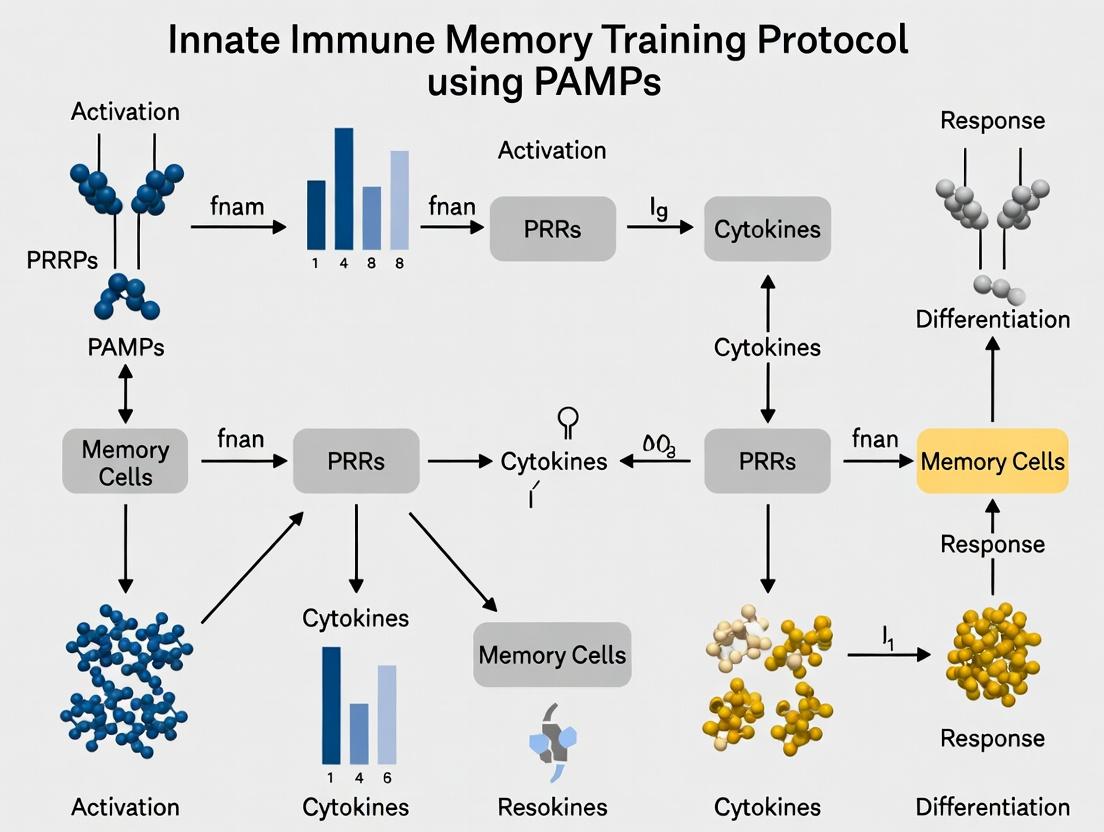
This article provides a detailed scientific framework for researchers and drug development professionals exploring trained immunity induction via Pathogen-Associated Molecular Patterns (PAMPs).
Innate Immune Memory Training: A Comprehensive Protocol for PAMP-Based Epigenetic Reprogramming
Abstract
This article provides a detailed scientific framework for researchers and drug development professionals exploring trained immunity induction via Pathogen-Associated Molecular Patterns (PAMPs). It covers the foundational biology of innate immune memory, outlines step-by-step methodological protocols for in vitro and in vivo training, addresses common troubleshooting and optimization challenges, and presents validation strategies and comparative analyses against other immune-modulating agents. The content synthesizes current research to establish standardized, reproducible approaches for harnessing trained immunity in therapeutic development.
Understanding Trained Immunity: The Science Behind PAMP-Induced Innate Immune Memory
Innate immune memory, also termed "trained immunity," is the process by which innate immune cells (e.g., monocytes, macrophages, NK cells) develop an enhanced, long-term functional state following an initial challenge, altering responses to subsequent, heterologous stimuli. This challenges the traditional paradigm of innate immunity as non-specific and memoryless.
Table 1: Key Quantitative Hallmarks of Innate Immune Memory
| Parameter | Naive State | Trained State (Post-PAMP Priming) | Measurement Method | Typical Fold-Change |
|---|---|---|---|---|
| Cytokine Production (e.g., TNF-α, IL-6) | Baseline secretion upon LPS challenge | Enhanced secretion upon secondary challenge (heterologous) | ELISA / Multiplex Assay | 1.5 - 3.0x increase |
| Epigenetic Modifications (H3K4me3, H3K27ac) | Baseline histone methylation/acetylation at promoter regions of immune genes (e.g., TNF, IL6) | Increased enrichment at metabolic/immune gene promoters | ChIP-qPCR / ChIP-seq | 2 - 5x increase in peak intensity |
| Metabolic Reprogramming | Primarily oxidative phosphorylation | Shift towards aerobic glycolysis (Warburg effect) | ECAR/OCR (Seahorse Analyzer) | ECAR increase: 2-4x; OCR decrease: ~0.7x |
| Cell Surface Marker (e.g., CD11b, TLR4) | Baseline expression | Increased expression (priming) | Flow Cytometry (MFI) | 1.2 - 2x increase (MFI) |
| In Vivo Protection | Standard susceptibility to infection (e.g., C. albicans) | Reduced pathogen load, improved survival | Colony Forming Unit (CFU) counts, Survival curves | CFU reduction: 10-100x; Survival increase: 30-50% |
Experimental Protocol:In VitroTraining of Human Monocytes with β-Glucan
This protocol outlines the induction of trained immunity in primary human monocytes using the fungal PAMP β-Glucan, a well-characterized trainer.
Protocol 2.1: Isolation and Training of Primary Human Monocytes
- Objective: To generate β-Glucan-trained monocytes for functional and mechanistic analysis.
- Duration: 6 days (Day 0: Isolation; Day 1: Training; Days 2-5: Rest; Day 6: Restimulation/Assay).
- Materials: See "Research Reagent Solutions" table.
Procedure:
- Peripheral Blood Mononuclear Cell (PBMC) Isolation (Day 0):
- Collect fresh human peripheral blood in sodium heparin tubes.
- Dilute blood 1:1 with sterile PBS.
- Carefully layer 25 mL of diluted blood over 15 mL of Ficoll-Paque PLUS in a 50 mL conical tube.
- Centrifuge at 400 x g for 30 minutes at 20°C, with no brake.
- Aspirate the PBMC layer at the interphase and transfer to a new tube.
- Wash PBMCs twice with PBS + 2% FBS (centrifuge at 300 x g for 10 min).
- Resuspend cell pellet in pre-warmed complete RPMI-1640 medium.
Monocyte Isolation (Day 0):
- Isolate CD14+ monocytes from PBMCs using a magnetic-activated cell sorting (MACS) kit per manufacturer's instructions.
- Determine cell count and viability via trypan blue exclusion. Ensure viability >95%.
- Seed monocytes in 96-well or 24-well tissue culture plates at a density of 0.5-1 x 10^6 cells/mL in complete RPMI-1640. Allow cells to adhere for 1 hour at 37°C, 5% CO2.
Training Phase (Day 1):
- Prepare a 10 µg/mL working solution of soluble β-(1,3)-D-Glucan (from S. cerevisiae) in complete RPMI.
- Remove non-adherent cells by gentle washing with warm PBS.
- Add the β-Glucan solution to the adherent monocytes (training group). For controls, add complete RPMI only (untrained control).
- Incubate cells for 24 hours at 37°C, 5% CO2.
Rest Phase (Days 2-5):
- After 24h, gently wash trained and control monocytes twice with warm PBS.
- Re-feed cells with fresh, pre-warmed complete RPMI-1640.
- Culture cells for an additional 5 days, refreshing medium every 2-3 days.
Restimulation and Assay (Day 6):
- On day 6, restimulate trained and control monocytes with a heterologous secondary stimulus (e.g., 10 ng/mL ultrapure LPS from E. coli O111:B4) or medium (negative control).
- After 24 hours, collect cell-free supernatants for cytokine analysis (ELISA) and lyse cells for RNA/protein extraction or metabolic assays.
Protocol 2.2: Functional Validation via Cytokine ELISA
- Objective: Quantify enhanced TNF-α production as a hallmark of trained immunity.
- Sample: Cell culture supernatants from Protocol 2.1, Step 5.
- Procedure:
- Perform a standard sandwich ELISA for human TNF-α according to kit manufacturer's instructions.
- Include a standard curve in duplicate (e.g., 0-500 pg/mL).
- Measure absorbance at 450 nm (with 570 nm correction) using a plate reader.
- Calculate cytokine concentrations using the standard curve. Trained monocytes should show significantly higher TNF-α production upon LPS restimulation compared to untrained controls.
Visualization: Signaling and Workflow Diagrams
Diagram 1 Title: In Vitro Monocyte Training Protocol Timeline
Diagram 2 Title: Core β-Glucan-Induced Training Signaling Pathway
The Scientist's Toolkit: Research Reagent Solutions
Table 2: Essential Reagents for Trained Immunity Research
| Reagent/Material | Function / Role in Protocol | Example Product / Specification |
|---|---|---|
| Ficoll-Paque PLUS | Density gradient medium for isolation of viable PBMCs from whole blood. | Cytiva, GE Healthcare #17144002 |
| CD14+ MicroBeads, human | Magnetic beads for positive selection of monocytes from PBMC suspension. | Miltenyi Biotec #130-050-201 |
| RPMI-1640 Medium | Base cell culture medium for monocyte/macrophage culture. | Gibco #21875034 |
| Human AB Serum / FBS | Serum supplement for cell culture medium. Heat-inactivate before use. | Typically used at 5-10% concentration. |
| β-(1,3)-D-Glucan (from S. cerevisiae) | Soluble PAMP used as a training agent. Binds Dectin-1 receptor. | Sigma-Aldrich #G5011 |
| Ultrapure LPS (E. coli O111:B4) | Toll-like receptor 4 (TLR4) agonist used for heterologous restimulation. | InvivoGen #tlrl-3pelps |
| ELISA Kit (Human TNF-α) | Quantitative measurement of cytokine production as a functional readout. | BioLegend #430204 |
| Seahorse XFp Analyzer & Kits | For real-time measurement of metabolic parameters (ECAR/OCR). | Agilent Technologies |
| ChIP-grade Antibodies (H3K4me3, H3K27ac) | For chromatin immunoprecipitation to assess epigenetic remodeling. | Abcam #ab8580, #ab4729 |
| Cell Culture Plates (24/96-well) | For adherent monocyte culture, training, and stimulation. | Tissue-culture treated, flat-bottom. |
Application Notes
Pathogen-Associated Molecular Patterns (PAMPs) like β-glucan, Lipopolysaccharide (LPS), and Muramyl Dipeptide (MDP) are pivotal in inducing trained immunity, a functional state of long-term innate immune cell reprogramming. This non-specific memory enhances host defense against secondary infections and modulates inflammatory responses, holding significant promise for vaccine adjuvants and immunotherapies. Below is a comparative summary of their key characteristics and training outcomes.
Table 1: Comparative Overview of Key Training PAMPs
| PAMP | Source | Primary PRR | Key Metabolic Shift | Epigenetic Reprogramming | Primary Trained Cell Type | Training Duration | Key Functional Outcome |
|---|---|---|---|---|---|---|---|
| β-Glucan | Fungal cell walls | Dectin-1 | Aerobic glycolysis (Warburg effect) | H3K4me3, H3K27ac at promotor regions of immune genes (e.g., TNFα, IL6) | Monocytes/Macrophages | Weeks to months | Enhanced pro-inflammatory cytokine production; protection against fungal (e.g., Candida) and bacterial sepsis. |
| LPS | Gram-negative bacteria | TLR4 | Glutamine metabolism, TCA cycle upregulation | H3K4me1 at enhancer regions; DNA hypomethylation | Monocytes/Macrophages, Myeloid Progenitors | Days to weeks (can induce tolerance) | Primarily induces tolerance; low-dose or alternative priming can train, enhancing response to secondary challenge. |
| MDP | Bacterial peptidoglycan | NOD2 | Cholesterol synthesis (mevalonate pathway) | H3K27ac enrichment; DNA methylation changes | Monocytes/Macrophages | Weeks | Enhanced bacterial killing (e.g., Mycobacterium); synergistic training with other PAMPs. |
Table 2: Quantitative In Vitro Training Outcomes (Representative Data)
| PAMP | Training Concentration | Cytokine Production Post-secondary Challenge (vs. Naive) | Key Metabolic Marker Change | Reference Model |
|---|---|---|---|---|
| β-Glucan (C. albicans) | 1-10 μg/mL | TNFα: ↑ 200-300%; IL6: ↑ 150-250% | Lactate production: ↑ 2.5-fold | Human PBMCs |
| LPS (E. coli, low-dose) | 0.1-1 ng/mL | IL6: ↑ 50-100% (after tolerance washout period) | Succinate accumulation: ↑ 1.8-fold | Mouse BMDMs |
| MDP | 1-10 μg/mL | IL1β: ↑ 100-150%; TNFα: ↑ 80-120% | HMG-CoA reductase activity: ↑ 2-fold | Human Monocytes |
Detailed Experimental Protocols
Protocol 1: In Vitro Training of Human Primary Monocytes with β-Glucan
Objective: To generate trained monocytes with enhanced cytokine response to a secondary, heterologous stimulus.
Reagents & Materials:
- Human peripheral blood mononuclear cells (PBMCs) from healthy donors.
- RPMI 1640 medium supplemented with 10% pooled human serum, 1% penicillin/streptomycin, and 2 mM L-glutamine.
- β-Glucan (from Saccharomyces cerevisiae, soluble).
- Wash buffer: sterile PBS.
- Resting medium: RPMI 1640 with 10% human serum, 1% Pen/Strep, 0.5 mM L-glutamine (low metabolic activity).
- Secondary stimulus: LPS (100 ng/mL) or heat-killed Candida albicans.
- ELISA kits for TNFα, IL6, IL1β.
Procedure:
- Isolation & Priming: Isolate human PBMCs via density gradient centrifugation. Seed monocytes (adherent fraction or CD14+ selected) in 24-well plates (0.5-1x10^6 cells/mL). Add β-glucan at a final concentration of 5 μg/mL. Incubate cells for 24 hours at 37°C, 5% CO₂.
- Wash & Rest: Carefully aspirate the priming medium. Wash cells gently twice with pre-warmed PBS. Add resting medium. Culture cells for an additional 5-7 days, refreshing the resting medium every 2-3 days.
- Secondary Challenge: On day 6 or 7, re-stimulate the cells with the secondary stimulus (e.g., 100 ng/mL LPS). Use a parallel set of non-primed (naive) and medium-only primed cells as controls.
- Analysis: Collect supernatants 24 hours post-secondary challenge. Quantify cytokine levels (TNFα, IL6) by ELISA. Analyze cell metabolism (e.g., extracellular acidification rate for glycolysis) using a Seahorse Analyzer if applicable.
Protocol 2: Assessment of Epigenetic Modifications via Chromatin Immunoprecipitation (ChIP-qPCR)
Objective: To validate H3K4me3 enrichment at promoter regions of trained immunity-related genes (e.g., TNF, IL6).
Procedure (Post-Training, Pre-challenge):
- Cross-linking & Harvest: On day 6 of the training protocol, cross-link cells with 1% formaldehyde for 10 min at room temperature. Quench with 125 mM glycine. Harvest cells.
- Chromatin Preparation: Lyse cells and shear chromatin via sonication to achieve fragments of 200-500 bp.
- Immunoprecipitation: Incubate chromatin with antibody-specific for H3K4me3 or control IgG overnight at 4°C. Use Protein A/G beads to pull down antibody-chromatin complexes.
- DNA Recovery & Analysis: Reverse cross-links, purify DNA, and analyze by qPCR using primers specific for promoters of target genes (e.g., TNF promoter). Express data as % input or fold enrichment over control IgG.
Visualization: Signaling Pathways and Experimental Workflow
Diagram 1: PAMP Recognition and Key Signaling for Training
Diagram 2: In Vitro Monocyte Training Protocol Workflow
The Scientist's Toolkit: Essential Research Reagents
Table 3: Key Reagent Solutions for PAMP-Induced Trained Immunity Research
| Reagent/Category | Specific Example(s) | Function in Research | Critical Consideration |
|---|---|---|---|
| PAMP Ligands | Soluble β-Glucan (from S. cerevisiae), Ultrapure LPS (from E. coli), Muramyl Dipeptide (MDP). | Primary inducers of trained immunity. Activate specific PRRs to initiate reprogramming. | Source, purity (TLR-free for MDP/NOD2 studies), and solubility are crucial for reproducibility. |
| Cell Culture Media Supplements | Pooled Human Serum (PHS), Heat-Inactivated Fetal Bovine Serum (FBS), L-Glutamine, Sodium Pyruvate. | Provide metabolic substrates that influence training outcomes. Human serum is preferred for human cell studies. | Batch variability in serum can significantly affect training efficacy; use pooled lots. |
| Metabolic Inhibitors/Probes | 2-Deoxy-D-glucose (2-DG), UK5099 (mitochondrial pyruvate carrier inhibitor), Etomoxir (CPT1a inhibitor). | Dissect the role of glycolysis, OXPHOS, or fatty acid oxidation in the training process. | Confirm inhibitor specificity and use appropriate controls for cytotoxicity. |
| Epigenetic Modulators | UNC0638 (G9a/EHMT2 inhibitor), C646 (p300/CBP HAT inhibitor). | Probe the role of specific histone modifications (H3K9me, H3K27ac) in establishing memory. | Use at precise concentrations and timing to avoid pleiotropic effects. |
| Assay Kits | ELISA/LEGENDplex for cytokines (TNFα, IL6, IL1β), Seahorse XF Glycolysis Stress Test Kit, ChIP-grade antibodies (H3K4me3, H3K27ac). | Quantify functional readouts (cytokines), metabolic flux, and epigenetic marks. | Validate antibodies for ChIP; optimize cell number for Seahorse assays. |
| Secondary Challenge Agents | Heat-killed Candida albicans, Pam3CSK4 (TLR2 ligand), Poly(I:C) (TLR3 ligand). | Heterologous stimuli to assess the non-specific enhanced response characteristic of trained immunity. | Standardize the preparation (e.g., killing method for microbes) across experiments. |
This application note details the isolation, culture, and training protocols for key innate immune cells—monocytes, macrophages, natural killer (NK) cells, and hematopoietic stem cells (HSCs)—within the broader research thesis on "Innate Immune Memory Training with PAMPs." The induction of trained immunity (also termed innate immune memory) in these cellular players represents a promising therapeutic strategy for enhancing host defense, improving vaccine efficacy, and modulating immune pathologies. This document provides standardized methodologies for priming these cells with pathogen-associated molecular patterns (PAMPs) like β-glucan or LPS to elicit a sustained, functionally enhanced response upon secondary stimulation.
Research Reagent Solutions Toolkit
| Reagent / Material | Function in PAMP Training Protocol |
|---|---|
| Ficoll-Paque PREMIUM | Density gradient medium for isolation of peripheral blood mononuclear cells (PBMCs) from whole blood. |
| CD14+ MicroBeads (Human) | Magnetic-activated cell sorting (MACS) beads for positive selection of monocytes from PBMCs. |
| Recombinant Human M-CSF | Differentiates isolated monocytes into M0 macrophages in culture over 5-7 days. |
| β-Glucan (from S. cerevisiae) | Primary training PAMP for monocytes/macrophages; binds Dectin-1, inducing epigenetic/metabolic reprogramming. |
| Ultrapure LPS (E. coli K12) | Pro-inflammatory stimulus used for secondary challenge to assess trained immunity phenotype. |
| Recombinant Human IL-2 | Expands and maintains NK cell viability and function in culture post-isolation. |
| StemSpan SFEM II | Serum-free, cytokine-expanded medium optimized for the maintenance of hematopoietic stem cells. |
| Recombinant Human IL-6 & SCF | Key cytokines for HSC expansion and maintenance in in vitro culture systems. |
| CellTrace Violet | Fluorescent cell dye for tracking cellular proliferation over time in trained vs. untrained cells. |
| ELISA Kits (TNF-α, IL-6) | Quantify cytokine production (output of trained immunity) after secondary challenge. |
Experimental Protocols
Protocol 1: Isolation and β-Glucan Training of Human Monocytes/Macrophages
Objective: To isolate primary human monocytes, differentiate them into macrophages, and induce trained immunity using β-glucan.
Materials: Sodium heparin tubes, PBS, Ficoll-Paque, MACS buffer, CD14+ MicroBeads, LS columns, RPMI-1640 + 10% FBS, Pen/Strep, M-CSF, β-Glucan, LPS.
Procedure:
- PBMC Isolation: Dilute fresh human blood 1:1 with PBS. Carefully layer over Ficoll-Paque. Centrifuge at 400 x g for 30 min, no brake. Collect PBMC layer.
- Monocyte Isolation: Wash PBMCs. Incubate with CD14+ MicroBeads for 15 min at 4°C. Pass through a pre-washed LS column in a magnetic field. Wash, then elute CD14+ cells.
- Macrophage Differentiation: Seed monocytes at 0.5-1x10^6 cells/mL in RPMI/10% FBS with 50 ng/mL M-CSF. Culture for 6 days to generate M0 macrophages.
- Training Phase (Day 0): On day 6, stimulate cells with 10 µg/mL β-glucan for 24 hours.
- Wash & Rest: Wash cells thoroughly and maintain in culture with M-CSF for an additional 5 days.
- Challenge Phase (Day 6): Re-stimulate trained and control cells with 10 ng/mL LPS for 24 hours.
- Readout: Collect supernatant for cytokine ELISA. Harvest cells for metabolic (Seahorse) or epigenetic (ChIP-seq) analysis.
Protocol 2: Isolation and Cytokine-Induced Memory of Natural Killer Cells
Objective: To isolate human NK cells and induce cytokine-induced memory using IL-12/15/18.
Materials: NK Cell Isolation Kit, RPMI-1640 + 10% Human AB Serum, Recombinant IL-2, IL-12, IL-15, IL-18, K562 target cells.
Procedure:
- NK Cell Isolation: Isolate PBMCs as above. Use negative selection NK Cell Isolation Kit to purify untouched NK cells.
- Priming for Memory: Culture NK cells (1x10^6/mL) in complete medium with 500 U/mL IL-2 and priming cytokines (1 ng/mL IL-12 + 10 ng/mL IL-15 + 50 ng/mL IL-18) for 16-24 hours.
- Rest & Expand: Wash cells and culture in low-dose IL-15 (10 ng/mL) for 7-14 days to allow for memory formation and homeostatic proliferation.
- Functional Challenge: Co-culture memory and control NK cells with K562 target cells at various E:T ratios for 4-6 hours.
- Readout: Measure IFN-γ production by ELISA or intracellular staining. Assess cytotoxicity via CD107a degranulation assay or live/dead staining of targets.
Protocol 3: In Vitro Priming of Hematopoietic Stem Cells
Objective: To prime murine or human HSCs with PAMPs ex vivo to study trained immunity at the stem cell level.
Materials: Mouse bone marrow, Lineage Cell Depletion Kit, StemSpan SFEM II, recombinant cytokines (SCF, TPO, FLT3L), CpG ODN (TLR9 agonist), Transplant recipient mice.
Procedure:
- HSC Enrichment: Flush bone marrow from femurs/tibias. Use lineage negative selection kit to enrich for Lin- Sca-1+ c-Kit+ (LSK) cells or sort for HSC phenotypes (e.g., CD150+ CD48- LSK).
- Priming Culture: Culture purified HSCs in serum-free StemSpan medium with cytokines (SCF, TPO, FLT3L) and 1 µM CpG ODN for 24-48 hours.
- Transplantation & Analysis: Transplant a limited number of primed HSCs along with competitor marrow into lethally irradiated recipient mice.
- Long-term Readout: Analyze peripheral blood chimerism over 16+ weeks to assess myeloid-biased output. Isolate and functionally test progeny myeloid cells for enhanced responses.
Table 1: Key Functional Readouts in PAMP-Trained Immune Cells
| Cell Type | Training Agent | Secondary Challenge | Enhanced Function (vs. Untrained) | Typical Fold Increase |
|---|---|---|---|---|
| Monocyte/Macrophage | β-Glucan (10 µg/mL) | LPS (10 ng/mL) | TNF-α/IL-6 Production | 1.5 - 3.0 fold |
| Monocyte/Macrophage | BCG (live) | LPS (10 ng/mL) | IL-1β Production | 2.0 - 4.0 fold |
| Natural Killer Cell | IL-12/15/18 | K562 cells | IFN-γ Production | 3.0 - 10.0 fold |
| Natural Killer Cell | IL-12/15/18 | K562 cells | Cytotoxic Activity | 2.0 - 5.0 fold |
| Hematopoietic Stem Cell | CpG ODN | Transplantation in vivo | Myeloid Reconstitution Bias | 1.3 - 2.0 fold |
Table 2: Key Metabolic & Epigenetic Markers of Trained Immunity
| Parameter | Cell Type | Method of Assessment | Change in Trained Cells |
|---|---|---|---|
| Glycolytic Rate | Macrophage | Seahorse ECAR | Increased |
| mTOR Activation | Macrophage | p-S6 Western Blot | Increased |
| H3K4me3 | Monocyte | ChIP-seq at promoter loci | Increased at genes like TNF, IL6 |
| H3K27Ac | Monocyte | ChIP-seq at enhancer loci | Increased at immune gene loci |
| Oxidative Phosphorylation | NK Cell | Seahorse OCR | Sustained Increase |
Signaling Pathways and Workflow Diagrams
Diagram 1: Core β-glucan training pathway in macrophages.
Diagram 2: Stepwise experimental workflow for monocyte training.
Diagram 3: Signaling leading to cytokine-induced memory in NK cells.
This application note details protocols for investigating the molecular mechanisms underpinning trained immunity—the de facto memory of innate immune cells. The induction of innate immune memory via pathogen-associated molecular patterns (PAMPs) involves a coordinated cascade of epigenetic rewiring, metabolic reprogramming, and transcriptional priming. These processes enable monocytes and macrophages to mount a heightened, non-specific response to secondary challenges. The protocols herein are designed for researchers dissecting these mechanisms to advance therapeutic strategies in infection, oncology, and inflammatory diseases.
Table 1: Hallmark Changes in β-Glucan-Trained Human Monocytes
| Process | Key Indicator | Change (vs. Naive) | Measurement Timepoint | Assay |
|---|---|---|---|---|
| Metabolic Reprogramming | Glycolytic Rate | Increase: ~2.5-3 fold | 24h post-training | ECAR (Seahorse) |
| Metabolic Reprogramming | mtROS Production | Increase: ~2 fold | 24h post-training | MitoSOX Flow Cytometry |
| Epigenetic Rewiring | H3K4me3 at promoter loci (e.g., TNF, IL6) | Increase: ~3-4 fold | 72h-7 days post-training | ChIP-qPCR |
| Epigenetic Rewiring | H3K27Ac at enhancer regions | Increase: ~2-3 fold | 72h-7 days post-training | ChIP-seq |
| Transcriptional Priming | IL6 mRNA upon restimulation | Increase: ~5-10 fold | 7 days post-training, 4h post-LPS | RT-qPCR |
| Functional Output | TNF-α cytokine production | Increase: ~3-4 fold | 7 days post-training, 24h post-LPS | ELISA |
Table 2: Common PAMPs for Inducing Trained Immunity
| PAMP | Receptor | Common Concentration | Training Duration | Primary Metabolic Shift |
|---|---|---|---|---|
| β-Glucan (from C. albicans) | Dectin-1 | 5-10 μg/mL | 24 hours | Aerobic Glycolysis |
| LPS (E. coli) | TLR4 | 10 ng/mL | 24 hours | Oxidative Phosphorylation (early) |
| BCG (vaccine) | Multiple PRRs | 1-5 x 10^6 CFU/mL | 24 hours | Cholesterol Synthesis |
Experimental Protocols
Protocol 1: Induction of Trained Immunity in Human Primary Monocytes with β-Glucan
Objective: To generate functionally trained monocytes for downstream analysis of epigenetic, metabolic, and transcriptional changes.
Materials:
- Research Reagent Solutions: See Toolkit Table A.
- Human primary CD14+ monocytes (freshly isolated or cryopreserved).
- RPMI 1640 medium (no glucose for metabolic assays, as specified).
- Recombinant human M-CSF (for macrophage differentiation if required).
Procedure:
- Isolate CD14+ monocytes from PBMCs using positive selection kits. Seed at 0.5-1 x 10^6 cells/mL in 12-well plates in complete RPMI (with 10% autologous human serum or pooled human AB serum, 1% Pen/Strep).
- Train: Add purified β-glucan (from C. albicans) to a final concentration of 5 μg/mL. Incubate cells for 24 hours at 37°C, 5% CO2.
- Wash & Rest: Remove stimulus by thorough washing (x2 with PBS). Replace with fresh complete medium. Incubate for an additional 5 days (total day 6 from start). Refresh medium on day 3.
- Restimulate & Assay: On day 6, restimulate cells with a low dose of LPS (e.g., 10 ng/mL for 4h for mRNA, 24h for protein). Use unstimulated trained and untrained controls.
- Harvest cells/supernatants for RNA (Transcriptional Priming), chromatin (Epigenetic Rewiring), or functional assays (cytokine ELISA).
Protocol 2: Assessing Metabolic Reprogramming via Extracellular Flux Analysis
Objective: To quantify the shift towards aerobic glycolysis in trained monocytes/macrophages.
Procedure:
- Seed & Train: Seed monocytes in XF96 cell culture microplates at 1.5 x 10^5 cells/well. Train with β-glucan as in Protocol 1, step 2, directly in the microplate.
- Wash & Equilibrate: On day 6, wash cells and replace medium with XF assay medium (supplemented with 2 mM Glutamine, pH 7.4). Incubate for 1h in a non-CO2 incubator.
- Run Seahorse Assay: Using an XF Analyzer, sequentially inject:
- Port A: 10 mM Glucose (to assess glycolysis).
- Port B: 1.5 μM Oligomycin (to assess glycolytic capacity).
- Port C: 50 mM 2-DG (to confirm glycolysis dependency).
- Analyze: Calculate Extracellular Acidification Rate (ECAR) as a proxy for glycolysis. Compare basal and maximal glycolytic rates between trained and untrained cells.
Protocol 3: Profiling Histone Modifications via Chromatin Immunoprecipitation (ChIP-qPCR)
Objective: To quantify activating histone marks (H3K4me3, H3K27Ac) at promoters of trained immunity genes.
Procedure:
- Cross-link & Harvest: On day 6 (resting), cross-link cells with 1% formaldehyde for 10 min at RT. Quench with 125 mM glycine. Harvest cells.
- Sonication: Lyse cells and sonicate chromatin to shear DNA to 200-500 bp fragments. Use a Covaris or tip sonicator (e.g., 6 cycles, 30s ON/OFF, high setting).
- Immunoprecipitation: Incubate clarified chromatin overnight at 4°C with 2-5 μg of antibody against H3K4me3 or H3K27Ac. Use IgG as control. Capture with protein A/G magnetic beads.
- Wash, Reverse Cross-link, & Purify: Wash beads, elute, and reverse cross-links at 65°C overnight. Purify DNA with a PCR purification kit.
- qPCR Analysis: Perform qPCR on purified DNA using primers for target gene promoters (e.g., TNF, IL6, IL1B) and a neutral control region (e.g., GAPDH coding region). Calculate % input or fold enrichment over IgG.
The Scientist's Toolkit
Table A: Essential Research Reagents for Trained Immunity Protocols
| Reagent / Material | Function / Role | Example Catalog # |
|---|---|---|
| UltraPure β-Glucan (from C. albicans) | Dectin-1 agonist; Primary training stimulus. | tlrl-bglcn (InvivoGen) |
| LPS-EB Ultrapure (E. coli K12) | TLR4 agonist; Used for secondary restimulation. | tlrl-3pelps (InvivoGen) |
| XF Glycolysis Stress Test Kit | Contains reagents for Seahorse metabolic flux analysis. | 103020-100 (Agilent) |
| Anti-H3K4me3 ChIP Grade Antibody | For mapping transcriptionally primed promoters via ChIP. | ab8580 (Abcam) |
| Anti-H3K27Ac ChIP Grade Antibody | For mapping active enhancers via ChIP. | ab4729 (Abcam) |
| MitoSOX Red Mitochondrial Superoxide Indicator | Flow cytometry probe for detecting mtROS. | M36008 (Thermo Fisher) |
| Human TNF-α ELISA Kit | Quantifying functional output of trained immunity. | 88-7346-88 (Thermo Fisher) |
| CD14 MicroBeads, human | Isolation of primary monocytes from PBMCs. | 130-050-201 (Miltenyi) |
| Recombinant Human M-CSF | For differentiating monocytes to macrophages post-training. | 216-MC-025 (R&D Systems) |
Visualization: Signaling Pathways and Workflows
Title: PAMP Training Drives Metabolic and Epigenetic Rewiring
Title: 7-Day Protocol for Inducing and Assaying Trained Immunity
Distinguishing Trained Immunity from Tolerance and Exhaustion
Within the broader thesis on "Innate immune memory training with PAMPs protocol research," distinguishing the durable hyperresponsive state of trained immunity from the hyporesponsive states of tolerance and exhaustion is paramount. This delineation is critical for designing PAMP-based therapies that enhance host defense without risking pathological inflammation or immune suppression.
Core Conceptual Distinctions
Trained Immunity: A functional state of the innate immune system characterized by a long-term, enhanced nonspecific response to a secondary challenge, triggered by primary exposure to certain stimuli (e.g., β-glucan, BCG, certain PAMPs). It involves metabolic and epigenetic reprogramming of myeloid cells and their progenitors.
Tolerance (LPS-Tolerance): A short-term, refractory state induced by an initial exposure to a stimulus (e.g., low-dose LPS) that dampens the inflammatory response to a subsequent homologous or heterologous challenge, aimed at preventing excessive tissue damage.
Exhaustion: A dysfunctional state often arising from chronic, persistent stimulation (e.g., in cancer, chronic infection), characterized by sustained expression of inhibitory receptors (e.g., PD-1), loss of effector functions, and distinct epigenetic and metabolic alterations.
Quantitative Comparison of Hallmark Features
Table 1: Comparative Hallmarks of Trained Immunity, Tolerance, and Exhaustion
| Feature | Trained Immunity | Tolerance | Exhaustion |
|---|---|---|---|
| Functional Outcome | Enhanced cytokine production (e.g., TNF-α, IL-6) | Reduced pro-inflammatory cytokine production | Progressive loss of effector functions (cytotoxicity, cytokine production) |
| Duration | Months (involving hematopoietic stem/progenitor cells) | Days to weeks | Chronic/persistent |
| Key Metabolic Shift | Aerobic glycolysis (Warburg effect), mTOR-dependent | Reduced glycolysis, increased oxidative phosphorylation | Impaired glycolysis, mitochondrial dysfunction |
| Epigenetic Landscape | Open chromatin (H3K4me3, H3K27ac) at promoter/enhancers of immune genes | Repressive marks (e.g., H3K9me2) at inflammatory gene loci | Stable repressive epigenetic program (distinct from anergy) |
| Transcriptional Regulators | mTOR-HIF1α, STATs | NF-κB p50 homodimers, IRF3, ATF3 | TOX, NR4A, Eomesodermin |
| Cell Types | Monocytes, macrophages, NK cells, myeloid progenitors | Monocytes, macrophages | T cells, NK cells, monocytes/macrophages in chronic settings |
| Inducing Stimuli | β-glucan, BCG, oxidized LDL, some PAMPs | Low-dose LPS, low-dose Pam3Cys | Chronic antigen exposure, sustained inflammatory signals |
| Surface Markers (Example) | Increased costimulatory molecules (CD80, CD86) | Decreased CD14, CD86 | PD-1, TIM-3, LAG-3, TIGIT |
| Reversibility | Partially reversible over time | Reversible upon removal of stimulus | Difficult to reverse without targeted intervention (e.g., checkpoint blockade) |
Experimental Protocols for Distinction
Protocol 4.1:In VitroHuman Monocyte Model for Induction and Assessment
Objective: To differentiate trained immunity, tolerance, and exhaustion in primary human monocytes.
Key Research Reagent Solutions:
- Primary Human CD14+ Monocytes: Isolated from PBMCs of healthy donors using CD14+ magnetic beads.
- Induction Stimuli:
- Trained Immunity: β-glucan from Saccharomyces cerevisiae (1-10 μg/mL).
- Tolerance: Ultra-pure LPS (10-100 pg/mL).
- Exhaustion Model: Chronic high-dose LPS (100 ng/mL, repeated or sustained exposure over 5-7 days).
- Resting & Re-challenge Medium: RPMI-1640 with 10% human AB serum, 1% GlutaMAX, 1% Penicillin/Streptomycin.
- Re-challenge Stimulus: LPS (10 ng/mL) or Pam3Cys (1 μg/mL).
- Readout Assay: ELISA kits for human TNF-α, IL-6, IL-10.
Methodology:
- Isolation & Priming: Seed purified CD14+ monocytes in 96-well plates (2x10^5 cells/well). Treat with respective priming stimuli (β-glucan, low-dose LPS, or first dose of high-dose LPS) for 24 hours.
- Resting Phase: Wash cells twice with warm PBS. Incubate in resting medium for 5 days. For exhaustion model, add fresh high-dose LPS every 48 hours.
- Re-challenge: On day 6, re-challenge all wells with a standard inflammatory stimulus (e.g., 10 ng/mL LPS) for 24 hours.
- Cytokine Measurement: Collect supernatants. Quantify TNF-α, IL-6, and IL-10 production via ELISA.
- Data Interpretation: Compare cytokine levels to non-primed, re-challenged controls.
- Trained Immunity: >150% increase in TNF-α/IL-6.
- Tolerance: <50% of control TNF-α/IL-6 production.
- Exhaustion: Severely blunted cytokine production (<30% of control), potentially elevated IL-10.
Protocol 4.2: Epigenetic and Metabolic Profiling (Key Confirmatory Experiments)
A. H3K4me3 Chromatin Immunoprecipitation (ChIP-qPCR)
- Objective: Assess active histone marks at promoters of training-associated genes (e.g., TNFA, IL6, IL1B).
- Protocol Summary: After the 5-day rest period, cross-link cells (Day 5). Perform ChIP using anti-H3K4me3 antibody. Analyze enrichment at target loci via qPCR. Trained cells show significant enrichment; tolerant/exhausted cells show depletion or no change.
B. Extracellular Flux (Seahorse) Analysis for Glycolysis
- Objective: Measure real-time glycolytic rate.
- Protocol Summary: On Day 5, seed rested cells into a Seahorse XF96 plate. Perform a Glycolytic Rate Assay. Trained immunity is associated with a heightened extracellular acidification rate (ECAR, indicating glycolysis). Tolerance shows reduced basal glycolysis.
Signaling Pathways & Logical Frameworks
The Scientist's Toolkit: Essential Research Reagents
Table 2: Key Reagents for Distinguishing Immune States
| Reagent / Material | Function & Application |
|---|---|
| Ultra-pure LPS | Standard PAMP for inducing TLR4-mediated responses; used for re-challenge and tolerance induction. |
| β-glucan (S. cerevisiae) | Prototypical inducer of trained immunity via Dectin-1/Akt/mTOR signaling. |
| Recombinant Human M-CSF (GM-CSF) | For differentiation and maintenance of primary human monocyte-derived macrophages for longer-term studies. |
| HDAC Inhibitors (e.g., ITF2357) | Tool to probe epigenetic regulation; can inhibit/alter trained immunity. |
| mTOR Inhibitor (Rapamycin) | Critical control to confirm mTOR-dependent trained immunity; pre-treatment should ablate the training phenotype. |
| Anti-human H3K4me3 Antibody | For ChIP experiments to map active histone marks associated with trained immunity. |
| Seahorse XF Glycolysis Stress Test Kit | For real-time measurement of glycolytic flux, a key metabolic hallmark distinguishing the three states. |
| Flow Cytometry Antibody Panel: | |
| * CD14, CD80, CD86, HLA-DR | Assess monocyte activation status. Trained cells show increased CD80/86; tolerant cells may show decreased CD14. |
| * PD-1 (CD279), TIM-3 | Surface markers associated with the exhausted phenotype. |
| ELISA Kits (TNF-α, IL-6, IL-10) | Gold-standard for quantifying cytokine production profiles, the primary functional readout. |
Step-by-Step Protocol: Inducing and Harnessing PAMP-Mediated Trained Immunity
This protocol is situated within a broader thesis investigating innate immune memory, specifically "trained immunity." The paradigm posits that brief exposure to certain Pathogen-Associated Molecular Patterns (PAMPs), such as β-Glucan (a fungal cell wall component) or low-dose Lipopolysaccharide (LPS, a Gram-negative bacterial endotoxin), can prime monocytes and macrophages. This priming induces epigenetic, metabolic, and functional reprogramming, leading to an enhanced, non-specific response to subsequent heterologous challenges. This Application Note details a standardized in vitro protocol for establishing and assessing this trained phenotype, a critical tool for researchers in immunology, infectious disease, and drug development aiming to harness or modulate innate immune memory.
Research Reagent Solutions Toolkit
| Reagent/Material | Function & Explanation |
|---|---|
| Human Primary Monocytes (e.g., CD14+ isolated from PBMCs) | Primary cells providing physiological relevance for studying human innate immune memory. |
| β-Glucan (e.g., Curdlan, Zymosan) | Dectin-1 agonist; fungal PAMP used for initial training to induce a pro-inflammatory trained phenotype. |
| Ultra-pure Lipopolysaccharide (LPS) | TLR4 agonist; bacterial PAMP used for initial priming (low-dose) or secondary challenge (high-dose). |
| RPMI-1640 with Stable Glutamine | Standard cell culture medium, often supplemented with 10% human serum or FBS for monocyte/macrophage culture. |
| Pyrogen-free Water & Cell Culture Reagents | Essential to prevent unintended TLR activation by contaminating endotoxins, which confounds results. |
| Cytochalasin D | Inhibitor of actin polymerization; used to distinguish phagocytosed vs. surface-bound particles in fungal uptake assays. |
| ELISA Kits (TNF-α, IL-6, IL-1β) | For quantifying cytokine production, a key functional readout of trained immunity. |
| Seahorse XFp/XFe96 Analyzer & Kits | Instrument and reagents for real-time analysis of metabolic shift (glycolysis vs. oxidative phosphorylation). |
| Chromatin Immunoprecipitation (ChIP) Kit | For analysis of epigenetic marks (e.g., H3K4me3, H3K27ac) at promoter regions of immune genes. |
Experimental Protocols
Protocol 1: Primary Human Monocyte Isolation and Culture
- Isolate Peripheral Blood Mononuclear Cells (PBMCs) from buffy coats or leukapheresis samples via density gradient centrifugation (Ficoll-Paque).
- Purify CD14+ monocytes using positive selection (MACS) or adherence (incubate PBMCs in serum-coated flasks for 1-2 hours at 37°C).
- Seed purified monocytes in complete culture medium (RPMI-1640, 10% human serum, 1% penicillin/streptomycin) at a density of 0.5-1 x 10^6 cells/mL in appropriate tissue culture plates.
- Differentiate into macrophages by culturing with 50 ng/mL M-CSF for 5-7 days (for macrophage-focused studies).
Protocol 2: Inducing Trained Immunity (Priming/Initial Stimulation)
- Stimulation: At day 0, treat cells with priming agents.
- β-Glucan Priming: Add soluble β-glucan (e.g., 10 µg/mL Curdlan) or β-glucan-containing particles (e.g, 10 particles/cell Zymosan) for 24 hours.
- LPS Priming (Tolerogenic/Training): Add a low dose of LPS (e.g., 10 pg/mL - 1 ng/mL) for 24 hours. Note: Higher LPS doses typically induce tolerance.
- Wash & Rest: After 24 hours, carefully wash the cells three times with warm, sterile PBS. Return cells to complete culture medium and culture for an additional 5 days (rest period). Change medium every 2-3 days.
- Control: Include an unstimulated control (medium only) that undergoes the same wash and rest schedule.
Protocol 3: Secondary Challenge and Functional Readout Assessment
- At day 6, challenge both primed and control cells with a heterologous stimulus, typically a high dose of LPS (e.g., 100 ng/mL) for 24 hours.
- Cytokine Production: Collect culture supernatants 24 hours post-challenge. Analyze levels of pro-inflammatory cytokines (TNF-α, IL-6, IL-1β) via ELISA. Trained cells show significantly enhanced cytokine production.
- Metabolic Analysis (e.g., Day 5-6): Prior to challenge, assess metabolic rewiring using a Seahorse Analyzer. Measure Extracellular Acidification Rate (ECAR, glycolysis) and Oxygen Consumption Rate (OCR, oxidative phosphorylation). A hallmark of β-glucan training is increased glycolysis. See Table 1.
Table 1: Expected Quantitative Outcomes of Trained vs. Naïve Cells
| Assay Readout | Naïve Cells (Control) | β-Glucan Trained Cells | Low-dose LPS Primed Cells |
|---|---|---|---|
| TNF-α after LPS challenge | Baseline (e.g., 500 pg/mL) | 2-5 fold increase (e.g., 1000-2500 pg/mL) | Variable (can be tolerant) |
| Glycolytic Capacity (ECAR) | Baseline | ~150-200% of baseline | Often reduced |
| H3K4me3 at TNFA promoter | Baseline level | >2-fold increase | No change or decrease |
| Phagocytosis of E. coli | Baseline rate | ~1.5-2 fold increase | May be suppressed |
Protocol 4: Supporting Assays for Mechanism
- Epigenetic Analysis (ChIP-qPCR): At the end of the rest period (day 5-6), perform ChIP for active histone marks (H3K4me3, H3K27ac) at promoters of genes like TNF, IL6, and IL1B. Compare enrichment in trained vs. control cells.
- Phagocytosis Assay: After rest period, incubate cells with pHrodo-labeled E. coli or zymosan particles. Measure internalization via flow cytometry by quantifying the increase in fluorescence in the phagocytic cell population.
Signaling Pathways & Workflow Diagrams
Diagram 1: Protocol Workflow
Diagram 2: β-Glucan Priming Mechanism
The paradigm of immunological memory has expanded beyond the adaptive immune system to include the innate arm, a process termed "trained immunity." Within the broader thesis of PAMP-based protocol research, this document details application notes and protocols for establishing robust, reproducible systemic trained immunity in murine models. These in vivo systems are crucial for elucidating the mechanisms, duration, and systemic effects of innate immune memory, providing a platform for translational research into vaccines, immunotherapies, and anti-inflammatory strategies.
Key Inducers and Experimental Outcomes
Live searches confirm β-glucan (from Candida albicans or Saccharomyces cerevisiae) and the Bacille Calmette-Guérin (BCG) vaccine remain the most widely validated inducers of systemic trained immunity in mice. Recent studies highlight the use of defined microbial components like muramyl dipeptide (MDP) and synthetic ligands for TLR agonists (e.g., Pam3CSK4).
Table 1: Summary of Common Inducers and Quantitative Outcomes
| Inducer (Route) | Typical Dose & Schedule | Key Immune Readouts (vs. Naïve Control) | Peak Effect Timeline | Key Effector Cell Types |
|---|---|---|---|---|
| β-glucan (i.v.) | 1 mg, single dose | 2-3 fold ↑ IL-1β, TNF-α; 50-70% ↑ splenic myeloid progenitors | 7-14 days post-injection | Monocytes, Macrophages, HSPCs |
| BCG (i.v.) | 1x10^6 CFU, single dose | 4-5 fold ↑ IFN-γ; 2-fold ↑ IL-1β upon restimulation; Enhanced bacterial clearance | 14-90 days | Monocytes, NK Cells |
| Pam3CSK4 (s.c.) | 50 µg, single dose | 1.5-2 fold ↑ TNF-α, IL-6 upon LPS challenge | 5-7 days | Monocytes, Macrophages |
| MDP (i.p.) | 500 µg, single dose | Reprogramming of bone marrow myelopoiesis; Enhanced granulocyte output | 7-14 days | Neutrophils, Monocytes |
Detailed Experimental Protocols
Protocol 1: Induction of Systemic Trained Immunity with β-Glucan
Objective: To establish long-term (≥1 month) heterologous protection against secondary infections.
- Preparation: Reconstitute insoluble β-glucan (e.g., from C. albicans) in PBS (1 mg/mL) by vigorous vortexing and brief sonication.
- Mouse Model: Use 8-12 week-old C57BL/6J mice. Assign randomly to Treatment (n≥5) and PBS Control groups.
- Induction (Day 0): Inject 1 mg (1 mL) of β-glucan suspension intravenously via the tail vein. Control group receives equal volume PBS.
- Resting Period: Allow a minimum of 7 days for immune training to establish.
- Challenge (Day 7-30): Infect mice intraperitoneally with a sublethal dose of Staphylococcus aureus (e.g., 5x10^6 CFU) or Escherichia coli.
- Analysis:
- Survival & Clinical Scores: Monitor for 5-7 days post-challenge.
- Bacterial Burden: At 24h post-challenge, harvest spleen and liver, homogenize, and plate serial dilutions for CFU enumeration.
- Cytokine Profiling: Collect serum at 6h post-challenge for multiplex ELISA (IL-1β, TNF-α, IL-6).
Protocol 2: Ex Vivo Restimulation Assay for Trained Immunity
Objective: To quantify the enhanced cytokine potential of trained innate immune cells.
- Cell Harvest: At designated time points post-induction (e.g., Day 7, 14, 30), euthanize mice and harvest bone marrow from femurs/tibias or spleen.
- Cell Culture: Isolate bone marrow-derived monocytes/macrophages (BMDMs) using standard protocols (7-day culture with M-CSF). Seed 1x10^5 cells/well in a 96-well plate.
- Restimulation: Stimulate cells with a low dose of LPS (10 ng/mL) or heat-killed Candida for 24 hours. Include unstimulated controls.
- Quantification: Collect supernatants. Measure TNF-α, IL-6, and IL-1β via ELISA. Compare levels from trained vs. control mouse-derived cells.
Protocol 3: Epigenetic and Metabolic Analysis (Supporting Protocol)
Objective: To validate molecular hallmarks of trained immunity.
- Chromatin Immunoprecipitation (ChIP): Fix chromatin from sorted bone marrow monocytes (e.g., Ly6C+). Perform ChIP-qPCR for H3K4me3 and H3K27ac at promoters of training-associated genes (Tnfa, Il6, Il1b).
- Metabolomics: Extract metabolites from trained and naïve BMDMs. Analyze via LC-MS for increased levels of fumarate, succinate, and mevalonate pathway intermediates.
- Seahorse Analysis: Measure real-time extracellular acidification rate (ECAR) and oxygen consumption rate (OCR) to confirm a shift towards aerobic glycolysis.
Pathway and Workflow Visualizations
Title: Core Signaling Pathway of Trained Immunity
Title: In Vivo Training & Challenge Workflow
Title: Cellular Compartments of Trained Immunity
The Scientist's Toolkit: Research Reagent Solutions
Table 2: Essential Materials for Murine Trained Immunity Studies
| Item | Function/Benefit | Example/Note |
|---|---|---|
| Ultrapure β-Glucan | Gold-standard inducer; activates Dectin-1 receptor. | Use insoluble C. albicans β-glucan for robust systemic training. |
| Live BCG Vaccine | Clinically relevant inducer; provides long-lasting protection. | Ensure consistent viable CFU counts via titration. |
| TLR Agonists (e.g., Pam3CSK4) | Defined molecular tools for mechanistic studies. | Useful for probing specific PRR contributions. |
| Recombinant Murine M-CSF | Essential for in vitro differentiation of BMDMs from precursors. | Critical for ex vivo restimulation assays. |
| LPS (Ultrapure, E. coli) | Standard secondary challenge/restimulation agent. | Use low doses (10 ng/mL) to measure priming. |
| ELISA/Multiplex Kits (Mouse Cytokines) | Quantify TNF-α, IL-6, IL-1β, IFN-γ in serum/culture supernatants. | Verify cross-reactivity and dynamic range. |
| ChIP-Grade Antibodies (H3K4me3, H3K27ac) | Validate epigenetic rewiring in sorted cell populations. | Specificity is paramount for ChIP-qPCR success. |
| Seahorse XFp/XFe96 Analyzer & Kits | Measure real-time metabolic shifts (glycolysis, OXPHOS). | Requires optimized cell number and assay medium. |
Within the paradigm of innate immune memory ("trained immunity"), the precise dosage and timing of Pathogen-Associated Molecular Pattern (PAMP) administration are critical determinants for the induction, magnitude, and duration of the non-specific protective response. This document outlines application notes and experimental protocols for defining these critical windows, framed within ongoing research for therapeutic drug development. The goal is to translate empirical observations into standardized, reproducible methodologies for in vitro and in vivo model systems.
Recent studies define key parameters for primary stimulation ("training") and restimulation ("challenge") across different PAMPs and model systems. The following tables consolidate current data.
Table 1: Critical Parameters for Primary Stimulation (Training) In Vitro
| PAMP / Agonist | Target Receptor | Effective Concentration Range | Optimal Exposure Duration | Reported Resting Period Post-Training | Key Readout |
|---|---|---|---|---|---|
| β-glucan (S. cerevisiae) | Dectin-1 | 1 - 10 µg/mL | 24 hours | 5 - 7 days | TNF-α, IL-6 production upon restimulation; Epigenetic remodeling (H3K4me3, H3K27Ac) |
| LPS (E. coli) | TLR4 | 10 - 100 ng/mL | 24 hours | 3 - 6 days | Enhanced IL-1β, IL-6; Metabolic reprogramming (glycolysis, OXPHOS) |
| MDP (Muramyl Dipeptide) | NOD2 | 1 - 10 µg/mL | 24-48 hours | 5 - 7 days | Increased cytokine output; Elevated mTOR activity |
| BCG (live attenuated) | Multiple (TLR2/4, NOD2) | 1 - 10 MOI | 24 hours | ≥ 3 months (in vivo) | Broad protection against heterologous infections |
Table 2: Critical Windows for Restimulation (Challenge) In Vitro
| Training Agent | Optimal Challenge Window Post-Training | Challenge Agent (Heterologous) | Challenge Duration Prior to Assay | Amplification Factor vs. Naïve Cells |
|---|---|---|---|---|
| β-glucan | Day 5 - Day 7 | LPS (TLR4) | 24 hours | 1.5 - 3x (Cytokines) |
| LPS (low dose) | Day 4 - Day 6 | Pam3CSK4 (TLR2) | 18-24 hours | 1.5 - 2.5x (Cytokines) |
| BCG | Day 6 - Day 7 | R848 (TLR7/8) | 24 hours | 2 - 4x (Cytokines) |
Table 3: In Vivo Dosage and Timing for Murine Models
| Model | Training Agent | Route | Primary Dose | Time to Challenge (Resting Window) | Protective Readout |
|---|---|---|---|---|---|
| Systemic Protection | β-glucan | Intraperitoneal | 1 mg/mouse | 7 - 14 days | Survival, fungal burden (C. albicans) |
| BCG | Subcutaneous | 10^5 - 10^6 CFU | 14 - 90 days | Survival, bacterial burden (S. aureus) | |
| Epigenetic Memory | LPS (low dose) | Intraperitoneal | 50 µg/kg | 3 - 7 days | Histone modifications in BM progenitors |
Experimental Protocols
Protocol 3.1:In VitroTraining of Human Primary Monocytes
Objective: To induce a trained immunity phenotype and define the critical window for restimulation. Key Materials: See Section 5.
Methodology:
- Monocyte Isolation: Isolate human peripheral blood mononuclear cells (PBMCs) from buffy coats using density gradient centrifugation (Ficoll-Paque). Isolate CD14+ monocytes using positive selection magnetic-activated cell sorting (MACS).
- Primary Stimulation (Training):
- Seed monocytes in 24-well plates at 0.5-1x10^6 cells/mL in complete RPMI medium.
- Treatment Groups: i) Untrained control (medium only), ii) β-glucan (5 µg/mL), iii) LPS (10 ng/mL).
- Incubate cells with training agent for 24 hours at 37°C, 5% CO2.
- Wash & Resting Phase:
- After 24h, carefully aspirate supernatant.
- Wash cells gently twice with 1X PBS.
- Add fresh, pre-warmed complete medium.
- Culture cells for a total of 5-7 days, replacing medium every 2-3 days.
- Restimulation (Challenge):
- On day 6, aspirate medium and restimulate cells with a heterologous challenge agent (e.g., 10 ng/mL Pam3CSK4) or fresh medium as a control.
- Incubate for 24 hours.
- Analysis:
- Supernatant: Collect for cytokine analysis (ELISA for TNF-α, IL-6, IL-1β).
- Cells: Harvest for (a) RNA (qPCR for immune genes), (b) Chromatin (ChIP-seq for H3K4me3/H3K27ac), or (c) Metabolic assays (Seahorse Analyzer for glycolysis/oxidative phosphorylation).
Protocol 3.2:In VivoMurine Model for Systemic Trained Immunity
Objective: To evaluate the duration of protection conferred by PAMP training against lethal infection. Key Materials: See Section 5.
Methodology:
- Animal Groups: Randomize 8-12 week old C57BL/6 mice into groups (n=8-10).
- Primary Stimulation (Training):
- Administer β-glucan (1 mg/mouse in 200 µL PBS) or PBS vehicle via intraperitoneal (i.p.) injection.
- Defining the Critical Window:
- At multiple time points post-training (e.g., day 1, 3, 7, 14, 28), challenge separate subgroups of mice with a lethal dose of Candida albicans (e.g., 5x10^5 CFU, i.v.).
- Monitoring & Analysis:
- Monitor survival daily for 10-14 days.
- At a predefined endpoint (e.g., 48h post-infection), euthanize mice to collect organs (kidneys, spleen).
- Homogenize organs, plate serial dilutions on YPD agar, and count CFU to quantify fungal burden.
- Isolve bone marrow for progenitor cell epigenetic and functional analysis.
Visualizations
Diagram 1: Key Signaling Pathways in PAMP-Induced Training
Title: Signaling from PAMP to Trained Immunity Phenotype
Diagram 2: Experimental Timeline for Defining Critical Windows
Title: In Vitro Protocol Timeline for Critical Windows
The Scientist's Toolkit: Key Research Reagent Solutions
| Item / Reagent | Provider Examples | Function in Protocol |
|---|---|---|
| Ultra-Pure LPS (E. coli K12) | InvivoGen, Sigma-Aldrich | TLR4 agonist for primary training; standard for challenge. |
| Soluble β-Glucan (from S. cerevisiae) | Sigma-Aldrich, Cayman Chemical | Dectin-1 agonist; gold-standard inducer of trained immunity. |
| Pam3CSK4 | Tocris, InvivoGen | Synthetic TLR2/1 agonist; used for heterologous challenge. |
| Human Monocyte Isolation Kit II (CD14+) | Miltenyi Biotec | Negative selection for high-purity, untouched human monocytes. |
| Ficoll-Paque PLUS | Cytiva | Density gradient medium for PBMC isolation from whole blood. |
| Cell Culture Medium (RPMI-1640) | Gibco, Sigma | Base medium for long-term monocyte culture, requires supplementation. |
| Recombinant Human M-CSF | PeproTech | Supports monocyte survival and differentiation during resting phase. |
| ELISA MAX Deluxe Kits (Human TNF-α, IL-6) | BioLegend | Precise quantification of cytokine production post-challenge. |
| ChIP-seq Grade Anti-H3K4me3 / H3K27ac | Abcam, Cell Signaling Tech. | Antibodies for mapping epigenetic landscapes of trained cells. |
| Seahorse XFp FluxPak | Agilent Technologies | For real-time analysis of metabolic flux (glycolysis, OXPHOS). |
| In Vivo Grade β-Glucan (Alkannin) | Cayman Chemical, Self-prepared | Sterile, low-endotoxin preparation for murine i.p. injection studies. |
Cell Culture and Media Optimization for Metabolic Reprogramming
Within the broader thesis investigating innate immune memory ('trained immunity') induction via Pathogen-Associated Molecular Patterns (PAMPs), precise cell culture and media optimization are foundational. This protocol details methodologies for the in vitro expansion and metabolic reprogramming of human primary monocytes and macrophages, the primary effector cells in trained immunity. By manipulating media composition, we can direct metabolic pathways—specifically, a shift from oxidative phosphorylation to aerobic glycolysis—that underpin the epigenetic and functional reprogramming characteristic of a trained phenotype.
Innate immune memory, or trained immunity, is induced by initial stimuli like PAMPs (e.g., β-glucan, LPS) and is characterized by enhanced non-specific responses to secondary challenges. This functional reprogramming is mechanistically supported by a profound rewiring of intracellular metabolism. Key hallmarks include:
- Increased glycolysis (Warburg effect), providing rapid ATP and metabolic intermediates.
- Truncated TCA cycle, with accumulation of citrate and succinate.
- Increased glutaminolysis, fueling the TCA cycle.
- Modulation of cholesterol synthesis and mevalonate pathway. These metabolic shifts fuel epigenetic changes (e.g., histone methylation/acetylation) that alter gene expression profiles. Optimizing cell culture conditions to support and probe these pathways is therefore critical.
Key Research Reagent Solutions
| Reagent/Category | Example Product(s) | Function in Metabolic Reprogramming Research |
|---|---|---|
| Base Media for Modulation | RPMI 1640, XF Base Medium | RPMI 1640 is standard for monocyte culture. XF Base Medium is used in Seahorse assays for real-time metabolic analysis. |
| Metabolic Substrates & Modulators | Glucose, Galactose, L-Glutamine, Sodium Pyruvate, 2-Deoxy-D-Glucose (2-DG), Oligomycin, FCCP, Rotenone/Antimycin A | Used to manipulate and probe specific metabolic pathways (e.g., 2-DG inhibits glycolysis; FCCP uncouples mitochondria). |
| PAMPs for Training | β-Glucan (from S. cerevisiae), LPS (from E. coli), Muramyl Dipeptide (MDP) | Primary stimuli to induce trained immunity, triggering initial metabolic and epigenetic changes. |
| Cytokines & Growth Factors | GM-CSF, M-CSF, IL-4, IFN-γ | Direct monocyte-to-macrophage differentiation into specific (M1/M2) phenotypes with distinct metabolic profiles. |
| Metabolic Assay Kits | Seahorse XF Glycolysis Stress Test Kit, Lactate Assay Kit, ATP Assay Kit | Quantitative measurement of glycolytic flux, lactate production, and cellular ATP levels. |
| Epigenetic Modulators | GSK-J4 (H3K27me3 demethylase inhibitor), Sodium Butyrate (HDAC inhibitor) | Tools to investigate the link between metabolism and epigenetic remodeling. |
| Sera | Heat-Inactivated Fetal Bovine Serum (FBS), Human AB Serum | Provides essential growth factors and lipids; serum type/concentration can influence basal metabolism. |
Core Protocol: Culturing and Metabolic Training of Human Monocytes
Isolation and Culture of Primary Human Monocytes
Objective: Obtain high-purity monocytes for training assays. Materials: Leukocyte cones (buffy coats), Ficoll-Paque PLUS, PBS (without Ca²⁺/Mg²⁺), CD14+ microbeads (Miltenyi), MACS columns, RPMI 1640, 10% HI-FBS, Penicillin/Streptomycin. Procedure:
- Dilute blood 1:1 with PBS. Layer over Ficoll and centrifuge at 400 × g for 30 min at 20°C (brake off).
- Collect peripheral blood mononuclear cell (PBMC) layer. Wash twice with PBS (250 × g, 10 min).
- Resuspend PBMCs in MACS buffer (PBS + 0.5% BSA + 2mM EDTA). Incubate with CD14+ microbeads (10 µL/10⁷ cells) for 15 min at 4°C.
- Pass cells through LS column on a MACS separator. Wash, then elute positively selected CD14+ monocytes.
- Count and seed cells in RPMI 1640 + 10% HI-FBS + 1% P/S at desired density (e.g., 0.5-1 x 10⁶/mL).
PAMP-Induced Training and Media Optimization for Metabolic Reprogramming
Objective: Induce trained immunity via PAMP stimulation under defined media conditions to promote glycolysis. Materials: β-glucan (100 µg/mL stock), LPS (100 ng/mL stock), Training Media (see Table 1). Procedure:
- Training Phase (Day 0): Seed monocytes in complete RPMI. Stimulate with β-glucan (10 µg/mL) or LPS (10 ng/mL) for 24 hours.
- Resting Phase (Day 1-5): After 24h, gently wash cells 2x with PBS. Re-culture in Training Media A (High-Glucose, see Table 1) for 5 days. Replace media every 2-3 days.
- Restimulation/Challenge (Day 6): On day 6, restimulate trained and control cells with a low dose of LPS (e.g., 1 ng/mL) or other challenge.
- Analysis (Day 7): 24h post-restimulation, harvest supernatant for cytokine analysis (e.g., TNF-α, IL-6) and cells for metabolic assays.
Media Formulations for Metabolic Modulation
Table 1: Optimized Media Formulations for Metabolic Reprogramming Studies
| Media Component | Standard Culture Media | Training Media A (Pro-Glycolytic) | Training Media B (OxPhos-Permissive) | Assay Media (e.g., Seahorse XF) |
|---|---|---|---|---|
| Base | RPMI 1640 | RPMI 1640 (no glucose) | RPMI 1640 (no glucose) | XF Base Medium |
| Glucose | 11 mM (2 g/L) | 25 mM | 1 mM | 10 mM (supplemented) |
| Galactose | 0 mM | 0 mM | 10 mM | 0 mM |
| Glutamine | 2 mM | 2 mM | 2 mM | 2 mM (supplemented) |
| Pyruvate | 1 mM | 1 mM | 1 mM | 1 mM (supplemented) |
| Serum | 10% HI-FBS | 10% HI-FBS | 10% HI-FBS | 0-2% HI-FBS |
| Primary Purpose | Maintenance | Drives glycolysis post-PAMP signal | Forces reliance on mitochondrial OxPhos | Real-time metabolic measurement |
Key Experimental Protocols for Metabolic Analysis
Seahorse XF Glycolysis Stress Test
Objective: Quantitatively measure glycolytic function in real-time. Protocol:
- Day -1: Seed trained/control cells (e.g., 1-2 x 10⁵/well) in a Seahorse XF96 cell culture microplate in their respective media.
- Day of Assay: Hydrate sensor cartridge in Seahorse XF Calibrant at 37°C (non-CO₂).
- Replace cell media with Assay Media (Table 1). Incubate at 37°C (non-CO₂) for 45-60 min.
- Drug Injections (Ports):
- Port A: 10X Glucose (Final: 10 mM).
- Port B: 10X Oligomycin (Final: 1 µM).
- Port C: 10X 2-Deoxy-D-glucose (Final: 50 mM).
- Run the Glycolysis Stress Test protocol on the Seahorse Analyzer. Calculate Glycolytic Rate (ECAR) parameters.
Intracellular Metabolite Extraction for LC-MS
Objective: Extract polar metabolites for targeted profiling of TCA cycle intermediates. Protocol:
- Quickly wash cells (6-well plate) with 2 mL of room temperature 0.9% NaCl.
- Add 1 mL of -20°C 80% Methanol to each well. Scrape cells and transfer suspension to a pre-chilled tube.
- Vortex vigorously, then incubate at -80°C for 30 min.
- Centrifuge at 16,000 × g for 15 min at 4°C.
- Transfer supernatant (metabolite fraction) to a new tube. Dry in a vacuum concentrator.
- Store dried pellets at -80°C. Reconstitute in appropriate solvent for LC-MS analysis.
Key Signaling and Metabolic Pathways in Trained Immunity
Diagram 1: Core Metabolic-Epigenetic Axis in Trained Immunity
Diagram 2: Experimental Workflow for Media-Optimized Training
Application Notes
Within the thesis research on innate immune memory training with PAMPs, downstream functional assays are critical for validating the trained phenotype. Cytokine profiling quantifies the enhanced or modulated secretory response, while pathogen challenge directly tests the functional consequence of training in host defense. These assays move beyond epigenetic or transcriptional readouts to confirm functional reprogramming of innate immune cells, such as monocytes or macrophages.
Key Applications:
- Validation of Training: Differentiate true training (enhanced response to secondary stimulus) from tolerance (attenuated response).
- Mechanistic Insight: Correlate specific cytokine signatures (e.g., elevated TNF-α, IL-6, IL-1β with reduced IL-10) with metabolic or epigenetic data.
- Therapeutic Screening: Use cytokine output and pathogen clearance as key metrics for screening novel PAMP-based or pharmacological training agents.
- Pathogen-Specific Defense: Assess the breadth or specificity of trained immunity against bacterial (e.g., S. aureus), fungal (e.g., C. albicans), or viral challenges.
Quantitative Data Summary: Table 1: Exemplary Cytokine Profiles from β-Glucan-Trained Human Monocytes Challenged with LPS
| Cytokine | Naïve Cells (pg/mL) | Trained Cells (pg/mL) | Fold Change | Function in Trained Immunity |
|---|---|---|---|---|
| TNF-α | 450 ± 120 | 1850 ± 310 | ~4.1 | Pro-inflammatory mediator, enhances pathogen clearance. |
| IL-6 | 1200 ± 450 | 5200 ± 980 | ~4.3 | Pro-inflammatory, induces acute phase response. |
| IL-1β | 85 ± 30 | 450 ± 110 | ~5.3 | Key pro-inflammatory cytokine, links innate to adaptive immunity. |
| IL-10 | 350 ± 90 | 150 ± 40 | ~0.4 | Anti-inflammatory; reduction indicates pro-inflammatory shift. |
| IL-1RA | 2800 ± 700 | 9500 ± 1850 | ~3.4 | IL-1 receptor antagonist; feedback regulator. |
Table 2: Pathogen Challenge Outcomes with Trained Murine Macrophages
| Pathogen (MOI) | Naïve Macrophage Clearance (CFU %) | Trained Macrophage Clearance (CFU %) | Enhancement | Assay Readout |
|---|---|---|---|---|
| C. albicans (1:1) | 100 ± 12% (Reference) | 38 ± 8% | ~62% improved clearance | Intracellular killing, 4-6h post-infection. |
| S. aureus (5:1) | 100 ± 18% | 45 ± 11% | ~55% improved clearance | Gentamicin protection assay, 2h post-infection. |
| M. tuberculosis (2:1) | 100 ± 22% | 70 ± 15% | ~30% improved clearance | Lys plating, 72h post-infection. |
Experimental Protocols
Protocol 1: Cytokine Profiling of Trained Human Monocytes via Multiplex ELISA
Objective: To quantify the secretory profile of trained innate immune cells upon secondary heterologous challenge.
Materials: See "Research Reagent Solutions" below.
Methodology:
- Cell Training: Isolate CD14+ monocytes from human PBMCs using magnetic separation. Seed cells in 96-well plates (2x10^5 cells/well) in RPMI-1640 with 10% human serum.
- Priming/Training: Add training agent (e.g., β-glucan, 10 μg/mL) or vehicle control to wells. Incubate for 24h at 37°C, 5% CO2.
- Resting Phase: Wash cells twice with warm PBS. Re-culture in fresh complete medium for 5 days. Replace medium on day 3.
- Secondary Challenge: On day 6, challenge all wells with a low dose of LPS (10 ng/mL) or relevant PAMP/Pathogen.
- Supernatant Collection: 24h post-challenge, centrifuge plate at 300 x g for 5 min. Gently collect supernatants, aliquot, and store at -80°C.
- Cytokine Quantification: Use a commercially available multiplex electrochemiluminescence (MSD) or Luminex assay. Follow manufacturer's protocol:
- Thaw supernatants on ice.
- Add standards and samples to the pre-coated multiplex plate.
- Add detection antibody cocktail, incubate with shaking.
- Wash plate, add read buffer, and analyze on the appropriate reader.
- Data Analysis: Use assay-specific software to calculate cytokine concentrations from standard curves. Normalize data to cell viability (e.g., ATP-based assay) and present as mean ± SEM of technical replicates.
Protocol 2: Functional Pathogen Challenge Assay (Intracellular Killing Assay)
Objective: To assess the enhanced bactericidal/fungicidal capacity of trained macrophages.
Materials: See "Research Reagent Solutions" below.
Methodology:
- Macrophage Training: Differentiate THP-1 cells with PMA (100 nM, 48h) to obtain macrophage-like cells. Train with PAMP (e.g., MDP, 10 μg/mL) for 24h, wash, and rest in fresh medium for 4 days.
- Pathogen Preparation: Grow S. aureus (GFP-tagged) to mid-log phase. Wash bacteria with PBS and opsonize with 10% human serum for 30 min at 37°C.
- Infection: Add opsonized bacteria to macrophages at a Multiplicity of Infection (MOI) of 5:1. Centrifuge plate at 500 x g for 5 min to synchronize infection. Incubate for 30 min at 37°C, 5% CO2.
- Extracellular Bacteria Removal: Wash wells 3x with warm PBS. Add fresh medium containing gentamicin (100 μg/mL) to kill extracellular bacteria. Incubate for 1h.
- Intracellular Killing Phase: Replace medium with medium containing a lower dose of gentamicin (10 μg/mL) to prevent bacterial regrowth.
- Cell Lysis & CFU Enumination: At desired timepoints (e.g., 2h and 6h post-infection), lyse macrophages with 0.1% Triton X-100 in PBS. Serially dilute the lysates in PBS and plate on LB agar plates. Count Colony Forming Units (CFUs) after overnight incubation at 37°C.
- Data Analysis: Calculate percent killing:
[1 - (CFU at Tfinal / CFU at Tinitial)] * 100. Compare trained vs. naïve macrophage killing efficiency.
Research Reagent Solutions
| Item | Function/Application in Assays |
|---|---|
| Human CD14+ MicroBeads | Magnetic separation of primary monocytes for training studies. |
| UltraPure β-Glucan (S. cerevisiae) | Canonical training agent for dectin-1 mediated innate immune memory. |
| LPS (E. coli O111:B4) | Standard secondary heterologous challenge agent for cytokine profiling. |
| MDP (Muramyl Dipeptide) | NOD2 agonist used as a synthetic PAMP for training protocols. |
| MSD U-PLEX Biomarker Assays | Multiplex electrochemiluminescence platform for high-sensitivity cytokine quantitation from small supernatant volumes. |
| GFP-expressing S. aureus | Allows visual tracking of infection and standardized preparation for challenge assays. |
| Gentamicin Protection Assay Reagents | Antibiotic (gentamicin) and cell lysis detergent (Triton X-100) for specific measurement of intracellular bacterial killing. |
| CellTiter-Glo Luminescent Assay | ATP-based cell viability assay to normalize cytokine data to live cell count. |
Visualizations
Trained Immunity Assay Workflow
Signaling from PAMP to Enhanced Cytokine Secretion
Application Note: Innate Immune Memory as a Therapeutic Paradigm
Recent research into innate immune memory, often termed "trained immunity," has revealed that innate immune cells (e.g., monocytes, macrophages, NK cells) can develop a long-term functional reprogramming following exposure to certain stimuli, notably Pathogen-Associated Molecular Patterns (PAMPs). This non-specific memory enhances inflammatory and antimicrobial responses upon re-challenge. This application note details protocols and research strategies for harnessing trained immunity in three key therapeutic areas, framed within a thesis on systematic PAMP protocol development.
1. Vaccination Adjuvants: Enhancing and broadening vaccine efficacy by incorporating PAMPs that induce trained immunity in antigen-presenting cells, leading to stronger and potentially longer-lasting T and B cell responses. 2. Sepsis Protection: Mitigating the high mortality of sepsis by prophylactically "training" the innate immune system to mount a more effective, balanced response to secondary bacterial infections, potentially reducing immunoparalysis. 3. Oncology: Reprogramming tumor-associated macrophages (TAMs) from a pro-tumor (M2-like) phenotype to an anti-tumor (M1-like) state via trained immunity protocols, enhancing tumor immunosurveillance and synergy with checkpoint inhibitors.
Experimental Protocols
Protocol 1:In VitroInduction of Trained Immunity in Human Monocytes
Objective: To generate a phenotype of trained immunity using β-glucan as a model PAMP. Materials:
- Isolated human PBMCs or CD14+ monocytes.
- RPMI-1640 complete medium.
- β-Glucan from Saccharomyces cerevisiae (e.g., Zymosan).
- Sterile 24-well tissue culture plates.
- Recombinant human cytokines (IFN-γ, IL-1β, TNF-α) for challenge.
Methodology:
- Monocyte Isolation: Isolate CD14+ monocytes from PBMCs using positive magnetic selection. Seed cells at 1x10⁶ cells/mL in complete medium.
- Training Phase (Day 0): Stimulate cells with 10 µg/mL β-glucan or vehicle control for 24 hours.
- Resting Phase (Day 1-5): Remove stimuli, wash cells, and culture in fresh medium for 5 days.
- Re-challenge (Day 6): Re-stimulate trained and control cells with a secondary stimulus (e.g., 100 ng/mL LPS or 10 ng/mL each of IFN-γ/TNF-α).
- Readout (Day 7): 24 hours post-re-challenge, harvest supernatant for cytokine analysis (IL-6, TNF-α) and cells for metabolic (Seahorse analysis) and epigenetic (H3K27Ac ChIP-seq) profiling.
Protocol 2:In VivoAssessment of Sepsis Protection in a Murine Model
Objective: To evaluate the protective effect of trained immunity against a lethal secondary infection. Materials:
- C57BL/6 mice (8-10 weeks old).
- Muramyl dipeptide (MDP) or β-glucan (for training).
- Pseudomonas aeruginosa or Staphylococcus aureus (for infection).
- Clinical chemistry analyzer.
Methodology:
- Training Phase (Day 0): Intraperitoneally inject mice with 1 mg of β-glucan or PBS vehicle.
- Resting Phase (Day 1-6): Allow the trained immune phenotype to develop.
- Challenge Phase (Day 7): Induce a primary, sub-lethal infection (e.g., cecal slurry) or directly challenge with a lethal dose of P. aeruginosa (e.g., 1x10⁸ CFU i.p.).
- Monitoring: Monitor survival for 7-14 days. At predetermined endpoints, collect blood (for cytokine and bacterial load via CFU plating) and organs (for histopathology and immune cell profiling by flow cytometry).
- Key Metrics: Survival curve, bacterial clearance rate, and plasma IL-1β/IL-10 ratio.
Protocol 3: Re-education of Tumor-Associated Macrophages (TAMs)
Objective: To shift macrophage polarization in the tumor microenvironment using a PAMP-based protocol. Materials:
- MC38 or B16-F10 tumor cell line.
- Recombinant bacillus Calmette-Guérin (BCG) or synthetic STING agonists.
- Anti-PD-1 checkpoint inhibitor antibody.
- Flow cytometry antibodies (F4/80, CD206, MHC-II, CD8).
Methodology:
- Tumor Engraftment: Subcutaneously inject tumor cells into syngeneic mice.
- Training Intervention (Day 7 & 14 post-engraftment): Intratumorally inject 1x10⁶ CFU BCG or a STING agonist (e.g., 10 µg DMXAA). Control groups receive PBS.
- Combination Therapy: Administer anti-PD-1 antibody (200 µg, i.p.) on days 10, 13, and 16.
- Analysis (Day 21): Harvest tumors, process into single-cell suspensions, and analyze by flow cytometry. Key populations: %M1-like (F4/80⁺CD206⁻MHC-IIhi) vs. M2-like (F4/80⁺CD206⁺) TAMs, tumor-infiltrating CD8⁺ T cells. Measure tumor volume.
Table 1: Efficacy of PAMP-Induced Trained Immunity Across Therapeutic Applications
| Application | PAMP Agent | Model System | Key Efficacy Readout | Result (Trained vs. Control) | Reference Year* |
|---|---|---|---|---|---|
| Vaccination | β-glucan | Human in vitro | IL-6 production post-LPS | ~2.5-fold increase | 2023 |
| Vaccination | BCG | Clinical Trial | Anti-influenza IgG titers | Significantly higher | 2020 |
| Sepsis Protection | β-glucan | Murine in vivo | Survival after S. aureus | 80% vs. 20% | 2022 |
| Sepsis Protection | MDP | Murine in vivo | Blood bacterial load (CFU/mL) | >10-fold reduction | 2021 |
| Oncology | BCG | Murine in vivo | Tumor volume (mm³) | ~60% reduction | 2023 |
| Oncology | STING agonist | Murine in vivo | CD8⁺ T cell infiltration | ~3-fold increase | 2024 |
*Based on recent literature search.
Signaling Pathways and Workflows
Title: Core Pathway of PAMP-Induced Trained Immunity
Title: Thesis Experimental Workflow for Three Therapeutic Applications
Research Reagent Solutions Toolkit
| Reagent / Material | Primary Function in Trained Immunity Research |
|---|---|
| β-Glucan (Zymosan) | Canonical PAMP for in vitro/in vivo training via Dectin-1 receptor. Induces strong glycolytic shift and H3K27Ac marks. |
| BCG (Bacillus Calmette-Guérin) | Live attenuated vaccine strain of M. bovis. Used clinically (bladder cancer) and in research to induce broad, off-target trained immunity via NOD2/TLR signaling. |
| Muramyl Dipeptide (MDP) | Synthetic NOD2 ligand. A well-defined, reproducible PAMP for inducing trained immunity, often used in murine sepsis models. |
| STING Agonists (e.g., cGAMP, DMXAA) | Direct activators of the STING pathway. Potent inducers of type I IFN and trained immunity, with high relevance for oncology applications. |
| Recombinant Human Cytokines (IL-6, TNF-α, IFN-γ) | Used for re-challenge in vitro to measure enhanced response. Also used as benchmark stimuli. |
| HDAC Inhibitors (e.g., ITF2357) | Pharmacological tools to modulate epigenetic changes. Used to confirm the epigenetic basis of trained immunity (inhibition can block the phenotype). |
| Seahorse XF Analyzer Consumables | To measure the essential metabolic shift (increased glycolysis and oxidative phosphorylation) that underpins trained immunity in real-time. |
| ChIP-grade H3K27Ac Antibody | For chromatin immunoprecipitation sequencing (ChIP-seq) to map the epigenetic landscape of trained cells at enhancer and promoter regions. |
Optimizing PAMP Training Protocols: Troubleshooting Low Response and Hyperinflammation
Within the broader thesis on innate immune memory training with Pathogen-Associated Molecular Patterns (PAMPs), a critical challenge is the reliable induction of a trained immunity phenotype. This application note details common experimental pitfalls leading to failed induction and high inter-donor variability, providing protocols to identify and mitigate these issues.
Pitfall: Inconsistent Monocyte Isolation & Viability
Protocol 1.1: Standardized Monocyte Isolation & QC
- Objective: Ensure consistent starting cell population with high viability.
- Materials: Fresh human PBMCs (peripheral blood mononuclear cells) from leukocyte cones or buffy coats, Ficoll-Paque PLUS, PBS without Ca2+/Mg2+, MACS CD14+ microbeads (human), MACS LS columns, complete RPMI (supplemented with 10% heat-inactivated FBS, 2mM L-glutamine, 100 U/mL penicillin, 100 µg/mL streptomycin), 0.4% Trypan Blue.
- Method:
- Isolate PBMCs via density gradient centrifugation (Ficoll-Paque, 400 x g, 30 min, room temp, brake off).
- Wash PBMCs twice with PBS (300 x g, 10 min).
- Resuspend cell pellet in cold PBS + 0.5% BSA (80 µL per 10^7 cells).
- Add CD14+ microbeads (20 µL per 10^7 cells), mix, incubate 15 min at 4°C.
- Wash cells with PBS/BSA (300 x g, 10 min), resuspend in 500 µL PBS/BSA.
- Place LS column in MACS separator, rinse with 3 mL PBS/BSA.
- Apply cell suspension, wash column 3x with 3 mL PBS/BSA. Collect flow-through as CD14- fraction.
- Remove column from magnet, elute CD14+ monocytes with 5 mL cold complete RPMI.
- Count cells using Trypan Blue exclusion. Critical QC Step: Viability must be ≥98%. If lower, isolation conditions must be optimized.
- Adjust concentration to desired cell density in complete RPMI.
Pitfall: Suboptimal PAMP Priming Conditions
Protocol 1.2: Titration of β-Glucan (dectin-1 agonist) for Training
- Objective: Determine the optimal priming concentration for donor monocytes.
- Materials: Isolated CD14+ monocytes, complete RPMI, soluble β-(1,3)-(D)-glucan from Candida albicans (or purified particles), 24-well tissue culture plates, LPS (E. coli O111:B4).
- Method:
- Seed monocytes at 0.5-1 x 10^6 cells/mL in 24-well plates (1 mL/well).
- Prepare serial dilutions of β-glucan in complete RPMI (e.g., 0.1, 1, 10, 100 µg/mL). Include a media-only control.
- Add β-glucan solutions to monocytes. Incubate for 24 hours at 37°C, 5% CO2.
- After 24h, carefully aspirate supernatant and wash cells gently twice with warm PBS.
- Rest cells in complete RPMI for 5 days. Refresh medium on day 3.
- On day 6, re-stimulate all wells with a standard challenge dose of LPS (10 ng/mL) for 24 hours.
- Collect supernatant for cytokine analysis (ELISA for TNF-α, IL-6, IL-1β). Compare trained (β-glucan-primed) vs. untrained (media-only control) cytokine production. The optimal concentration yields maximal cytokine enhancement without inducing tolerance.
Table 1: Representative Data - β-Glucan Titration in Donors A & B
| Donor ID | β-Glucan Priming Conc. (µg/mL) | Post-LPS Challenge TNF-α (pg/mL) | Fold Increase vs Control | Induction Outcome |
|---|---|---|---|---|
| A | 0 (Control) | 450 ± 32 | 1.0 | Baseline |
| A | 1 | 1120 ± 87 | 2.5 | Successful |
| A | 10 | 980 ± 101 | 2.2 | Successful |
| A | 100 | 510 ± 45 | 1.1 | Failed (Tolerance) |
| B | 0 (Control) | 1200 ± 110 | 1.0 | Baseline |
| B | 1 | 1250 ± 98 | 1.0 | Failed |
| B | 10 | 2950 ± 205 | 2.5 | Successful |
| B | 100 | 1400 ± 130 | 1.2 | Failed (Tolerance) |
Pitfall: Variable Epigenetic & Metabolic Reprogramming
Protocol 1.3: Assessment of Training Hallmarks (H3K4me3 & Glycolysis)
- Objective: Confirm functional training by measuring epigenetic and metabolic markers.
- Part A: H3K4me3 Analysis by Flow Cytometry
- Materials: Trained and control monocytes, fixation buffer (4% PFA), permeabilization buffer (100% ice-cold methanol), anti-H3K4me3 antibody, IgG isotype control, flow staining buffer (PBS + 2% FBS).
- Method:
- On day 6 (post-training, pre-LPS challenge), harvest monocytes.
- Fix cells in 4% PFA for 10 min at RT. Wash.
- Permeabilize in 100% ice-cold methanol for 30 min on ice. Wash thoroughly.
- Stain with anti-H3K4me3 antibody (1:100 dilution) or isotype in staining buffer for 1h at RT.
- Wash, resuspend, and analyze by flow cytometry. Successful training shows increased median fluorescence intensity (MFI) for H3K4me3.
- Part B: Extracellular Acidification Rate (ECAR) Measurement
- Materials: Seahorse XF analyzer, XF RPMI medium (pH 7.4), Seahorse XF Glycolysis Stress Test Kit (Glucose, Oligomycin, 2-DG).
- Method:
- Seed trained/control monocytes (Day 6) on Seahorse cell culture plates (2-5 x 10^5 cells/well).
- Equilibrate in XF RPMI medium in a non-CO2 incubator for 1h.
- Run Glycolysis Stress Test per manufacturer's protocol. Successful training is indicated by elevated basal glycolysis and glycolytic capacity.
Table 2: Hallmark Readouts Across Donors
| Donor ID | Training Status | H3K4me3 MFI (Fold Change) | Basal ECAR (mpH/min) | Glycolytic Capacity (mpH/min) |
|---|---|---|---|---|
| C | Untrained (Control) | 1.0 ± 0.1 | 18 ± 2 | 35 ± 3 |
| C | β-glucan (10µg/mL) | 2.8 ± 0.3 | 42 ± 5 | 85 ± 7 |
| D | Untrained (Control) | 1.0 ± 0.2 | 15 ± 3 | 32 ± 4 |
| D | β-glucan (10µg/mL) | 1.5 ± 0.2 | 20 ± 4 | 38 ± 5 |
Core Signaling Pathway in Trained Immunity Induction
Title: Core Signaling in PAMP-Induced Trained Immunity
Experimental Workflow for Identifying Pitfalls
Title: Workflow for Induction QC & Troubleshooting
The Scientist's Toolkit: Research Reagent Solutions
Table 3: Essential Materials for Trained Immunity Research
| Item | Function & Rationale |
|---|---|
| Ficoll-Paque PLUS | Density gradient medium for gentle separation of viable PBMCs from whole blood. Consistency is key for donor-to-donor comparisons. |
| MACS CD14+ Microbeads | Magnetic-activated cell sorting beads for high-purity positive selection of human monocytes. Higher purity reduces confounding signals from other cells. |
| Ultrapure LPS (E. coli O111:B4) | Standardized, low-protein Toll-like receptor 4 agonist used for challenging trained monocytes. Purity ensures specificity and reproducibility. |
| Soluble β-(1,3)-(D)-glucan | Dectin-1 agonist used to induce trained immunity. Soluble form allows for precise titration; source and purity significantly impact results. |
| Anti-H3K4me3 Antibody (for flow) | Validated antibody for detecting trimethylation of histone H3 at lysine 4, a central epigenetic mark of trained immunity. |
| Seahorse XF Glycolysis Stress Test Kit | Standardized reagents (glucose, oligomycin, 2-DG) for real-time measurement of extracellular acidification rate, a proxy for glycolytic flux. |
| Cytokine ELISA Kits (TNF-α, IL-6) | Gold-standard for quantifying specific cytokine output from trained cells. High-sensitivity kits are required for low-abundance samples. |
| Viability Dye (e.g., Trypan Blue) | Essential for pre-experiment QC to ensure isolated cell populations are healthy and not primed for apoptosis. |
Optimizing PAMP Concentration to Avoid Tolerance vs. Excessive Inflammation
This document provides application notes and protocols for the central challenge in innate immune training research: identifying the precise Pathogen-Associated Molecular Pattern (PAMP) concentration that induces a protective trained immunity phenotype while avoiding the dual pitfalls of immunological tolerance (low dose) or excessive, pathogenic inflammation (high dose). This work is framed within a broader thesis investigating the establishment of standardized, reproducible protocols for innate immune memory induction. The optimal "training window" is PAMP-, cell type-, and system-specific, requiring empirical determination.
Table 1: Reported PAMP Concentrations for In Vitro Monocyte/Macrophage Training
| PAMP | Typical Training Concentration Range | Reported Tolerance-Inducing Low Dose | Reported Hyperinflammatory/Cytotoxic High Dose | Common Readout (e.g., Cytokine Boost after restim.) | Key Reference(s) |
|---|---|---|---|---|---|
| β-glucan (S. cerevisiae) | 1 - 10 µg/mL | < 0.1 µg/mL | > 50 µg/mL (cell stress) | TNF-α, IL-6 upon LPS rechallenge | Saeed et al., Cell, 2014 |
| LPS (E. coli O55:B5) | 1 - 10 ng/mL | < 0.1 ng/mL (prolonged exposure) | > 100 ng/mL (acute pyroptosis) | IL-1β, IL-6 upon MDP/LPS rechallenge | Ifrim et al., Cell, 2014 |
| MDP (Muramyl dipeptide) | 1 - 10 µg/mL | Not well defined | > 20 µg/mL | Enhanced cytokine response to LPS | Khan et al., Science, 2020 |
| BCG (whole organism) | 1 - 10 MOI | < 0.1 MOI | > 20 MOI (excessive cell death) | IFN-γ, TNF-α production | Kleinnijenhuis et al., PNAS, 2012 |
Table 2: Critical Time-Dependent Parameters for Tolerance vs. Training
| Parameter | Tolerance (LPS Example) | Trained Immunity (β-glucan Example) | Protocol Implication |
|---|---|---|---|
| Primary Exposure Duration | Prolonged (12-24h constant) | Short (2-4h pulse) | Wash steps after pulse are critical. |
| Rest/Wash Period | Minimal or none | 5-7 days in culture medium | Allows metabolic/epigenetic reprogramming. |
| Re-stimulation Trigger | Homologous (LPS again) | Heterologous (e.g., LPS, R848) | Test with unrelated PAMP. |
| Metabolic State during Training | OxPhos dominant | Glycolytic shift (HIF-1α activation) | Assay ECAR/OCR; consider media conditions. |
Core Experimental Protocol: Determining the Optimal Training Window
Protocol Title: Titration of PAMP Concentration to Map the Training-Tolerance-Inflammation Continuum
I. Objectives To empirically determine the concentration range of a given PAMP that induces trained immunity in human primary monocytes, demarcating it from concentrations leading to tolerance or excessive primary inflammation/cell death.
II. Materials & Reagent Solutions (The Scientist's Toolkit) Table 3: Essential Research Reagents & Materials
| Item/Category | Example Product/Description | Function in Protocol |
|---|---|---|
| Primary Cells | Human PBMCs or CD14+ isolated monocytes. | Source of innate immune cells for training. |
| PAMP of Interest | Ultra-pure LPS, β-glucan (curdlan), MDP, synthetic dinucleotide. | The training stimulus. Must be endotoxin-free where relevant. |
| Cell Culture Medium | RPMI 1640, 10% human AB serum, 1% Pen/Strep, 1% GlutaMAX. | Maintenance and training medium. Human serum is critical. |
| Control Ligands | TLR agonists for re-stimulation (e.g., R848, Pam3CSK4). | Heterologous challenge to assess training. |
| Cytokine Quantification | ELISA or LEGENDplex kits for TNF-α, IL-6, IL-1β, IL-10. | Key readout of inflammatory output. |
| Cell Viability Assay | Fixable Viability Dye, Annexin V/PI staining kit. | Distinguish training from cytotoxicity. |
| Metabolic Assay Kits | Seahorse XFp Glycolysis Stress Test Kit, or intracellular ATP assay. | Measure glycolytic metabolic shift. |
| Epigenetic Markers | Antibodies for H3K4me3, H3K27ac. | Confirm epigenetic reprogramming. |
III. Detailed Methodology Day 0: Monocyte Isolation & Plating
- Isolate CD14+ monocytes from human PBMCs using positive selection kits (e.g., MACS).
- Plate monocytes in complete medium (RPMI+10% human AB serum) in 96-well or 24-well plates at a density of 0.5-1 x 10^6 cells/mL. Allow cells to adhere for 1-2 hours.
Day 1: PAMP Titration & Primary Stimulation
- Prepare PAMP Dilutions: Create a 10-point, half-log serial dilution of your PAMP (e.g., from 100 ng/mL to 0.01 ng/mL for LPS) in warm complete medium. Include a vehicle control (medium alone).
- Stimulation: Remove non-adherent cells, wash gently with warm PBS. Add the PAMP dilution series to the adherent monocytes in triplicate.
- Pulse Incubation: Incubate cells with PAMP for 4 hours at 37°C, 5% CO2. Critical: This short pulse favors training over tolerance.
- Wash: After incubation, carefully remove supernatant, wash cells twice with warm PBS, and add fresh complete medium.
Day 1-6: Rest Period
- Maintain cells in complete medium. On Day 4, replace 50% of the medium with fresh warm complete medium to nourish cells.
Day 6: Re-stimulation & Readout
- Re-stimulate: Wash cells once with PBS. To each well, add either:
- Medium alone (negative control for re-stimulation).
- A heterologous, sub-optimal dose of a second PAMP (e.g., 10 ng/mL LPS if trained with β-glucan; or 1 µM R848). Do not re-stimulate with the training PAMP.
- Incubate for 24 hours.
- Harvest: Collect cell culture supernatants for cytokine analysis. Collect cells for:
- Viability Assay: Using flow cytometry with Annexin V/PI.
- Functional Assay: Intracellular cytokine staining after re-stimulation with PMA/Ionomycin+Brefeldin A.
- Molecular Analysis: RNA (qPCR for TNF, IL6, HIF1A) or chromatin (ChIP-qPCR for H3K4me3 at promoter regions of trained immunity genes).
IV. Data Analysis & Interpretation
- Plot Primary Inflammation (Day 1 supernatant) vs. PAMP concentration to identify cytotoxic/hyperinflammatory thresholds.
- Plot Trained Immunity Response (Day 7 supernatant after heterologous re-stimulation) vs. training PAMP concentration. The optimal "training window" is the concentration that yields a maximal trained response without high primary cytotoxicity.
- Plot Tolerance Check (Day 7 supernatant after homologous re-stimulation, optional) vs. concentration. Low concentrations should show suppressed response vs. control.
Signaling & Experimental Workflow Visualizations
Title: Experimental Workflow for PAMP Titration Protocol
Title: Dose-Dependent PAMP Signaling Outcomes
Application Notes
Within the context of training innate immune memory, metabolic reprogramming is a fundamental pillar. The transition from oxidative phosphorylation (OxPhos) to aerobic glycolysis, known as the glycolytic shift, is essential for the functional enhancement of myeloid cells (e.g., monocytes, macrophages) and natural killer (NK) cells following exposure to pathogen-associated molecular patterns (PAMPs). This metabolic checkpoint ensures the availability of biosynthetic precursors for epigenetic remodeling, cytokine production, and rapid effector functions. Failure to engage this shift results in impaired trained immunity phenotypes.
The glycolytic shift is governed by key metabolic checkpoints, primarily the Akt/mTOR/HIF-1α signaling axis. Engagement of Pattern Recognition Receptors (PRRs) by PAMPs (e.g., β-glucan, LPS) activates PI3K/Akt, which stimulates mTORC1. mTORC1 then promotes the stabilization and activity of Hypoxia-Inducible Factor 1-alpha (HIF-1α), even under normoxic conditions. HIF-1α acts as a master transcriptional regulator, upregulating glucose transporters (GLUT1) and glycolytic enzymes (e.g., HK2, PFKFB3), while also suppressing OxPhos.
Table 1: Key Quantitative Metrics of the Glycolytic Shift in Trained Immunity
| Metric | Naïve/Untrained State | Trained State (Post-PAMP) | Measurement Method |
|---|---|---|---|
| Extracellular Acidification Rate (ECAR) | Low (~20-40 mpH/min) | High (~80-150 mpH/min) | Seahorse XF Glycolysis Stress Test |
| Oxygen Consumption Rate (OCR) | High (~150-300 pmol/min) | Reduced (~80-150 pmol/min) | Seahorse XF Mito Stress Test |
| Glucose Uptake | Baseline (1x) | Increased 2-3 fold | 2-NBDG flow cytometry |
| Lactate Production | Low (<2 mM) | High (>5 mM) | Lactate assay (colorimetric) |
| HIF-1α Protein Level | Low/undetectable | Stabilized (3-5 fold increase) | Western blot / Immunofluorescence |
| IL-6/TNF-α upon restimulation | Low | Potentiated (10-100 fold) | ELISA / Multiplex Cytokine Assay |
Experimental Protocols
Protocol 1: Inducing and Validating the Glycolytic Shift in Human Monocytes Objective: To train primary human monocytes with β-glucan and confirm metabolic reprogramming via glycolytic analysis.
- Isolation: Isolate CD14+ monocytes from human PBMCs using positive selection magnetic beads. Culture in RPMI-1640 + 10% human serum, 1% penicillin/streptomycin.
- Training Stimulus: Treat cells with 5 µg/mL soluble β-(1,3)-(1,6)-D-glucan (from Saccharomyces cerevisiae) for 24 hours.
- Rest Period: Wash cells twice with PBS and culture in fresh, stimulus-free medium for 5 days.
- Restimulation & Functional Assay: On day 6, restimulate cells with 10 ng/mL LPS (E. coli 055:B5) for 24 hours. Collect supernatant for cytokine ELISA (IL-6, TNF-α).
- Metabolic Analysis (Day 6, pre-restimulation):
- Seahorse XF Analyzer: Perform a Glycolysis Stress Test. Plate cells at 2x10^5 cells/well in XF plates. Measure basal ECAR, then sequential injections of: 10 mM Glucose, 1 µM Oligomycin, 50 mM 2-DG. Calculate glycolytic capacity and reserve.
- Glucose Uptake: Incubate cells with 100 µM 2-NBDG for 30 min at 37°C. Analyze fluorescence intensity via flow cytometry.
- Lactate Assay: Measure extracellular lactate in culture medium using a commercial colorimetric/fluorometric kit.
Protocol 2: Inhibiting the Metabolic Checkpoint (mTOR/HIF-1α) Objective: To confirm the necessity of the glycolytic checkpoint for trained immunity.
- Repeat Protocol 1, with the following modifications during the initial 24h training phase:
- Inhibitor Condition: Co-incubate β-glucan with 100 nM Rapamycin (mTORC1 inhibitor) or 10 µM KC7F2 (HIF-1α inhibitor).
- Vehicle Control: Include a DMSO vehicle control (matching inhibitor concentration).
- Proceed with rest period and analysis as in Protocol 1 (Steps 3-5).
- Expected Outcome: Inhibitor-treated cells will show attenuated ECAR, reduced lactate, and blunted cytokine production upon restimulation, confirming checkpoint necessity.
Visualizations
Title: PAMP Signaling to HIF-1α for Immune Training
Title: Experimental Workflow for Training & Metabolic Analysis
The Scientist's Toolkit: Research Reagent Solutions
Table 2: Essential Materials for Metabolic Checkpoint Research
| Item | Function / Application | Example/Notes |
|---|---|---|
| Soluble β-(1,3)-(1,6)-D-glucan | Prototypical PAMP for training; binds Dectin-1. | From S. cerevisiae; use at 1-10 µg/mL. |
| LPS (E. coli 055:B5) | TLR4 agonist for restimulation & cytokine readout. | Use low dose (e.g., 10 ng/mL) for challenge. |
| Seahorse XF Glycolysis Stress Test Kit | Gold-standard for real-time measurement of ECAR and glycolytic function. | Requires Seahorse XF Analyzer. |
| 2-NBDG (Fluorescent Glucose Analog) | Direct measurement of cellular glucose uptake via flow cytometry. | Alternative to radiolabeled 2-DG. |
| Rapamycin | Specific mTORC1 inhibitor; validates checkpoint role. | Use 50-100 nM during training phase. |
| HIF-1α Inhibitor (e.g., KC7F2) | Blocks HIF-1α protein accumulation; confirms its centrality. | Use 5-20 µM, dose-dependent. |
| Human CD14+ MicroBeads | Positive selection for high-purity primary human monocytes. | Magnetic separation (MACS). |
| XF RPMI Medium, pH 7.4 | Specialized, serum-free medium for Seahorse assays. | Essential for accurate metabolic measurements. |
1. Introduction and Application Notes Within the broader research thesis on Innate immune memory training with PAMPs protocol research, a pivotal advancement is the use of combined stimuli. Single pathogen-associated molecular pattern (PAMP) exposure can induce a transient trained immunity phenotype. However, strategic combinations of multiple PAMPs, or PAMPs with specific cytokines, are shown to produce synergistic effects, leading to enhanced magnitude, durability, and functional breadth of the trained immune response in innate immune cells like monocytes and macrophages. This approach mimics natural infection, where multiple signals are present simultaneously, and is critical for developing potent prophylactic or therapeutic immunomodulators.
2. Quantitative Data Summary: Synergistic Effects on Trained Immunity Outputs
Table 1: In Vitro Synergistic Effects of PAMP/Cytokine Combinations on Human Monocytes
| Primary Stimulus | Secondary Stimulus | Key Readout | Fold Change vs. Single PAMP | Duration of Enhanced Effect |
|---|---|---|---|---|
| β-glucan (BG) | LPS (low dose) | TNF-α production upon restimulation | 3.2 ± 0.5 | >7 days |
| MDP (Muramyl Dipeptide) | IFN-γ | IL-6 production upon restimulation | 2.8 ± 0.4 | >5 days |
| LPS (low dose) | GM-CSF | H3K27Ac histone mark | 4.1 ± 0.7 | Epigenetic imprint |
| CpG ODN (TLR9 agonist) | IL-1β | ROS production capacity | 2.5 ± 0.3 | >6 days |
| R848 (TLR7/8 agonist) | TNF-α | Metabolic shift (ECAR) | 3.5 ± 0.6 | Sustained |
Table 2: Common Cytokine Priming Agents and Their Roles in Combination Strategies
| Cytokine | Primary Role in Combination | Target Pathway | Typical Pre-incubation Time |
|---|---|---|---|
| IFN-γ | Primes for enhanced TLR signaling, STAT1 activation | JAK-STAT, enhances epigenetic reprogramming | 2-4 hours |
| GM-CSF | Promotes monocyte survival, differentiation, metabolic priming | PI3K/AKT/mTOR, STAT5 | 1-2 hours |
| TNF-α | Activates NF-κB synergistically with PAMPs | Canonical NF-κB pathway | 30 min - 2 hours |
| IL-1β | Amplifies inflammatory transcriptional responses | MyD88/NF-κB, p38 MAPK | Concurrent or sequential |
3. Detailed Experimental Protocols
Protocol 3.1: Sequential Priming and Training of Human Primary Monocytes with Cytokine and PAMP Objective: To induce a synergistic trained immunity phenotype via IFN-γ priming followed by β-glucan (BG) training. Materials: Human CD14+ monocytes, RPMI-1640+10% human AB serum, recombinant human IFN-γ, soluble β-glucan (e.g., from S. cerevisiae), 24-well tissue culture plates. Procedure:
- Isolate CD14+ monocytes from PBMCs using positive selection. Seed at 0.5-1x10^6 cells/well in complete medium.
- Priming Phase (Day -1): Add recombinant human IFN-γ at 20 ng/mL to designated wells. Include vehicle control wells. Incubate for 4 hours at 37°C, 5% CO2.
- Washing: Gently aspirate medium and wash cells once with warm PBS.
- Training Phase (Day 0): Add fresh medium containing β-glucan (10 µg/mL) to the primed and appropriate control wells. Incubate for 24 hours.
- Resting Phase (Days 1-5): Wash cells thoroughly. Maintain in fresh complete medium, with a half-medium change every 2 days.
- Restimulation and Readout (Day 6): Stimulate all wells with a low dose of LPS (10 pg/mL) for 24 hours. Collect supernatant for cytokine analysis (e.g., TNF-α, IL-6 via ELISA) and/or lyse cells for metabolic or epigenetic analysis.
Protocol 3.2: Concurrent Combination Training with MDP and IFN-γ Objective: To assess synergy from concurrent exposure to a NOD2 agonist and a cytokine. Procedure:
- Seed monocytes as in Protocol 3.1.
- Training Phase (Day 0): Prepare a stimulus cocktail containing both Muramyl Dipeptide (MDP, 10 µg/mL) and recombinant human IFN-γ (20 ng/mL) in fresh medium. Add to cells. Include single-agent and vehicle controls.
- Follow steps 5 and 6 from Protocol 3.1 for resting and restimulation.
4. Visualization of Pathways and Workflows
Title: Synergistic Signaling in PAMP-Cytokine Training
Title: Sequential Cytokine-PAMP Training Protocol Workflow
5. The Scientist's Toolkit: Research Reagent Solutions
Table 3: Essential Materials for PAMP/Cytokine Combination Studies
| Reagent/Material | Function & Role in Protocol | Example Supplier/ Cat. No. |
|---|---|---|
| Ultra-pure LPS (TLR4 agonist) | Gold-standard PAMP for training and restimulation; used to assess functional output. | InvivoGen, tlrl-3pelps |
| Soluble β-glucan (Dectin-1 agonist) | Induces trained immunity via SYK/CARD9 pathway; common in combination studies. | Sigma-Aldrich, G5011 |
| Recombinant Human IFN-γ | Priming cytokine; enhances JAK-STAT signaling and epigenetic responses to PAMPs. | PeproTech, 300-02 |
| Recombinant Human GM-CSF | Cytokine for cell survival/priming; potentiates metabolic and epigenetic training. | BioLegend, 572902 |
| Muramyl Dipeptide (MDP) | NOD2 agonist; synergizes with cytokine signals via RIP2/NF-κB. | InvivoGen, tlrl-mdp |
| CD14+ MicroBeads, human | Isolation of primary monocytes with high purity for consistent training experiments. | Miltenyi Biotec, 130-050-201 |
| H3K27Ac ELISA Kit | Quantifies a key histone acetylation mark associated with active enhancers in trained cells. | Abcam, ab115112 |
| Extracellular Flux (Seahorse) Cartridge | Measures real-time metabolic changes (glycolysis, OXPHOS) in trained cells. | Agilent, 103015-100 |
| LAL Endotoxin Assay Kit | Critical for verifying low endotoxin levels in all reagents to avoid unintended stimulation. | Lonza, 50-647U |
Mitigating Off-Target Effects and Systemic Inflammatory Risks
Research into trained immunity via Pathogen-Associated Molecular Pattern (PAMP) administration holds transformative potential for vaccine adjuvants and immunotherapies. A central thesis in this field posits that precise, low-dose, and targeted delivery of PAMPs can induce durable epigenetic and metabolic reprogramming of innate immune cells while minimizing collateral damage. The primary challenges are two-fold: 1) Off-target effects arising from PAMP interaction with non-immune cells or unintended immune receptors, and 2) Systemic inflammatory risks, including cytokine release syndrome (CRS), triggered by widespread immune activation. This Application Note details protocols and strategies to mitigate these risks within experimental and pre-clinical frameworks.
The following tables summarize primary risk factors and quantitative data from recent studies on PAMP-induced inflammation and mitigation strategies.
Table 1: Common PAMPs, Their Receptors, and Associated Off-Target/Inflammatory Risks
| PAMP Class | Example Ligand | Primary Receptor(s) | Key Off-Target Risks | Reported Peak Cytokine Increase (vs. Control) |
|---|---|---|---|---|
| Lipopeptide | Pam3CSK4 | TLR1/TLR2 | Atherosclerotic plaque inflammation; Non-hematopoietic cell activation. | TNF-α: 150-200 pg/mL; IL-6: 300-400 pg/mL |
| dsRNA Analog | Poly(I:C) | TLR3, MDA5/RIG-I | Neuronal toxicity; Lethal systemic inflammation at high dose. | IFN-β: 500-800 U/mL; IL-6: 600-1000 pg/mL |
| LPS Derivative | Monophosphoryl Lipid A (MPLA) | TLR4 | Hepatotoxicity (historical LPS); Preferentially low risk with MPLA. | TNF-α: 50-100 pg/mL (MPLA vs. 1000+ for LPS) |
| CpG ODN | CpG-B (ODN 1668) | TLR9 (Endosomal) | Renal accumulation; B-cell lymphoma proliferation risk. | IL-12p70: 80-120 pg/mL; IFN-α: 50-80 pg/mL |
Table 2: Efficacy of Mitigation Strategies in Murine Models
| Mitigation Strategy | PAMP Used | Delivery System | Reduction in Serum IL-6 | Impact on Training Efficacy (β-glucan recall) |
|---|---|---|---|---|
| Nanoparticle Encapsulation (PLGA) | Poly(I:C) | 150nm particle, i.v. | 75-80% reduction | Maintained or enhanced (H3K4me3 mark) |
| Receptor-Targeting (Mannose) | MPLA | Liposome, s.c. | 60% reduction (spleen targeting) | Maintained in macrophages |
| Prodrug Activation (Esterase) | CpG ODN | Injectable hydrogel, local | 90% reduction (systemic) | Local training effective |
| Dose Fractionation | Pam3CSK4 | 3x low-dose, i.p. | 70% reduction (per dose) | Cumulative training effect intact |
Detailed Experimental Protocols
Protocol 3.1: Synthesis and Characterization of TLR-Targeted Lipid Nanoparticles (LNPs) for PAMP Delivery
Objective: To fabricate LNPs that selectively deliver PAMPs to myeloid-derived cells via surface functionalization, minimizing off-target cell engagement. Materials:
- Ionizable lipid (e.g., DLin-MC3-DMA), cholesterol, DSPC, PEG-lipid, Mannose-PEG-DSPE.
- PAMP of interest (e.g., MPLA, Poly(I:C)).
- Microfluidic mixer (NanoAssemblr Ignite or similar).
- Dynamic Light Scattering (DLS) instrument, HPLC. Method:
- Lipid Mixture Preparation: Prepare an ethanolic solution containing ionizable lipid, cholesterol, DSPC, PEG-lipid, and Mannose-PEG-DSPE (molar ratio 50:38.5:10:1.5:0.5). Total lipid concentration: 10 mM.
- Aqueous Phase Preparation: Dissolve PAMP in citrate buffer (pH 4.0) at a concentration of 0.2 mg/mL.
- Nanoparticle Formation: Using a microfluidic mixer, combine the ethanolic lipid stream with the aqueous PAMP stream at a 3:1 flow rate ratio (aqueous:organic). Total flow rate: 12 mL/min.
- Buffer Exchange & Purification: Dialyze the formed LNP suspension against 1X PBS (pH 7.4) for 24h at 4°C using a 100kD MWCO membrane. Sterile filter through a 0.22 µm PES filter.
- Characterization: Measure particle size and PDI via DLS. Determine encapsulation efficiency (%) using HPLC analysis of free vs. encapsulated PAMP after particle disruption with 1% Triton X-100. Confirm surface mannose presence via concanavalin A binding assay.
Protocol 3.2: In Vivo Assessment of Systemic Inflammation and Off-Target Biodistribution
Objective: Quantify cytokine release and PAMP distribution following administration of standard vs. mitigated formulations. Materials: C57BL/6 mice, test formulation, control (free PAMP), ELISA kits for TNF-α, IL-6, IL-1β, IFN-β, near-infrared (NIR) dye (e.g., DiR), IVIS imaging system. Method:
- Study Groups: Randomize mice (n=5/group) into: (A) PBS, (B) Free PAMP (10 µg, i.v.), (C) Targeted LNP-PAMP (10 µg PAMP equivalent, i.v.).
- Cytokine Kinetics: Collect retro-orbital blood at 1.5h, 6h, and 24h post-injection. Separate serum. Quantify cytokines via ELISA according to manufacturer protocols.
- Biodistribution Imaging: Label a separate set of LNPs or free PAMP with NIR dye DiR. Administer DiR-labeled formulations (i.v.). Acquire whole-body fluorescence images at 2h, 8h, 24h, and 48h post-injection using an IVIS spectrum. Euthanize animals at 48h, image excised organs (liver, spleen, lung, kidney, heart, brain), and quantify fluorescence intensity per organ area.
- Histopathology: Fix organs (liver, spleen, kidney) in 4% PFA, section, and stain with H&E. Score for signs of inflammation (e.g., immune cell infiltrates) by a blinded pathologist.
Protocol 3.3: Ex Vivo Validation of Trained Immunity Efficacy Post-Mitigation
Objective: Confirm that risk-mitigated PAMP delivery retains capacity to induce functional innate immune memory. Materials: Bone marrow-derived macrophages (BMDMs) from treated mice, β-glucan (from S. cerevisiae), ELISA kits, qPCR reagents, chromatin immunoprecipitation (ChIP) kit for H3K4me3. Method:
- In Vivo Priming: Treat mice (as in Protocol 3.2, Group C) with a single dose of targeted LNP-PAMP. Use PBS and free PAMP controls.
- BMDM Differentiation: Isolate bone marrow 5 days post-injection. Differentiate cells in DMEM + 10% FBS + 20% L929-conditioned media for 7 days to obtain naïve macrophages.
- Restimulation Challenge: Seed BMDMs at 1x10^6/well. Stimulate with a suboptimal dose of β-glucan (10 µg/mL) for 24h.
- Readout of Training:
- Functional: Measure TNF-α and IL-6 in supernatant by ELISA. Trained cells should show a 2-3 fold enhanced cytokine production vs. PBS-primed cells.
- Epigenetic: Perform ChIP-qPCR on promoter regions of Tnf and Il6 genes using an H3K4me3 antibody. Calculate fold enrichment over input DNA. Trained cells should show >2-fold enrichment compared to controls.
- Metabolic: Measure extracellular acidification rate (ECAR) and oxygen consumption rate (OCR) via Seahorse Analyzer upon restimulation, noting a heightened glycolytic flux.
Diagrams: Signaling Pathways and Workflows
Title: PAMP Delivery Risk vs. Mitigation Pathway
Title: Integrated Experimental Workflow for PAMP Safety & Efficacy
The Scientist's Toolkit: Key Research Reagent Solutions
| Reagent/Material | Supplier Examples | Function in Protocol | Critical Specification |
|---|---|---|---|
| Monophosphoryl Lipid A (MPLA) | InvivoGen, Sigma-Aldrich | TLR4 agonist PAMP with lower toxicity than LPS. | Source (S. minnesota R595), >95% purity, endotoxin-free background. |
| Poly(I:C) HMW | InvivoGen, Miltenyi Biotec | dsRNA analog; agonist for TLR3 & MDA5. | High molecular weight (1.5-8 kb), nuclease resistant, LyoVec formulation for intracellular delivery. |
| Ionizable Cationic Lipid (DLin-MC3-DMA) | MedKoo, Avanti Polar Lipids | Core component of LNPs for nucleic acid/PAMP encapsulation. | >99% purity, stored under inert gas. |
| Mannose-PEG-DSPE | Nanocs, Avanti Polar Lipids | Functional lipid for targeting mannose receptors (CD206) on macrophages. | PEG molecular weight (e.g., 2000 Da), >95% purity. |
| Microfluidic Mixer (NanoAssemblr) | Precision NanoSystems | Enables reproducible, scalable LNP formation. | Benchtop model (Ignite) with disposable cartridges. |
| IVIS Spectrum In Vivo Imager | PerkinElmer | Non-invasive, quantitative whole-body biodistribution imaging. | Requires compatible NIR fluorophore (e.g., DiR). |
| H3K4me3 ChIP-Validated Antibody | Cell Signaling Tech., Abcam | For epigenetic analysis of trained immunity marks. | Validated for ChIP-seq/qPCR in murine macrophages. |
| Seahorse XFp Analyzer | Agilent Technologies | Measures real-time metabolic flux (glycolysis & OXPHOS) in live cells. | Requires optimized cell seeding and assay medium. |
Protocol Adaptation for Primary Cells vs. Immortalized Cell Lines
1. Introduction: Context Within Innate Immune Memory Research Research into innate immune memory, or "trained immunity," involves exposing innate immune cells (e.g., monocytes, macrophages) to pathogen-associated molecular patterns (PAMPs) like β-glucan or LPS to induce a long-term hyperresponsive state. The choice between primary human cells (e.g., peripheral blood mononuclear cells - PBMCs) and immortalized cell lines (e.g., THP-1, U937) is critical, necessitating significant protocol adaptations to account for their biological and physiological differences.
2. Key Comparative Parameters: A Quantitative Summary
Table 1: Comparative Characteristics & Protocol Requirements
| Parameter | Primary Cells (e.g., Human Monocytes) | Immortalized Cell Lines (e.g., THP-1) |
|---|---|---|
| Physiological Relevance | High; retain native receptor expression & metabolism | Low; altered metabolism & receptor expression due to immortalization |
| Proliferation | Non-proliferating (terminally differentiated) | Rapid, continuous proliferation |
| Donor Variability | High (genetic/ epigenetic background) | Low (clonal population) |
| Lifespan in Culture | Short (days to a week) | Essentially unlimited |
| Required Seeding Density | Higher (e.g., 1-2x10^6 cells/mL for PBMCs) | Lower (e.g., 0.5-1x10^6 cells/mL) |
| Serum Concentration | Often require human AB serum or optimized FBS (e.g., 10%) | Tolerate standard FBS (e.g., 10%) |
| PAMP (Training) Concentration | Lower, more sensitive (e.g., 1-10 ng/mL LPS) | Higher, less sensitive (e.g., 10-100 ng/mL LPS) |
| Training Duration | Shorter (24 hours typical) | Can be longer (24-48 hours) |
| Rest Period After Training | Critical; 5-7 days in supportive cytokines (e.g., GM-CSF, IL-3) | Possible but not always required; 3-5 days without cytokine support |
| Restimulation Challenge | Required for memory readout (e.g., 24h with LPS) | Required for memory readout (e.g., 24h with LPS) |
| Key Readouts | Cytokine production (IL-6, TNF-α), metabolic shifts (glycolysis), H3K27ac/H3K4me3 epigenetic marks | Cytokine production, metabolic assays, epigenetic marks |
3. Detailed Experimental Protocols for PAMP Training
Protocol 3.1: Training Innate Immunity in Primary Human Monocytes Objective: To induce a trained immunity phenotype using β-glucan. Materials: See "Research Reagent Solutions" below. Procedure:
- Isolation: Isolate PBMCs from buffy coats using density gradient centrifugation (Ficoll-Paque). Isolate CD14+ monocytes using positive magnetic selection per manufacturer's protocol.
- Seeding: Seed cells in RPMI 1640 + 10% human AB serum, 1% Pen/Strep at 1x10^6 cells/mL in a 48-well plate. Include control wells for naive and tolerized (LPS) conditions.
- Training Stimulation: Add 1 μg/mL soluble β-(1,3)-(1,6)-glucan (from Saccharomyces cerevisiae). For a tolerizing control, use 10 ng/mL ultrapure LPS (E. coli K12).
- Incubation: Incubate for 24 hours at 37°C, 5% CO2.
- Washing: Carefully aspirate supernatant and wash cells twice with 1X PBS.
- Rest Phase: Resuspend cells in fresh medium containing 10 ng/mL recombinant human GM-CSF. Culture for 5 days, replenishing GM-CSF every 2-3 days.
- Restimulation (Challenge): On day 6, stimulate cells with a secondary challenge (e.g., 10 ng/mL LPS for 24 hours).
- Analysis: Collect supernatant for cytokine ELISA (TNF-α, IL-6). Harvest cells for RNA (qPCR for TNF, IL6, IL1B), metabolic analysis (Seahorse assay for glycolysis/oxidative phosphorylation), or chromatin immunoprecipitation (ChIP) for H3K27ac.
Protocol 3.2: Training Innate Immunity in THP-1 Cell Line Objective: To induce a trained immunity phenotype using LPS. Materials: See "Research Reagent Solutions" below. Procedure:
- Maintenance & Seeding: Maintain THP-1 cells in RPMI 1640 + 10% FBS, 1% Pen/Strep. Seed at 0.5x10^6 cells/mL in a 12-well plate.
- Differentiation/Training: Add 10 ng/mL PMA for 24 hours to differentiate into macrophage-like adherent cells. Wash twice with PBS.
- Training Stimulation: Add training stimulus (e.g., 50 ng/mL LPS) in fresh medium without PMA. Incubate for 24 hours.
- Washing & Rest Phase: Aspirate, wash with PBS, and add fresh complete medium. Culture for 4 days without stimulus.
- Restimulation: On day 5, challenge cells with 100 ng/mL LPS for 24 hours.
- Analysis: Proceed with supernatant and cell harvest as in Protocol 3.1.
4. Visualization of Workflows and Pathways
Diagram 1: Experimental Workflow Comparison
Diagram 2: Core Trained Immunity Signaling Pathway
5. The Scientist's Toolkit: Research Reagent Solutions
Table 2: Essential Materials for Trained Immunity Protocols
| Reagent/Solution | Function & Importance | Primary Cell Specificity | Immortalized Line Specificity |
|---|---|---|---|
| Ficoll-Paque Premium | Density gradient medium for PBMC isolation from whole blood. | Critical | Not used |
| CD14+ MicroBeads (Human) | Magnetic-activated cell sorting (MACS) for monocyte isolation. | Critical | Not used |
| RPMI 1640 Medium | Base culture medium for hematopoietic cells. | Standard | Standard |
| Human AB Serum | Serum supplement providing human-specific factors for primary cell viability. | Highly Recommended | Optional (Use FBS) |
| Fetal Bovine Serum (FBS) | Standard serum supplement for cell culture. | Can be used with optimization | Standard |
| Recombinant Human GM-CSF | Cytokine critical for primary monocyte survival during the extended rest period. | Critical | Optional |
| Ultrapure LPS (E. coli K12) | TLR4 agonist used for training (lines) or tolerizing control (primary). | Used at low conc. (1-10 ng/mL) | Used at higher conc. (10-100 ng/mL) |
| Soluble β-(1,3)-(1,6)-glucan | Dectin-1 agonist; common training stimulus for primary monocytes. | Common | Less Common |
| Phorbol 12-myristate 13-acetate (PMA) | PKC activator used to differentiate THP-1/U937 into macrophage-like cells. | Not used | Critical |
| ELISA Kits (Human TNF-α, IL-6) | Gold-standard for quantifying cytokine production post-challenge. | Standard | Standard |
| Seahorse XFp Analyzer & Kits | Measures real-time extracellular acidification (glycolysis) and oxygen consumption (OXPHOS). | Highly Informative | Highly Informative |
Validating Trained Immunity: Assays, Biomarkers, and Comparative Efficacy
Application Notes
These gold-standard validation assays are critical for characterizing the epigenetic and transcriptional reprogramming that underlies innate immune memory or "trained immunity." Training with pathogen-associated molecular patterns (PAMPs) such as β-glucan or LPS induces metabolic and epigenetic rewiring in innate immune cells (e.g., monocytes, macrophages), leading to enhanced non-specific responses to secondary challenges. This persistent functional reprogramming is stabilized by specific histone modifications at promoters and enhancers, which subsequently direct gene expression.
- H3K4me3 (Trimethylation of Histone H3 at lysine 4): A hallmark of active promoters. Its presence at transcription start sites (TSS) indicates a primed or actively transcribed state. In trained immunity, sustained H3K4me3 at immune gene loci (e.g., TNF, IL6, IL1B) is a key epigenetic signature of training.
- H3K27ac (Acetylation of Histone H3 at lysine 27): A marker of active enhancers and promoters. It defines accessible regulatory regions that drive gene expression. The expansion or de novo formation of H3K27ac peaks at enhancers associated with metabolic and inflammatory pathways is a fundamental feature of the trained epigenetic landscape.
- RNA-seq (RNA sequencing): Provides a quantitative snapshot of the cellular transcriptome. It identifies genes whose expression is altered during and after PAMP training, linking the epigenetic marks (H3K4me3, H3K27ac) to functional transcriptional outputs.
Integrating ChIP-seq for H3K4me3/H3K27ac with RNA-seq allows researchers to:
- Confirm that trained immunity involves specific epigenetic reprogramming.
- Mechanistically connect enhancer/promoter activation (histone marks) to changes in gene expression.
- Identify novel regulatory elements and gene networks central to the trained phenotype.
- Validate the efficacy of training protocols and screen for pharmacological modulators of innate immune memory.
Experimental Protocols
Protocol 1: In Vitro Training of Human Primary Monocytes with β-Glucan
Objective: Generate monocytes with a trained immune phenotype for downstream epigenetic and transcriptional profiling.
- Isolation: Isolate CD14+ monocytes from human peripheral blood mononuclear cells (PBMCs) using positive selection with anti-CD14 magnetic beads.
- Training: Culture monocytes in RPMI-1640 + 10% human serum. Treat cells with 1 μg/mL soluble β-(1,3)-D-glucan (e.g., Curdlan) for 24 hours.
- Resting: Wash cells thoroughly and culture in fresh medium containing 10 ng/mL M-CSF for 5 days to allow differentiation and epigenetic stabilization.
- Restimulation: On day 6, restimulate cells with a secondary stimulus (e.g., 10 ng/mL LPS from E. coli O111:B4) for 24 hours.
- Harvest: Harvest cells pre-restimulation (day 5) for basal epigenome/transcriptome analysis, and post-restimulation (day 6, +24h LPS) for validation of enhanced cytokine output. Include untreated control monocytes.
- Validation: Confirm training by measuring TNF-α and IL-6 production in supernatant via ELISA (expected 2-5 fold increase in trained cells).
Protocol 2: Crosslinking & Chromatin Preparation for ChIP-seq
Objective: Generate fixed, sheared chromatin suitable for immunoprecipitation of histone modifications.
- Crosslinking: For ~1x10⁶ cells, add 1% formaldehyde directly to culture medium. Incubate for 10 min at room temperature (RT) with gentle shaking.
- Quenching: Add glycine to a final concentration of 0.125 M. Incubate for 5 min at RT to quench crosslinking.
- Cell Lysis: Wash cells twice with cold PBS. Lyse cells in 1 mL Lysis Buffer 1 (50 mM HEPES-KOH pH 7.5, 140 mM NaCl, 1 mM EDTA, 10% glycerol, 0.5% NP-40, 0.25% Triton X-100) for 10 min on ice. Pellet nuclei.
- Nuclei Wash & Lysis: Resuspend pellet in 1 mL Lysis Buffer 2 (10 mM Tris-HCl pH 8.0, 200 mM NaCl, 1 mM EDTA, 0.5 mM EGTA) for 10 min on ice. Pellet nuclei.
- Chromatin Shearing: Resuspend nuclei in 1 mL Shearing Buffer (0.1% SDS, 1 mM EDTA, 10 mM Tris-HCl pH 8.0). Sonicate using a Covaris S220 or Bioruptor (30 cycles: 30 sec ON, 30 sec OFF, high power) to achieve DNA fragment sizes of 200-500 bp.
- Clarification: Centrifuge sheared chromatin at 20,000 x g for 10 min at 4°C. Transfer supernatant (soluble chromatin) to a new tube. Aliquot and store at -80°C.
Protocol 3: Chromatin Immunoprecipitation (ChIP) for H3K4me3 & H3K27ac
Objective: Enrich DNA fragments associated with specific histone marks.
- Pre-Clearing & Input: Take 50 μL of chromatin as "Input" sample. For each IP, use chromatin from ~1x10⁶ cells. Pre-clear chromatin with 20 μL Protein A/G magnetic beads for 1 hour at 4°C.
- Immunoprecipitation: Incubate pre-cleared chromatin overnight at 4°C with 2-5 μg of specific antibody (see Toolkit) on a rotator.
- Bead Capture: Add 30 μL pre-blocked Protein A/G magnetic beads. Incubate for 2 hours at 4°C.
- Washes: Wash beads sequentially with:
- Low Salt Wash Buffer (0.1% SDS, 1% Triton X-100, 2 mM EDTA, 20 mM Tris-HCl pH 8.0, 150 mM NaCl)
- High Salt Wash Buffer (0.1% SDS, 1% Triton X-100, 2 mM EDTA, 20 mM Tris-HCl pH 8.0, 500 mM NaCl)
- LiCl Wash Buffer (0.25 M LiCl, 1% NP-40, 1% deoxycholate, 1 mM EDTA, 10 mM Tris-HCl pH 8.0)
- TE Buffer (twice)
- Elution & Decrosslinking: Elute chromatin from beads in 150 μL Elution Buffer (1% SDS, 0.1 M NaHCO3). Combine with Input sample (brought to same volume). Add NaCl to 200 mM and incubate at 65°C overnight.
- DNA Purification: Treat with RNase A and Proteinase K. Purify DNA using SPRI beads or phenol-chloroform extraction. Elute in 20-30 μL TE buffer.
Protocol 4: Library Preparation & Sequencing
Objective: Generate indexed NGS libraries from ChIP and RNA samples.
A. ChIP-seq Library Prep:
- Use 1-10 ng of ChIP or Input DNA.
- End Repair & A-tailing: Perform using commercial kits (e.g., NEBNext Ultra II).
- Adapter Ligation: Ligate unique dual-indexed adapters.
- Size Selection: Select fragments ~200-500 bp using SPRI beads.
- PCR Amplification: Perform 10-14 cycles of PCR to enrich adapter-ligated DNA.
- QC: Validate library size distribution on Bioanalyzer/TapeStation. Quantify via qPCR.
B. RNA-seq Library Prep (Poly-A Selection):
- Extract total RNA from parallel cell pellets using TRIzol/RNeasy kits. Assess RIN > 8.5.
- Poly-A mRNA Selection: Use oligo(dT) magnetic beads.
- Fragmentation & cDNA Synthesis: Fragment mRNA and synthesize first and second-strand cDNA.
- Library Construction: Proceed with end repair, A-tailing, adapter ligation, and PCR amplification (e.g., NEBNext Ultra II RNA Library Prep Kit).
Sequencing: Pool libraries. Sequence on Illumina platform. Recommended depth:
- ChIP-seq: 20-40 million paired-end 75-150 bp reads per sample.
- RNA-seq: 30-50 million paired-end 100-150 bp reads per sample.
Data Presentation
Table 1: Expected Quantitative Outcomes from PAMP-Trained Monocytes
| Assay | Target | Naïve Monocytes (Control) | β-Glucan Trained Monocytes (Day 5) | Notes |
|---|---|---|---|---|
| Functional ELISA | TNF-α post-LPS | 1X (Baseline) | 3-5X increase | Functional validation of training |
| H3K4me3 ChIP-seq | Peaks at TNF promoter | Low/Medium | High & Broadened | Increased promoter priming |
| H3K27ac ChIP-seq | Peaks at IL6 enhancer | Weak/None | Strong de novo peaks | New active enhancer formation |
| RNA-seq | IL1B Expression (FPKM) | Baseline level | 2-4X increase | Confirmed transcriptional output |
Table 2: Key Bioinformatics Tools & Pipelines
| Tool/Pipeline | Primary Use | Key Output |
|---|---|---|
| FastQC / MultiQC | Raw read quality control | Quality scores, adapter content |
| Bowtie2 / STAR | Read alignment (ChIP-seq / RNA-seq) | BAM alignment files |
| MACS2 | Peak calling for ChIP-seq | BED files of enriched regions |
| featureCounts / HTSeq | Gene-level RNA-seq counts | Count matrix |
| DESeq2 / edgeR | Differential expression/peak analysis | Lists of significant genes/peaks |
| ChIPseeker / HOMER | Peak annotation & motif analysis | Genomic context, de novo motifs |
| Integrative Genomics Viewer (IGV) | Visual validation of signals | Genome browser tracks |
Visualizations
Trained Immunity Multi-Omics Workflow
Epigenetic Rewiring in Trained Immunity
The Scientist's Toolkit
Table 3: Key Research Reagent Solutions
| Item | Function & Role in Assay | Example / Catalog # |
|---|---|---|
| UltraPure SDS (20%) | Key component of lysis, shearing, and elution buffers for ChIP. Disrupts membranes and denatures proteins. | Invitrogen, 15553027 |
| Proteinase K, Recombinant | Essential for digesting proteins post-IP and reversing crosslinks. Critical for high-quality DNA recovery. | Thermo Fisher, E00491 |
| Dynabeads Protein A & G | Magnetic beads for efficient antibody capture and washing in ChIP. Reduce background. | Invitrogen, 10002D/10004D |
| NEBNext Ultra II DNA Library Prep Kit | Robust, high-yield library preparation from low-input ChIP DNA. | NEB, E7645S |
| NEBNext Poly(A) mRNA Magnetic Isolation Module | For selective isolation of polyadenylated mRNA for RNA-seq from total RNA. | NEB, E7490S |
| TRIzol Reagent | Reliable total RNA isolation reagent, preserves RNA integrity for transcriptomics. | Invitrogen, 15596026 |
| Anti-H3K4me3 Rabbit mAb | Highly specific antibody for ChIP-seq of active promoters. | Cell Signaling Technology, 9751S |
| Anti-H3K27ac Rabbit mAb | Highly specific antibody for ChIP-seq of active enhancers/promoters. | Active Motif, 39133 |
| Human M-CSF (Recombinant) | Cytokine for monocyte differentiation during the resting phase of training protocol. | PeproTech, 300-25 |
| Soluble β-Glucan (Curdlan) | Prototypical PAMP for dectin-1 mediated induction of trained immunity in vitro. | Sigma-Aldrich, C7821 |
1. Introduction within the Thesis Context This protocol details the quantification of key functional biomarkers—TNF-α, IL-6, and IL-1β—to assess the trained innate immune memory phenotype induced by primary stimulation with pathogen-associated molecular patterns (PAMPs). Within the broader thesis on "Innate immune memory training with PAMPs protocol research," measuring the cytokine production capacity of monocytes/macrophages upon secondary, heterologous challenge is a critical functional endpoint. An augmented pro-inflammatory response ("trained immunity") or a diminished response ("tolerance") to this restimulation indicates a reprogrammed innate immune state, relevant for vaccine adjuvant development and immunomodulatory drug discovery.
2. Key Quantitative Data Summary
Table 1: Representative Cytokine Production Profiles in Trained Immunity vs. Tolerance Models
| Training PAMP (Primary) | Restimulation PAMP (Secondary) | Cell Type | TNF-α (Fold Change vs. Naive) | IL-6 (Fold Change vs. Naive) | IL-1β (Fold Change vs. Naive) | Phenotype | Key Reference |
|---|---|---|---|---|---|---|---|
| β-glucan (from C. albicans) | LPS (E. coli) | Human Monocytes | 2.5 - 4.1 | 3.0 - 5.2 | 1.8 - 3.5 | Training | Saeed et al., Cell, 2014 |
| LPS (low dose) | LPS (high dose) | Murine BMDMs | 0.2 - 0.4 | 0.1 - 0.3 | 0.1 - 0.2 | Tolerance | Seeley & Ghosh, Immunity, 2017 |
| BCG | LPS | Human PBMCs | 1.8 - 3.0 | 2.2 - 4.0 | N.D. | Training | Kleinnijenhuis et al., PNAS, 2012 |
| Pam3CSK4 (TLR2) | R848 (TLR7/8) | Human Monocytes | 1.5 - 2.5 | 1.7 - 3.1 | 1.5 - 2.8 | Training | Ifrim et al., Cell, 2014 |
Table 2: Common Assay Platforms for Cytokine Quantification
| Method | Sensitivity Range | Sample Volume | Multiplex Capacity | Throughput | Key Advantage |
|---|---|---|---|---|---|
| ELISA | 1-10 pg/mL | 50-100 µL | Low (Single) | Medium | Gold standard, high specificity |
| Electrochemiluminescence (MSD) | 0.1-1 pg/mL | 25-50 µL | Medium (≤10-plex) | High | Wide dynamic range, high sensitivity |
| Luminex/xMAP | 1-10 pg/mL | 25-50 µL | High (≤50-plex) | High | High multiplex capacity |
| Flow Cytometry (CBA) | 10-100 pg/mL | 50 µL | Medium (≤6-plex) | Medium | Integrates with cellular phenotyping |
3. Detailed Experimental Protocols
Protocol 3.1: In Vitro Training and Restimulation of Human Primary Monocytes Objective: To induce and measure trained immunity by assessing enhanced cytokine production upon restimulation. Materials: See "The Scientist's Toolkit" below. Procedure:
- Isolation: Isolate CD14+ monocytes from human PBMCs using positive selection magnetic beads per manufacturer's instructions.
- Primary Stimulation (Training): Seed monocytes in 96- or 24-well plates (0.5-1x10^6 cells/mL) in complete RPMI. Stimulate with training stimulus (e.g., 10 µg/mL β-glucan, 10 ng/mL LPS) or vehicle control for 24 hours.
- Wash & Rest Period: Aspirate supernatant, wash cells twice with warm PBS, and add fresh complete medium. Culture cells for an additional 5 days (media may be refreshed on day 3).
- Restimulation (Challenge): On day 6, stimulate cells with a secondary, heterologous stimulus (e.g., 10-100 ng/mL LPS from E. coli, 10 µg/mL Pam3CSK4) or fresh medium (negative control) for 24 hours.
- Supernatant Harvest: Centrifuge plate at 300 x g for 5 min. Carefully collect cell-free supernatants and store at -80°C until analysis.
- Cytokine Quantification: Thaw supernatants on ice. Quantify TNF-α, IL-6, and IL-1β concentrations using a validated multiplex immunoassay (e.g., MSD U-PLEX) or individual ELISAs, following kit protocols. Include a standard curve in duplicate.
Protocol 3.2: Intracellular Cytokine Staining for Flow Cytometry Objective: To identify the specific cellular source (e.g., monocytes vs. lymphocytes) of cytokines upon restimulation. Procedure:
- Perform steps 1-4 from Protocol 3.1 in a U-bottom 96-well plate suitable for flow cytometry.
- Protein Transport Inhibition: 1-2 hours after restimulation, add a protein transport inhibitor (e.g., Brefeldin A, 1 µg/mL) to the cultures. Incubate for an additional 4-6 hours.
- Cell Harvest & Surface Staining: Centrifuge plate, wash with PBS, and stain with surface marker antibodies (e.g., anti-CD14-APC) in FACS buffer for 20 min at 4°C. Wash.
- Fixation & Permeabilization: Fix cells with 4% PFA for 20 min at RT. Wash, then permeabilize cells with ice-cold 100% methanol or a commercial permeabilization buffer for 30 min at 4°C.
- Intracellular Staining: Wash twice with permeabilization/FACS buffer. Stain with antibodies against intracellular cytokines (e.g., anti-TNF-α-PE, anti-IL-6-FITC) for 30 min at 4°C in the dark.
- Acquisition & Analysis: Wash, resuspend in FACS buffer, and acquire data on a flow cytometer. Analyze cytokine co-expression within the CD14+ monocyte gate.
4. Signaling Pathway and Workflow Visualizations
Diagram Title: Signaling Pathway from PAMP Training to Enhanced Cytokine Output
Diagram Title: Experimental Workflow for Restimulation Assay
5. The Scientist's Toolkit: Key Research Reagent Solutions
Table 3: Essential Materials for Restimulation Assays
| Item | Example Product/Catalog # | Function in Protocol |
|---|---|---|
| Cell Separation Reagents | CD14 MicroBeads, human (Miltenyi 130-050-201) | Positive selection of primary monocytes from PBMCs. |
| Training PAMPs | β-Glucan from Candida albicans (InvivoGen tlrl-bgl); Ultrapure LPS-EB (InvivoGen tlrl-3pelps) | Primary stimulus to induce epigenetic reprogramming. |
| Restimulation PAMPs | Pam3CSK4 (TLR1/2 agonist, InvivoGen tlrl-pms); R848 (TLR7/8 agonist, InvivoGen tlrl-r848) | Secondary, heterologous challenge to assess functional memory. |
| Cytokine Quantification Assay | V-PLEX Proinflammatory Panel 1 Human Kit (MSD K15049D) | Simultaneous, sensitive quantification of TNF-α, IL-6, IL-1β from supernatant. |
| Protein Transport Inhibitor | Brefeldin A Solution (BioLegend 420601) | Blocks cytokine secretion for intracellular accumulation during flow cytometry. |
| Flow Cytometry Antibodies | Anti-human CD14, TNF-α, IL-6 (clones: M5E2, MAb11, MQ2-13A5) | Cell surface and intracellular staining for cellular source identification. |
| Cell Culture Medium | RPMI 1640 + 10% heat-inactivated FBS + 1% Pen/Strep + 1% Glutamine | Standard medium for monocyte/macrophage culture and stimulation. |
Within the broader thesis on innate immune memory ('trained immunity') induction via PAMPs protocol research, this analysis compares three principal classes of training agents: Pathogen-Associated Molecular Patterns (PAMPs), live attenuated vaccines (exemplified by Bacillus Calmette–Guérin, BCG), and Damage-Associated Molecular Patterns (DAMPs). Each class engages distinct but overlapping innate immune pathways, leading to epigenetic, metabolic, and functional reprogramming of myeloid progenitors and mature innate immune cells, resulting in enhanced non-specific host defense.
Core Mechanisms & Quantitative Comparison
Table 1: Comparative Characteristics of Innate Immune Training Agents
| Feature | PAMPs (e.g., β-glucan, LPS) | Live Vaccine (BCG) | DAMPs (e.g., HMGB1, ATP, OxLDL) |
|---|---|---|---|
| Origin | Microbial structures | Live attenuated pathogen | Host-derived, from stress/death |
| Prototype Receptor | TLR2/4, Dectin-1 | Multiple TLRs, CLRs, Cytosolic sensors | TLR4, RAGE, P2X7, NLRP3 |
| Key Signaling Pathway | Syk/NF-κB, TRIF/MyD88 | Integrated TLR, CLR, & cytosolic signaling | NF-κB & Inflammasome priming |
| Primary Cell Target | Monocytes/Macrophages | Monocytes, Macrophages, HSPCs | Monocytes, Macrophages |
| Metabolic Reprogramming | Induction of aerobic glycolysis (Warburg effect) | Profound shift to glycolysis & glutaminolysis | Glycolysis induction (varies by DAMP) |
| Epigenetic Landscape | H3K4me3/H3K27Ac at promoter regions of immune genes (TNF-α, IL-6) | Broad H3K4me1/H3K27Ac at enhancers of immune loci | Context-dependent; often H3K4me3 at pro-inflammatory genes |
| Duration of Protection | Weeks to several months | Months to years (heterologous effects) | Days to weeks |
| Potential for Pathology | Low (controlled dose) | Low (in immunocompetent) | High (chronic exposure linked to inflammation) |
| Quantitative Training Readout (ex vivo TNF-α restimulation) | 2-5 fold increase vs. control | 3-10 fold increase vs. control | 1.5-4 fold increase vs. control |
| Agent (Study) | Model (In vivo/In vitro) | Key Metric Change | Reported Fold-Increase (Mean) | Duration Assessed |
|---|---|---|---|---|
| β-glucan (PAMP) | Human monocytes in vitro | H3K4me3 at TNFα promoter | 2.8x | 7 days |
| BCG (Live Vaccine) | Human volunteers | IL-1β production post ex vivo S. aureus | 4.2x | 3 months post-vaccination |
| OxLDL (DAMP) | Mouse macrophages | IL-6 secretion post LPS challenge | 3.1x | 1 week |
| LPS (Low-dose, PAMP) | Mouse model | Survival to lethal sepsis | 60% vs. 10% (control) | 2 weeks post-training |
Experimental Protocols
Protocol 3.1: In Vitro Training of Human Primary Monocytes
Objective: To induce and assess trained immunity in primary human monocytes using PAMPs (β-glucan), BCG, or DAMPs. Key Reagent Solutions:
- Isolation: Lymphoprep density gradient medium, PBS/2mM EDTA, CD14+ microbeads.
- Training Agents: Ultrapure LPS (100 ng/ml), Candida albicans-derived β-glucan (5 μg/ml), BCG (MOI 1:1), recombinant HMGB1 (100 ng/ml).
- Culture: RPMI-1640 + 10% pooled human serum, Pen/Strep, L-glutamine.
- Assay: ELISA kits for TNF-α, IL-6, IL-1β; RNA extraction kits; ChIP-grade antibodies (H3K4me3, H3K27Ac).
Methodology:
- Isolate PBMCs from heparinized blood of healthy donors via density gradient centrifugation.
- Purify CD14+ monocytes using positive magnetic selection per manufacturer's protocol.
- Seed monocytes in 24-well plates at 1x10^6 cells/ml in culture medium.
- Training Phase: Expose cells to training agent (or vehicle control) for 24 hours.
- Resting Phase: Wash cells twice with PBS and culture in fresh medium for 5 days. Replace medium every 2-3 days.
- Restimulation/Challenge: On day 6, restimulate cells with a low dose of LPS (10 ng/ml) or relevant PAMP for 24 hours.
- Analysis: Collect supernatant for cytokine measurement (ELISA). Harvest cells for RNA-seq, metabolomics (e.g., Seahorse assay for ECAR/OCR), or chromatin analysis (ChIP-qPCR for histone modifications at promoters of TNF, IL6, IL1B).
Protocol 3.2: Assessment of In Vivo Trained Immunity in a Mouse Model
Objective: To evaluate systemic trained immunity induced by BCG or PAMP pre-exposure. Key Reagent Solutions:
- Animals: C57BL/6 mice, 6-8 weeks old.
- Training Agents: BCG (5x10^5 CFU, i.v.), β-glucan (1 mg, i.p.).
- Challenge Agent: Staphylococcus aureus (1x10^7 CFU, i.v.), or lethal dose LPS.
- Analysis: Colony-forming unit (CFU) counting materials, flow cytometry antibodies (Ly6C, Ly6G, CD11b, F4/80), serum cytokine multiplex panels.
Methodology:
- Training: Administer training agent (BCG, β-glucan) or PBS control to mice (n=8-10 per group).
- Resting Period: Allow 14 days for immune development and training.
- Heterologous Challenge: Infect mice with a normally sublethal dose of S. aureus.
- Primary Readouts:
- Survival: Monitor for 7 days post-challenge.
- Bacterial Burden: At 48h post-challenge, euthanize a subset, harvest spleen and liver, homogenize, and plate serial dilutions for CFU enumeration.
- Cytokine Storm: Collect serum at 6h and 24h post-challenge for multiplex cytokine analysis.
- Immune Profiling: Analyze bone marrow, blood, and spleen by flow cytometry to assess myeloid cell expansion and activation markers.
- Ex Vivo Restimulation: Isolate peritoneal macrophages from trained mice, restimulate with LPS, and measure cytokine output.
Visualizations
Diagram Title: PAMP-Induced Innate Training Pathway
Diagram Title: BCG Training: Integrated Immune Activation
Diagram Title: In Vitro Training & Validation Workflow
The Scientist's Toolkit: Essential Research Reagents
Table 3: Key Reagent Solutions for Trained Immunity Research
| Reagent Category | Specific Example(s) | Function in Protocol | Key Provider(s) |
|---|---|---|---|
| PAMP Agonists | Ultrapure LPS (E. coli), Curdlan (β-1,3-glucan), Pam3CSK4 | Defined ligands for specific PRR engagement to induce training. | InvivoGen, Sigma-Aldrich |
| Live Vaccine/Agent | BCG (Pasteur or Tokyo strain), Candida albicans (heat-killed) | Complex, whole-organism training stimulus for in vivo/in vitro studies. | ATCC, local TB programs |
| DAMP Agents | Recombinant HMGB1, Oxidized LDL (OxLDL), ATP disodium salt | To study endogenous danger signal-induced training or tolerance. | R&D Systems, Hycultec, Sigma |
| Cytokine Detection | ELISA kits for human/mouse TNF-α, IL-6, IL-1β; Multiplex panels | Quantification of cytokine output as primary functional readout. | BioLegend, R&D Systems, Thermo Fisher |
| Epigenetic Analysis | Anti-H3K4me3, Anti-H3K27Ac (ChIP-grade), HDAC/SIRT inhibitors | To assess and manipulate the epigenetic basis of training. | Active Motif, Abcam, Cayman Chemical |
| Metabolic Probes | Seahorse XF Glycolysis Stress Test Kit, 2-DG, mTOR inhibitors (rapamycin) | To measure metabolic rewiring and test its necessity. | Agilent Technologies, Sigma |
| Cell Isolation Kits | Human Pan-Monocyte Isolation Kit (CD14+), Mouse BM Progenitor Kit | High-purity isolation of target innate immune cell populations. | Miltenyi Biotec, STEMCELL Tech |
| Critical Assay Kits | ATP Luminescence Assay Kit, NO Detection Kit, ROS Detection Dyes | To measure metabolic activity and effector functions. | Abcam, Thermo Fisher |
Within the broader thesis on "Innate immune memory training with PAMPs protocol research," a central question is the durability of the trained phenotype. Unlike classical immunological memory in adaptive immunity, innate immune training (or trained immunity) induces a functional reprogramming of innate immune cells, leading to enhanced non-specific responses to secondary challenges. This "memory" manifests as two distinct phases: a transient, metabolically-driven short-term memory (days to weeks) and a more stable, epigenetically-engrained long-term memory (months to years), particularly in bone marrow-derived myeloid progenitors. Understanding the mechanisms and duration of these phases is critical for developing therapies against infection, cancer, and in modulating chronic inflammatory diseases.
Table 1: Key Characteristics of Short-term and Long-term Trained Immunity Phases
| Feature | Short-term Trained Memory | Long-term Trained Memory |
|---|---|---|
| Duration | 1-3 weeks in vivo | 3 months to ≥1 year in vivo |
| Primary Cell Type | Peripheral mature monocytes/macrophages | Hematopoietic Stem and Progenitor Cells (HSPCs) in bone marrow |
| Key Metabolic Driver | Aerobic Glycolysis (Warburg effect) | Fatty Acid Oxidation & Amino Acid Metabolism |
| Epigenetic Basis | Histone Modifications: H3K4me1, H3K4me3, H3K27Ac at promoters/enhancers. Transient and labile. | Stable Epigenetic Rewiring: Persistent H3K4me1, H3K27Ac, DNA methylation changes at lineage-determining loci. |
| Signature Cytokines | Increased IL-6, TNF-α, IL-1β upon restimulation | Enhanced IL-1β, IL-6, IFN-γ capacity; broader cytokine repertoire |
| Functional Output | Enhanced production of ROS, cytokines, and phagocytosis. | Sustained generation of trained monocytes/macrophages from bone marrow, conferring systemic protection. |
| Experimental Model | In vitro monocyte training; adoptive transfer. | In vivo mouse models with bone marrow transplantation/chimera studies. |
Table 2: Quantitative Metrics of Training Duration with Common PAMPs (Exemplary Data)
| Training Agent | Model System | Peak Response (Fold-change vs. Naive) | Duration of Enhanced Response | Key Readout |
|---|---|---|---|---|
| β-glucan (Fungal PAMP) | Human monocytes in vitro | 2.5 - 4.0x | 5 - 7 days | TNF-α production |
| β-glucan | C57BL/6 mouse in vivo | 3.0x | ~1 month | Protection from S. aureus infection |
| BCG (Live vaccine) | Human in vivo | 2.0 - 5.0x | ≥ 1 year | Non-specific protection to infection; heterologous responses |
| LPS (Low dose) | Mouse bone marrow chimeras | 2.0 - 3.0x | > 3 months | IL-6 production from derived macrophages |
| Mtb WCL | HSPC in vitro differentiation | 1.8 - 2.5x | Sustained through differentiation | H3K4me3 at TNF promoter |
Experimental Protocols
Protocol 1: In Vitro Assessment of Short-term Trained Memory in Human Monocytes
Objective: To induce and quantify the short-term trained phenotype in isolated primary human monocytes. Key Reagents: See "The Scientist's Toolkit" below. Procedure:
- Monocyte Isolation: Isolate PBMCs from buffy coats of healthy donors using density gradient centrifugation (Ficoll-Paque). Isolate CD14+ monocytes using positive magnetic-activated cell sorting (MACS) according to manufacturer's protocol.
- Training Phase (Day 0): Seed monocytes at 1x10^6 cells/mL in complete RPMI (with 10% human AB serum, 1% GlutaMAX, 1% Pen/Strep). Treat cells with a training stimulus (e.g., 1 µg/mL β-glucan from S. cerevisiae, or 10 ng/mL LPS) for 24 hours. Include an untrained control (medium only).
- Resting Phase (Day 1-5): On day 1, wash cells twice with warm PBS and reseed in fresh complete medium without stimuli. Culture for an additional 4-5 days, refreshing medium on day 3.
- Restimulation & Readout (Day 6): Restimulate cells with a low dose of a heterologous stimulus (e.g., 10 ng/mL LPS or 1 µg/mL Pam3CSK4) for 24 hours.
- Analysis: Collect supernatant for cytokine measurement (TNF-α, IL-6, IL-1β) by ELISA. Collect cells for:
- Metabolic profiling: Measure extracellular acidification rate (ECAR) and oxygen consumption rate (OCR) via Seahorse Analyzer.
- Epigenetic analysis: Perform ChIP-qPCR for H3K4me3/H3K27Ac at promoters of genes like TNF, IL6.
- Functional assay: Assess phagocytosis using pHrodo-labeled E. coli bioparticles via flow cytometry.
Protocol 2: In Vivo Mouse Model for Long-term Trained Memory in Bone Marrow
Objective: To evaluate the persistence of trained immunity at the hematopoietic stem and progenitor cell (HSPC) level. Key Reagents: See "The Scientist's Toolkit" below. Procedure:
- Induction of Training (Day 0): Inject C57BL/6 mice (8-10 weeks old) intraperitoneally with 1 mg of β-glucan in 200 µL PBS. Control mice receive PBS only.
- Bone Marrow Harvest (Day 7 or Day 28): Euthanize mice and harvest bone marrow (BM) cells from femurs and tibias.
- Bone Marrow Transplantation (To Assess Stem Cell Level Memory): a. Recipient Preparation: Irradiate (lethally, e.g., 9 Gy) recipient congenic mice (e.g., CD45.1+) one day prior to transplantation. b. Donor Cells: Use BM cells from trained (β-glucan) or control (PBS) donor mice (CD45.2+). c. Transplantation: Inject 2x10^6 donor BM cells intravenously into each irradiated recipient. d. Engraftment Period: Allow 8-12 weeks for full hematopoietic reconstitution.
- Challenge & Readout (12+ weeks post-transplant): a. Challenge recipient mice intraperitoneally with a sublethal dose of Candida albicans or E. coli. b. Monitor survival, bacterial/fungal load in organs (spleen, liver) at 24-48h post-infection. c. Isolate peripheral blood monocytes or peritoneal macrophages from chimeras and restimulate ex vivo with LPS. Measure cytokine production (ELISA) and assess cellular metabolism.
- Direct HSPC Analysis (Alternative): At day 7 post-training, isolate Lineage-Sca-1+c-Kit+ (LSK) HSPCs from BM by FACS. Conduct:
- RNA-seq/ATAC-seq to identify transcriptional and epigenetic reprogramming.
- In vitro colony-forming unit (CFU) assays in methylcellulose to assess myelopoiesis bias.
Visualizations
Short-term Training Pathway: Metabolic-Epigenetic Link
Long-term Training via HSPC Epigenetic Rewiring
Experimental Workflow for Assessing Memory Duration
The Scientist's Toolkit: Essential Research Reagents & Materials
Table 3: Key Reagents for Trained Immunity Research
| Reagent/Material | Function/Application | Example (Supplier) |
|---|---|---|
| β-glucan (S. cerevisiae) | Canonical training agent; engages Dectin-1/TLR2 to induce strong metabolic/epigenetic reprogramming. | Sigma-Aldrich, Laminarin; Invivogen, Zymosan |
| Ultrapure LPS | Low doses train monocytes; used to study TLR4-mediated training. | Invivogen, E. coli O111:B4 LPS |
| BCG Vaccine | Gold-standard in vivo training agent for long-term studies. | Merck (OncoTICE), SSI (Statens Serum Institut) |
| Recombinant Human M-CSF/GM-CSF | For differentiation and culture of human monocyte-derived macrophages. | PeproTech, Miltenyi Biotec |
| Seahorse XF Glycolysis Stress Test Kit | To measure extracellular acidification rate (ECAR) and quantify glycolytic flux in trained cells. | Agilent Technologies |
| ChIP-validated Antibodies (H3K4me3, H3K27ac) | For chromatin immunoprecipitation to map epigenetic changes. | Cell Signaling Technology, Abcam |
| MACS CD14+ MicroBeads (human) | For positive selection of primary human monocytes from PBMCs. | Miltenyi Biotec |
| Mouse Lineage Cell Depletion Kit | For enriching mouse bone marrow HSPCs by removing lineage-committed cells. | Miltenyi Biotec |
| Congenic Mouse Strains (CD45.1+/CD45.2+) | Essential for bone marrow transplantation studies to track donor vs. recipient cells. | The Jackson Laboratory |
| Cytokine ELISA Kits (Human/Mouse TNF-α, IL-6, IL-1β) | Gold-standard for quantifying cytokine production from trained cells. | BioLegend, R&D Systems |
| pHrodo BioParticles (E. coli or S. aureus) | For quantifying phagocytic capacity via flow cytometry or fluorescence microscopy. | Thermo Fisher Scientific |
Application Notes
Cross-protection, or heterologous immunity, refers to the phenomenon where an initial immune challenge confers protective efficacy against subsequent infection by an unrelated pathogen. Within the thesis framework of innate immune memory training with Pathogen-Associated Molecular Patterns (PAMPs), this concept is paramount. Trained immunity, characterized by epigenetic and metabolic reprogramming of innate immune cells (e.g., monocytes, macrophages, Natural Killer cells), provides a mechanistic basis for broad-spectrum, non-specific protection.
The validation of cross-protection involves rigorous in vitro and in vivo models to demonstrate that PAMP-trained innate immune cells mount a heightened response to heterologous secondary challenges. Key readouts include enhanced cytokine production (e.g., TNF-α, IL-6, IL-1β), improved pathogen clearance, and increased host survival. The protocols below detail established methodologies for inducing trained immunity with the fungal cell wall component β-glucan and subsequently challenging with heterologous pathogens, alongside essential reagent solutions and data presentation.
Quantitative Data Summary of Cross-Protection In Vivo
Table 1: Efficacy of β-Glucan-Induced Trained Immunity Against Heterologous Pathogens in Murine Models
| Training Agent | Primary Challenge (Training) | Secondary Heterologous Challenge | Key Outcome Metrics | Reported Efficacy (vs. Naive Control) | Reference Model |
|---|---|---|---|---|---|
| β-Glucan (C. albicans cell wall) | Candida albicans (sub-lethal) | Staphylococcus aureus (systemic) | Survival Rate, Bacterial Load (CFU in kidney) | Survival: ↑ 60-80%; CFU: ↓ 1.5-2 log | Intravenous infection |
| β-Glucan (Soluble) | None (direct training) | Mycobacterium tuberculosis (aerosol) | Bacterial Load (CFU in lungs), Histopathology | CFU: ↓ 0.5-0.8 log at 4 weeks post-infection | Aerosol infection |
| β-Glucan (Curdlan) | None (direct training) | Pseudomonas aeruginosa (pneumonia) | Survival Rate, Cytokine levels (BALF), Bacterial Load | Survival: ↑ 50%; CFU (lungs): ↓ 1-1.3 log | Intranasal infection |
Detailed Experimental Protocols
Protocol 1: In Vitro Induction of Trained Immunity in Human Monocytes and Heterologous Challenge
Objective: To epigenetically reprogram human primary monocytes via β-glucan training and assess enhanced cytokine response to heterologous stimuli.
Materials: See "Research Reagent Solutions" below. Day 0: Monocyte Isolation and Training
- Isolate human Peripheral Blood Mononuclear Cells (PBMCs) from buffy coats using Ficoll density gradient centrifugation (400 x g, 30 min, room temp, brake off).
- Isolate CD14+ monocytes using positive selection magnetic-activated cell sorting (MACS) per manufacturer's protocol.
- Seed monocytes in 96-well plates at 1x10^5 cells/well in complete RPMI 1640 medium (supplemented with 10% heat-inactivated human pooled serum, 1% Pen/Strep, 1% GlutaMAX).
- Training Group: Add 10 µg/mL of soluble β-(1,3)-(1,6)-glucan (from S. cerevisiae) to the medium. Control Group: Use medium only.
- Incubate cells for 24 hours at 37°C, 5% CO2.
- After 24h, wash cells twice with 1X PBS to remove all traces of β-glucan.
- Re-suspend cells in fresh complete medium and continue incubation.
Day 6: Rest and Re-challenge
- On day 6, prepare heterologous challenge stimuli: 10 ng/mL of E. coli LPS (TLR4 agonist) or 1x10^6 heat-killed S. aureus particles/mL.
- Wash the trained and control monocytes once with PBS.
- Add the heterologous challenge stimuli in fresh medium to respective wells. Include an unstimulated control (medium only).
- Incubate for 24 hours at 37°C, 5% CO2.
Day 7: Supernatant Harvest and Analysis
- Collect cell culture supernatants by centrifugation (500 x g, 5 min).
- Store supernatants at -80°C until analysis.
- Quantify cytokines (TNF-α, IL-6, IL-1β) using commercial ELISA kits, following manufacturer instructions.
- Data Analysis: Compare cytokine levels from β-glucan-trained, re-challenged cells versus untrained, re-challenged controls. Statistical significance is typically assessed via unpaired t-test or ANOVA (p<0.05).
Protocol 2: In Vivo Validation of Cross-Protection in a Murine Model
Objective: To assess the protective effect of β-glucan-induced trained immunity against a lethal heterologous bacterial challenge.
Materials: C57BL/6 mice (6-8 weeks old), sterile PBS, β-glucan (from C. albicans), Pseudomonas aeruginosa (PAO1 strain), antibiotics for bacterial culture. Week 1: Induction of Trained Immunity
- Training Group: Inject mice intraperitoneally (i.p.) with 1 mg of β-glucan suspended in 200 µL of sterile PBS.
- Control Group: Inject mice i.p. with 200 µL of sterile PBS only.
- Return mice to cages and monitor for 7 days to allow for the development of trained myelopoiesis and peripheral immune cell reprogramming.
Week 2: Heterologous Challenge
- Grow P. aeruginosa (PAO1) to mid-log phase in LB broth. Wash bacteria twice and re-suspend in PBS.
- Determine the LD90 (Lethal Dose for 90% of control mice) in a pilot study. A typical challenge dose is 1-5 x 10^6 CFU per mouse.
- On day 7 post-β-glucan injection, challenge all mice (trained and control) intravenously (i.v.) via the tail vein with the predetermined lethal dose of P. aeruginosa in 100 µL PBS.
Post-Challenge Monitoring and Analysis
- Monitor mice at least twice daily for survival over 7-10 days. Record survival rates.
- For parallel quantitative analysis, euthanize a subset of mice at 24-48 hours post-challenge.
- Aseptically harvest target organs (e.g., spleen, liver, kidneys). Homogenize organs in sterile PBS.
- Plate serial dilutions of organ homogenates on LB agar plates. Count Colony Forming Units (CFU) after overnight incubation at 37°C.
- Data Analysis: Compare survival curves using the Log-rank (Mantel-Cox) test. Compare bacterial burden (log10 CFU/organ) using an unpaired t-test.
Diagrams
Trained Immunity Cross-Protection Workflow
β-Glucan Signaling Leading to Trained Immunity
Research Reagent Solutions
Table 2: Essential Materials for Cross-Protection Validation Assays
| Reagent/Material | Function & Application | Example Product/Source |
|---|---|---|
| β-Glucan (from S. cerevisiae or C. albicans) | Primary training agent (PAMP). Binds Dectin-1 receptor to initiate signaling cascade for epigenetic reprogramming. | Soluble β-(1,3)-(1,6)-D-glucan (e.g., Sigma-Aldrich). Curdlan for in vivo studies. |
| Ficoll-Paque PLUS | Density gradient medium for isolation of viable PBMCs from human blood or mouse spleen. | Cytiva Life Sciences |
| CD14+ MicroBeads (Human) | Magnetic bead-based positive selection for high-purity human monocyte isolation from PBMCs. | Miltenyi Biotec |
| RPMI 1640 Medium with GlutaMAX | Primary cell culture medium for monocytes/macrophages, ensuring stable glutamine supply. | Gibco, Thermo Fisher |
| Heat-Inactivated Human Pooled Serum | Provides essential growth factors and signals for monocyte culture, preferable to FBS for human cells. | Commercial suppliers or pooled from donors. |
| Ultra-Pure LPS (E. coli, TLR4 agonist) | Heterologous challenge stimulus for in vitro re-challenge assays. Validates non-specific enhanced response. | InvivoGen (tlrl-3pelps) |
| Heat-Killed S. aureus Particles | Particulate heterologous challenge (TLR2/NOD2 agonists). Mimics whole pathogen challenge in vitro. | InvivoGen (tlrl-hksa) |
| Mouse TNF-α / IL-6 ELISA Kits | Critical for quantifying cytokine output from trained cells post-challenge, a key readout of efficacy. | DuoSet ELISA, R&D Systems |
| C57BL/6 Mice | Standard immunocompetent inbred mouse strain for in vivo validation of trained immunity and protection. | Jackson Laboratory |
| LB Broth & Agar Plates | For culture and quantification (CFU) of heterologous bacterial challenge pathogens (P. aeruginosa, S. aureus). | Difco, BD Biosciences |
Within the thesis context of innate immune memory training with PAMPs, this document outlines a systematic approach to benchmark in vitro monocyte/macrophage training protocols against clinically relevant in vivo protection outcomes. The primary challenge is translating in vitro observations—enhanced cytokine responses, epigenetic reprogramming, and metabolic shifts—into validated predictors of protection against live pathogen challenge in animal models and, ultimately, human clinical endpoints.
Table 1: Core In Vitro Metrics and Their Proposed In Vivo Correlates
| In Vitro Metric (Trained vs. Naïve) | Assay Method | Proposed In Vivo Correlate | Target Correlation Strength (R²) | Clinical/Biological Outcome Link |
|---|---|---|---|---|
| Cytokine Production (e.g., TNF-α, IL-6) | ELISA/MSD/Luminex | Reduced pathogen load in challenge model | >0.70 | Survival rate, time-to-resolution |
| Pathogen Killing Capacity | CFU assay (e.g., C. albicans, S. aureus) | Clearance kinetics in sterile site (e.g., spleen) | >0.65 | Prevention of disseminated infection |
| Surface Marker Expression (e.g., CD11b, HLA-DR) | Flow Cytometry | Immune cell recruitment to site of infection | >0.60 | Localized control of pathogen |
| Epigenetic Marks (H3K4me3 at promoter sites) | ChIP-qPCR | Sustained transcriptional response post-challenge | >0.75 | Duration of protective efficacy |
| Metabolic Flux (ECAR/OCR) | Seahorse Analyzer | Inflammatory vs. reparative phase balance | >0.55 | Prevention of immunopathology |
Table 2: Benchmarking Tiers for Correlation Validation
| Tier | Description | Model System | Primary Endpoint | Success Criteria |
|---|---|---|---|---|
| Tier 1 | In vitro to ex vivo | Human PBMCs post-training, re-challenge | Cytokine fold-change | Significant difference (p<0.05) vs. control |
| Tier 2 | In vitro to murine in vivo | Trained murine BMDMs → adoptive transfer → infection | Log-reduction in CFU | R² > 0.6 vs. in vitro killing |
| Tier 3 | Murine in vivo to clinical surrogate | Full murine training model → challenge | Survival, weight loss | Correlation to human transcriptomic data |
Detailed Experimental Protocols
Protocol 3.1: TieredIn VitroHuman Monocyte Training and Analysis
Objective: Generate trained immunity phenotype and quantify key biomarkers. Materials: See Scientist's Toolkit. Procedure:
- Isolation: Isolate CD14+ monocytes from human PBMCs using magnetic-activated cell sorting (MACS). Culture in RPMI-1640 + 10% human AB serum.
- Training (Day 0): Stimulate cells with training PAMP (e.g., β-glucan, 10 µg/mL) or control for 24 hours.
- Resting (Days 1-5): Wash cells and culture in fresh medium containing M-CSF (50 ng/mL) to promote differentiation.
- Re-challenge (Day 6): Stimulate with a heterologous secondary stimulus (e.g., LPS, 10 ng/mL) or live pathogen (e.g., C. albicans, MOI 1:1).
- Analysis (Day 7):
- Supernatant: Harvest for cytokine profiling (TNF-α, IL-6, IL-1β) via multiplex immunoassay.
- Cells: Harvest for (a) RNA-seq/ChIP-qPCR for epigenetic marks, (b) Flow cytometry for surface markers, (c) Metabolic analysis via Seahorse.
Protocol 3.2:In VivoMurine Protection Challenge Model
Objective: Correlate in vitro training efficacy with in vivo protection. Procedure:
- In Vitro Training: Differentiate and train murine bone-marrow-derived macrophages (BMDMs) per Protocol 3.1 (using murine GM-CSF).
- Adoptive Transfer: Harvest trained BMDMs. Adoptively transfer 1x10^6 cells intravenously into syngeneic, naïve recipient mice.
- Challenge (24h post-transfer): Infect mice intravenously with a lethal dose of C. albicans (e.g., 5x10^5 CFU).
- Outcome Measures (at 48-72h post-infection):
- Clinical: Monitor survival and weight loss for 14 days.
- Quantitative: Euthanize cohort (n=5-8). Harvest spleen and kidneys. Homogenize organs, plate serial dilutions on YPD agar, and count CFU after 24-48h incubation.
- Immunological: Analyze immune cell influx (Ly6C+ monocytes, neutrophils) via flow cytometry from harvested organs.
Protocol 3.3: Correlation Analysis Workflow
Objective: Statistically link in vitro and in vivo data. Procedure:
- Data Normalization: Z-score normalize all in vitro metrics (cytokines, CFU reduction) and in vivo outcomes (log CFU, survival time).
- Dimensionality Reduction: Perform Principal Component Analysis (PCA) on the combined in vitro dataset.
- Correlation Mapping: Calculate pairwise Pearson correlation coefficients between the first principal component (PC1) of the in vitro data and each in vivo parameter.
- Predictive Modeling: Use linear regression or partial least squares (PLS) regression to model in vivo protection (dependent variable) using the top 3 in vitro metrics (independent variables). Validate model using leave-one-out cross-validation.
Signaling Pathways and Experimental Workflows
Diagram 1: PAMP Training Induces Metabolic & Epigenetic Reprogramming (97 chars)
Diagram 2: Predictive Modeling Workflow for Correlation (71 chars)
Diagram 3: Integrated In Vitro-In Vivo Benchmarking Workflow (81 chars)
The Scientist's Toolkit: Research Reagent Solutions
Table 3: Essential Materials for Training & Correlation Studies
| Item | Function | Example Product/Catalog # |
|---|---|---|
| PAMP Ligands | Induce training via specific PRR engagement. | β-glucan (from S. cerevisiae), Synthetic LPS (TLR4 agonist), Pam3CSK4 (TLR1/2 agonist). |
| Cytokine Detection Array | Quantify enhanced cytokine secretion profile post-rechallenge. | Luminex Human Cytokine 30-plex Panel, MSD U-PLEX Assays. |
| ChIP-seq/qPCR Kit | Map histone modifications (H3K4me3, H3K27ac) at trained gene promoters. | Cell Signaling Technology MagChip Kit, Abcam ChIP Kit. |
| Extracellular Flux Analyzer | Measure real-time metabolic changes (glycolysis, OXPHOS). | Agilent Seahorse XFp Analyzer with XF Glycolysis Stress Test Kit. |
| Pathogens for Challenge | Standardized secondary challenge in vitro and in vivo. | Candida albicans (SC5314), Staphylococcus aureus (USA300). |
| In Vivo Imaging System | Non-invasive tracking of infection progression in mice. | PerkinElmer IVIS Spectrum, Bruker In-Vivo Xtreme. |
| Multispecies M-CSF/GM-CSF | Differentiate monocytes to macrophages in culture. | Recombinant Human/Murine M-CSF (PeproTech). |
| Statistical Software Package | Perform correlation, regression, and predictive modeling. | R (with pls, caret packages), SIMCA-P. |
Conclusion
The induction of trained immunity via PAMPs represents a paradigm-shifting approach to prophylactic and therapeutic intervention, moving beyond traditional adaptive immunity-focused strategies. This comprehensive analysis underscores that successful protocol implementation hinges on a deep understanding of the epigenetic-metabolic axis, precise methodological execution, and rigorous multi-layered validation. Future directions must focus on translating these protocols into clinically viable strategies, such as next-generation adjuvants, non-specific infection prophylaxis, and immuno-oncology regimens, while carefully delineating the boundaries between protective training and harmful chronic inflammation. Standardization of these protocols across laboratories is critical for advancing the field and realizing the full therapeutic potential of innate immune memory.