Targeting GPBAR1 Signaling to Reprogram Macrophage Polarization: A Novel Therapeutic Strategy for HBV-Associated Acute-on-Chronic Liver Failure
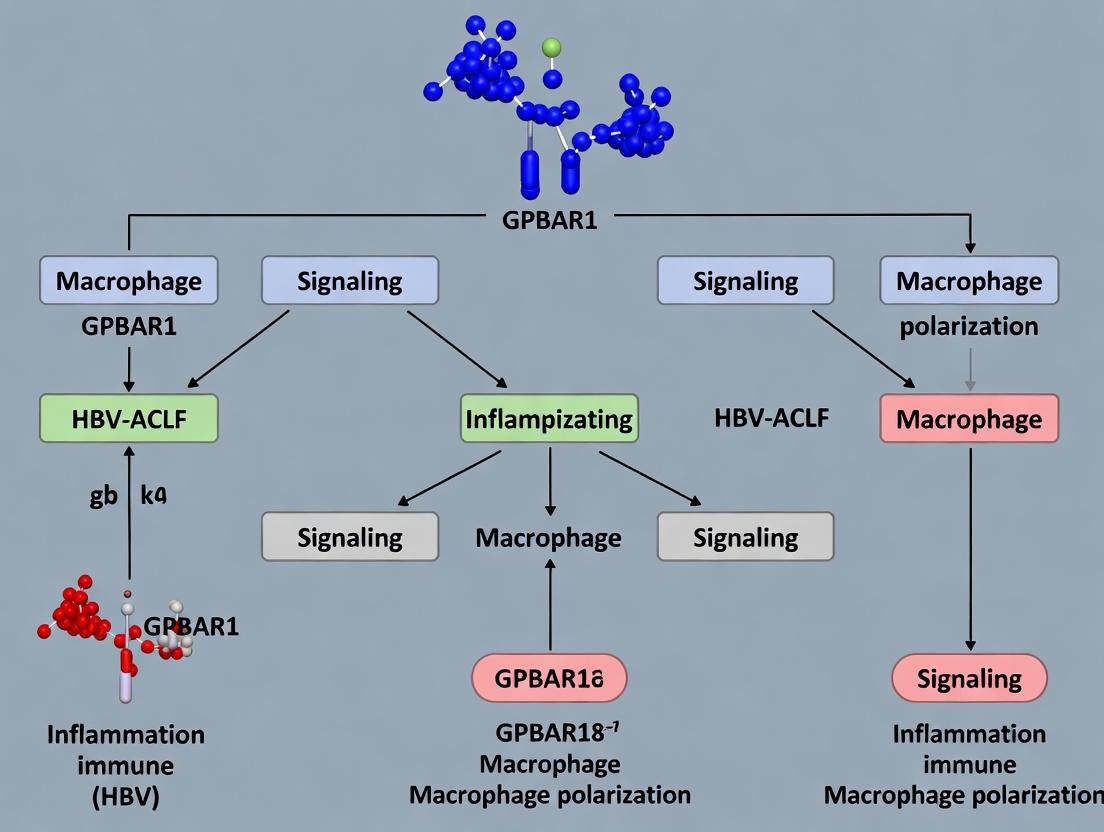
This comprehensive review analyzes the emerging role of G protein-coupled bile acid receptor 1 (GPBAR1/TGR5) signaling in regulating macrophage polarization and its critical impact on the immunopathogenesis of hepatitis B...
Targeting GPBAR1 Signaling to Reprogram Macrophage Polarization: A Novel Therapeutic Strategy for HBV-Associated Acute-on-Chronic Liver Failure
Abstract
This comprehensive review analyzes the emerging role of G protein-coupled bile acid receptor 1 (GPBAR1/TGR5) signaling in regulating macrophage polarization and its critical impact on the immunopathogenesis of hepatitis B virus-associated acute-on-chronic liver failure (HBV-ACLF). We explore the foundational mechanisms linking GPBAR1 activation to macrophage phenotype switching, detail current methodologies for studying this pathway, address common challenges in experimental models, and critically evaluate therapeutic validation approaches. By synthesizing recent preclinical and clinical evidence, we highlight GPBAR1 as a promising druggable target for modulating the inflammatory microenvironment in HBV-ACLF, offering insights for researchers and drug developers focused on immunomodulatory liver therapies.
Decoding the GPBAR1-Macrophage Axis: Core Mechanisms in HBV-ACLF Pathogenesis
This technical guide details the core aspects of GPBAR1 (G Protein-Coupled Bile Acid Receptor 1, also known as TGR5) in the liver, framed within a research thesis investigating its role in macrophage polarization and the pathogenesis of Hepatitis B virus-related Acute-on-Chronic Liver Failure (HBV-ACLF). Understanding GPBAR1's molecular architecture, cellular distribution, and ligand interactions in the hepatic milieu is fundamental to deciphering its immunomodulatory signaling in liver inflammation and failure.
Molecular Structure of GPBAR1
GPBAR1 is a Class A (Rhodopsin-like) G protein-coupled receptor (GPCR). Its canonical structure comprises seven transmembrane α-helices (TMs), an extracellular N-terminus, and an intracellular C-terminus. A distinguishing feature is its large, hydrophobic ligand-binding pocket located within the transmembrane domain, which accommodates bile acids and other ligands. Recent cryo-EM structures (e.g., PDB: 7CFM) reveal key residues for bile acid binding and the receptor's activation mechanism, involving outward movement of TM6.
Table 1: Key Structural Features of GPBAR1
| Feature | Description | Functional Implication |
|---|---|---|
| Protein Family | Class A (Rhodopsin-like) GPCR | Standard 7TM architecture. |
| Primary Ligands | Bile acids (e.g., TLCA, DCA) | Hydrophobic pocket binding. |
| Key Binding Residues | R80 (TM2), Y89 (TM2), Q77 (ECL1) | Ionic and hydrogen bonding with bile acid. |
| Signaling Coupling | Primarily Gαs, also β-arrestin | cAMP production upon activation. |
| Known Structures | PDB: 7CFM (Inactive), 7CKK (Active) | Reveal activation conformational changes. |
Expression in the Hepatic Milieu
GPBAR1 exhibits a cell-type-specific expression pattern within the liver, crucial for its role in HBV-ACLF macrophage polarization.
Table 2: GPBAR1 Expression in Major Liver Cell Types
| Cell Type | Expression Level | Primary Function in Context |
|---|---|---|
| Kupffer Cells / Macrophages | High | Key target for immunomodulation; activation polarizes towards anti-inflammatory M2 state. |
| Biliary Epithelial Cells (Cholangiocytes) | High | Regulates bile secretion, barrier function, and proliferation. |
| Sinusoidal Endothelial Cells | Moderate | Modulates vascular tone and inflammation. |
| Hepatocytes | Low/Very Low | Minor direct role; primary bile acid producers. |
| Hepatic Stellate Cells | Inducible (Low) | May influence fibrogenic responses upon activation. |
Endogenous Ligands in the Hepatic Milieu
Primary endogenous GPBAR1 ligands are bile acids, with potency determined by their hydrophobicity and conjugation state.
Table 3: Key Endogenous GPBAR1 Ligands and Potencies
| Ligand | Type | Relative Potency (EC₅₀ approx.) | Notes |
|---|---|---|---|
| Tauro-lithocholic acid (TLCA) | Primary bile acid conjugate | ~0.3 µM | Most potent natural agonist. |
| Lithocholic acid (LCA) | Primary bile acid | ~0.5-1.0 µM | Potent, but less soluble than conjugates. |
| Deoxycholic acid (DCA) | Secondary bile acid | ~1-5 µM | Major contributor in vivo. |
| Chenodeoxycholic acid (CDCA) | Primary bile acid | ~10-50 µM | Weak agonist. |
| Cholic acid (CA) | Primary bile acid | >100 µM | Very weak/negligible agonist. |
Experimental Protocols for Key Assays
5.1. Protocol: GPBAR1 Expression Analysis in Liver Mononuclear Cells (Flow Cytometry)
- Isolation: Perfuse and digest murine/human liver tissue with collagenase IV. Purify mononuclear cells via density gradient centrifugation (e.g., Percoll).
- Staining: Block Fc receptors. Stain cells with fluorescent antibody cocktails:
- Surface: Anti-CD45 (pan-leukocyte), Anti-F4/80 (macrophages), Anti-CD11b (myeloid cells).
- Intracellular GPBAR1: Fix and permeabilize cells using a commercial kit (e.g., Foxp3/Transcription Factor Staining Buffer Set). Stain with anti-GPBAR1 antibody (validated for intracellular epitope).
- Analysis: Acquire data on a flow cytometer. Gate on CD45⁺F4/80⁺CD11b⁺ cells to analyze GPBAR1 expression in hepatic macrophages.
5.2. Protocol: GPBAR1 Ligand Activity Assay (cAMP Accumulation)
- Cell Culture: Seed HEK293T cells stably expressing human GPBAR1 in a 96-well plate.
- Stimulation: Prepare serial dilutions of bile acids (TLCA, DCA, etc.) in assay buffer. Replace medium with ligand solutions. Incubate for 30 min at 37°C in the presence of a phosphodiesterase inhibitor (e.g., IBMX).
- Detection: Lyse cells and quantify intracellular cAMP using a commercial HTRF (Homogeneous Time-Resolved Fluorescence) or ELISA kit according to manufacturer instructions.
- Analysis: Generate dose-response curves and calculate EC₅₀ values using non-linear regression (GraphPad Prism).
5.3. Protocol: Assessing Macrophage Polarization In Vitro
- Differentiation: Differentiate human monocytic THP-1 cells into M0 macrophages using 100 ng/mL PMA for 48h.
- Polarization & Stimulation: Polarize towards M1 (LPS 100 ng/mL + IFN-γ 20 ng/mL) or M2 (IL-4 20 ng/mL) phenotypes. Co-treat with a GPBAR1 agonist (e.g., INT-777, 10 µM) or vehicle.
- Analysis: After 24-48h:
- qPCR: Extract RNA, synthesize cDNA, and measure marker gene expression (M1: TNFα, IL-1β; M2: ARG1, MRC1).
- Supernatant ELISA: Quantify secreted cytokines (e.g., TNF-α vs. IL-10).
Visualization: Signaling and Workflow Diagrams
Diagram 1: GPBAR1-cAMP Pathway in Macrophage Polarization (96 chars)
Diagram 2: GPBAR1 in HBV-ACLF Research Workflow (95 chars)
The Scientist's Toolkit: Key Research Reagents
Table 4: Essential Reagents for GPBAR1/HBV-ACLF Research
| Reagent/Category | Example Product (Supplier) | Function/Application |
|---|---|---|
| Selective GPBAR1 Agonists | INT-777 (Sigma, Tocris), BAR501 (in-house) | Tool for receptor activation in functional assays and in vivo models. |
| GPBAR1 Antagonists | SBI-115 (Tocris) | Tool for inhibiting receptor signaling to establish mechanism. |
| Validated Anti-GPBAR1 Antibodies | Rabbit mAb (clone D2T3H, CST) for IHC/IF; Polyclonal (Abcam) for WB. | Detection of receptor expression in tissues (IHC) or cell lysates (WB). |
| cAMP Detection Kits | HTRF cAMP Gs Dynamic Kit (Cisbio) | Gold-standard for measuring GPBAR1 activation (Gαs coupling). |
| Bile Acid Standards & ELISA/MS Kits | Bile Acid Quantification Kit (Mass Spectrometry-based, Cell Biolabs) | Quantification of endogenous ligand levels in serum/tissue. |
| Macrophage Polarization Inducers | PMA, LPS, IFN-γ, IL-4 (PeproTech) | To generate M1 and M2 macrophages for in vitro studies. |
| Flow Cytometry Antibodies (Mouse/Human) | Anti-mouse F4/80, CD11b, CD206; Anti-human CD14, CD163 (BioLegend) | Immunophenotyping of macrophage subsets from liver tissue. |
| HBV-ACLF In Vivo Models | HBV transgenic mice + LPS/GalN challenge; Humanized liver mouse models. | Preclinical models to study GPBAR1 modulation in a relevant pathophysiology. |
Macrophage polarization is a critical determinant of immune response and tissue homeostasis. Within the specific research context of GPBAR1 (G Protein-Coupled Bile Acid Receptor 1) signaling and its role in Hepatitis B Virus-related Acute-on-Chronic Liver Failure (HBV-ACLF), understanding the switch from M1 (pro-inflammatory) to M2 (anti-inflammatory) phenotypes is paramount. HBV-ACLF is characterized by a rapid deterioration of liver function, marked by intense systemic inflammation and high mortality. Recent research positions GPBAR1, a bile acid receptor, as a key immunomodulator in this setting. Bile acids, elevated in liver failure, can activate GPBAR1 on macrophages, potentially steering polarization towards the M2 phenotype, thereby dampening excessive inflammation and promoting tissue repair. This whitepaper delves into the molecular dynamics of this polarization, providing technical guidance for researchers investigating this pathway as a therapeutic target in HBV-ACLF.
Core Signaling Pathways in M1/M2 Polarization
Classical M1 Polarization Pathways
M1 polarization is typically induced by microbial products (e.g., LPS) and Th1 cytokines (e.g., IFN-γ). Key pathways include:
- TLR4/NF-κB: LPS binding to TLR4 activates MyD88-dependent signaling, leading to IκB kinase (IKK) complex activation, degradation of IκB, and nuclear translocation of NF-κB (p65/p50). This drives transcription of pro-inflammatory genes (TNF-α, IL-1β, IL-6, iNOS).
- JAK-STAT1: IFN-γ binding to its receptor activates JAK1 and JAK2, which phosphorylate STAT1. Phosphorylated STAT1 dimerizes and translocates to the nucleus to induce genes like IRF-1 and CIITA, reinforcing the M1 state.
Alternative M2 Polarization Pathways
M2 polarization is induced by Th2 cytokines (IL-4, IL-13), IL-10, and glucocorticoids. Key pathways include:
- IL-4R/JAK-STAT6: IL-4/IL-13 binding to their receptors activates JAK1/JAK3, leading to phosphorylation of STAT6. STAT6 dimers induce expression of M2 markers like Arg1, Fizz1, and Ym1.
- GPBAR1/cAMP/PKA: This pathway is of central interest in the HBV-ACLF thesis. Ligand (bile acid) binding to GPBAR1, a Gαs-coupled receptor, activates adenylate cyclase, increasing intracellular cAMP. cAMP activates Protein Kinase A (PKA), which can phosphorylate and inhibit NF-κB activity while promoting CREB-mediated transcription of anti-inflammatory genes, thus favoring M2 polarization.
GPBAR1-Centric Pathway in HBV-ACLF
In HBV-ACLF, elevated systemic bile acids activate macrophage GPBAR1. The subsequent cAMP/PKA signaling cascade exerts a dual effect: 1) it suppresses the pro-inflammatory NF-κB pathway, curtailing M1 cytokine storms, and 2) enhances anti-inflammatory and tissue-remodeling programs, promoting an M2-reparative environment. This shift is hypothesized to be a critical endogenous regulatory mechanism, and its pharmacological potentiation represents a promising therapeutic avenue.
Table 1: Key Cytokine and Marker Profiles of Polarized Macrophages
| Phenotype | Inducing Signals | Surface Markers | Secreted Cytokines/Chemokines | Functional Enzymes | Role in HBV-ACLF Context |
|---|---|---|---|---|---|
| M1 | LPS, IFN-γ, GM-CSF | CD80, CD86, MHC-II | TNF-α, IL-1β, IL-6, IL-12, CXCL9/10 | iNOS (NO production) | Drives hepatocyte injury, systemic inflammation, and progression of liver failure. |
| M2 | IL-4, IL-13, IL-10, Glucocorticoids, Bile Acids (via GPBAR1) | CD206, CD163, CD209 | IL-10, TGF-β, CCL17, CCL22 | Arginase-1 (polyamine production) | Promotes tissue repair, fibrosis, immune regulation; potential therapeutic target via GPBAR1. |
Table 2: Experimental Readouts for Assessing Polarization In Vitro
| Assay Type | Target/Marker | M1-Associated Signal | M2-Associated Signal | Common Detection Method |
|---|---|---|---|---|
| Gene Expression | Nos2 (iNOS) | High | Low/Negligible | qRT-PCR |
| Arg1 | Low | High | qRT-PCR | |
| Il1b, Tnf | High | Low | qRT-PCR | |
| Retnla (Fizz1) | Low | High | qRT-PCR | |
| Protein Secretion | TNF-α | High (pg/mL) | Low | ELISA |
| IL-10 | Low | High (pg/mL) | ELISA | |
| Functional Assay | Nitrite (NO) | High (μM) | Low | Griess Reagent |
| Urea (Arg1 activity) | Low | High (nmol/μg protein) | Colorimetric Assay | |
| Surface Marker | CD86 | High MFI | Low MFI | Flow Cytometry |
| CD206 | Low MFI | High MFI | Flow Cytometry |
Detailed Experimental Protocols
1In VitroMacrophage Polarization and GPBAR1 Modulation
Objective: To generate and characterize M1/M2 macrophages and test the effect of GPBAR1 agonists/antagonists. Materials: See "The Scientist's Toolkit" (Section 6). Protocol:
- Cell Isolation & Culture: Isolate primary bone marrow-derived macrophages (BMDMs) from C57BL/6 mice (or use immortalized macrophage lines like RAW 264.7). Culture BMDMs in complete DMEM with 10% FBS and 20% L929-conditioned medium (source of M-CSF) for 7 days to derive mature macrophages.
- Polarization:
- M1 Group: Stimulate cells with 100 ng/mL LPS + 20 ng/mL murine IFN-γ for 18-24 hours.
- M2 Group: Stimulate cells with 20 ng/mL murine IL-4 for 48 hours.
- GPBAR1 Modulation Group: Pre-treat cells for 1 hour with a GPBAR1 agonist (e.g., INT-777, 10-100 µM) or antagonist (e.g., GPBAR1-i, 10 µM), then add M1 or M2 stimuli as above.
- Sample Collection: Harvest cells for RNA/protein analysis. Collect supernatant for cytokine/NO assay.
Analysis of Polarization Status
A. Quantitative Real-Time PCR (qRT-PCR)
- Extract total RNA using TRIzol reagent. Determine concentration and purity (A260/A280 ~2.0).
- Synthesize cDNA using a reverse transcription kit with random hexamers.
- Prepare qPCR reactions with SYBR Green master mix, gene-specific primers (Nos2, Arg1, Tnf, Il10, Retnla, and housekeeping gene Actb).
- Run on a real-time PCR system. Analyze data using the 2^(-ΔΔCt) method to calculate relative gene expression.
B. Enzyme-Linked Immunosorbent Assay (ELISA)
- Follow manufacturer's protocol for mouse TNF-α and IL-10 ELISA kits.
- Briefly, add standards and samples to pre-coated plates. Incubate. Wash.
- Add biotinylated detection antibody, then streptavidin-HRP. Wash.
- Add substrate (TMB) solution. Stop reaction with stop solution.
- Measure absorbance at 450 nm. Generate standard curve and calculate cytokine concentrations.
C. Flow Cytometry for Surface Markers
- Harvest polarized macrophages using gentle cell scraping.
- Block Fc receptors with anti-CD16/32 antibody on ice for 10 min.
- Stain cells with fluorochrome-conjugated antibodies against CD86 (FITC) and CD206 (APC) or isotype controls in FACS buffer for 30 min on ice, protected from light.
- Wash cells twice, resuspend in buffer, and analyze on a flow cytometer. Use FlowJo software to determine Median Fluorescence Intensity (MFI).
In VivoAssessment in HBV-ACLF Models
Objective: To evaluate macrophage polarization states and the effect of GPBAR1 ligands in an HBV-ACLF animal model. Protocol Outline:
- Model Establishment: Use a stable HBV transgenic mouse model challenged with LPS/D-GalN or CCl4 to induce ACLF.
- Treatment: Administer a GPBAR1 agonist (INT-777, 30 mg/kg/day, i.p.) or vehicle control for a defined period pre- and post-ACLF induction.
- Tissue Analysis: At sacrifice, harvest liver and serum.
- Immunohistochemistry/Immunofluorescence: Stain liver sections for M1 (iNOS, CD86) and M2 (Arg1, CD206) markers. Co-staining with a general macrophage marker (F4/80) is essential.
- Liver Mononuclear Cell Isolation: Use density gradient centrifugation (e.g., Percoll) to isolate intrahepatic leukocytes for flow cytometry analysis (F4/80+CD86+ vs. F4/80+CD206+ populations).
- Serum Biochemistry: Measure ALT, AST, total bile acids.
- Cytokine Profiling: Use multiplex ELISA on serum to assess TNF-α, IL-6, IL-10 levels.
The Scientist's Toolkit: Key Research Reagent Solutions
Table 3: Essential Reagents for Macrophage Polarization & GPBAR1 Studies
| Category | Item/Reagent | Function & Brief Explanation | Example Vendor/Catalog |
|---|---|---|---|
| Cell Source | Bone Marrow (C57BL/6 mice) | Primary macrophages; most physiologically relevant. | In-house isolation |
| RAW 264.7 Cell Line | Immortalized murine macrophage line; consistent, high-throughput. | ATCC TIB-71 | |
| Polarization Cytokines | Recombinant Murine IFN-γ | Key inducer of M1 phenotype via JAK-STAT1. | PeproTech, 315-05 |
| Recombinant Murine IL-4 | Key inducer of M2 phenotype via JAK-STAT6. | PeproTech, 214-14 | |
| Ultrapure LPS (E. coli) | TLR4 agonist; potent M1 inducer. | InvivoGen, tlrl-3pelps | |
| GPBAR1 Modulators | INT-777 (6α-ethyl-23(S)-methyl-cholic acid) | Synthetic, potent, and selective GPBAR1 agonist. | Cayman Chemical, 16659 |
| TUDCA (Tauroursodeoxycholic acid) | Endogenous bile acid; weak GPBAR1 agonist, used as control. | MilliporeSigma, 580549 | |
| GPBAR1-i (Specific antagonist) | Validates GPBAR1-dependent effects by blocking receptor. | Tocris, 6974 | |
| Detection - Molecular | qRT-PCR Primers (mouse Nos2, Arg1, etc.) | Gold standard for quantifying polarization marker gene expression. | Designed via NCBI Primer-BLAST |
| SYBR Green Master Mix | Fluorescent dye for real-time PCR quantification. | Applied Biosystems, A25742 | |
| Detection - Protein | Mouse TNF-α & IL-10 ELISA Kits | Quantify secreted cytokine profiles from polarized cells. | BioLegend, 430904 & 431414 |
| Griess Reagent Kit | Measures nitrite concentration, a surrogate for iNOS/NO activity. | Thermo Fisher, G7921 | |
| Detection - Cellular | Anti-mouse CD86 (FITC) & CD206 (APC) | Antibodies for flow cytometric analysis of surface polarization markers. | BioLegend, 105006 & 141708 |
| Anti-mouse F4/80 (PE/Cy7) | Pan-macrophage marker for gating in flow cytometry. | BioLegend, 123114 | |
| Critical Assay Kits | Arginase Activity Assay Kit | Measures urea production to quantify Arg1 enzymatic activity (M2). | Sigma-Aldrich, MAK112 |
| cAMP ELISA Kit | Directly measures GPBAR1 pathway activation downstream. | Cayman Chemical, 581001 |
This whitepaper examines the immunopathogenesis of Hepatitis B virus-related acute-on-chronic liver failure (HBV-ACLF) with a specific focus on the dysregulated innate immune response and resultant cytokine storm. The discussion is framed within a broader research thesis investigating the role of G-protein coupled bile acid receptor 1 (GPBAR1 or TGR5) signaling in modulating macrophage polarization and its consequent impact on the trajectory of HBV-ACLF. Understanding this axis is critical for developing targeted immunomodulatory therapies.
Innate Immunity Dysregulation in HBV-ACLF
The progression from chronic HBV infection to ACLF is marked by a catastrophic failure of innate immune regulation. Pattern recognition receptors (PRRs) on Kupffer cells (liver-resident macrophages) and recruited monocytes sense viral PAMPs and DAMPs from necrotic hepatocytes, triggering excessive inflammation.
Key Innate Immune Players
- Kupffer Cells (KCs): Shift from a tolerogenic phenotype to pro-inflammatory (M1) polarization, producing TNF-α, IL-1β, IL-6.
- Monocyte-Derived Macrophages: Infiltrate the liver in large numbers and exacerbate inflammation.
- Neutrophils: Contribute to oxidative burst and tissue damage via NETosis.
- Natural Killer (NK) & NKT Cells: Exhibit enhanced cytotoxicity against HBV-infected hepatocytes, promoting fulminant apoptosis.
The GPBAR1 Thesis Link: Activation of GPBAR1 by elevated bile acids in ACLF is hypothesized to modulate this process. While GPBAR1 signaling is generally anti-inflammatory, in the context of HBV-ACLF, its dysfunction or altered signaling may fail to restrain M1 polarization, thereby fueling the cytokine storm.
The Cytokine Storm: Core Mediators and Quantification
The cytokine storm is a self-perpetuating cycle of uncontrolled pro-inflammatory cytokine and chemokine release. Recent clinical studies provide quantitative data on key mediators.
Table 1: Serum Cytokine Profiles in HBV-ACLF Patients vs. Healthy Controls & CHB Patients
| Cytokine/Chemokine | HBV-ACLF Mean Level (pg/mL) ± SD | Chronic HBV (CHB) Mean Level (pg/mL) ± SD | Healthy Control Mean Level (pg/mL) ± SD | Primary Cellular Source | Principal Role in Pathogenesis |
|---|---|---|---|---|---|
| TNF-α | 285.4 ± 45.2 | 18.3 ± 5.1 | <5.0 | Macrophages (M1), T cells | Induces hepatocyte apoptosis via caspase activation. |
| IL-6 | 450.6 ± 120.7 | 35.2 ± 8.9 | 8.1 ± 2.5 | Macrophages, Dendritic cells | Drives acute phase response, fever, promotes Th17 differentiation. |
| IL-1β | 95.8 ± 22.4 | 12.1 ± 3.3 | <2.0 | Inflammasome-activated Macrophages | Pyroptosis, endothelial activation, amplifies IL-6 & TNF-α. |
| IL-18 | 800.3 ± 150.5 | 250.5 ± 45.6 | 150.0 ± 30.2 | Inflammasome-activated KCs | Synergizes with IL-12 to enhance IFN-γ production. |
| IL-8 (CXCL8) | 320.5 ± 75.8 | 45.6 ± 12.3 | <10.0 | Macrophages, Hepatocytes | Potent neutrophil chemoattractant and activator. |
| MCP-1 (CCL2) | 1200.5 ± 300.2 | 180.4 ± 40.5 | 80.2 ± 20.1 | Macrophages, Stellate cells | Recruits CCR2+ monocytes from bone marrow to liver. |
| IFN-γ | 150.7 ± 35.6 | 25.8 ± 7.4 | <15.0 | NK cells, NKT cells, Th1 cells | Activates macrophages, enhances antigen presentation. |
Experimental Protocols for Key Investigations
Protocol:In VitroModeling of GPBAR1 Modulation on Macrophage Polarization
Aim: To assess the effect of GPBAR1 agonism/antagonism on the polarization of human monocyte-derived macrophages (HMDMs) in an HBV-ACLF mimic milieu.
- Cell Isolation & Culture: Isolate CD14+ monocytes from healthy donor PBMCs using magnetic-activated cell sorting (MACS). Differentiate into M0 macrophages with 50 ng/mL M-CSF for 6 days.
- Polarization & Treatment: Polarize cells for 48 hours:
- M1 control: LPS (100 ng/mL) + IFN-γ (20 ng/mL).
- ACLF Mimic: Add HBV serum (HBsAg+, HBeAg+) from ACLF patients (5% v/v) to M1 cocktail.
- Test Groups: ACLF Mimic + GPBAR1 agonist (INT-777, 10µM) or antagonist (SBI-115, 20µM).
- Analysis:
- Flow Cytometry: Surface markers (CD80, CD86 for M1; CD206, CD163 for M2).
- qPCR: Gene expression of TNF, IL6, IL1B, ARG1, MRC1.
- ELISA: Supernatant levels of TNF-α, IL-6, IL-10.
Protocol: Measuring Cytokine Storm Components in Patient Serum
Aim: To quantify the cytokine storm profile for prognostic stratification.
- Sample Collection: Collect serum from HBV-ACLF patients (diagnosed per APASL criteria), CHB patients, and healthy controls. Process within 2 hours; store at -80°C.
- Multiplex Immunoassay: Use a validated, high-sensitivity human cytokine 30-plex Luminex bead-based panel.
- Data Normalization: Normalize data using internal assay controls and a standard curve for each analyte. Perform log-transformation for statistical analysis.
Signaling Pathways and Experimental Workflows
Diagram 1: Innate immunity and GPBAR1 modulation in HBV-ACLF.
Diagram 2: Workflow for studying GPBAR1 in macrophage polarization.
The Scientist's Toolkit: Key Research Reagent Solutions
Table 2: Essential Reagents for HBV-ACLF Innate Immunity Research
| Reagent / Material | Supplier Examples | Function in Research | Application Note |
|---|---|---|---|
| Human CD14 MicroBeads (UltraPure) | Miltenyi Biotec, STEMCELL Tech. | High-purity positive selection of monocytes for in vitro macrophage differentiation. | Critical for generating consistent, contaminant-free HMDM cultures. |
| Recombinant Human M-CSF & GM-CSF | PeproTech, R&D Systems | Differentiation and survival factor for generating M0 macrophages from monocytes. | M-CSF preferentially yields macrophages amenable to polarization studies. |
| GPBAR1/TGR5 Agonists (INT-777) & Antagonists (SBI-115) | Cayman Chemical, Tocris, Sigma | Pharmacological tools to selectively activate or inhibit GPBAR1 signaling in vitro and in vivo. | Dose-response validation is required for specific cell types. |
| Luminex Human Cytokine 30-Plex Panel | Thermo Fisher, R&D Systems, Bio-Rad | Simultaneous quantification of a broad panel of cytokines/chemokines from small serum volumes. | Gold standard for profiling cytokine storms; requires specialized analyzer. |
| Phospho-Specific Antibodies (p-NF-κB, p-STAT1, p-STAT3) | Cell Signaling Tech. | Detect activation of key signaling pathways downstream of PRRs and cytokine receptors via Western Blot/Flow Cytometry. | Indicates real-time intracellular signaling activity. |
| HBV-ACLF Patient Serum Pools | Biorepositories, Hospital Collaborations | Provides pathologically relevant DAMPs, PAMPs, and cytokines to create an in vitro ACLF mimic. | Must be ethically sourced, characterized for HBV markers, and heat-inactivated. |
| NLRP3 Inflammasome Inhibitor (MCC950) | InvivoGen, MedChemExpress | Specifically inhibits NLRP3 inflammasome assembly, a key driver of IL-1β/IL-18 maturation. | Tool to dissect the contribution of the inflammasome to the cytokine storm. |
This technical guide explores the intricate molecular crosstalk orchestrated by the G protein-coupled bile acid receptor 1 (GPBAR1, also known as TGR5) in modulating key inflammatory pathways: NF-κB, STAT family proteins, and the NLRP3 inflammasome. Framed within the context of macrophage polarization and its critical role in Hepatitis B virus-related Acute-on-Chronic Liver Failure (HBV-ACLF), this review synthesizes current mechanistic insights and experimental evidence. The dysregulation of these pathways contributes to the cytokine storm and immune paralysis characteristic of HBV-ACLF, positioning GPBAR1 as a pivotal therapeutic target for immune modulation.
HBV-ACLF is characterized by a rapid deterioration of liver function in patients with chronic HBV infection, driven by a systemic inflammatory response and immune dysfunction. Macrophages, particularly hepatic macrophages (Kupffer cells), are central players. Their polarization state—classically pro-inflammatory (M1) or alternatively anti-inflammatory (M2)—dictates disease progression. GPBAR1, a bile acid receptor highly expressed on macrophages, emerges as a key regulator of this polarization by integrating signals from the altered bile acid pool in liver failure to fine-tune the NF-κB, STAT, and NLRP3 pathways.
Core Signaling Pathways: Mechanisms of Modulation
GPBAR1 Signaling Primer
Upon activation by bile acids (e.g., taurolithocholic acid, TLCA), GPBAR1, a Gαs-coupled receptor, triggers cAMP production. This canonical pathway leads to Protein Kinase A (PKA) activation, which serves as the primary node for cross-pathway modulation.
Suppression of the NF-κB Pathway
GPBAR1 activation exerts a potent anti-inflammatory effect by inhibiting NF-κB-driven transcription of cytokines (TNF-α, IL-1β, IL-6).
- Mechanism: PKA phosphorylates the p65 subunit at Serine 276, disrupting its coactivator binding and promoting association with the inhibitory protein IκBα. PKA also phosphorylates and inactivates IκB kinase (IKK).
- Outcome: Reduced nuclear translocation of p65 and dampened expression of pro-inflammatory genes.
Modulation of STAT Signaling Network
GPBAR1 signaling differentially modulates STAT proteins to steer macrophage polarization.
- STAT1/STAT3 Balance: cAMP/PKA signaling inhibits IFN-γ-induced JAK-STAT1 activation (pro-M1), while it potentiates IL-10-induced JAK-STAT3 activation (pro-M2). This shift promotes an M2-like, tissue-reparative phenotype.
- STAT6 Synergy: GPBAR1 activation can synergize with IL-4/IL-13 signaling to enhance STAT6 phosphorylation, further reinforcing M2 polarization.
Inhibition of the NLRP3 Inflammasome
The NLRP3 inflammasome, responsible for caspase-1 activation and IL-1β/IL-18 maturation, is a key target.
- Mechanism 1 (Transcriptional): Via NF-κB inhibition, GPBAR1 reduces the priming signal (NLRP3 and pro-IL-1β expression).
- Mechanism 2 (Post-Translational): cAMP/PKA directly phosphorylates NLRP3 at Serine 291 (mouse) or analogous sites, preventing its oligomerization and ASC speck formation. PKA also promotes autophagy, which clears damaged mitochondria (mtROS) and thus removes a potent NLRP3 activator.
Pathway Visualization
Diagram 1: GPBAR1 Signaling Crosstalk Core (100 chars)
Table 1: Key Quantitative Findings in Macrophage/ACLF Models
| Pathway/Effector | Experimental System | GPBAR1 Agonist | Key Quantitative Change | Reference (Example) |
|---|---|---|---|---|
| NF-κB Activity | LPS-stimulated RAW264.7 | INT-777 | ↓ p65 nuclear translocation by ~70% | Pols et al., 2017 |
| Cytokine Secretion | Human ACLF PBMC-derived Macrophages | BAR501 | ↓ TNF-α by 60%, ↓ IL-6 by 55% | Carino et al., 2021 |
| STAT Phosphorylation | IL-10 treated BMDM | TLCA | ↑ p-STAT3 by 3.5-fold | Wang et al., 2019 |
| NLRP3 Inflammasome | ATP+LPS in BMDM | INT-777 | ↓ Caspase-1 activity by 80%, ↓ IL-1β by 75% | Guo et al., 2016 |
| M1/M2 Markers | HBV-ACLF mouse model | INT-767 | ↓ iNOS (M1) mRNA by 65%, ↑ Arg1 (M2) mRNA by 4-fold | Biagioli et al., 2021 |
| Macrophage Phagocytosis | Human Kupffer cells | Oleanolic Acid | ↑ Phagocytic index by 2.1-fold | Li et al., 2020 |
Table 2: Impact on HBV-ACLF Clinical/Animal Model Parameters
| Parameter Measured | Model | GPBAR1 Modulation | Observed Effect (%) | Notes |
|---|---|---|---|---|
| Serum ALT/AST | Mouse ACLF (CCl4+TNF-α) | Agonist (INT-777) | ↓ 50-60% | Reduction in hepatocyte damage |
| MELD Score | Ex-vivo human serum | Agonist (BAR501) | Improves predicted score | Inflammatory cytokine input |
| Histological Necrosis | Rat ACLF Model | Agonist | ↓ ~40% (Area) | H&E staining analysis |
| 7-Day Survival | Mouse ACLF Model | Agonist (INT-767) | ↑ from 20% to 60% | Significant improvement |
Detailed Experimental Protocols
Protocol: Assessing GPBAR1-Mediated NF-κB Inhibition in Macrophages
Objective: To quantify the effect of GPBAR1 agonism on LPS-induced NF-κB p65 nuclear translocation. Materials: RAW264.7 or primary BMDMs, GPBAR1 agonist (e.g., INT-777, 10µM), LPS (100 ng/ml), NF-κB inhibitor (e.g., BAY11-7082, positive control), cell fractionation kit, p65 antibody, Lamin B1 antibody, GAPDH antibody, Western blot apparatus. Procedure:
- Cell Treatment: Seed macrophages in 6-well plates. Pre-treat cells with agonist or vehicle for 1 hour, followed by LPS stimulation for 30 minutes (optimal for translocation).
- Cytoplasmic/Nuclear Fractionation: Use a commercial kit (e.g., NE-PER). Wash cells with PBS, then lyse with CER I buffer. Centrifuge (16,000 x g, 5 min). Save supernatant as cytoplasmic fraction. Resuspend pellet in NER buffer, vortex, ice, centrifuge. Save supernatant as nuclear fraction.
- Western Blot Analysis: Load 20-30 µg of protein per lane. Probe with anti-p65 (1:1000), anti-Lamin B1 (nuclear loading control, 1:2000), and anti-GAPDH (cytoplasmic loading control, 1:5000).
- Quantification: Densitometry analysis (ImageJ). Calculate nuclear/cytoplasmic p65 ratio normalized to loading controls. Express data as % inhibition relative to LPS-only group.
Protocol: Evaluating NLRP3 Inflammasome Inhibition
Objective: To measure GPBAR1 agonist effect on NLRP3 inflammasome-dependent IL-1β maturation. Materials: THP-1 cells differentiated with PMA (100 nM, 24h) or BMDMs, GPBAR1 agonist, LPS (Priming, 1µg/ml, 4h), ATP (5mM, 30 min) or Nigericin (10µM, 45 min) as NLRP3 activator, ELISA kits for pro-IL-1β and mature IL-1β, Caspase-1 activity assay kit (FLICA). Procedure:
- Cell Priming & Treatment: Differentiate THP-1 cells. Pre-treat with agonist during the final 1 hour of LPS priming.
- Inflammasome Activation: Add ATP/Nigericin to activate NLRP3. Collect cell culture supernatant post-activation.
- Analysis:
- Caspase-1 Activity: Use FLICA 660-YVAD probe. Add to cells before activation. Analyze by flow cytometry or fluorescence plate reader.
- IL-1β Secretion: Measure mature IL-1β in supernatant by ELISA. Compare to intracellular pro-IL-1β (from cell lysate) to assess processing efficiency.
- NLRP3 Phosphorylation: Perform immunoprecipitation of NLRP3 from cell lysates using specific antibody, followed by Western blot with anti-phosphoserine antibody.
The Scientist's Toolkit: Key Research Reagents
Table 3: Essential Reagents for Investigating GPBAR1 Crosstalk
| Reagent Category | Specific Example(s) | Function/Application | Key Provider(s) |
|---|---|---|---|
| GPBAR1 Agonists | INT-777, BAR501, Oleanolic Acid, TLCA | Activate GPBAR1 to study downstream effects; tool compounds for proof-of-concept. | Sigma-Aldrich, Cayman Chemical, Intercept Pharmaceuticals |
| GPBAR1 Antagonists | SBI-115, ML-221 | Inhibit receptor to confirm on-target effects in loss-of-function experiments. | Tocris, MedChemExpress |
| cAMP Modulators | Forskolin (AC activator), H-89 (PKA inhibitor) | To mimic or block the canonical GPBAR1-cAMP-PKA axis. | Sigma-Aldrich, Cell Signaling Tech |
| Pathway Reporter Cells | RAW-Blue ISG, THP1-Dual (NF-κB/IRF) | Stable reporter lines for high-throughput screening of NF-κB/STAT activity. | InvivoGen |
| Phospho-Specific Antibodies | Anti-p65 (Ser276), Anti-STAT3 (Tyr705), Anti-NLRP3 (Ser291) | Detect pathway-specific phosphorylation events modulated by PKA. | Cell Signaling Technology, Abcam |
| Cytokine ELISA Kits | Mouse/Human TNF-α, IL-6, IL-1β, IL-10 | Quantify secreted inflammatory mediators from cell culture or serum. | R&D Systems, BioLegend |
| NLRP3 Activators/Inhibitors | Nigericin, ATP; MCC950 (NLRP3 inhibitor) | To specifically activate/inhibit the NLRP3 inflammasome as experimental controls. | InvivoGen, Sigma-Aldrich |
| Macrophage Polarization Inducers | LPS + IFN-γ (M1); IL-4 + IL-13 (M2) | Generate defined macrophage phenotypes for studying GPBAR1's modulatory role. | PeproTech |
Diagram 2: Core Experimental Workflow (95 chars)
The molecular crosstalk where GPBAR1 signaling suppresses NF-κB and NLRP3 while favoring STAT3 activation creates a coherent immunomodulatory program that promotes macrophage repolarization from a pro-inflammatory M1 to a pro-resolutive M2 phenotype. In the context of HBV-ACLF, this shift can potentially blunt the cytokine storm, reduce hepatocyte pyroptosis, and promote tissue repair. Therefore, targeted GPBAR1 agonism represents a promising strategy for rebalancing the dysregulated immune response in ACLF, moving beyond mere symptom management to address underlying immunopathology. Future research must focus on liver-specific delivery systems and combination therapies with antiviral agents for maximal clinical benefit.
G protein-coupled bile acid receptor 1 (GPBAR1, also known as TGR5) is a pivotal sensor for secondary bile acids. Within the hepatic microenvironment, particularly in advanced liver diseases like Hepatitis B virus-related Acute-on-Chronic Liver Failure (HBV-ACLF), dysregulated bile acid (BA) pools directly modulate immune responses. The core thesis posits that BA-GPBAR1 signaling in hepatic macrophages (Kupffer cells) and recruited monocytes acts as a master rheostat, directing their polarization state. This polarization dictates the balance between pro-inflammatory/antimicrobial (M1-like) and anti-inflammatory/pro-fibrotic (M2-like) phenotypes, thereby critically influencing the trajectory of inflammation, hepatocyte death, and subsequent fibrogenesis in HBV-ACLF. Targeting this axis represents a promising therapeutic strategy to interrupt the vicious cycle of inflammation and fibrosis.
Molecular Mechanisms and Signaling Pathways
Core GPBAR1 Signaling in Macrophages: Upon binding by specific BAs (e.g., lithocholic acid, taurolithocholic acid), GPBAR1 activates intracellular cascades, predominantly via the Gαs subunit.
- Primary Pathway: Gαs stimulates adenylate cyclase (AC), elevating intracellular cyclic AMP (cAMP). cAMP activates Protein Kinase A (PKA), which phosphorylates and inactivates the NF-κB p65 subunit, suppressing pro-inflammatory cytokine (TNF-α, IL-1β, IL-6) transcription.
- Secondary Pathway: Elevated cAMP also activates the CREB transcription factor, promoting the transcription of anti-inflammatory genes.
- Metabolic Reprogramming: GPBAR1 signaling enhances oxidative phosphorylation, a metabolic shift supporting the M2-like anti-inflammatory phenotype.
Diagram Title: Core GPBAR1 Signaling Pathways in Macrophage Polarization (Max 760px)
Experimental Protocols for Key Findings
Protocol 1: Assessing GPBAR1-Mediated Macrophage Polarization In Vitro
- Objective: To determine the effect of BA-GPBAR1 signaling on human monocyte-derived macrophage (HMDM) phenotype.
- Method:
- Isolate CD14+ monocytes from human peripheral blood using magnetic-activated cell sorting (MACS).
- Differentiate into M0 macrophages with 50 ng/mL M-CSF for 6 days.
- Pre-treat cells with GPBAR1-specific agonist (INT-777, 10µM) or antagonist (SBI-115, 20µM) for 1 hour.
- Co-stimulate with LPS (100 ng/mL) and IFN-γ (20 ng/mL) to induce M1 polarization, or with IL-4 (20 ng/mL) to induce M2 polarization, for 24-48 hours.
- Analysis: Harvest cells for qPCR (markers: M1: TNF, IL6, IL1B; M2: ARG1, MRC1, IL10). Collect supernatant for cytokine ELISA. Perform flow cytometry for surface markers (CD80/86 for M1, CD206 for M2).
Protocol 2: In Vivo Role in Murine Liver Fibrosis Model
- Objective: To evaluate the impact of GPBAR1 modulation on inflammation and fibrosis in vivo.
- Method:
- Induce liver fibrosis in C57BL/6 mice via intraperitoneal injections of carbon tetrachloride (CCl₄, 0.5 µL/g body weight, mixed 1:3 in corn oil) twice weekly for 6 weeks.
- Treatment Groups: (n=8-10/group): i) Vehicle control, ii) CCl₄ only, iii) CCl₄ + INT-777 (5 mg/kg/day, oral gavage), iv) CCl₄ + GPBAR1 knockout (Tgr5⁻/⁻) or antagonist.
- Analysis: At endpoint, collect serum for ALT/AST and BA profiling. Harvest liver tissue. Part is fixed for H&E and Sirius Red/Picrosirius Red staining for fibrosis quantification. Part is homogenized for hydroxyproline assay. Perform immunofluorescence for F4/80 (macrophages), α-SMA (hepatic stellate cells), and CD206/ iNOS.
Protocol 3: Mechanistic Study in HBV-ACLF Patient Samples
- Objective: To correlate BA profile, GPBAR1 expression in macrophages, and clinical severity in HBV-ACLF.
- Method:
- Collect peripheral blood mononuclear cells (PBMCs) and plasma from HBV-ACLF patients (MELD score >20) and stable cirrhosis controls.
- Isulate CD14+ monocytes and differentiate into macrophages.
- BA Profiling: Quantify plasma BA species using liquid chromatography-tandem mass spectrometry (LC-MS/MS).
- Immunophenotyping: Perform flow cytometry on PBMCs or liver biopsy-derived immune cells (if available) using antibodies for CD14, CD68, GPBAR1, and polarization markers.
- Spatial Analysis: Perform multiplex immunofluorescence on liver sections with markers for GPBAR1, CD68, cytokeratin-19 (cholangiocytes), and α-SMA.
Table 1: Effects of GPBAR1 Agonism in Experimental Models
| Model System | Treatment | Key Inflammatory Readout | Change vs. Control | Key Fibrosis Readout | Change vs. Control | Source/Ref (Example) |
|---|---|---|---|---|---|---|
| HMDM + LPS | INT-777 (10µM) | TNF-α in supernatant | ↓ 65% | N/A | N/A | Wang et al., 2021 |
| Mouse (CCl₄) | INT-777 (5mg/kg) | Hepatic Il6 mRNA | ↓ 60% | Sirius Red Area (%) | ↓ 50% | Keitel et al., 2023 |
| Mouse (BDL) | Tgr5⁻/⁻ vs WT | Neutrophil Infiltration | ↑ 2.1-fold | Hepatic Hydroxyproline | ↑ 1.8-fold | Reich et al., 2022 |
| HBV-ACLF Patient Plasma | Disease vs. Control | Total Bile Acid (µM) | ↑ 5.8-fold | N/A | N/A | Li et al., 2023 |
Table 2: Correlation in HBV-ACLF Patient Cohorts
| Parameter Measured | Correlation with MELD Score | Correlation with M2/M1 Macrophage Ratio in Liver | Statistical Significance (p-value) |
|---|---|---|---|
| Plasma Conjugated LCA | Positive (r=0.72) | Negative (r=-0.68) | <0.001 |
| Monocyte GPBAR1 mRNA | Negative (r=-0.61) | Positive (r=0.58) | <0.01 |
| IL-10 / TNF-α Ratio in Plasma | Negative (r=-0.75) | Positive (r=0.80) | <0.001 |
The Scientist's Toolkit: Essential Research Reagents
| Research Reagent Solution | Function / Application | Example Product/Catalog # |
|---|---|---|
| GPBAR1/TGR5 Agonist | Tool compound to selectively activate GPBAR1 signaling in vitro and in vivo. | INT-777 (Tocris, cat # 3651) |
| GPBAR1/TGR5 Antagonist | Tool compound to inhibit receptor function for loss-of-function studies. | SBI-115 (MedChemExpress, cat # HY-112388) |
| Species-Specific GPBAR1 Antibodies | For detection of receptor expression via WB, IHC, flow cytometry. | Rabbit anti-TGR5/GPBAR1 for IHC (Abcam, cat # ab72608) |
| Human/Mouse Macrophage Polarization Antibody Panels | For phenotyping M1 vs. M2 states via flow cytometry. | BioLegend: CD80 (M1), CD206 (M2), CD86 (M1). |
| Bile Acid Profiling Kit | For quantitative analysis of BA species in serum, cells, or tissue. | Mass spectrometry-based kit (e.g., Biocrates Bile Acids Kit). |
| Hydroxyproline Assay Kit | Colorimetric quantification of collagen content in liver tissue. | Sigma-Aldrich (cat # MAK008) |
| Tgr5-Knockout Mouse Model | Gold-standard for in vivo loss-of-function studies. | C57BL/6-Tgr5 |
| Recombinant Human/Mouse Cytokines | For in vitro polarization of macrophages (M-CSF, GM-CSF, IFN-γ, IL-4, LPS). | PeproTech or R&D Systems. |
Integrated View in HBV-ACLF Pathogenesis
The proposed mechanistic interplay in HBV-ACLF can be visualized as follows:
Diagram Title: BA-GPBAR1 as a Rheostat in HBV-ACLF Pathogenesis (Max 760px)
Experimental Models and Techniques: Studying GPBAR1 in Macrophage Polarization for Drug Discovery
This whitepaper provides a technical comparison of in vitro macrophage models, framed within a thesis investigating the role of GPBAR1 (G Protein-Coupled Bile Acid Receptor 1) signaling in macrophage polarization during Hepatitis B virus-related Acute-on-Chronic Liver Failure (HBV-ACLF). Selecting an appropriate model is critical for elucidating mechanisms and screening therapeutic targets.
Model Comparison: Core Characteristics
Table 1: Fundamental Model Properties
| Property | Primary Human Macrophages | THP-1 Cell Line | U937 Cell Line |
|---|---|---|---|
| Origin | CD14+ monocytes from peripheral blood | Acute monocytic leukemia | Histiocytic lymphoma |
| Genetic Background | Genetically wild-type, donor-dependent | Cancerous, genetically homogeneous | Cancerous, genetically homogeneous |
| Proliferation | Terminally differentiated, non-dividing | Proliferative in suspension as monocytes | Proliferative in suspension as monocytes |
| Differentiation Agent | GM-CSF (M1-like) or M-CSF (M2-like) | Phorbol 12-myristate 13-acetate (PMA) | Phorbol 12-myristate 13-acetate (PMA) |
| Differentiation Time | 6-7 days with cytokines | 24-72 hours with PMA | 24-72 hours with PMA |
| Key Advantages | Physiologically relevant, full polarization spectrum | High yield, reproducible, amenable to genetic manipulation | High yield, reproducible |
| Key Limitations | Donor variability, limited lifespan, costly | Altered metabolism, PMA cytotoxicity, polarization blunted | Altered metabolism, PMA cytotoxicity, polarization blunted |
Table 2: Polarization Capabilities & GPBAR1 Relevance
| Aspect | Primary Human Macrophages | THP-1 | U937 |
|---|---|---|---|
| M1 (Classical) Markers (e.g., TNF-α, IL-6, CD80) | Strong, inducible response to LPS/IFN-γ | Inducible, but often attenuated vs. primary | Inducible, often weaker than THP-1 |
| M2 (Alternative) Markers (e.g., CD206, IL-10, ARG1) | Strong, inducible response to IL-4/IL-13 | Moderate induction; CD206 high basally | Variable induction |
| GPBAR1 Expression | Native, physiological expression levels | Reported, but levels may differ | Reported, but less characterized |
| Response to Bile Acids (GPBAR1 ligands) | Physiologic polarization shift (e.g., toward M2) | Can be studied; context-dependent | Less established for polarization studies |
| Suitability for HBV-ACLF Studies | High (mimics in vivo milieu) | Moderate (screening, mechanism) | Low-Moderate (preliminary screening) |
Experimental Protocols for Polarization Studies
Protocol 1: Generation and Polarization of Primary Human Macrophages
- Monocyte Isolation: Isolate CD14+ monocytes from human PBMCs using magnetic-activated cell sorting (MACS) or adherence selection.
- Differentiation: Culture monocytes in RPMI-1640 + 10% FBS supplemented with either:
- GM-CSF (50 ng/mL) for 6 days to generate M1-prone macrophages.
- M-CSF (50 ng/mL) for 6 days to generate M2-prone macrophages.
- Refresh media and cytokines on day 3.
- Polarization (Day 6): Stimulate differentiated macrophages for 24-48 hours.
- M1: LPS (100 ng/mL) + IFN-γ (20 ng/mL).
- M2: IL-4 (20 ng/mL) + IL-13 (20 ng/mL).
- GPBAR1 Stimulation: Co-treat with bile acids (e.g., TUDCA, 100-200 µM) or specific agonists (e.g., INT-777, 10 µM) during polarization.
- Analysis: Harvest for qPCR (marker genes), flow cytometry (surface markers), or ELISA (cytokine secretion).
Protocol 2: THP-1/U937 Differentiation, Polarization, and GPBAR1 Modulation
- Maintenance: Culture cells in RPMI-1640 + 10% FBS. Keep density between 2e5 and 1e6 cells/mL.
- Differentiation: Plate cells and treat with PMA.
- THP-1: 100 nM PMA for 24-48 hours. Wash and rest in PMA-free media for 24 hours.
- U937: 10-20 nM PMA for 48 hours. Wash and rest.
- Polarization & Treatment:
- M1-THP-1/U937: Stimulate with LPS (100 ng/mL) + IFN-γ (20 ng/mL) for 24-48h.
- M2-THP-1/U937: Stimulate with IL-4 (20 ng/mL) + IL-13 (20 ng/mL) for 24-48h.
- GPBAR1 Assay: Add GPBAR1 ligand (e.g., INT-777) simultaneously with polarizing cytokines. For inhibition, pre-treat with antagonist (e.g., GPTCA, 10 µM) for 1 hour.
- Analysis: Proceed with molecular and cellular analyses as for primary cells.
Signaling Pathways in GPBAR1-Mediated Polarization
Diagram Title: GPBAR1-cAMP Pathway Modulates Macrophage Fate
Experimental Workflow for Model Comparison
Diagram Title: Comparative Study Design Workflow
The Scientist's Toolkit: Key Research Reagent Solutions
Table 3: Essential Reagents for Macrophage Polarization Studies
| Reagent / Material | Function / Purpose | Example Product / Specification |
|---|---|---|
| Ficoll-Paque PLUS | Density gradient medium for PBMC isolation from whole blood. | Cytiva, #17144003 |
| CD14 MicroBeads (human) | Magnetic separation of monocytes from PBMCs for primary culture. | Miltenyi Biotec, #130-050-201 |
| Recombinant Human M-CSF | Differentiates monocytes into M2-prone macrophages. | PeproTech, #300-25, >95% purity |
| Recombinant Human GM-CSF | Differentiates monocytes into M1-prone macrophages. | PeproTech, #300-03, >95% purity |
| Phorbol 12-Myristate 13-Acetate (PMA) | Differentiates THP-1/U937 monocytic cells into adherent macrophage-like cells. | Sigma-Aldrich, #P8139, ≥99% HPLC |
| GPBAR1/TGR5 Agonist (INT-777) | Selective synthetic agonist for activating GPBAR1 signaling pathways. | Tocris, #5108/10, ≥98% purity |
| Tauroursodeoxycholic Acid (TUDCA) | Natural bile acid and GPBAR1 ligand; used for physiological stimulation. | Sigma-Aldrich, #580549, ≥98% HPLC |
| Lipopolysaccharide (LPS) | Toll-like receptor 4 agonist used to induce classical M1 polarization. | Sigma-Aldrich, #L4391 (E. coli O111:B4) |
| Recombinant Human IL-4 & IL-13 | Cytokines used in combination to induce alternative M2 polarization. | PeproTech, #200-04 & #200-13 |
| Anti-human CD206 (MMR) Antibody | Flow cytometry detection of a canonical M2 macrophage surface marker. | BioLegend, #321102, APC conjugate |
Primary human macrophages offer superior physiological fidelity for definitive mechanistic studies on GPBAR1 in polarization, essential for translational HBV-ACLF research. THP-1 cells serve as a valuable high-throughput model for preliminary signaling studies and target screening, despite polarization nuances. The integrated use of both models, with protocols and reagents optimized for GPBAR1 investigation, provides a robust platform for advancing therapeutic strategies.
G protein-coupled bile acid receptor 1 (GPBAR1, also known as TGR5) is a key cell surface receptor for bile acids. Its role in immune modulation, particularly in macrophage polarization, has placed it at the forefront of research into Hepatitis B Virus-associated Acute-on-Chronic Liver Failure (HBV-ACLF). This condition is characterized by a rapid deterioration of liver function in patients with chronic HBV, where systemic inflammation and dysregulated immune responses drive high mortality. The polarization of macrophages towards a pro-inflammatory (M1) or anti-inflammatory/reparative (M2) phenotype critically influences disease progression. GPBAR1 activation in hepatic macrophages (Kupffer cells) and circulating monocytes has been shown to suppress the NF-κB/NLRP3 inflammasome pathway, promoting a shift towards an M2-like, anti-inflammatory state. This whitepaper details the pharmacological tools—specifically, synthetic agonists like INT-777 and BAR501, and emerging antagonists—that allow precise manipulation of this pathway for experimental and potential therapeutic intervention in HBV-ACLF research.
Key Pharmacological Agents: Agonists and Antagonists
Synthetic Agonists
INT-777 (6α-ethyl-23(S)-methylcholic acid): A semisynthetic, potent, and selective GPBAR1 agonist derived from cholic acid. It exhibits superior metabolic stability and receptor selectivity compared to endogenous ligands.
BAR501: A novel, non-bile acid steroidal agonist with high affinity and selectivity for GPBAR1. It is designed for enhanced pharmacokinetic properties and reduced potential for off-target effects.
Other Notable Agonists: PX20606, Oleanolic Acid (natural product).
Antagonists
SBI-115: A potent and selective small-molecule antagonist used to block GPBAR1 signaling, essential for establishing causality in functional studies.
Other Tools: Dexamethasone-linked BAR501 prodrugs represent a novel class of bifunctional agents designed for targeted delivery in inflammatory contexts.
Table 1: Pharmacological Profile of Key GPBAR1 Ligands
| Compound | Type | EC50 / IC50 (nM)* | Selectivity (vs. FXR, etc.) | Key Functional Outcome in Macrophages | Reference (Example) |
|---|---|---|---|---|---|
| INT-777 | Agonist | EC50: ~90-300 nM | >100-fold selective vs. FXR | Inhibits NLRP3 inflammasome, induces IL-10, promotes M2 polarization | Carino et al., 2017 |
| BAR501 | Agonist | EC50: ~50 nM | High selectivity reported | Attenuates pro-inflammatory cytokine release (TNF-α, IL-1β) | Biagioli et al., 2017 |
| SBI-115 | Antagonist | IC50: ~100-200 nM | Selective | Blocks agonist-induced cAMP production, reverses anti-inflammatory effects | Hodge et al., 2020 |
| Lithocholic Acid | Endogenous Agonist | EC50: ~1000 nM | Low | Modest anti-inflammatory effects | Kawamata et al., 2003 |
*Values are approximate and can vary based on assay system.
Table 2: In Vivo Effects in Preclinical Models of Liver Injury
| Compound | Model (e.g., ACLF, Fibrosis) | Dose & Route | Key Results (vs. Vehicle) | Proposed Mechanism in HBV-ACLF Context |
|---|---|---|---|---|
| INT-777 | BDL + LPS-induced ACLF | 30 mg/kg/day, i.p. | ↓ Mortality, ↓ ALT/AST, ↓ Hepatic TNF-α/IL-1β, ↑ M2 markers | GPBAR1-mediated shift in Kupffer cell polarization |
| BAR501 | CCl4-induced Fibrosis + Inflammation | 10 mg/kg/day, oral | ↓ Fibrosis area, ↓ Collagen deposition, ↓ Inflammatory infiltrate | Inhibition of pro-fibrotic and pro-inflammatory macrophage activity |
| SBI-115 | ConA-induced Hepatitis (w/ Agonist) | 10 mg/kg, i.p. | Abolishes protective effect of co-administered agonist | Confirms GPBAR1-specific pathway in hepatoprotection |
Core Signaling Pathways and Experimental Workflows
GPBAR1 Signaling in Macrophage Polarization
Diagram 1: GPBAR1 signaling cascade in macrophage polarization.
Experimental Workflow for HBV-ACLF Research
Diagram 2: Experimental workflow for GPBAR1 research in HBV-ACLF.
Detailed Experimental Protocols
Protocol: Assessing GPBAR1-Mediated Macrophage Polarization In Vitro
Objective: To evaluate the effect of INT-777 or BAR501 on the polarization state of human macrophages.
Materials: See "Scientist's Toolkit" below.
Method:
- THP-1 Cell Differentiation: Seed THP-1 monocytes in 12-well plates at 2x10^5 cells/mL. Treat with 100 nM Phorbol 12-myristate 13-acetate (PMA) for 48 hours to differentiate into adherent macrophage-like cells. Rest cells in fresh RPMI-1640 medium for 24 hours.
- Polarization and GPBAR1 Modulation:
- M0 Control: Medium only.
- M1 Control: Stimulate with 100 ng/mL LPS + 20 ng/mL IFN-γ for 24 hours.
- Treatment Groups: Co-treat M1-stimulated cells with GPBAR1 agonist (INT-777 or BAR501, 1-10 µM) or antagonist (SBI-115, 5 µM) for 24 hours. Include an antagonist + agonist group to confirm on-target effect.
- RNA Extraction and qPCR: Lyse cells in TRIzol. Isolve total RNA, synthesize cDNA. Perform qPCR using SYBR Green master mix.
- Primer Targets: M1 (TNF-α, IL-1β, IL-6), M2 (IL-10, ARG1, CD206), housekeeping (GAPDH, β-actin).
- Analysis: Calculate relative gene expression via 2^(-ΔΔCt) method.
- Supernatant Analysis: Collect culture supernatants. Quantify secreted TNF-α and IL-10 using commercial ELISA kits per manufacturer's instructions.
Protocol: In Vivo Efficacy in a Rodent Model of HBV-ACLF
Objective: To test the hepatoprotective effect of BAR501 in a murine model combining chronic HBV infection with acute insult.
Method:
- Model Induction: Use stable HBV-transgenic mice or mice with hydrodynamic injection-based HBV persistence. Induce acute-on-chronic liver failure by intraperitoneal (i.p.) injection of D-GalN (700 mg/kg) and LPS (10 µg/kg).
- Drug Administration: Randomize mice into groups (n=8-10).
- Vehicle Control: Oral gavage of vehicle (e.g., 0.5% methylcellulose).
- BAR501 Group: Oral gavage of BAR501 (10 mg/kg/day) for 5 days prior to and at the time of D-GalN/LPS challenge.
- Positive Control Group: Possible standard of care (e.g., Entecavir).
- Monitoring & Sample Collection: Monitor survival for 24-48 hours. At sacrifice (e.g., 6h post-insult for cytokine peaks), collect blood and liver tissue.
- Analysis:
- Serum Biochemistry: Measure ALT and AST levels using an automated analyzer.
- Histopathology: Fix liver sections in formalin, embed in paraffin, stain with H&E. Score necrosis and inflammation.
- Immune Profiling: Isolate liver non-parenchymal cells via collagenase perfusion and density gradient centrifugation. Analyze macrophage subsets (F4/80^+CD11b^+) and polarization markers (CD86 for M1, CD206 for M2) by flow cytometry.
The Scientist's Toolkit: Essential Research Reagents
Table 3: Key Reagents for GPBAR1 Macrophage Research
| Reagent Category | Specific Item | Function & Rationale |
|---|---|---|
| Cell Lines & Primary Cells | THP-1 human monocytic cell line | Standardizable model for monocyte-to-macrophage differentiation and polarization studies. |
| Primary murine/human Kupffer cells | Gold standard for liver-specific macrophage biology. Isolated via liver perfusion and density gradients. | |
| Key Agonists | INT-777 (Tocris, #3992) | Well-characterized, selective GPBAR1 agonist for proof-of-concept studies. |
| BAR501 (Custom synthesis/Cayman) | Novel agonist with potential optimized pharmacokinetic profile. | |
| Key Antagonists | SBI-115 (Sigma-Aldrich, #SML2107) | Essential pharmacological tool for confirming on-target effects of agonists. |
| Polarization Inducers | Lipopolysaccharide (LPS) & IFN-γ | Classic combination to induce robust M1-polarized phenotype. |
| Assay Kits | cAMP ELISA or HTRF Kit | Direct measurement of GPBAR1 activation downstream (cAMP accumulation). |
| Mouse/Rat TNF-α, IL-10 ELISA Kits | Quantify key inflammatory and anti-inflammatory cytokines from serum or supernatant. | |
| Antibodies for Flow Cytometry | Anti-mouse F4/80, CD11b, CD86, CD206 | Panel for identifying and phenotyping liver macrophage populations. |
| HBV-ACLF Model Reagents | D-Galactosamine (D-GalN) | Sensitizes hepatocytes to TNF-α-mediated apoptosis, synergizes with LPS to induce fulminant hepatitis. |
Within the broader research thesis investigating the role of GPBAR1 signaling in macrophage polarization and its impact on the progression of Hepatitis B virus-related Acute-on-Chronic Liver Failure (HBV-ACLF), precise and multi-modal assessment of macrophage states is paramount. This technical guide details three core, synergistic methodologies for assaying macrophage polarization.
Flow Cytometry for Surface and Intracellular Marker Analysis
Flow cytometry provides high-throughput, single-cell quantification of canonical polarization markers.
Key Experimental Protocol: Surface and Intracellular Staining for M1/M2 Markers
- Cell Preparation: Isolate hepatic mononuclear cells (e.g., via Percoll gradient centrifugation) or culture macrophages.
- Surface Staining: Resuspend cells in FACS buffer. Incubate with fluorochrome-conjugated antibodies against surface markers (see Table 1) for 30 min at 4°C in the dark. Wash.
- Fixation and Permeabilization: Use a commercial intracellular fixation/permeabilization buffer system. Fix cells for 20 min, then permeabilize for 15 min.
- Intracellular Staining: Incubate cells in permeabilization buffer with antibodies against intracellular markers (e.g., iNOS) for 30 min at 4°C in the dark. Wash.
- Acquisition & Analysis: Acquire data on a flow cytometer capable of detecting your fluorochrome panel. Use fluorescence-minus-one (FMO) controls for gating. Analyze using software (e.g., FlowJo) to determine the percentage of cells in specific subsets.
Table 1: Key Macrophage Polarization Markers for Flow Cytometry
| Polarization State | Surface Markers | Intracellular/Secreted Markers | Key Functional Role |
|---|---|---|---|
| Classical (M1) | CD80, CD86, HLA-DR | iNOS, TNF-α, IL-6, IL-1β | Pro-inflammatory, microbicidal |
| Alternative (M2) | CD163, CD206, CD209 | Arg1, IL-10, TGF-β, Ym1/2 | Immunoregulation, tissue repair |
| GPBAR1-Activated | (Under investigation: TGR5) | (Transcriptomic signature via RNA-seq) | Metabolic regulation, anti-inflammatory? |
Cytokine Profiling for Secretory Phenotype
Cytokine secretion profiles define macrophage functional output.
Key Experimental Protocol: Multiplex Bead-Based Immunoassay (Luminex)
- Sample Collection: Collect supernatant from ex vivo cultured hepatic macrophages or PBMCs stimulated with polarizing agents (e.g., LPS/IFN-γ for M1; IL-4/IL-13 for M2) and/or GPBAR1 ligands.
- Assay Setup: Select a pre-configured multiplex panel covering M1 (e.g., TNF-α, IL-12, IL-6) and M2 (e.g., IL-10, CCL17, CCL22) cytokines. Prepare standards and controls.
- Assay Run: Following manufacturer's instructions, incubate samples with antibody-coated magnetic beads. After washes, add biotinylated detection antibodies, followed by streptavidin-PE. Analyze on a Luminex analyzer.
- Data Analysis: Use instrument software to calculate cytokine concentrations from standard curves. Present data as mean concentration (pg/mL) ± SEM.
Table 2: Example Cytokine Secretion Profile (Hypothetical Data)
| Stimulus | TNF-α (pg/mL) | IL-12p70 (pg/mL) | IL-6 (pg/mL) | IL-10 (pg/mL) | CCL17 (pg/mL) |
|---|---|---|---|---|---|
| Unstimulated | 50 ± 12 | 15 ± 5 | 200 ± 45 | 80 ± 18 | 25 ± 8 |
| LPS + IFN-γ (M1) | 4250 ± 320 | 410 ± 35 | 3800 ± 290 | 120 ± 25 | 30 ± 10 |
| IL-4 + IL-13 (M2) | 65 ± 15 | 20 ± 6 | 250 ± 55 | 550 ± 65 | 480 ± 52 |
| GPBAR1 Agonist | 180 ± 42 | 25 ± 7 | 450 ± 78 | 720 ± 82 | 150 ± 32 |
Transcriptomic Analysis (RNA-seq) for Global Profiling
RNA sequencing offers an unbiased, genome-wide view of transcriptional changes driving polarization.
Key Experimental Protocol: Bulk RNA-seq Workflow
- Cell Sorting & RNA Extraction: FACS-sort specific macrophage subsets (e.g., CD11b+CD86+ vs. CD11b+CD206+) from liver tissue. Extract high-quality total RNA (RIN > 8.0).
- Library Preparation: Use a stranded mRNA-seq library prep kit. Poly-A select mRNA, fragment, synthesize cDNA, add adapters, and PCR amplify.
- Sequencing: Pool libraries and sequence on a platform (e.g., Illumina NovaSeq) to a minimum depth of 30 million paired-end reads per sample.
- Bioinformatic Analysis:
- Alignment & Quantification: Align reads to a reference genome (e.g., GRCh38) using STAR. Quantify gene counts with featureCounts.
- Differential Expression: Use DESeq2 or edgeR to identify genes differentially expressed (DE) between conditions (adj. p-value < 0.05, |log2FC| > 1).
- Pathway Analysis: Perform Gene Set Enrichment Analysis (GSEA) on DE lists using databases like Hallmark, KEGG, or a custom GPBAR1 signaling gene set.
Visualizations
Multi-Assay Workflow for Macrophage Profiling
Proposed GPBAR1 Signaling in Macrophage Polarization
The Scientist's Toolkit: Research Reagent Solutions
| Category | Item | Function in Assaying Polarization |
|---|---|---|
| Cell Isolation | Percoll or Lympholyte-M | Density gradient media for isolating hepatic mononuclear cells from liver tissue. |
| Flow Cytometry | Fluorescent Antibody Panels (anti-human: CD68, CD80, CD86, CD163, CD206, HLA-DR) | Define macrophage identity and polarization state via surface/intracellular protein detection. |
| Flow Cytometry | Fixation/Permeabilization Kit (e.g., Foxp3/Transcription Factor Staining Buffer Set) | Enables staining of intracellular targets (iNOS, cytokines) after surface staining. |
| Cytokine Profiling | Multiplex Bead Array Kits (e.g., Bio-Plex Pro Human Cytokine 27-plex) | Simultaneously quantify multiple inflammatory and regulatory cytokines from limited sample volumes. |
| Transcriptomics | RNA Stabilization Reagent (e.g., RNAlater) | Preserves RNA integrity in primary tissue samples prior to sorting and extraction. |
| Transcriptomics | FACS Sorter with 4+ Lasers | High-purity isolation of specific macrophage subsets for downstream RNA-seq. |
| Transcriptomics | Stranded mRNA-seq Library Prep Kit (e.g., Illumina TruSeq Stranded mRNA) | Generates sequencing libraries that preserve strand orientation for accurate transcript quantification. |
| GPBAR1 Research | Selective GPBAR1 Agonists (e.g, INT-777) / Antagonists (e.g., SBI-115) | Pharmacological tools to specifically activate or inhibit GPBAR1 signaling in functional assays. |
| Data Analysis | Bioinformatics Suites (e.g., Partek Flow, GenePattern) | Integrated platforms for RNA-seq alignment, quantification, differential expression, and pathway analysis. |
Research into acute-on-chronic liver failure (ACLF) in the context of chronic Hepatitis B Virus (HBV) infection demands robust preclinical models. This whitepaper details the establishment and application of a critical in vivo model: HBV transgenic mice challenged with ACLF-inducing agents like lipopolysaccharide (LPS) and D-galactosamine (D-GalN). This model is indispensable for investigating specific molecular pathways, notably the role of GPBAR1 (G protein-coupled bile acid receptor 1) signaling in macrophage polarization and its subsequent impact on HBV-ACLF progression. Understanding this axis within a physiologically relevant system is central to elucidating disease mechanisms and identifying novel therapeutic targets.
Model Rationale and Mechanism
HBV transgenic mice (e.g., HBV1.3 genome, HBV env pX) sustain replication and expression of viral antigens, mimicking the immune-tolerant chronic infection state. The subsequent administration of LPS/D-GalN triggers a robust, synchronized inflammatory and apoptotic response, precipitating ACLF.
- LPS: A Toll-like receptor 4 (TLR4) agonist, induces a systemic inflammatory cytokine storm (TNF-α, IL-6, IL-1β).
- D-GalN: A hepatocyte-specific transcriptional inhibitor, sensitizes hepatocytes to TNF-α-mediated apoptosis by depleting UTP pools. The combination in HBV carriers replicates the clinical "second hit" phenomenon, leading to massive hepatocyte death, liver failure, and high mortality, mirroring human HBV-ACLF.
Table 1: Phenotypic Outcomes in HBV-Tg vs. Wild-Type Mice Post LPS/D-GalN Challenge
| Parameter | Wild-Type (C57BL/6) + LPS/D-GalN | HBV Transgenic + LPS/D-GalN | Measurement Method | Significance (p-value) |
|---|---|---|---|---|
| Survival Rate (24h) | 20-40% | 0-20% | Kaplan-Meier analysis | < 0.01 |
| Serum ALT (U/L) | 1500-3000 | 3000-6000 | Biochemical assay | < 0.001 |
| Serum AST (U/L) | 1200-2500 | 2800-5000 | Biochemical assay | < 0.001 |
| Serum TNF-α (pg/ml) | 800-1500 | 1800-3500 | ELISA | < 0.001 |
| Hepatocyte Apoptosis (% TUNEL+) | 25-40% | 50-70% | TUNEL staining | < 0.01 |
| HBV DNA Load (log10 copies/ml) | N/A | ↑ 0.5-1.0 log | qPCR | < 0.05 |
Table 2: Impact of GPBAR1 Modulation on ACLF Outcomes in HBV-Tg Model
| Experimental Group | Survival Rate (24h) | Serum ALT (U/L) | Hepatic M1/M2 Macrophage Ratio | Serum IL-6 (pg/ml) |
|---|---|---|---|---|
| HBV-Tg + ACLF (Control) | 10% | 5200 ± 450 | 8.2 ± 1.5 | 950 ± 120 |
| + GPBAR1 Agonist (INT-777) | 60%* | 1800 ± 320* | 2.1 ± 0.6* | 320 ± 75* |
| + GPBAR1 Knockout/SiRNA | 0%* | 6800 ± 520* | 12.5 ± 2.1* | 1300 ± 150* |
Data are representative means; *p < 0.01 vs. Control.
Detailed Experimental Protocols
Protocol 1: Induction of ACLF in HBV Transgenic Mice
Objective: To establish the HBV-ACLF model for pathophysiological study or therapeutic intervention testing. Materials: 8-10 week old male HBV transgenic mice (strain-specific), age-matched wild-type controls, LPS (E. coli O55:B5), D-Galactosamine hydrochloride, sterile phosphate-buffered saline (PBS). Procedure:
- Preparation: Freshly prepare an LPS/D-GalN solution in sterile PBS. A standard dose is LPS at 5-10 µg/kg body weight and D-GalN at 400-800 mg/kg.
- Administration: Weigh mice and calculate individual injection volumes. Administer the LPS/D-GalN solution via a single intraperitoneal (i.p.) injection using a 1ml insulin syringe.
- Monitoring: Closely monitor mice every 2-4 hours for signs of distress (pilorection, hunched posture, lethargy). Pre-warm saline or sterile 5% glucose solution should be available for supportive subcutaneous injection if required per IACUC protocol.
- Endpoint Analysis: At a predetermined timepoint (e.g., 6h for cytokine peak, 12h for injury assessment) or upon reaching humane endpoints, euthanize mice. Collect blood via cardiac puncture for serum. Perfuse the liver with cold PBS via the portal vein, excise, and divide for: (a) snap-freezing in liquid N₂ for RNA/protein, (b) fixation in 4% PFA for histology, (c) immersion in RNAlater for transcriptomics.
Protocol 2: Evaluating GPBAR1-Macrophage Polarization Axis
Objective: To assess the effect of GPBAR1 signaling on hepatic macrophage polarization in the HBV-ACLF model. Materials: GPBAR1 agonist (e.g., INT-777) or antagonist, GPBAR1 knockout mice on HBV-Tg background, antibodies for FACS (CD45, F4/80, CD86, CD206), qPCR primers (iNOS, Arg1, TNF-α, IL-10). Procedure:
- Pre-treatment: Administer GPBAR1 modulator (e.g., INT-777 at 30 mg/kg, i.p.) or vehicle control 1 hour before LPS/D-GalN challenge.
- Liver Leukocyte Isolation (at 6-8h post-challenge):
- Anesthetize and perfuse liver with PBS.
- Mechanically dissociate liver tissue and digest with Collagenase IV/DNase I at 37°C for 30 min.
- Pass through a 70µm cell strainer, centrifuge, and resuspend in 40% Percoll.
- Layer over 70% Percoll and centrifuge at 800g for 20 min (no brake).
- Harvest the interface layer (leukocytes), wash, and lyse RBCs.
- Macrophage Analysis:
- Flow Cytometry: Stain cells with viability dye and surface antibodies: CD45⁺F4/80⁺ for total macrophages, then gate for M1 (CD86⁺) and M2 (CD206⁺) subsets.
- qPCR: Isolate RNA from liver tissue or sorted macrophages. Synthesize cDNA and perform qPCR for M1 (iNOS, TNF-α) and M2 (Arg1, IL-10) markers. Normalize to GAPDH.
Signaling Pathways and Workflow Diagrams
Title: GPBAR1 Signaling Inhibits LPS-Induced M1 Polarization and Apoptosis
Title: Experimental Workflow for HBV-ACLF Model Studies
The Scientist's Toolkit: Key Research Reagent Solutions
Table 3: Essential Reagents for HBV-ACLF Mouse Model Research
| Item | Function/Application | Example (Supplier) |
|---|---|---|
| HBV Transgenic Mice | Provides the chronic HBV background; expresses viral antigens and replicates genome. | HBV1.3 Tg (C57BL/6 background) |
| LPS (E. coli O55:B5) | TLR4 agonist; core component for inducing systemic inflammatory cascade. | Sigma-Aldrich (L2880) |
| D-Galactosamine HCl | Hepatocyte-specific sensitizer; synergizes with LPS/TNF-α to induce apoptosis. | Sigma-Aldrich (G0500) |
| GPBAR1 Agonist/Antagonist | Pharmacologically modulates the GPBAR1 signaling pathway in vivo. | INT-777 (Agonist, Tocris) |
| ALT/AST Assay Kit | Quantifies serum transaminases, key markers of hepatocellular injury. | Cayman Chemical |
| Mouse TNF-α/IL-6 ELISA Kit | Measures serum or hepatic cytokine levels to quantify inflammatory storm. | R&D Systems DuoSet ELISA |
| TUNEL Assay Kit | Detects apoptotic DNA fragmentation in liver tissue sections. | Roche In Situ Cell Death Kit |
| Anti-F4/80, CD86, CD206 | Antibodies for flow cytometric identification and polarization analysis of hepatic macrophages. | BioLegend |
| Collagenase Type IV | Enzyme for efficient dissociation of liver tissue for primary cell isolation. | Worthington Biochemical |
| Percoll Solution | Density gradient medium for purification of liver leukocytes. | Cytiva |
This whitepaper details a suite of advanced techniques central to investigating the role of the G protein-coupled bile acid receptor 1 (GPBAR1, also TGR5) in modulating macrophage polarization within the microenvironment of Hepatitis B virus-associated acute-on-chronic liver failure (HBV-ACLF). The overarching thesis posits that GPBAR1 signaling in hepatic macrophages (Kupffer cells) drives a specific anti-inflammatory or pro-regenerative polarization state, critically influencing disease progression and outcomes in HBV-ACLF. Validating this hypothesis requires a multi-modal approach: genetic perturbation of GPBAR1, genome-wide mapping of its direct transcriptional targets, and spatial resolution of resulting cellular phenotypes in complex liver tissue.
CRISPR/Cas9-MediatedGPBAR1Knockout in Macrophage Cell Lines
Objective: To generate isogenic macrophage cell lines (e.g., THP-1, U937, or primary human monocyte-derived macrophages) lacking GPBAR1 for functional studies on ligand-induced signaling and polarization.
Detailed Protocol:
- sgRNA Design & Cloning: Design two single-guide RNAs (sgRNAs) targeting early exons of the human GPBAR1 gene (TGR5). Clone sgRNA sequences into a lentiviral Cas9/sgRNA expression plasmid (e.g., lentiCRISPR v2).
- Example sgRNA target sequence (Exon 2): 5'-GACCTGCGGCTCAAGATCCA-3'
- Lentivirus Production: Co-transfect HEK293T cells with the sgRNA plasmid and packaging plasmids (psPAX2, pMD2.G). Harvest virus-containing supernatant at 48 and 72 hours.
- Macrophage Transduction & Selection: Transduce target macrophage cells with lentivirus in the presence of polybrene (8 µg/mL). Select transduced cells with puromycin (e.g., 2 µg/mL for THP-1) for 5-7 days.
- Clonal Isolation & Screening: Perform limiting dilution to isolate single-cell clones. Screen clones via:
- Genomic DNA PCR & Sequencing: Amplify the target region. Indel mutations confirmed by Sanger sequencing and TIDE analysis.
- Flow Cytometry: Using anti-GPBAR1 antibody.
- Functional Assay: Loss of cAMP response upon stimulation with GPBAR1 agonist (e.g., INT-777, 10 µM).
Table 1: Key Reagents for GPBAR1 CRISPR/Cas9 Knockout
| Reagent/Material | Function & Specification |
|---|---|
| lentiCRISPR v2 plasmid | All-in-one vector for expression of SpCas9, sgRNA, and puromycin resistance. |
| GPBAR1-targeting sgRNAs | Guides Cas9 nuclease to create double-strand breaks in the GPBAR1 locus. |
| HEK293T Cells | Packaging cell line for producing lentiviral particles. |
| psPAX2 & pMD2.G | Lentiviral packaging plasmids for viral particle assembly and envelope. |
| Polybrene | Cationic polymer enhancing viral transduction efficiency. |
| Puromycin Dihydrochloride | Selective antibiotic for eliminating non-transduced cells. |
| INT-777 (TGR5 agonist) | Tool compound for functional validation of GPBAR1 knockout via cAMP assay. |
Diagram 1: CRISPR/Cas9 knockout workflow for GPBAR1.
ChIP-seq for Mapping GPBAR1 Target Genes in Polarized Macrophages
Objective: To identify genomic loci directly bound by GPBAR1 (or its downstream transcription factors, e.g., CREB) in macrophages under polarization conditions (e.g., M2 vs. M1).
Detailed Protocol:
- Cell Culture & Treatment: Differentiate and polarize control and GPBAR1-KO macrophages. Treat with GPBAR1 ligand (INT-777, 10 µM) or vehicle for a defined period (e.g., 60 min).
- Crosslinking & Chromatin Preparation: Fix cells with 1% formaldehyde for 10 min. Quench with 125 mM glycine. Lyse cells and shear chromatin via sonication (Covaris S220) to 200-500 bp fragments.
- Immunoprecipitation: Incubate chromatin with antibody against target protein (e.g., anti-CREB pSer133, anti-RNA Pol II, or anti-GPBAR1 if suitable ChIP-grade antibody exists) or control IgG. Use Protein A/G magnetic beads for pull-down.
- Library Prep & Sequencing: Reverse crosslinks, purify DNA. Prepare sequencing libraries using a kit (e.g., NEBNext Ultra II DNA). Sequence on an Illumina platform (minimum 20 million reads/sample).
- Bioinformatics Analysis: Align reads to reference genome (hg38). Call peaks (MACS2). Perform differential binding analysis (DESeq2 on count matrices). Integrate with RNA-seq data.
Table 2: Quantitative ChIP-seq Metrics from a Representative Study
| Sample Condition | Total Reads | Aligned Reads (%) | Peaks Called | Significant Differential Peaks (vs. Vehicle) | Top Enriched Pathway (GO Analysis) |
|---|---|---|---|---|---|
| M2 Macrophage + Vehicle | 28,456,123 | 96.7% | 15,402 | - | - |
| M2 Macrophage + INT-777 | 30,112,885 | 97.1% | 18,957 | 1,245 (Up: 892, Down: 353) | Negative Regulation of Inflammatory Response |
| GPBAR1-KO M2 + INT-777 | 27,889,456 | 96.3% | 14,881 | 12 | N/A |
Diagram 2: Core steps in ChIP-seq experimental workflow.
Spatial Transcriptomics in HBV-ACLF Liver Tissue
Objective: To map the transcriptional landscape of macrophage polarization states within the spatial architecture of HBV-ACLF liver biopsies, correlating zones of inflammation, necrosis, and regeneration with GPBAR1 signaling activity.
Detailed Protocol (Using 10x Genomics Visium):
- Tissue Preparation: Obtain fresh-frozen human HBV-ACLF and control liver biopsies. Section at 10 µm thickness onto Visium Spatial Gene Expression slides. Perform H&E staining and imaging.
- Permeabilization Optimization: Determine optimal tissue permeabilization time using the Visium Tissue Optimization slide to maximize mRNA capture.
- On-Slide cDNA Synthesis: Permeabilize tissue to release RNA, which binds to spatially barcoded oligonucleotides on the slide. Perform reverse transcription to create spatially indexed cDNA.
- Library Construction & Sequencing: Amplify cDNA, construct sequencing libraries, and sequence on an Illumina NovaSeq (recommended 50,000 reads/spot).
- Data Integration: Align sequencing data to a reference genome and assign transcripts to spatial barcodes. Co-register with H&E image. Perform clustering and differential expression analysis (Seurat, Space Ranger). Overlay with GPBAR1 expression and macrophage (e.g., CD68, CD163) markers.
Table 3: Key Solutions for Spatial Transcriptomics
| Research Reagent Solution | Function in Experiment |
|---|---|
| Visium Spatial Gene Expression Slide | Glass slide with ~5,000 barcoded spots for capturing mRNA from overlying tissue. |
| Visium Tissue Optimization Kit | Determines optimal permeabilization time for specific tissue type (e.g., fibrotic liver). |
| Fresh-Frozen Tissue Sections | Preserves RNA integrity; critical for high-quality spatial data. |
| Hematoxylin and Eosin (H&E) Stain | Provides histological context for spatial data analysis and region annotation. |
| 10x Genomics Space Ranger | Pipeline for aligning sequencing data, barcode assignment, and generating spatial feature plots. |
| Anti-CD68/CD163 IHC/IF (adjacent section) | Validates macrophage identity and location in regions identified by spatial transcriptomics. |
Diagram 3: Spatial transcriptomics workflow for tissue.
The synergistic application of these techniques powerfully tests the core thesis. CRISPR/Cas9 knockout establishes causality, ChIP-seq delineates the direct transcriptional network, and spatial transcriptomics contextualizes findings within the pathologically relevant tissue architecture of HBV-ACLF. Quantitative data integration, as suggested in the tables, allows for robust validation. This multi-scale approach from in vitro genetics to in situ mapping provides a comprehensive framework for understanding GPBAR1's role in macrophage-driven liver pathology and identifying novel therapeutic targets.
Overcoming Challenges: Pitfalls and Optimization in GPBAR1-Macrophage Research
This technical guide examines the critical molecular and functional divergences between human and murine GPBAR1 (G Protein-Coupled Bile Acid Receptor 1, also known as TGR5). Understanding these differences is essential for the accurate translation of murine model data to human physiology, particularly within the context of our broader research thesis investigating GPBAR1-mediated macrophage polarization in Hepatitis B virus-associated Acute-on-Chronic Liver Failure (HBV-ACLF). Disparities in receptor signaling, ligand binding affinity, and downstream effector activation directly impact the interpretation of pre-clinical drug efficacy and the development of species-specific therapeutic agents.
Ligand Binding Affinity and Selectivity
Quantitative analyses reveal significant species-specific ligand affinity profiles for GPBAR1. The endogenous bile acid lithocholic acid (LCA) and its synthetic derivative INT-777 (6α-ethyl-23(S)-methylcholic acid) are commonly used reference agonists.
Table 1: Comparative Ligand Affinity (EC50/Ki) for Human vs. Murine GPBAR1
| Ligand | Human GPBAR1 EC50 (nM) | Murine GPBAR1 EC50 (nM) | Key Implication |
|---|---|---|---|
| Lithocholic Acid (LCA) | 900 - 1,200 | 400 - 600 | Murine receptor is ~2x more sensitive to LCA. |
| INT-777 | 90 - 130 | 70 - 100 | High potency in both, slightly higher in mouse. |
| Deoxycholic Acid (DCA) | 1,500 - 2,500 | 800 - 1,200 | Moderate agonist; murine affinity is higher. |
| Betulinic Acid | 3,200 | >10,000 | Selective human GPBAR1 agonist; inactive in mouse. |
| Compound 18 (Takeda) | 1.8 | 450 | Extreme human selectivity (>250-fold). |
Data synthesized from recent pharmacological screenings (2022-2024).
Experimental Protocol: cAMP Accumulation Assay for Ligand Potency (EC50) Determination
- Cell Preparation: Stably transfect HEK293 cells (lacking endogenous GPBAR1) with expression vectors for either human or murine GPBAR1.
- Assay Plate Setup: Seed cells into 96-well plates and culture until 90% confluence.
- Stimulation: Pre-incubate cells with phosphodiesterase inhibitor (e.g., IBMX, 0.5 mM) for 15 min. Then, stimulate with a serial dilution (e.g., 0.1 nM – 100 µM) of the test ligand for 30 minutes at 37°C.
- cAMP Detection: Lyse cells and quantify intracellular cAMP using a commercial HTRF (Homogeneous Time-Resolved Fluorescence) cAMP assay kit (e.g., Cisbio).
- Data Analysis: Normalize data to maximal forskolin response. Generate dose-response curves and calculate EC50 values using four-parameter logistic regression in software like GraphPad Prism.
Signaling Pathway Divergences
Upon activation, GPBAR1 primarily couples to the Gαs protein, leading to adenylate cyclase (AC) activation, cAMP production, and Protein Kinase A (PKA) activation. Key species differences lie in the efficiency of coupling and the subsequent engagement of secondary effectors like the NLRP3 inflammasome and cAMP-response element-binding protein (CREB).
Table 2: Key Signaling Output Differences
| Signaling Node | Human GPBAR1 Response | Murine GPBAR1 Response | Experimental Readout |
|---|---|---|---|
| cAMP Production | Robust, sustained | Robust, often more pronounced | HTRF/ELISA, BRET biosensor |
| PKA Activation | Strong, leads to CREB phosphorylation | Strong, but with distinct kinetics | Western blot (p-PKA substrates, p-CREB) |
| NLRP3 Inhibition | Potent, via PKA-mediated phosphorylation | Attenuated or differentially regulated | IL-1β release assay in primed macrophages |
| ERK1/2 Phosphorylation | Weak or secondary | Often more pronounced | Western blot (p-ERK1/2) |
| β-arrestin Recruitment | Low affinity | Higher affinity, may influence trafficking | BRET/FRET recruitment assay |
Title: Core Signaling Differences Between Human and Murine GPBAR1
Implications for Macrophage Polarization in HBV-ACLF Research
In the context of HBV-ACLF, macrophage polarization (M1 pro-inflammatory vs. M2 anti-inflammatory/resolving) is a critical determinant of disease progression. GPBAR1 agonism typically promotes an M2-like phenotype. Species differences directly affect experimental models:
- Translation Risk: A compound showing potent anti-inflammatory effects via murine GPBAR1 in a mouse ACLF model may fail in humans if it is a weak agonist for human GPBAR1 or if key anti-inflammatory pathways (e.g., NLRP3 inhibition) are less efficient.
- Model Selection: The use of humanized GPBAR1 transgenic mice or primary human macrophage systems is critical for validating therapeutic candidates.
- Pathway Focus: Research must prioritize verifying that candidate drugs activate the human-specific signaling nodes responsible for the desired immunomodulatory outcome in hepatic macrophages.
Experimental Protocol: Assessing GPBAR1-Mediated Macrophage Polarization
- Cell Differentiation: Differentiate human (from PBMCs) or murine (bone marrow) primary monocytes into M0 macrophages using M-CSF (50 ng/mL) for 7 days.
- Polarization & Treatment: Polarize macrophages towards an M1 state (e.g., with LPS + IFN-γ). Co-treat with a GPBAR1 agonist (e.g., INT-777) at its species-specific EC50.
- Phenotype Analysis:
- Surface Markers: Analyze by flow cytometry (human: CD80/CD86 for M1, CD206/CD163 for M2; mouse: CD38/CXCL10 for M1, Arg1/Mrc1 for M2).
- Cytokine Secretion: Quantify culture supernatants via ELISA/Cytometric Bead Array (e.g., TNF-α, IL-6 for M1; IL-10, TGF-β for M2).
- Gene Expression: Perform RT-qPCR for polarization markers.
- Signaling Validation: In parallel, assess pathway activation (p-CREB, cAMP) via Western blot or immunoassay to correlate phenotypic changes with receptor engagement.
Title: Research Translation Path from Mouse Models to Human HBV-ACLF
The Scientist's Toolkit: Key Research Reagent Solutions
Table 3: Essential Reagents for GPBAR1 Species Comparison Studies
| Reagent Category | Specific Example(s) | Function & Application | Key Consideration |
|---|---|---|---|
| Reference Agonists | INT-777, Lithocholic Acid (LCA) | Pan-species receptor activation; benchmark for potency assays. | Validate potency rank order in each species. |
| Species-Selective Agonists | Betulinic Acid, Compound 18 (Takeda) | Selective activation of human GPBAR1; critical for translational studies. | Confirm inactivity in murine systems. |
| GPBAR1 Antagonists | SBI-115 (proteasome-mediated), TRC210258 | Confirm on-target effects; define baseline signaling. | Check for equal potency across species. |
| cAMP Detection Kits | HTRF cAMP Dynamic 2 (Cisbio), AlphaScreen (PerkinElmer) | Quantify primary Gαs pathway activation. | Use same kit/platform for cross-species comparison. |
| Cell Lines | GPBAR1-HEK293 (human/murine), THP-1 (human monocyte), RAW 264.7 (mouse macrophage) | Stable overexpression for screening; physiologically relevant immune cell models. | Use isogenic lines differing only in GPBAR1 species. |
| Antibodies | Anti-GPBAR1 (extracellular), anti-p-CREB, anti-p-PKA substrate | Validate receptor expression, monitor downstream signaling. | Verify species cross-reactivity. |
| In Vivo Models | GPBAR1-/- mice, Human GPBAR1 Transgenic mice, Humanized Liver/Immune System mice | Establish in vivo relevance and human-specific pharmacology. | Model complexity must align with research question. |
This whitepaper details the critical technical challenges of obtaining and maintaining specific macrophage polarization states in vitro, framed within research investigating G-protein Bile Acid Receptor 1 (GPBAR1 or TGR5) signaling in macrophage polarization during Hepatitis B virus-associated Acute-on-Chronic Liver Failure (HBV-ACLF). The plasticity of macrophages and susceptibility of cultures to contaminating signals can confound studies aiming to delineate precise GPBAR1-mediated pathways. Mastery of these techniques is essential for generating reproducible, high-fidelity data in this therapeutic area.
Core Challenges: Contamination and Plasticity
Contamination Issues refer to unintended exogenous factors that alter the intended polarization state, including:
- Media Components: Lot-to-lot variability in fetal bovine serum (FBS), growth factors, and endotoxin levels.
- Non-Polarizing Cytokines: Baseline secretion from macrophages or residual from differentiation.
- Microbial Contaminants: Endotoxin (LPS) is a potent M1 inducer and a major confounder.
Plasticity Issues describe the inherent tendency of macrophages to switch phenotypes in response to new stimuli, complicating the study of stable polarization states or sequential signaling events, such as those initiated by GPBAR1 ligands in an HBV-ACLF milieu.
Table 1: Canonical Murine Macrophage Polarization Markers and Key Confounders
| Polarization State | Primary Inducing Signal | Key Surface Markers (Flow Cytometry) | Key Gene/Protein Markers (qPCR/Western) | Common Contaminants & Effects |
|---|---|---|---|---|
| M1 (Classical) | IFN-γ + LPS (or TNF-α) | CD80, CD86, MHC II | iNOS (NOS2), IL-1β, TNF-α, IL-6 | Endotoxin (LPS): Potent, low-level exposure skews M1. GM-CSF (residual): Primes for M1. IFN-γ from T-cells: In co-cultures. |
| M2a (Alternative) | IL-4 / IL-13 | CD206 (MMR), CD209 | Arg1, Ym1 (CHI3L3), Fizz1 (RETNLα) | IL-4/IL-13 Stability: Degrades in media. M-CSF (residual): Primes for M2. Serum批次: High TGF-β can skew. |
| M2b (Regulatory) | Immune Complexes + LPS | CD86, MHC II | IL-10, TNF-α, Spi-2A (SERPINB6) | LPS Dose Critical: Suboptimal dose fails to induce. |
| M2c (Deactivation) | IL-10 or Glucocorticoids | CD163, MerTK | Arg1, TGF-β, IL-10 | TGF-β in Serum: Variable levels alter baseline. Apoptotic Cells: Induce tolerogenic state. |
| GPBAR1-Activated | Bile Acids (TUDCA, DCA) or Agonists | GPBAR1 (TGR5), CD206 | IL-10, Arg1, TNF-α (context-dependent) | Bile Acid Purity: Contaminants activate FXR or others. Metabolic State: Glucose/lipid levels alter response. |
Table 2: Impact of Common Contaminants on Polarization Fidelity
| Contaminant | Typical Source | Effective Conc. for Skewing | Primary Effect on Polarization | Mitigation Strategy |
|---|---|---|---|---|
| Endotoxin (LPS) | Serum, media, plastics | >0.01 EU/mL | Strong M1 skew | Use endotoxin-free reagents, depyrogenation |
| Insulin/IGF-1 | Serum (FBS) | >10 ng/mL | Promotes M2-like state | Use defined, serum-free media or charcoal-stripped FBS |
| TGF-β | Serum, platelet degranulation | >0.1 ng/mL | Promotes M2c skew | Use neutralizing antibodies, specific inhibitors |
| IFN-γ | Residual from immune cell co-culture | >0.1 U/mL | Promotes M1 skew | Use transwells, validate supernatant |
| β-glucans | Cell culture contaminants | Variable | Alters Dectin-1 signaling | Use appropriate antifungal agents |
Detailed Experimental Protocols for High-Fidelity Polarization
Protocol: Primary Murine Bone Marrow-Derived Macrophage (BMDM) Generation & Polarization for GPBAR1 Studies
Objective: Generate contamination-free, non-polarized M0 macrophages suitable for subsequent polarization with GPBAR1 ligands.
Materials: See "The Scientist's Toolkit" below.
Procedure:
- Bone Marrow Harvest: Euthanize C57BL/6 mouse, sterilize limbs. Flush femur and tibia with cold, endotoxin-free PBS using a 25G needle.
- Erythrocyte Lysis: Resuspend cell pellet in 5 mL of ACK lysis buffer for 5 minutes at RT. Quench with 20 mL of PBS.
- Differentiation Culture: Plate cells in BMDM Growth Medium (RPMI-1640, 10% Endotoxin-free/Low-IgG FBS, 1% Pen/Strep, 30% L929-conditioned medium or 20 ng/mL recombinant M-CSF). Use tissue-culture treated plates.
- Density: 5-10 x 10^5 cells/mL.
- Culture for 7 days at 37°C, 5% CO2. Add fresh medium on Day 4.
- M0 Resting Phase (CRITICAL): On Day 7, detach cells (cold PBS + cell scraper). Re-plate for experiments in Polarization Base Medium (RPMI-1640, 1% Endotoxin-free/Low-IgG FBS, 1% Pen/Strep) for 18-24 hours. This depletes residual M-CSF.
- Polarization: Stimulate with polarization cocktails for 24-48 hours.
- M1 Control: 20 ng/mL murine IFN-γ + 100 ng/mL ultrapure LPS.
- M2a Control: 20 ng/mL murine IL-4.
- GPBAR1 Activation: 50-100 µM Tauroursodeoxycholic acid (TUDCA) or specific agonist (e.g., INT-777). Include FXR antagonist if bile acid purity is uncertain.
Protocol: Validating Polarization State and Detecting Contamination
Objective: Confirm intended phenotype and check for contaminant-driven skewing.
Procedure:
- Flow Cytometry for Surface Markers:
- Harvest macrophages (non-enzymatic detachment preferred).
- Block Fc receptors with anti-CD16/32 antibody for 15 min.
- Stain with fluorochrome-conjugated antibodies against CD80 (M1), CD206 (M2a), and GPBAR1 for 30 min on ice. Include isotype controls.
- Analyze. Successful M1: High CD80, low CD206. Successful M2a: High CD206.
- qPCR for Gene Expression:
- Extract RNA using a column-based kit with DNase I step.
- Synthesize cDNA.
- Run qPCR with primers for Nos2 (M1), Arg1 (M2), Il10, and housekeeping gene (e.g., Hprt). Calculate fold change via ΔΔCt method.
- Limus Amebocyte Lysate (LAL) Assay:
- Test all media, serum, and additive batches for endotoxin prior to use in polarization experiments. Acceptable level: <0.01 EU/mL.
Signaling Pathway and Workflow Diagrams
Diagram 1 Title: GPBAR1 signaling and contaminant pathways in macrophage polarization.
Diagram 2 Title: Workflow for controlled macrophage polarization with QC steps.
The Scientist's Toolkit: Essential Research Reagent Solutions
Table 3: Key Reagents for Controlling Macrophage Polarization Experiments
| Reagent / Material | Function & Rationale | Example Product / Specification |
|---|---|---|
| Endotoxin-Free/Low-IgG FBS | Provides essential growth factors without high levels of endotoxin or immunoglobulins that can skew polarization. | Characterized FBS, <0.01 EU/mL endotoxin, IgG <10 µg/mL. |
| Recombinant M-CSF (Animal-Free) | Preferred over L929-conditioned medium for defined, consistent differentiation of BMDMs to M0 state. | Recombinant murine M-CSF, carrier-free, <0.1 EU/µg. |
| Ultrapure LPS | For precise M1 polarization. Removes contaminating TLR2 agonists present in standard LPS preps. | E. coli O111:B4 Ultrapure LPS, via phenol extraction. |
| Defined, Serum-Free Macrophage Media | Eliminates batch variability of serum for critical signaling studies. Supports M0 maintenance. | Commercial serum-free macrophage medium. |
| GPBAR1-Specific Agonists/Antagonists | To isolate GPBAR1 effects from other bile acid receptor (e.g., FXR) signaling. | INT-777 (agonist), SBI-115 (antagonist). |
| LAL Assay Kit | Critical. Quantifies endotoxin in all media, buffers, and additive stocks prior to use. | Kinetic chromogenic LAL assay, sensitivity 0.01 EU/mL. |
| Fc Receptor Blocking Antibody | Prevents non-specific antibody binding during flow cytometry, essential for accurate surface marker detection. | Anti-mouse CD16/32 (clone 93). |
| Non-Enzymatic Cell Dissociation Buffer | Preserves sensitive polarization surface markers (e.g., CD206) during cell harvesting for analysis. | EDTA-based or gentle chelating buffer. |
| Cytokine ELISA Kits | Functional validation of polarization state via secreted protein profile (e.g., TNF-α for M1, IL-10 for M2/GPBAR1). | High-sensitivity, matched antibody pair kits. |
This technical guide is framed within a broader research thesis investigating the role of GPBAR1 (G-protein coupled bile acid receptor 1, also known as TGR5) signaling in macrophage polarization and its contribution to the pathogenesis of Hepatitis B virus-associated Acute-on-Chronic Liver Failure (HBV-ACLF). Successfully modeling the human HBV-ACLF microenvironment in rodents requires recapitulating a complex multicellular ecosystem involving viral persistence, immune dysregulation, inflammatory storm, and metabolic dysfunction, with GPBAR1 as a critical modulator at the immune-metabolic nexus.
Pathophysiological Hallmarks & Modeling Targets
To create a representative rodent model, the following human HBV-ACLF hallmarks must be targeted:
Table 1: Core Pathophysiological Hallmarks of Human HBV-ACLF and Rodent Modeling Targets
| Hallmark | Human Clinical/Pathological Feature | Key Quantitative Targets for Rodent Model |
|---|---|---|
| Chronic HBV Infection | HBsAg+, High HBV DNA (>10^4-6 IU/mL), Intrahepatic cccDNA | Serum HBV DNA >10^7 copies/mL, hepatic HBsAg/HBcAg positivity |
| Underlying Chronic Liver Disease | Liver fibrosis/cirrhosis (Ishak ≥3, METAVIR F2-F4) | Histological fibrosis score (e.g., Ishak ≥3), elevated Hyp content (>1.0 µg/mg liver) |
| Acute Hepatic Insult | Precipitating event (e.g., viral flare, DILI) leading to rapid bilirubin rise & coagulopathy | >2.5x rise in ALT/AST post-insult, INR >1.5, Total Bilirubin >3 mg/dL |
| Systemic Inflammatory Response (SIRS) | High plasma IL-6, IL-1β, TNF-α; Monocyte/Macrophage activation | Plasma IL-6 >500 pg/mL, >30% CD86+ monocytes in blood |
| Immune Cell Dysregulation | Imbalanced M1/M2 macrophage polarization, T-cell exhaustion | Liver M1/M2 ratio (e.g., iNOS/CD206) >5:1, increased PD-1+ CD8 T cells |
| GPBAR1 Signaling Perturbation | Altered bile acid profile, GPBAR1 expression on Kupffer cells | Serum BA >100 µmol/L, >50% GPBAR1+ hepatic macrophages |
Established & Emerging Rodent Modeling Methodologies
Protocol: Generation of Immunocompetent HBV-Persistent Mouse Model (AAV-HBV/Hydrodynamic Injection Combo)
This protocol establishes stable HBV persistence, a prerequisite for ACLF modeling.
- Materials: C57BL/6 or BALB/c mice (6-8 weeks), pAAV-HBV1.3 plasmid (genotype D), Hydrodynamic injection (HDI) solution (0.9% NaCl), AAV8 particles.
- Procedure: a. AAV-Mediated Transduction: Tail-vein inject 1x10^11 viral genomes (vg) of AAV8-HBV1.3 in 100 µL PBS. b. HDI Boost: At week 2 post-AAV, perform HDI of 10 µg pAAV-HBV1.3 plasmid in a volume equivalent to 8% of body weight (e.g., 2 mL for 25g mouse) via tail vein in <7 seconds. c. Validation: Weekly monitor serum HBsAg (ELISA) and HBV DNA (qPCR) for >12 weeks. Successful persistence: HBsAg >1000 IU/mL, HBV DNA >10^7 copies/mL at week 12.
Protocol: Inducing ACLF via LPS/D-GalN Acute Insult on Chronic HBV Background
This precipitates an acute-on-chronic failure phenotype.
- Materials: HBV-persistent mice (from 3.1), Lipopolysaccharide (LPS, E. coli O55:B5), D-Galactosamine (D-GalN).
- Procedure: a. Prepare fresh LPS/D-GalN solution in PBS. b. Inject HBV-persistent mice intraperitoneally with a sublethal dose (e.g., 50 µg/kg LPS + 400 mg/kg D-GalN). c. Monitor mice closely for 6-48 hours. Euthanize at signs of severe distress (lethargy, hunched posture) or at predetermined timepoints (e.g., 6h for early inflammation, 24h for peak injury). d. Endpoint Analysis: Collect serum for ALT, AST, INR, cytokines. Harvest liver for histology (necrosis scoring), immune profiling, and viral markers.
Core Pathway: GPBAR1 in Macrophage Polarization within HBV-ACLF
GPBAR1 activation by elevated bile acids in HBV-ACLF creates a critical immunomodulatory loop.
Title: GPBAR1 Signaling Balances Macrophage Polarization in HBV-ACLF
Experimental Workflow for Mechanistic Validation
Title: Workflow for Validating GPBAR1 Role in HBV-ACLF Rodent Models
The Scientist's Toolkit: Key Research Reagent Solutions
Table 2: Essential Reagents for HBV-ACLF/GPBAR1 Rodent Research
| Reagent / Material | Function in Research | Example & Key Application |
|---|---|---|
| AAV8-HBV1.3 Vector | Establishes immunotolerant, persistent HBV replication in mice. | Used in Protocol 3.1 to create chronic HBV carrier state. |
| pAAV-HBV1.3 Plasmid | For hydrodynamic injection (HDI) to boost HBV antigen load and model viral flare. | Injected in Protocol 3.1, step b. |
| LPS (O55:B5) & D-GalN | Synergistic hepatotoxicants to induce rapid, massive hepatocyte apoptosis/necrosis. | Precipitating acute insult in Protocol 3.2. |
| GPBAR1 Agonists (e.g., INT-777) | Selective TGR5 activator. Used to probe GPBAR1's protective anti-inflammatory effects. | Administered in vivo prior to ACLF insult (Workflow Step 3). |
| GPBAR1 Antagonists (e.g., SBI-115) | Selective TGR5 inhibitor. Used to validate GPBAR1's specific role in phenotype. | Negative control in mechanistic studies. |
| Phospho-CREB (Ser133) Antibody | Detects activation of the key downstream transcription factor in GPBAR1-cAMP signaling. | Assess pathway activity via WB/IHC (Workflow Assess3). |
| FACS Antibody Panels | For liver immune cell profiling (macrophages, T cells, neutrophils). | Mouse Panel: CD45, F4/80, CD11b, CD86, CD206, Ly6G, Ly6C, CD3, CD8, PD-1. |
| Multiplex Cytokine Assay | Quantifies the systemic inflammatory response (SIRS) characteristic of ACLF. | Measures IL-6, TNF-α, IL-1β, IL-10 etc., from mouse serum (Workflow Assess1). |
| HBV DNA Quantitative PCR Kit | Tracks viral load dynamics during chronic infection and acute exacerbation. | Essential for monitoring model fidelity (Protocol 3.1 validation). |
Quantitative Data from Representative Studies
Table 3: Expected Outcomes in a Successfully Established Rodent HBV-ACLF Model with GPBAR1 Modulation
| Parameter | HBV-Persistent (Chronic) | HBV-ACLF (Vehicle) | HBV-ACLF + GPBAR1 Agonist | Measurement Method |
|---|---|---|---|---|
| Serum ALT (U/L) | 50-100 | >1500 | ~800 | Clinical Chemistry Analyzer |
| Serum Total Bilirubin (mg/dL) | 0.2-0.5 | >3.0 | ~1.5 | Colorimetric Assay |
| INR | ~1.0 | >1.5 | ~1.2 | Coagulation Analyzer |
| Serum IL-6 (pg/mL) | 10-30 | >500 | ~200 | Luminex/ELISA |
| Hepatic Necrosis Area (%) | <5 | 30-50 | 15-25 | H&E Morphometry |
| Liver M1/M2 Ratio (iNOS+/Arg1+) | ~1.5 | >5.0 | ~2.5 | Flow Cytometry / IHC |
| Hepatic p-CREB/CREB Ratio | Baseline | Low | High | Western Blot Densitometry |
| HBV DNA (log10 copies/mL) | 7.0-8.0 | 6.5-7.5 (Variable) | Often Unchanged | qPCR |
| 7-Day Survival Rate (%) | 100% | 20-40% | 60-80% | Kaplan-Meier Analysis |
Note: * denotes expected significant change compared to HBV-ACLF Vehicle group.*
Off-Target Effects of GPBAR1 Modulators and Strategies for Ensuring Specificity
G protein-coupled bile acid receptor 1 (GPBAR1/TGR5) has emerged as a critical target in immunometabolism, particularly in liver diseases like Hepatitis B virus-related acute-on-chronic liver failure (HBV-ACLF). In this setting, GPBAR1 signaling in hepatic macrophages (Kupffer cells) is pivotal, driving a shift from a pro-inflammatory (M1) to an anti-inflammatory, pro-resolving (M2) polarization state. While this offers a promising therapeutic avenue for modulating the excessive inflammatory response in HBV-ACLF, the development of GPBAR1 modulators is significantly hampered by their off-target effects. These undesirable activities can confound experimental data and lead to clinical adverse events, underscoring the necessity for rigorous strategies to ensure receptor specificity.
Mechanisms and Consequences of Off-Target Effects
GPBAR1 modulators, primarily bile acid derivatives and synthetic agonists/antagonists, can interact with other nuclear and membrane receptors, enzymes, and transporters due to structural similarities.
- Cross-Reactivity with Other Bile Acid Receptors: The most common off-target is the Farnesoid X Receptor (FXR). Many potent GPBAR1 agonists, such as INT-777 (6α-ethyl-23(S)-methylcholic acid), also exhibit significant FXR agonism. This is problematic because FXR activation has distinct, sometimes opposing, immunological effects on macrophages compared to GPBAR1.
- Interaction with Other Nuclear Receptors: Off-target activation of Pregnane X Receptor (PXR) or Constitutive Androstane Receptor (CAR) can induce cytochrome P450 enzymes, altering drug metabolism and complicating pharmacokinetic studies.
- Non-Specific Membrane Effects: Some hydrophobic bile acid analogs can disrupt cell membrane integrity or interfere with other membrane-bound GPCRs (e.g., S1PR2, muscarinic receptors) through detergent-like effects or allosteric modulation.
Consequences in HBV-ACLF Research: In macrophage polarization studies, FXR co-activation by a "GPBAR1-selective" ligand can skew results. FXR activation may promote an M1-like phenotype in certain contexts, thereby masking or opposing the desired GPBAR1-mediated M2 polarization. This leads to incorrect conclusions about the role of GPBAR1 in the HBV-ACLF inflammatory milieu.
Quantitative Data on Select GPBAR1 Ligand Off-Target Profiles
Table 1: In Vitro Off-Target Receptor Activity Profiles of Representative GPBAR1 Modulators (EC50/IC50 in µM).
| Compound (Primary Target) | GPBAR1 Agonism (EC50) | FXR Agonism (EC50) | PXR Activation | CAR Activation | Key Off-Target Notes |
|---|---|---|---|---|---|
| INT-777 (Agonist) | 0.92 | 1.2 | Yes | Weak | Potent dual GPBAR1/FXR agonist; not suitable for isolating GPBAR1 effects. |
| RDX8940 (Agonist) | 0.015 | >10 | No Data | No Data | Reported high selectivity; minimal FXR activity up to 10 µM. |
| SBI-115 (Antagonist) | Antag. IC50: 0.78 | Inactive | No Data | No Data | Demonstrates >100-fold selectivity over FXR in reporter assays. |
| Lithocholic Acid | 0.43 | 0.1* | Yes | Yes | Natural ligand; activates multiple bile acid-sensing pathways. |
| BAR501 (Agonist) | 0.56 | >30 | No | No | Non-bile acid steroidal agonist with claimed high selectivity. |
*FXR antagonism at higher concentrations.
Strategies for Ensuring Specificity in Research and Development
Comprehensive In Vitro Selectivity Screening
Protocol: Parallel Reporter Assay for Receptor Specificity
- Objective: To simultaneously quantify the activity of a test compound on GPBAR1 versus FXR and other relevant nuclear receptors.
- Materials: HEK293T cells, GPBAR1 cAMP response element (CRE)-luciferase reporter plasmid, FXR response element (FXRE)-luciferase reporter plasmid, transfection reagent, test compounds, forskolin (for GPBAR1 assay), luciferase assay kit.
- Method: A. Cell Seeding & Transfection: Seed cells in 96-well plates. Co-transfect one set with GPBAR1 + CRE-luciferase, and a parallel set with FXR + FXRE-luciferase. B. Compound Treatment: At 24h post-transfection, treat cells with a dose range (e.g., 1 nM - 100 µM) of test compound, reference agonists (e.g., INT-777 for GPBAR1, GW4064 for FXR), and vehicle (DMSO). C. Incubation & Measurement: Incubate for 6-8h (for nuclear receptors) or 30min-2h (for GPBAR1 cAMP signaling). Lyse cells and measure luminescence. D. Data Analysis: Plot dose-response curves to calculate EC50 values for each receptor. A true selective GPBAR1 agonist will show a left-shifted curve (lower EC50) on the GPBAR1 assay and minimal response on the FXR assay.
Genetic Validation of Target Engagement
Protocol: GPBAR1 Knockout/Knockdown in Macrophage Polarization Assay
- Objective: To confirm that observed phenotypic effects (M2 polarization) are specifically dependent on GPBAR1.
- Materials: Primary human monocyte-derived macrophages or murine bone-marrow-derived macrophages (BMDMs), GPBAR1-specific siRNA or CRISPR-Cas9 knockout constructs, LPS/IFN-γ (M1 inducers), IL-4/IL-13 (M2 inducers), test agonist.
- Method: A. Genetic Manipulation: Generate GPBAR1-deficient macrophages using siRNA transfection or CRISPR-Cas9. Include non-targeting siRNA/scrambled guide controls. B. Polarization & Treatment: Polarize control and GPBAR1-deficient macrophages towards an M1 state with LPS/IFN-γ. Subsequently, treat with the test GPBAR1 agonist or vehicle. C. Phenotypic Readout: After 24-48h, analyze markers by qPCR (e.g., ARG1, MRC1 for M2; TNFα, IL1B for M1) and/or flow cytometry (CD206, CD80). D. Interpretation: A specific GPBAR1 agonist will induce significant upregulation of M2 markers in control, but not in GPBAR1-deficient, macrophages. Persistent effects in KO cells indicate off-target actions.
Use of Orthosteric vs. Allosteric Modulators
Developing allosteric modulators of GPBAR1 offers a potential pathway to greater specificity, as allosteric sites are less conserved across receptor families than orthosteric (bile acid binding) sites. Positive allosteric modulators (PAMs) that enhance the effect of endogenous bile acids may provide a more physiological and spatially restricted modulation, potentially reducing systemic off-target effects.
The Scientist's Toolkit: Key Research Reagent Solutions
Table 2: Essential Reagents for Specific GPBAR1 Research in Macrophage Immunology.
| Reagent | Function/Application | Key Consideration for Specificity |
|---|---|---|
| Selective Agonists (e.g., RDX8940, BAR501) | To activate GPBAR1 without significant FXR co-activation in polarization assays. | Verify selectivity lot-to-lot using parallel reporter assays. |
| Potent Antagonists (e.g., SBI-115) | To block GPBAR1 activity and confirm on-target effects in rescue experiments. | Use as a control to inhibit agonist effects. |
| GPBAR1-Knockout Mice/Macrophages | Gold standard for in vivo and ex vivo target validation. | Phenotype should be compared to WT under identical HBV-ACLF model conditions. |
| FXR-Selective Agonist (e.g., GW4064) & Antagonist (e.g., Z-guggulsterone) | Control compounds to dissect FXR-mediated effects from GPBAR1 effects. | Crucial for deconvoluting dual-activity ligand results. |
| cAMP ELISA/FRET Assay Kit | Direct measurement of GPBAR1 activation (Gs-protein coupling). | A proximal, direct readout of GPBAR1 engagement, independent of nuclear receptor cross-talk. |
| Validated siRNA/shRNA for GPBAR1 | For transient, specific gene knockdown in primary macrophage cultures. | Must include multiple controls (non-targeting, transfection, rescue). |
Visualization of Key Concepts
Diagram 1: GPBAR1 Signaling vs. Off-Target Pathways in Macrophages.
Diagram 2: Strategy to Ensure GPBAR1 Modulator Specificity.
For research focused on GPBAR1's role in macrophage polarization in HBV-ACLF, acknowledging and mitigating off-target effects is not merely a technical detail but a fundamental requirement for scientific rigor. By employing a multi-tiered strategy—combining in vitro selectivity profiling, genetic target validation in relevant immune cells, and the use of increasingly selective chemical tools—researchers can accurately delineate the specific contributions of GPBAR1 signaling. This approach is essential for translating basic findings into safe and effective therapeutic strategies for complex liver diseases.
Hepatitis B virus-related acute-on-chronic liver failure (HBV-ACLF) is characterized by a systemic inflammatory response, where macrophage polarization plays a pivotal role. The G protein-coupled bile acid receptor 1 (GPBAR1, also known as TGR5) has emerged as a critical signaling node. GPBAR1 agonists can promote a shift from pro-inflammatory (M1) to anti-inflammatory/resolutive (M2) macrophage phenotypes. However, this effect is profoundly dependent on dosing and temporal application. Excessive or ill-timed agonism can paradoxically exacerbate inflammation or suppress necessary immune defenses. This whitepaper synthesizes current research to establish a framework for optimizing GPBAR1-targeted therapeutic regimens within HBV-ACLR research, balancing pro- and anti-inflammatory outcomes.
Core Principles of GPBAR1 Signaling Dynamics
GPBAR1 is activated by secondary bile acids (e.g., lithocholic acid, TLCA). Upon ligand binding, it couples primarily to Gαs, activating adenylate cyclase (AC), increasing intracellular cAMP, and activating Protein Kinase A (PKA). This canonical pathway generally mediates anti-inflammatory effects. Recent data also indicates context-dependent coupling to other G proteins and β-arrestin pathways, which can influence outcomes.
Key Quantitative Parameters of GPBAR1 Agonist Activity: Table 1: Pharmacological Parameters of Select GPBAR1 Agonists
| Agonist | EC50 (nM) for cAMP | Max Efficacy (% vs TLCA) | Reported Bias (cAMP vs β-arrestin) | Primary Reference Cell Line |
|---|---|---|---|---|
| INT-777 | 290 | 95% | cAMP-biased | HEK293-GPBAR1 |
| BAR501 | 50 | 100% | Balanced | THP-1 Macrophages |
| 3-O-ester TLCA | 120 | 85% | β-arrestin-biased | RAW 264.7 |
| Semisynthetic Betulinic Acid Derivative | 15 | 110% | Highly cAMP-biased | Mouse Kupffer Cells |
Signaling Pathway Diagram:
Experimental Protocols for Dosing & Timing Studies
Protocol 3.1:In VitroMacrophage Polarization & Cytokine Profiling
Objective: To determine the concentration- and time-dependent effects of GPBAR1 agonists on human monocyte-derived macrophage (HMDM) polarization. Materials: See Scientist's Toolkit below. Method:
- Isolate CD14+ monocytes from human PBMCs using magnetic-activated cell sorting (MACS).
- Differentiate into M0 macrophages with 50 ng/mL GM-CSF for 6 days.
- Pre-treatment Model (Prophylactic): Add GPBAR1 agonist (e.g., INT-777 at 0.1, 1, 10 µM) or vehicle (DMSO) 2 hours before polarization stimulus.
- Co-treatment Model (Therapeutic): Add GPBAR1 agonist simultaneously with polarization stimulus.
- Post-treatment Model (Resolutive): Add polarization stimulus (100 ng/mL LPS + 20 ng/mL IFN-γ for M1; 20 ng/mL IL-4 for M2) for 24h, wash, then add GPBAR1 agonist for a further 24h.
- At endpoint (48h total), collect supernatant for multiplex cytokine analysis (Luminex) and lyse cells for qPCR (markers: M1: TNFα, IL-6, IL-1β; M2: ARG1, IL-10, CD206).
- Data Analysis: Calculate fold-change vs. vehicle-treated controls. Determine EC50 for desired anti-inflammatory effect and IC50 for suppression of pro-inflammatory cytokines.
Protocol 3.2:In VivoDose-Ranging & Temporal Efficacy in HBV-ACLF Murine Model
Objective: To establish the optimal therapeutic window and dosing schedule for a GPBAR1 agonist in a preclinical HBV-ACLF model. Model: HBV transgenic mice + LPS/GalN challenge. Method:
- Dose-Finding: Randomize mice (n=8/group) to receive vehicle or GPBAR1 agonist (e.g., BAR501) at 1, 5, 10, or 20 mg/kg via i.p. injection 1 hour before LPS/GalN challenge.
- Timing Study: Administer a fixed optimal dose (e.g., 5 mg/kg) at time points: -6h (pre), +1h (early post), +6h (late post) relative to ACLF induction.
- Monitor survival for 72h. Euthanize survivors at 72h for serum and liver collection.
- Endpoint Analyses: Serum ALT/AST (liver injury), ELISA for HMGB1 & IL-18 (systemic inflammation), liver histology (H&E), immunofluorescence for macrophage markers (F4/80, iNOS, CD206).
- Statistical Modeling: Fit survival and ALT data to sigmoidal dose-response or time-effect models to identify ED50 and optimal therapeutic window.
Table 2: Summary of Key In Vivo Findings from Recent Studies
| Study (Model) | Optimal Agonist | Effective Dose Range | Optimal Timing | Outcome vs. Control |
|---|---|---|---|---|
| Wang et al. 2023 (HBV+ D-GalN/LPS) | INT-777 | 5-10 mg/kg | 1h pre-challenge | 60% survival (vs 10%), ALT ↓ 70% |
| Carino et al. 2024 (CCl4+ LPS) | BAR501 | 3 mg/kg | Co-administered with injury | Macrophage M2:M1 ratio ↑ 4-fold |
| Li et al. 2023 (APE Model) | 3-O-ester TLCA | 1 mg/kg | 6h post-challenge | Resolution index ↑ 50%, IL-1β ↓ 65% |
The Scientist's Toolkit: Essential Research Reagents
Table 3: Key Reagents for GPBAR1 Macrophage Research
| Reagent/Category | Example Product (Supplier) | Function/Application |
|---|---|---|
| GPBAR1 Agonists | INT-777 (Cayman Chem), BAR501 (Tocris) | Tool compounds for in vitro and in vivo receptor activation. |
| GPBAR1 Antagonists | SBI-115 (MedChemExpress) | Negative control to confirm on-target effects. |
| Polarization Inducers | LPS (InvivoGen), rmIFN-γ (PeproTech), rmIL-4 (PeproTech) | Standardized inducters of M1/M2 macrophage phenotypes. |
| cAMP Assay Kit | HTRF cAMP Gs Dynamic Kit (Cisbio) | Quantify canonical GPBAR1 signaling pathway activity. |
| Phospho-ERK ELISA | Phospho-ERK1/2 (Thr202/Tyr204) ELISA Kit (Cell Signaling) | Assess β-arrestin-biased signaling. |
| Macrophage Markers (Antibodies) | anti-iNOS (M1), anti-CD206 (M2), anti-F4/80 (total) | Immunofluorescence/flow cytometry for phenotype quantification. |
| HBV-ACLF Mouse Model | HBV Transgenic Mice (e.g., HBV1.3 genome, The Jackson Laboratory) | Preclinical model with underlying chronic HBV infection. |
| Cytokine Profiling | Mouse Cytokine/Chemokine 31-Plex Panel (Eve Technologies) | Comprehensive analysis of inflammatory milieu. |
Integrated Dosing & Timing Decision Framework
Experimental Workflow Diagram:
Decision Logic:
- For Prophylactic Intent (e.g., pre-procedure in high-risk patients): Prioritize cAMP-biased agonists at moderate doses administered 6-24h prior to anticipated insult, aiming to pre-condition macrophages towards an M2-tolerant state.
- For Acute Therapeutic Intent (ongoing inflammation): Use balanced agonists at higher doses co-administered or within 1-2h of onset to blunt NF-κB and NLRP3 activation.
- For Resolution/Repair Phase: Low-dose, β-arrestin-biased agonists administered >6h post-peak injury may enhance efferocytosis and tissue remodeling without suppressing initial pathogen clearance.
The therapeutic manipulation of GPBAR1 in HBV-ACLF is a paradigm of precision immunomodulation. Success hinges on aligning agonist pharmacology (potency, bias) with a rigorously defined temporal window of biological opportunity. The experimental framework provided here, from in vitro concentration-response analyses to complex in vivo timing studies, is essential to move beyond simple efficacy and define the optimal dosing regimen that robustly tips the balance from detrimental inflammation to protective resolution.
Bench to Bedside: Validating GPBAR1 as a Therapeutic Target in HBV-ACLF
1. Introduction and Thesis Context The progression from chronic Hepatitis B Virus (HBV) infection to Acute-on-Chronic Liver Failure (ACLF) represents a critical clinical syndrome with high mortality, driven by a dysregulated systemic inflammatory response. Central to this pathology is the maladaptive activation and polarization of hepatic macrophages (Kupffer cells). This whitepaper posits that targeted modulation of the G Protein-Coupled Bile Acid Receptor 1 (GPBAR1, also TGR5) represents a promising therapeutic strategy to reprogram macrophage polarization from a pro-inflammatory (M1) to a reparative (M2) phenotype, thereby ameliorating liver injury and improving outcomes in HBV-ACLF. Within this thesis framework, rigorous preclinical assessment of survival, liver function, and histology is paramount for validating therapeutic efficacy.
2. GPBAR1 Signaling in Macrophage Polarization: Mechanism Activation of GPBAR1 by specific agonists (e.g., INT-777, BAR501) triggers a canonical signaling cascade. The primary pathway involves Gαs protein activation, leading to adenylate cyclase stimulation and increased intracellular cyclic AMP (cAMP). Elevated cAMP activates Protein Kinase A (PKA), which subsequently phosphorylates and inhibits key mediators of the NF-κB and NLRP3 inflammasome pathways. This suppression inhibits the transcription and release of pro-inflammatory cytokines (TNF-α, IL-1β, IL-6). Concurrently, GPBAR1 signaling can promote the expression of markers associated with an M2-like, anti-inflammatory phenotype (e.g., Arg1, IL-10, CD206). This shift in macrophage polarization is the proposed central mechanism for hepatoprotection in ACLF models.
3. Core Preclinical Efficacy Assessments: Protocols & Data
3.1 Experimental Workflow A standardized preclinical workflow integrates disease modeling, therapeutic intervention, and multi-modal endpoint analysis to comprehensively evaluate a GPBAR1-targeted candidate.
3.2 Key Experimental Protocols
Protocol A: Murine HBV-ACLF Model Induction (Common Example)
- Model: C57BL/6 mice subjected to a combination of HBV hydrodynamic injection (pAAV-HBV1.2 plasmid) followed by LPS/D-GalN challenge to precipitate acute failure.
- Intervention: GPBAR1 agonist (e.g., 30 mg/kg INT-777, i.p.) or vehicle administered prophylactically (pre-LPS) or therapeutically (post-LPS).
- Groups: (1) Naive control, (2) HBV-only, (3) HBV + LPS/D-GalN + Vehicle, (4) HBV + LPS/D-GalN + GPBAR1 agonist. n=10-15 per group for survival.
- Endpoint Timing: Survival monitored for 48-96 hours. Terminal sacrifice at predetermined timepoints (e.g., 6h, 24h post-insult) for serum and tissue.
Protocol B: Serum Liver Function & Injury Biomarker Analysis
- Method: Enzyme-linked immunosorbent assay (ELISA) and clinical chemistry analyzer.
- Procedure: Collect blood via cardiac puncture, centrifuge at 3000xg for 15 min. Analyze serum for:
- Hepatocellular Injury: Alanine aminotransferase (ALT), Aspartate aminotransferase (AST).
- Hepatobiliary Function: Total bilirubin (TBIL), Albumin (ALB).
- Coagulation Function: Prothrombin time (PT) or International Normalized Ratio (INR).
- Inflammatory Cytokines: TNF-α, IL-6, IL-1β, IL-10.
Protocol C: Liver Histopathology and Immunophenotyping
- Tissue Processing: Fix liver lobes in 10% neutral buffered formalin for 24h, paraffin-embed. Section at 4-5 µm.
- H&E Staining & Scoring: Stain with Hematoxylin and Eosin. Score using a validated system (e.g., Ishak or METAVIR for fibrosis; a dedicated ACLF scoring system assessing necrosis, apoptosis, inflammation, and hemorrhage on a 0-4 scale).
- Immunohistochemistry (IHC): Perform antigen retrieval, block, incubate with primary antibodies overnight at 4°C. Key targets:
- Macrophage Polarization: iNOS (M1 marker), CD206 (M2 marker).
- Cell Death: Cleaved caspase-3 (apoptosis).
- Proliferation: Ki-67.
- Visualization: Use HRP-conjugated secondary antibodies and DAB substrate.
- Quantification: Use image analysis software (e.g., ImageJ, QuPath) to quantify positive cell area or cell count in 5-10 random high-power fields per sample.
3.3 Quantitative Data Presentation Table 1: Summary of Key Efficacy Endpoints in a Preclinical HBV-ACLF Model Treated with a GPBAR1 Agonist
| Efficacy Category | Measured Parameter | Vehicle Control (Mean ± SEM) | GPBAR1 Agonist (Mean ± SEM) | p-value vs. Control | Significance & Interpretation |
|---|---|---|---|---|---|
| Survival | 72-hour Survival Rate (%) | 25% | 75% | <0.01 | Dramatic improvement in mortality. |
| Liver Function | Serum ALT (U/L) | 2450 ± 320 | 980 ± 150 | <0.001 | Significant reduction of hepatocyte injury. |
| Serum AST (U/L) | 2100 ± 280 | 850 ± 120 | <0.001 | Confirms reduced hepatic damage. | |
| Total Bilirubin (µmol/L) | 85 ± 9 | 42 ± 6 | <0.01 | Improved bilirubin clearance. | |
| Systemic Inflammation | Serum TNF-α (pg/mL) | 450 ± 50 | 180 ± 25 | <0.001 | Potent anti-inflammatory effect. |
| Serum IL-10 (pg/mL) | 30 ± 5 | 95 ± 12 | <0.001 | Induction of anti-inflammatory cytokine. | |
| Liver Histology | Necroinflammation Score (0-12) | 9.5 ± 0.6 | 4.2 ± 0.5 | <0.001 | Profound reduction in tissue damage. |
| % Caspase-3+ Area | 18.5 ± 2.1 | 6.3 ± 1.2 | <0.001 | Inhibition of hepatocellular apoptosis. | |
| Macrophage Phenotype | iNOS+ (M1) Cells/field | 65 ± 7 | 22 ± 4 | <0.001 | Suppression of pro-inflammatory macrophages. |
| CD206+ (M2) Cells/field | 15 ± 3 | 58 ± 8 | <0.001 | Promotion of reparative macrophages. |
4. The Scientist's Toolkit: Key Research Reagent Solutions
Table 2: Essential Materials for GPBAR1 Preclinical Efficacy Research
| Reagent/Material | Function/Application | Example/Notes |
|---|---|---|
| GPBAR1 Agonists | Pharmacological tool to activate GPBAR1 signaling in vivo and in vitro. | INT-777 (semisynthetic bile acid analog), BAR501, oleanolic acid derivatives. |
| GPBAR1 Knockout Mice | Genetic model to confirm target specificity and mechanism. | Global or myeloid-specific Tgr5 (Gpbar1) knockout mice are essential controls. |
| ACLF Modeling Reagents | Induce synergistic liver injury mimicking human ACLF. | pAAV-HBV1.2 plasmid (for HBV persistence), LPS (endotoxin), D-Galactosamine (sensitizer). |
| ELISA Kits | Quantify serum biomarkers of liver injury and inflammation. | Commercial kits for ALT, AST, TNF-α, IL-6, IL-1β, IL-10. Ensure species-specificity (murine). |
| Primary Antibodies for IHC/IF | Visualize and quantify cellular markers in liver tissue. | Anti-F4/80 (pan-macrophage), anti-iNOS (M1), anti-CD206 (M2), anti-cleaved caspase-3. |
| Histology Stains | Assess general tissue architecture and specific features. | Hematoxylin & Eosin (H&E), Sirius Red (collagen/fibrosis), TUNEL assay (apoptosis). |
| cAMP Assay Kit | Directly measure GPBAR1 pathway activation in cells/tissues. | Used for in vitro validation of agonist potency and specificity. |
| Flow Cytometry Panel | Detailed immunophenotyping of intrahepatic immune cells. | Antibodies for CD45, CD11b, F4/80, Ly6C, MHC II, CD206 to distinguish macrophage subsets. |
5. Conclusion A multi-faceted assessment of survival, liver function, and histology, grounded in the mechanistic context of GPBAR1-mediated macrophage polarization, provides a robust framework for evaluating preclinical efficacy. The integration of quantitative serum data with qualitative and quantitative histological analysis, particularly of macrophage subsets, is critical for validating the therapeutic hypothesis and de-risking the translation of GPBAR1-targeted therapies for HBV-ACLF.
This analysis is situated within a broader research thesis investigating the role of GPBAR1 (TGR5) signaling in modulating macrophage polarization as a pivotal mechanism in Hepatitis B virus-associated Acute-on-Chronic Liver Failure (HBV-ACLF). ACLF is characterized by a systemic inflammatory response where dysregulated innate immunity, particularly of hepatic macrophages (Kupffer cells), drives organ failure. While multiple nuclear and membrane receptors are recognized as immunomodulatory targets in liver disease, this guide provides a comparative, data-driven evaluation of GPBAR1 against Farnesoid X Receptor (FXR) and Peroxisome Proliferator-Activated Receptors (PPARs), focusing on their therapeutic potential in liver failure contexts.
GPBAR1 (G Protein-coupled Bile Acid Receptor 1 / TGR5): A membrane-bound G-protein coupled receptor activated by bile acids. In macrophages, its signaling primarily through the cAMP-PKA-CREB pathway promotes a shift from pro-inflammatory (M1) to anti-inflammatory (M2) polarization, mitigating hepatic inflammation.
Farnesoid X Receptor (FXR): A bile acid-activated nuclear receptor. Its primary hepatoprotective effects are via transcriptional regulation of bile acid homeostasis, but it also exerts indirect anti-inflammatory effects in macrophages through SHP-mediated repression of NF-κB.
Peroxisome Proliferator-Activated Receptors (PPARs - α, γ, δ): A family of nuclear receptor transcription factors. PPARγ is most studied in macrophage immunomodulation, promoting oxidative metabolism and M2 polarization via transcriptional programs.
Signaling Pathway Diagrams
Table 1: Target Profile Comparison in Liver Failure Context
| Feature | GPBAR1 (TGR5) | FXR | PPARγ |
|---|---|---|---|
| Type | GPCR (Membrane) | Nuclear Receptor | Nuclear Receptor |
| Primary Activators | Secondary BAs (LCA, DCA, TUDCA) | Primary BAs (CDCA), Obeticholic Acid (OCA) | Fatty Acids, Prostaglandins, TZDs (Pioglitazone) |
| Key Anti-inflammatory Mechanism in Macrophages | cAMP/PKA/CREB activation; NLRP3 inhibition | SHP-induced repression of NF-κB | Transcriptional promotion of M2 genes; metabolic shift to OXPHOS |
| Effect on Macrophage Polarization | Strong induction of M2 phenotype | Mild to moderate suppression of M1 | Strong induction of M2 phenotype |
| Primary Metabolic Role | GLP-1 secretion, energy expenditure | Bile acid synthesis & transport regulation | Lipid metabolism, glucose sensitization |
| Clinical Stage in Liver Failure | Preclinical / Early-phase trials | Phase III (OCA in PBC, NASH); ACLF trials pending | Phase II/III in NASH; limited data in ACLF |
| Major Safety Concerns | Pruritus (systemic activation), potential hemodynamic effects | Pruritus, LDL cholesterol increase, hepatotoxicity at high dose | Weight gain, edema, bone fractures, heart failure risk |
Table 2: Summary of Key Preclinical In Vivo Data in Liver Failure Models
| Target | Model (e.g., HBV-ACLF) | Intervention | Key Quantitative Outcomes | Reference (Example) |
|---|---|---|---|---|
| GPBAR1 | BDL + LPS-induced ACLF in mice | INT-777 (GPBAR1 agonist) | ↓ Mortality (40% vs. 80% control); ↓ ALT/AST by ~50%; ↓ TNF-α/IL-1β by ~60%; ↑ IL-10 by 2-fold; ↑ Hepatic M2 macrophages (F4/80+CD206+) by 3-fold. | Wang et al., 2016 |
| FXR | DDC-fed + CCl4-induced liver injury | OCA (FXR agonist) | ↓ Necroinflammation score by ~40%; ↓ Serum bile acids by ~55%; ↓ MCP-1 by ~45%. Modest effect on macrophage markers. | Verbeke et al., 2016 |
| PPARγ | CCl4-induced cirrhosis in rats | Pioglitazone (PPARγ agonist) | ↓ Fibrosis area (Sirius Red) by ~35%; ↓ α-SMA by ~50%; ↑ Hepatic M2 (Arg1+) cells by 2.5-fold. | Li et al., 2015 |
Experimental Protocols for Key Investigations
Protocol 1: In Vitro Assessment of Macrophage Polarization via Target Activation
- Objective: To compare the efficacy of GPBAR1, FXR, and PPARγ agonists in driving human macrophage (THP-1 derived or primary) M2 polarization.
- Methodology:
- Cell Differentiation & Treatment: Differentiate THP-1 monocytes into M0 macrophages using 100 nM PMA for 48h. Treat cells with specific agonists: INT-777 (GPBAR1, 10µM), OCA (FXR, 1µM), or Pioglitazone (PPARγ, 10µM) for 24h. Include a control and a positive control (IL-4/IL-13 for M2).
- Flow Cytometry Analysis: Harvest cells, stain with fluorescent antibodies for surface markers: M1 (CD86, HLA-DR) and M2 (CD206, CD163). Analyze on a flow cytometer. Quantify mean fluorescence intensity (MFI) and percent positive cells.
- qPCR Validation: Extract RNA, synthesize cDNA. Perform qPCR for M1 genes (TNF-α, IL-1β, iNOS) and M2 genes (IL-10, Arg1, TGF-β). Normalize to GAPDH. Calculate fold-change vs. control using the 2^(-ΔΔCt) method.
- Functional Assay (Phagocytosis): Incubate treated macrophages with pHrodo Red E. coli BioParticles. Measure fluorescence intensity (indicative of phagocytosis) over time.
Protocol 2: In Vivo Efficacy in a Mouse Model of HBV-ACLF
- Objective: To evaluate the therapeutic potential of target agonists in a murine ACLF model driven by HBV background and inflammatory insult.
- Methodology:
- Model Induction: Use HBV transgenic mice or mice with hydrodynamic HBV plasmid injection. Induce ACLF by intraperitoneal injection of D-GalN (700 mg/kg) and LPS (10 µg/kg) or CCl4 challenge.
- Treatment Regimen: Randomize mice into groups (n=8-10): Vehicle, GPBAR1 agonist, FXR agonist, PPARγ agonist. Administer agonist via oral gavage or i.p. 1h prior to and/or after ACLF induction.
- Endpoint Analysis (24h):
- Survival: Record survival rates.
- Biochemistry: Collect serum for ALT, AST, total bilirubin assay.
- Cytokines: Measure serum TNF-α, IL-6, IL-10 via ELISA.
- Liver Histology: H&E for necrosis, Sirius Red for fibrosis, IHC for F4/80 (total macrophages), iNOS (M1), and CD206 (M2). Quantify positive area using ImageJ.
- Western Blot: Analyze liver lysates for p-CREB, SHP, p-NF-κB p65, and NLRP3.
The Scientist's Toolkit: Essential Research Reagents
Table 3: Key Research Reagent Solutions for GPBAR1 Macrophage Studies
| Reagent / Solution | Function & Application | Example Product (Supplier) |
|---|---|---|
| Selective GPBAR1 Agonists | Tool compounds for in vitro and in vivo activation of GPBAR1. | INT-777 (Tocris), BAR501 (in-house research compounds) |
| Selective GPBAR1 Antagonists | To confirm on-target effects via inhibition. | SBI-115 (MedChemExpress) |
| cAMP ELISA Kit | To directly measure downstream GPBAR1 signaling activity in cell lysates. | cAMP Direct ELISA Kit (Enzo Life Sciences) |
| Phospho-CREB (Ser133) Antibody | For Western Blot or IHC detection of activated CREB, a key downstream node. | Anti-Phospho-CREB (Cell Signaling Technology, #9198) |
| Macrophage Polarization Antibody Panel | Flow cytometry characterization of M1/M2 surface markers. | Anti-human: CD86 (M1), CD206 (M2) (BioLegend) |
| M1/M2 Marker qPCR Array | Comprehensive gene expression profiling of polarized states. | Human Macrophage M1/M2 Polarization PCR Array (Qiagen) |
| NLRP3 Inhibitor (MCC950) | Control compound to dissect inflammasome-related effects in models. | MCC950 (InvivoGen) |
| Recombinant Bile Acids | Natural ligands for receptor studies. | Sodium Taurocholate (TCA), Tauroursodeoxycholic Acid (TUDCA) (Sigma-Aldrich) |
Discussion and Future Perspectives
Within the thesis framework of GPBAR1 in HBV-ACLF macrophage polarization, this comparison highlights GPBAR1's unique advantage: rapid, non-genomic signaling directly promoting an anti-inflammatory macrophage phenotype, which is critical in acute decompensation. FXR's strength lies in holistic bile acid and metabolic regulation but offers slower, indirect immunomodulation. PPARγ, while a potent M2 inducer, carries significant systemic metabolic side effects. The future of liver failure therapy may lie in target combinations (e.g., GPBAR1 agonist + FXR agonist) or liver-targeted drug delivery systems to maximize efficacy and minimize systemic adverse events. Further research must delineate the crosstalk between these pathways in the complex ACLF microenvironment.
Thesis Context: This whitepaper situates the investigation of soluble GPBAR1 (TGR5) and bile acid (BA) profiles as biomarkers within the broader mechanistic thesis that GPBAR1 signaling drives a pathogenic shift in macrophage polarization, contributing to systemic inflammation and liver failure in Hepatitis B virus-associated Acute-on-Chronic Liver Failure (HBV-ACLF).
HBV-ACLF is a severe syndrome with high short-term mortality, characterized by acute hepatic decompensation and multi-organ failure. A central pathological feature is a dysregulated immune response, where macrophage polarization plays a pivotal role. The G protein-coupled bile acid receptor 1 (GPBAR1/TGR5) is a key sensor for bile acids, linking metabolism to inflammation. Signaling through GPBAR1 on macrophages can polarize them towards an anti-inflammatory phenotype. In ACLF, this pathway is hypothesized to be disrupted. Quantifying soluble GPBAR1 (sGPBAR1, a potential shed ectodomain) and profiling circulating bile acids may provide critical biomarkers correlating with clinical outcomes, reflecting both the dysregulated receptor signaling and the underlying metabolic turmoil.
Table 1: Reported Correlations of sGPBAR1 and Bile Acids with ACLF Outcomes
| Biomarker | Sample Type | ACLF vs. Control | Correlation with Mortality (e.g., 28-day) | Key Associated Clinical Parameter | Proposed Interpretation |
|---|---|---|---|---|---|
| sGPBAR1 | Plasma/Sera | Significantly elevated | Positive correlation (Higher level = Worse outcome) | MELD score, INR, Bilirubin | Shedding may reflect inflammatory cell activation; receptor dysfunction. |
| Total Bile Acids (TBA) | Plasma/Sera | Markedly elevated | Strong positive correlation | Liver failure grade, HE | Direct measure of hepatic excretory failure. |
| Conjugated/Unconjugated BA Ratio | Plasma/Sera | Decreased (Shift to unconjugated) | Negative correlation (Lower ratio = Worse outcome) | Systemic inflammation (CRP, IL-6) | Impaired hepatic conjugation; gut dysbiosis. |
| Tauro- vs. Glyco-conjugated BA Ratio | Plasma/Sera | Altered | Correlates with renal dysfunction | Creatinine | Renal handling differs; shift may indicate hepatorenal syndrome. |
| Primary (CA, CDCA) to Secondary (DCA, LCA) BA Ratio | Plasma/Sera | Decreased | Negative correlation | Infection/Sepsis markers | Increased gut bacterial 7α-dehydroxylation; barrier breakdown. |
Table 2: Experimental Assays for Biomarker Quantification
| Target | Recommended Assay | Platform | Key Considerations | Throughput |
|---|---|---|---|---|
| sGPBAR1 | Quantitative ELISA | Commercial or in-house (anti-GPBAR1 ectodomain Ab) | Standardization critical; define epitope. | Medium |
| Targeted BA Profiling | Liquid Chromatography-Tandem Mass Spectrometry (LC-MS/MS) | QTRAP or similar | Requires stable isotope-labeled internal standards for each BA. | Low-Medium |
| Total Bile Acids | Enzymatic Colorimetric Assay | Clinical Autoanalyzer | High throughput but no speciation. | High |
Detailed Experimental Protocols
Protocol: Quantification of Soluble GPBAR1 (sGPBAR1) by ELISA
Principle: A sandwich ELISA capturing sGPBAR1 from patient serum/plasma. Procedure:
- Coating: Coat a 96-well plate with 100 µL/well of capture antibody (mouse anti-human GPBAR1 ectodomain monoclonal) at 2 µg/mL in carbonate-bicarbonate buffer (pH 9.6). Incubate overnight at 4°C.
- Blocking: Wash plate 3x with PBS + 0.05% Tween-20 (PBST). Block with 200 µL/well of 3% BSA in PBS for 2 hours at room temperature (RT). Wash 3x.
- Sample & Standard Incubation: Add 100 µL of diluted patient serum (1:10 in PBS) or recombinant GPBAR1-Fc chimera standard (0-1000 pg/mL) to wells. Incubate for 2 hours at RT. Wash 5x.
- Detection Antibody Incubation: Add 100 µL/well of biotinylated detection antibody (rabbit anti-human GPBAR1, targeting a different ectodomain epitope) at 1 µg/mL in 1% BSA/PBS. Incubate 1 hour at RT. Wash 5x.
- Streptavidin-Enzyme Conjugate: Add 100 µL/well of Streptavidin-HRP (1:5000 dilution) in 1% BSA/PBS. Incubate 30 mins at RT in dark. Wash 7x.
- Substrate & Stop: Add 100 µL TMB substrate. Incubate 15 mins in dark. Stop reaction with 50 µL 2M H₂SO₄.
- Reading: Measure absorbance at 450 nm (reference 570 nm). Plot standard curve (4-parameter logistic) and interpolate sample concentrations.
Protocol: Targeted Bile Acid Profiling by LC-MS/MS
Principle: Solid-phase extraction followed by quantitative LC-MS/MS for ~15 major BAs. Procedure:
- Sample Preparation: To 50 µL of serum/plasma, add 150 µL of internal standard mix (deuterated BAs, e.g., d4-GCA, d4-GCDCA, d4-TCA, d4-TCDCA, d4-CA, d4-CDCA). Precipitate proteins with 400 µL ice-cold acetonitrile. Vortex, centrifuge (15,000g, 10 min, 4°C).
- Solid-Phase Extraction (SPE): Load supernatant onto pre-conditioned Oasis HLB cartridge. Wash with 5% methanol in water. Elute BAs with 100% methanol. Dry eluent under nitrogen stream.
- Reconstitution: Reconstitute dried extract in 100 µL of 50% methanol.
- LC Conditions: Column: C18 (2.1 x 100 mm, 1.8 µm). Mobile Phase A: 0.1% Formic acid in water. B: 0.1% Formic acid in acetonitrile. Gradient: 20% B to 95% B over 12 min, hold 2 min, re-equilibrate. Flow: 0.3 mL/min. Column Temp: 40°C.
- MS/MS Conditions: Ionization: ESI-negative mode. Multiple Reaction Monitoring (MRM) transitions optimized for each BA and its internal standard (e.g., for Glycocholic Acid [GCA]: m/z 464.3 → 74.0; for d4-GCA: m/z 468.3 → 74.0).
- Quantification: Use analyte-to-internal standard peak area ratios against calibration curves for each BA (linear, 1/r² ≥ 0.99).
Visualizations
Diagram 1: sGPBAR1/BA Role in ACLF Pathogenesis & Biomarker Correlation
Diagram 2: Biomarker Validation Workflow
The Scientist's Toolkit: Key Research Reagent Solutions
| Reagent/Material | Supplier Examples | Function in Research |
|---|---|---|
| Recombinant Human GPBAR1 / TGR5 Protein (Fc-tag) | R&D Systems, Sino Biological | Used as standard for sGPBAR1 ELISA development and calibration. |
| Anti-human GPBAR1/TGR5 Antibodies (multiple clones) | Abcam, Santa Cruz, Thermo Fisher | Capture/Detection antibodies for ELISA; IHC/WB for tissue localization. |
| Bile Acid Stable Isotope Internal Standards | Cambridge Isotopes, Sigma-Isotec | Critical for precise quantification in LC-MS/MS, correcting for matrix effects & losses. |
| Bile Acid Profiling LC-MS/MS Kits | Phenomenex (Kinetics kit), Avanti Polar Lipids | Pre-optimized columns, standards, and protocols for streamlined BA analysis. |
| Human GPBAR1 Reporter Cell Line | Eurofins DiscoverX, BPS Bioscience | Functional assays to test if patient serum/sGPBAR1 modulates receptor activity. |
| Cryopreserved Human Monocyte-Derived Macrophages | STEMCELL Tech, PromoCell | In vitro models to study the direct effect of patient BA profiles on polarization. |
| Multiplex Cytokine Panels (e.g., IL-1β, IL-6, TNF-α, IL-10) | Meso Scale Discovery, Luminex | To correlate BA/sGPBAR1 levels with macrophage-driven inflammatory signatures. |
1. Introduction: A Thesis Context This whitepaper is framed within the broader research thesis investigating the role of GPBAR1 (TGR5) signaling in modulating macrophage polarization as a pivotal mechanism to ameliorate hepatic inflammation and fibrosis in Hepatitis B virus-associated Acute-on-Chronic Liver Failure (HBV-ACLF). The central hypothesis posits that targeted GPBAR1 agonism promotes a shift from a pro-inflammatory (M1) to a reparative (M2-like) macrophage phenotype, thus creating a favorable hepatic microenvironment. This guide explores synergistic therapeutic strategies that combine GPBAR1 agonists with established antivirals (to eliminate the viral trigger) or anti-fibrotics (to reverse pathological scarring), offering a multi-pronged approach to disrupt the HBV-ACLF pathogenesis cycle.
2. Core Signaling Pathways & Rationale for Combination GPBAR1 is a bile acid receptor whose activation triggers intracellular cascades critical for immune modulation.
- cAMP-PKA-CREB Pathway: Ligand binding to GPBAR1 (Gs-protein coupled) stimulates adenylate cyclase, elevating intracellular cAMP, activating PKA, and phosphorylating CREB. p-CREB translocates to the nucleus to induce anti-inflammatory gene transcription (e.g., IL-10).
- NF-κB Inhibition: GPBAR1 signaling can inhibit the translocation of the pro-inflammatory transcription factor NF-κB, suppressing TNF-α, IL-1β, and IL-6 production.
- NLRP3 Inflammasome Suppression: Emerging data indicates GPBAR1 agonism inhibits NLRP3 inflammasome assembly, reducing caspase-1 activation and IL-1β/IL-18 maturation.
These pathways converge to drive macrophage polarization towards an M2 state, characterized by increased phagocytic clearance and tissue repair signals.
3. Synergy with Antivirals (e.g., Entecavir, Tenofovir) Rationale: While nucleos(t)ide analogues (NAs) potently suppress HBV replication, they have limited direct impact on established immune dysfunction and fibrosis in ACLF. Combining them with a GPBAR1 agonist addresses both cause (virus) and consequence (dysregulated host response).
- Antiviral: Eliminates the primary pathogenic driver, reducing hepatocyte infection and antigen load.
- GPBAR1 Agonist: Modulates the immune response to the residual viral antigens, attenuating inflammation-induced hepatocyte death and creating a microenvironment conducive to regeneration.
Key Experimental Data (Recent Preclinical Studies):
Table 1: Synergistic Effects of GPBAR1 Agonist + Antiviral in HBV Model
| Parameter | Vehicle Control | Antiviral Alone | GPBAR1 Agonist Alone | Combination Therapy | Measurement Method |
|---|---|---|---|---|---|
| Serum HBV DNA (log10 IU/mL) | 8.2 ± 0.3 | 3.1 ± 0.4* | 7.9 ± 0.2 | 2.8 ± 0.3*† | qPCR |
| ALT (U/L) | 485 ± 45 | 320 ± 38* | 205 ± 30* | 110 ± 25*† | Spectrophotometry |
| Hepatic TNF-α (pg/mg protein) | 95 ± 8 | 70 ± 7* | 40 ± 5* | 25 ± 4*† | ELISA (Tissue Lysate) |
| % F4/80+CD206+ Macrophages | 15 ± 3 | 18 ± 2 | 45 ± 5* | 55 ± 6*† | Flow Cytometry |
| Histological Activity Index | 12.5 ± 1.2 | 9.0 ± 1.0* | 7.5 ± 0.8* | 4.5 ± 0.6*† | Knodell/Ishak Scoring |
†P < 0.05 vs. all other groups; P < 0.05 vs. Vehicle.
4. Synergy with Anti-fibrotics (e.g., LOXL2 Inhibitor, FXR Agonist) Rationale: This combination directly targets the inflammation-fibrosis axis. GPBAR1 agonism reduces the inflammatory signals that activate hepatic stellate cells (HSCs), while anti-fibrotics directly inhibit HSC activation or promote collagen degradation.
- GPBAR1 Agonist: Reduces M1-derived pro-fibrotic signals (PDGF, TGF-β1 from inflammatory macrophages) and promotes M2-like macrophage secretion of matrix metalloproteinases (MMPs).
- Anti-fibrotic: Directly targets HSCs or extracellular matrix components.
Key Experimental Data:
Table 2: Synergistic Effects of GPBAR1 Agonist + Anti-fibrotic in Fibrosis Model
| Parameter | Vehicle Control | Anti-fibrotic Alone | GPBAR1 Agonist Alone | Combination Therapy | Measurement Method |
|---|---|---|---|---|---|
| Liver Hydroxyproline (μg/g) | 450 ± 35 | 300 ± 28* | 320 ± 30* | 180 ± 20*† | Colorimetric Assay |
| α-SMA Area (%) | 22.5 ± 2.0 | 14.0 ± 1.5* | 16.5 ± 1.8* | 8.5 ± 1.0*† | Immunohistochemistry |
| COL1A1 mRNA (Fold Change) | 10.0 ± 1.2 | 5.5 ± 0.6* | 4.8 ± 0.5* | 2.5 ± 0.3*† | qRT-PCR |
| MMP2 Activity (Relative Units) | 1.0 ± 0.1 | 1.8 ± 0.2* | 2.2 ± 0.2* | 3.5 ± 0.3*† | Gelatin Zymography |
| Macrophage/HSC Co-culture: HSC Proliferation (% of Control) | 100 ± 5 | 85 ± 4* | 60 ± 5* | 40 ± 4*† | CCK-8 Assay |
†P < 0.05 vs. all other groups; P < 0.05 vs. Vehicle.
5. Detailed Experimental Protocols
5.1. Protocol: In Vivo Efficacy in HBV-ACLF Model
- Animal Model: HBV-transgenic mice or AAV-HBV infected mice subjected to CCl4 or LPS/D-GalN challenge to simulate ACLF.
- Grouping: (n=10-12/group) Vehicle, GPBAR1 agonist (e.g., INT-777, 30 mg/kg/day, oral), Antiviral (Entecavir, 0.1 mg/kg/day, oral), Combination.
- Treatment: Administer for 7-14 days post-ACLF induction.
- Endpoint Analyses:
- Serology: ELISA for HBsAg, HBeAg; qPCR for HBV DNA; ALT/AST kits.
- Flow Cytometry: Isolate non-parenchymal liver cells. Stain for F4/80 (macrophages), CD11b, CD86 (M1), CD206 (M2), analyze on cytometer.
- Histology: H&E for necrosis, Sirius Red/Fast Green for collagen, IHC for α-SMA, F4/80, CD163.
- Cytokine Profiling: Multiplex ELISA (Luminex) on liver homogenates for IL-6, TNF-α, IL-10, TGF-β.
- Statistical Analysis: Two-way ANOVA with Tukey's post-hoc test.
5.2. Protocol: In Vitro Macrophage Polarization & Co-culture
- Cell Culture: Primary mouse bone marrow-derived macrophages (BMDMs) or human THP-1 derived macrophages.
- Polarization: Differentiate with M-CSF. Treat with:
- M1: LPS (100 ng/mL) + IFN-γ (20 ng/mL).
- M2: IL-4 (20 ng/mL) + IL-13 (20 ng/mL).
- GPBAR1 Agonist: Add INT-777 (10 µM) 1 hour prior to M1 stimuli.
- Co-culture with HSCs: Use LX-2 cells or primary HSCs. Place in transwell system above polarized macrophages or in direct contact.
- Readouts:
- qRT-PCR: For M1 (Nos2, Il1b, Tnf), M2 (Arg1, Mrc1, Il10) markers in macrophages; fibrotic genes (Acta2, Col1a1) in HSCs.
- Western Blot: p-CREB, p-NF-κB p65, α-SMA, COL1A1.
- Functional Assays: HSC proliferation (CCK-8), macrophage phagocytosis (pHrodo-labeled beads).
6. The Scientist's Toolkit: Research Reagent Solutions
Table 3: Essential Reagents for GPBAR1 Combination Research
| Reagent/Material | Function/Application | Example (Brand/Provider) |
|---|---|---|
| GPBAR1 Agonists | Pharmacological tool to activate GPBAR1 signaling in vitro and in vivo. | INT-777 (Tocris), BAR501 (in-house research compounds) |
| Selective GPBAR1 Antagonists | Control for confirming GPBAR1-specific effects. | SBI-115 (MedChemExpress) |
| cAMP ELISA Kit | Quantify intracellular cAMP levels as a direct readout of GPBAR1 activation. | Parameter cAMP Assay (R&D Systems) |
| Phospho-CREB (Ser133) Antibody | Detect pathway activation via Western Blot or IHC. | Cell Signaling Technology #9198 |
| Mouse/Human M1/M2 Macrophage Polarization Kits | Standardized cytokine cocktails for reproducible polarization. | BioLegend Polarization Panels |
| Fluorescent-conjugated Antibodies for Flow Cytometry | Phenotype macrophages (F4/80, CD11b, CD86, CD206) and other immune cells. | BioLegend, eBioscience |
| HBV DNA Quantitative PCR Kit | Precisely measure viral load in serum and tissue. | SinoGene PCR Kit |
| Hydroxyproline Assay Kit | Gold-standard quantitative measurement of collagen content in liver tissue. | Sigma-Aldrich MAK008 |
| LX-2 Human Hepatic Stellate Cell Line | Standard in vitro model for studying HSC activation and fibrosis. | Merck (SCSP-536) |
| In Vivo GPBAR1 Knockout Mice | Genetic model to confirm target specificity and mechanism. | Available from JAX or Taconic (Tgr5 KO) |
Current Clinical Trial Landscape and Translational Gaps for GPBAR1 Therapeutics
1. Introduction and Thesis Context The therapeutic targeting of G Protein-Coupled Bile Acid Receptor 1 (GPBAR1, also known as TGR5) represents a frontier in treating inflammatory and metabolic diseases. This review is framed within a broader thesis investigating the role of GPBAR1 signaling in modulating macrophage polarization as a central mechanism to ameliorate acute-on-chronic liver failure (ACLF) in Hepatitis B Virus (HBV) patients. ACLF is characterized by a systemic inflammatory cascade where macrophage phenotype switching (from pro-inflammatory M1 to anti-inflammatory M2) is dysregulated. GPBAR1, a key bile acid sensor, is postulated to drive this polarization towards an M2, reparative state, offering a direct pharmacological target. This whitepaper details the current clinical trial landscape for GPBAR1-targeted agents and delineates the critical translational gaps that must be bridged to move from bench-to-bedside, specifically within the context of HBV-ACLF.
2. Current Clinical Trial Landscape As of recent searches, the clinical development of GPBAR1 agonists is primarily focused on metabolic and cholestatic liver diseases. No registered trials specifically target HBV-ACLF. The landscape is summarized in Table 1.
Table 1: Active and Recent Clinical Trials for GPBAR1 Therapeutics
| Drug/Candidate | Developer | Phase | Primary Indication(s) | Key Mechanism/Note | Status (Last Update) |
|---|---|---|---|---|---|
| INT-787 (soltrasyn) | Intercept Pharmaceuticals | Phase II | Severe Alcohol-Associated Hepatitis (AH) | Selective GPBAR1 agonist; aims to reduce inflammation and promote hepatoprotection. | Active, not recruiting (2024) |
| RDX009 | 9 Meters Biopharma, Inc. | Phase II | Short Bowel Syndrome (SBS) | GPBAR1/GLP-1 dual agonist; targets bile flow and metabolic homeostasis. | Status unknown post-company restructuring |
| TGR5 Agonists (various preclinical) | Multiple (e.g., GSK, Novartis) | Preclinical/Discovery | NASH, PBC, IBD | Focus on tissue selectivity to avoid systemic side effects (e.g., pruritus, gallbladder filling). | Research ongoing |
3. Translational Gaps Identified The transition of GPBAR1 therapeutics from general metabolic indications to the complex arena of HBV-ACLF faces several significant gaps:
- Gap 1: Disease-Specific Proof-of-Concept: Existing trials are in diseases with differing inflammatory etiologies (e.g., AH, NASH). Robust preclinical data in bona fide HBV-ACLF models demonstrating efficacy on hard endpoints (mortality, organ failure) is lacking.
- Gap 2: Macrophage-Centric Biomarker Development: There is a need for non-invasive biomarkers to track GPBAR1-induced macrophage polarization in vivo in patients (e.g., specific soluble CD163 or MerTK profiles alongside cytokine panels).
- Gap 3: Timing and Therapeutic Window: ACLF is a dynamic syndrome. The optimal timing for GPBAR1 intervention (early vs. late inflammatory phase) and its interaction with standard ACLF care (e.g., antiviral therapy) is unknown.
- Gap 4: Systemic vs. Localized Effects: GPBAR1 is expressed in multiple tissues. Achieving liver- or macrophage-selective activation to mitigate systemic side effects (notably gallbladder dilation and pruritus) remains an engineering challenge.
4. Core Experimental Protocols for GPBAR1-Macrophage-HBV-ACLF Research To address these gaps, the following key methodologies are employed.
Protocol 1: In Vitro Macrophage Polarization Assay.
- Objective: To test the efficacy and potency of GPBAR1 agonists on driving M2 polarization in primary human monocyte-derived macrophages (MDMs) or cell lines (e.g., THP-1) under ACLF-relevant conditions.
- Methodology:
- Isolate CD14+ monocytes from human peripheral blood or HBV-ACLF patient blood.
- Differentiate into M0 macrophages with M-CSF (50 ng/mL) for 6 days.
- Pre-treat cells with a GPBAR1 agonist (e.g., INT-777, 10µM) or vehicle for 1 hour.
- Co-stimulate with a pro-inflammatory cocktail (LPS 100 ng/mL + IFN-γ 20 ng/mL) to induce M1 state, mimicking the ACLF inflammatory milieu.
- After 24-48h, harvest cells and supernatant.
- Analysis: Flow cytometry for M2 markers (CD206, CD163); qPCR for ARG1, MRC1, IL10; ELISA for IL-10 and TGF-β in supernatant; measurement of cAMP to confirm GPBAR1 activation.
Protocol 2: Preclinical Efficacy in a Murine Model of HBV-ACLF.
- Objective: To evaluate the in vivo therapeutic effect of a GPBAR1 agonist in a model that recapitulates chronic HBV infection with an acute hepatic insult.
- Methodology (Example using AAV-HBV + LPS/D-GalN model):
- Establish chronic HBV infection in C57BL/6 mice via hydrodynamic injection of AAV-HBV1.2 plasmid or infection with rAAV-HBV.
- After 6-8 weeks (stable HBsAg expression), induce ACLF by intraperitoneal injection of LPS (5 µg/kg) and D-GalN (400 mg/kg).
- Administer GPBAR1 agonist or vehicle via intraperitoneal injection at T=0 (concurrent with ACLF induction) or as a pre-treatment regimen.
- Monitor survival for 48-72 hours. Sacrifice at set timepoints (e.g., 6h, 24h) for sample collection.
- Analysis: Serum ALT/AST, total bilirubin; H&E and immunohistochemistry of liver tissue; FACS analysis of intrahepatic immune cells (focus on Macrophages: F4/80⁺CD11b⁺, subset by Ly6C⁺/MHC-II⁺ for M1, CD206⁺ for M2); cytokine bead arrays.
5. Signaling Pathway and Experimental Workflow Visualization
Title: GPBAR1 Agonist Signaling Leads to M2 Macrophage Polarization
Title: In Vivo HBV-ACLF Therapeutic Efficacy Study Design
6. The Scientist's Toolkit: Key Research Reagent Solutions Table 2: Essential Reagents for GPBAR1-Macrophage-ACLF Research
| Reagent/Category | Example Product/Source | Primary Function in Research |
|---|---|---|
| Selective GPBAR1 Agonists | INT-777 (Tocris), BAR501 (in-house), Semaglutide (GLP-1R control) | Pharmacological tools to activate GPBAR1 signaling in vitro and in vivo. |
| GPBAR1 Antagonists | SBI-115 (Tocris) | To confirm on-target effects by blocking agonist activity. |
| Macrophage Polarization Kits | Human/Mouse Macrophage M1/M2 Polarization Primer Libraries (Bio-Rad), Multi-cytokine Panels (LegendPlex) | To quantify gene and protein expression changes associated with phenotype switching. |
| cAMP Detection Assay | cAMP-Glo Assay (Promega) | To biochemically confirm GPBAR1 (Gs-coupled) activation following agonist treatment. |
| HBV-ACLF Model Components | rAAV8-HBV1.3 (Vector Biolabs), LPS from E. coli O111:B4 (Sigma), D-Galactosamine (Sigma) | To establish a preclinical mouse model that mimics the key features of human HBV-ACLF. |
| Flow Cytometry Antibodies | Anti-mouse F4/80, CD11b, Ly6C, MHC-II, CD206 (BioLegend) | To identify and characterize macrophage populations isolated from liver tissue. |
| Phospho-Specific Antibodies | Anti-phospho-CREB (Ser133) (Cell Signaling) | To assess downstream signaling pathway activation in cell lysates or tissue sections. |
Conclusion
The GPBAR1 signaling pathway represents a pivotal, bile acid-sensitive checkpoint controlling macrophage polarization and the subsequent inflammatory cascade in HBV-ACLF. Foundational studies have elucidated its mechanism in shifting macrophages toward a reparative M2 phenotype, dampening excessive inflammation. Methodological advances now enable precise interrogation of this axis, though researchers must navigate model-specific challenges. Validation data, while primarily preclinical, strongly supports the therapeutic potential of GPBAR1 agonists to improve outcomes in ACLF. Future directions must prioritize the development of liver-specific GPBAR1 modulators, robust biomarkers for patient stratification, and combination therapies that address both the viral trigger and the dysregulated host response. Bridging this knowledge to clinical trials is the essential next step to translate GPBAR1-targeted immunomodulation from a compelling concept into a viable treatment for this high-mortality condition.