Targeting the Cytokine Storm: JAK Inhibitors as a Precision Strategy in Hyperinflammatory Disease Management
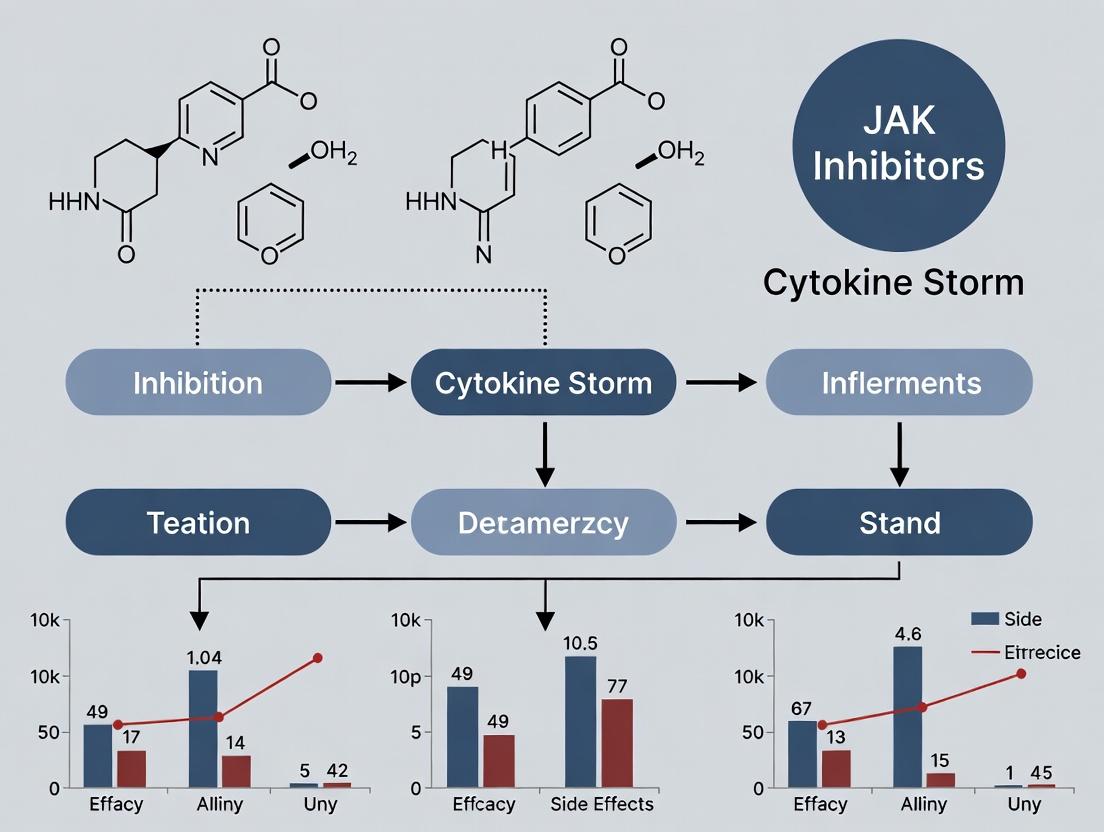
This review provides a comprehensive analysis of Janus kinase (JAK) inhibitors as a targeted therapeutic strategy for cytokine storm syndrome (CSS).
Targeting the Cytokine Storm: JAK Inhibitors as a Precision Strategy in Hyperinflammatory Disease Management
Abstract
This review provides a comprehensive analysis of Janus kinase (JAK) inhibitors as a targeted therapeutic strategy for cytokine storm syndrome (CSS). We explore the foundational science of JAK-STAT signaling in hyperinflammation, detail methodological approaches for drug selection and clinical application, address key challenges in safety and patient stratification, and critically evaluate comparative clinical efficacy data against other immunomodulators. Designed for researchers and drug development professionals, this article synthesizes current evidence, identifies optimization strategies, and outlines future translational research directions for improving outcomes in CSS-driven conditions like severe COVID-19, CRS, and MAS.
The JAK-STAT Pathway Unraveled: Decoding the Molecular Hub of Cytokine Signaling in Hyperinflammation
1.0 Introduction and Etiology A cytokine storm is a life-threatening systemic inflammatory syndrome driven by a positive feedback loop of excessive and dysregulated immune cell activation and pro-inflammatory cytokine release. It is not a specific disease but a pathological state arising from various etiologies.
Table 1: Major Etiologies and Associated Key Cytokines
| Etiology Category | Specific Examples | Key Cytokines Elevated (Common Panel) |
|---|---|---|
| Infectious Diseases | Severe COVID-19, Influenza (H5N1, H1N1), Sepsis, CRS from CAR-T therapy | IL-6, IFN-γ, TNF-α, IL-1β, IL-2, IL-8, IL-10, GM-CSF |
| Autoimmune Disorders | Macrophage Activation Syndrome (MAS), Secondary Hemophagocytic Lymphohistiocytosis (sHLH) | IFN-γ, IL-1β, IL-6, IL-18, TNF-α, MCP-1 |
| Monoclonal Antibody Therapy | Immune Checkpoint Inhibitors (e.g., anti-CTLA-4, anti-PD-1) | IL-6, IFN-γ, TNF-α, IL-17 |
| Transplantation | Graft-versus-Host Disease (GvHD) | IL-6, TNF-α, IFN-γ, IL-1β |
2.0 Pathophysiology: Core Signaling Pathways The pathophysiology centers on hyperactivation of innate and adaptive immune pathways, with the JAK-STAT pathway serving as a critical signal transducer for many pathogenic cytokines.
Diagram 1: Core Cytokine-JAK-STAT Signaling in Storm
3.0 Clinical Ramifications and Quantitative Metrics Clinical manifestations range from fever and fatigue to multi-organ dysfunction syndrome (MODS) and shock. Key laboratory abnormalities are quantified below.
Table 2: Clinical and Laboratory Parameters in Cytokine Storm
| Parameter Category | Specific Marker | Typical Storm Elevation (Range/Threshold) | Clinical Ramification |
|---|---|---|---|
| Inflammatory Cytokines | IL-6 | 100 - >1000 pg/mL (vs. normal <7 pg/mL) | Fever, CRP rise, Vasodilation |
| IFN-γ | 100 - >500 pg/mL | Macrophage activation, MAS | |
| Acute Phase Reactants | C-reactive Protein (CRP) | >100 - 500 mg/L | Systemic inflammation |
| Ferritin | >1000 - >10,000 μg/L | Tissue damage, HLH indicator | |
| Hematologic | D-dimer | >1.0 - >20 μg/mL | Coagulopathy, Thrombosis risk |
| Lymphocyte Count | Often severely decreased (Lymphopenia) | Immune dysregulation | |
| Organ Dysfunction | Cardiac Troponin | Elevated | Myocardial injury |
| Serum Creatinine | Elevated | Acute Kidney Injury |
4.0 Experimental Protocols for JAK Inhibitor Research
4.1 Protocol: In Vitro PBMC Cytokine Release Assay
- Objective: To evaluate the efficacy of JAK inhibitors (e.g., Baricitinib, Ruxolitinib) in suppressing cytokine production from stimulated human peripheral blood mononuclear cells (PBMCs).
- Materials: See Research Reagent Solutions.
- Method:
- Isolate PBMCs from healthy donor blood using density gradient centrifugation (Ficoll-Paque).
- Seed cells in 96-well plates at 2x10^5 cells/well in RPMI-1640 + 10% FBS.
- Pre-treat cells with a dose range of JAK inhibitor (e.g., 10 nM - 10 µM) or vehicle (DMSO <0.1%) for 1 hour.
- Stimulate cells with a cytokine storm mimic: LPS (100 ng/mL) + IFN-γ (50 ng/mL) for 24-48 hours. Include unstimulated and stimulated-only controls.
- Collect supernatant by centrifugation. Store at -80°C.
- Quantify cytokine levels (IL-6, TNF-α, IFN-γ) via multiplex ELISA or Luminex assay.
- Analyze cell viability using an MTT or ATP-based assay.
Diagram 2: PBMC Assay Workflow for JAKi
4.2 Protocol: In Vivo Mouse Model of LPS-Induced Cytokine Storm
- Objective: To assess the therapeutic potential of a JAK inhibitor in attenuating cytokine storm and improving survival in vivo.
- Materials: C57BL/6 mice (8-10 weeks), JAK inhibitor (formulated for injection), LPS (E. coli O111:B4), sterile PBS, syringes, tubes for serum collection.
- Method:
- Randomize mice into groups (n=8-10): Naive, LPS+Vehicle, LPS+JAKi (low/high dose).
- Administer JAK inhibitor or vehicle via intraperitoneal (i.p.) or oral gavage 1 hour prior to LPS challenge.
- Induce storm via i.p. injection of a high-dose LPS (e.g., 10-20 mg/kg).
- Monitor survival and clinical scores (piloerection, lethargy) every 6 hours for 72-96 hours.
- In a separate cohort, euthanize mice 6 hours post-LPS for sample collection.
- Collect blood via cardiac puncture. Separate serum.
- Analyze serum cytokines (mouse IL-6, TNF-α, IL-1β) by ELISA.
- Harvest organs (lung, liver, spleen) for histopathology (H&E staining) and RNA analysis of inflammatory markers.
The Scientist's Toolkit: Research Reagent Solutions
| Reagent/Material | Function/Application | Example Product/Catalog |
|---|---|---|
| Ficoll-Paque Plus | Density gradient medium for PBMC isolation from whole blood. | Cytiva, 17144002 |
| Human/Mouse Cytokine Multiplex Assay | Simultaneous quantification of multiple cytokines from a single sample. | Luminex Performance Assay, Bio-Plex Pro |
| Ruxolitinib (INCB018424) | Selective JAK1/JAK2 inhibitor; positive control for inhibition studies. | Selleckchem, S1378 |
| Lipopolysaccharide (LPS) | TLR4 agonist; used to stimulate innate immune cells and induce inflammatory cytokine release. | Sigma-Aldrich, E. coli O111:B4, L2630 |
| Recombinant Human IFN-γ | Synergizes with LPS to enhance macrophage activation and cytokine production. | PeproTech, 300-02 |
| CellTiter-Glo Luminescent Viability Assay | Measures ATP content to determine the number of viable cells in culture. | Promega, G7572 |
| Anti-human CD3/CD28 Dynabeads | Polyclonal T-cell activator; used to model T-cell-driven cytokine release (e.g., CRS). | Gibco, 11131D |
| JAK-STAT Phosphorylation Panel | Flow cytometry-based kit to measure phospho-STAT levels in immune cell subsets. | BD Biosciences, pSTAT Kit, 612599 |
The Janus kinase-signal transducer and activator of transcription (JAK-STAT) pathway is a primary signal transduction mechanism for over 50 cytokines, interferons, and growth factors. Its dysregulation is a central driver of the hyperinflammatory state characteristic of a cytokine storm, as seen in severe infections (e.g., COVID-19), autoimmune diseases, and immunotherapies. This cascade's structure-function relationship—from receptor-ligand interaction to nuclear gene regulation—provides multiple nodes for pharmacological intervention. JAK inhibitors (jakinibs) represent a promising class of drugs to dampen this pathogenic signaling, making a detailed biochemical understanding critical for targeted therapeutic development.
Core Structural Components & Quantitative Attributes
Table 1: Core Components of the JAK-STAT Pathway
| Component Class | Key Members | Structural Domains (JH1-JH7) | Approx. Size (kDa) | Primary Role |
|---|---|---|---|---|
| Receptors | Type I/II Cytokine Receptors (e.g., IL-6Rα/gp130) | Extracellular cytokine-binding, transmembrane, intracellular Box1/Box2 motifs | 80-130 | Ligand recognition & JAK docking |
| Janus Kinases (JAKs) | JAK1, JAK2, JAK3, TYK2 | FERM (JH5-JH7), SH2-like (JH4-JH3), pseudokinase (JH2), kinase (JH1) domains | 120-140 | Receptor-associated tyrosine kinases |
| Signal Transducers & Activators of Transcription (STATs) | STAT1, STAT2, STAT3, STAT4, STAT5a/b, STAT6 | N-domain, coiled-coil, DNA-binding, linker, SH2, transactivation domain | 75-95 | Cytoplasmic transcription factors |
| Negative Regulators | SOCS, PIAS, PTPs (e.g., SHP1, CD45) | Variable (e.g., SOCS box, SH2, phosphatase domain) | 25-70 | Feedback inhibition & signal termination |
Canonical Signaling Cascade: Stepwise Mechanism
- Ligand Binding & Receptor Dimerization: A cytokine (e.g., IL-6) binds, inducing conformational change and dimerization of its cognate receptor subunits.
- JAK Transphosphorylation: Receptor-associated JAKs are brought into proximity, leading to their cross-phosphorylation on tyrosine residues within their activation loops.
- Receptor Phosphorylation: Activated JAKs phosphorylate specific tyrosine motifs on the intracellular receptor tails.
- STAT Recruitment & Phosphorylation: STAT monomers bind via their SH2 domains to receptor phospho-tyrosines, where they are phosphorylated by JAKs on a conserved C-terminal tyrosine (e.g., STAT3 Tyr705).
- STAT Dimerization: Phosphorylated STATs dissociate, forming homodimers or heterodimers via reciprocal SH2-pTyr interactions.
- Nuclear Translocation & DNA Binding: STAT dimers translocate to the nucleus, bind specific gamma-activated sequence (GAS) promoter elements, and recruit transcriptional co-activators to drive target gene expression (e.g., SOCS3, inflammatory mediators).
Diagram 1: Canonical JAK-STAT Signaling Pathway (95 chars)
Experimental Protocol: Assessing STAT3 Phosphorylation in Cell-Based Cytokine Stimulation
Aim: To quantify ligand-induced JAK-STAT pathway activation via measurement of STAT3 phosphorylation (Tyr705) as a key readout for cytokine storm signaling.
Materials:
- Human monocytic cell line (e.g., THP-1).
- Recombinant human cytokine (e.g., IL-6, 100 ng/mL stock).
- Cell culture medium (RPMI-1640 + 10% FBS).
- Lysis Buffer: RIPA buffer supplemented with protease and phosphatase inhibitors.
- Phospho-STAT3 (Tyr705) and total STAT3 antibodies.
- SDS-PAGE and western blotting equipment.
- Enhanced Chemiluminescence (ECL) substrate.
- Densitometry analysis software (e.g., ImageJ).
Procedure:
- Cell Stimulation: Serum-starve 1x10^6 THP-1 cells for 4-6 hours. Stimulate with IL-6 (10-50 ng/mL) for 15, 30, and 60 minutes. Include an unstimulated control.
- Cell Lysis: Immediately post-stimulation, pellet cells and lyse in 100 µL ice-cold RIPA buffer on ice for 30 minutes. Centrifuge at 14,000 x g for 15 minutes at 4°C. Collect supernatant.
- Protein Quantification: Use a BCA assay to normalize protein concentrations.
- Western Blot: Load 20-30 µg protein per lane on a 10% SDS-PAGE gel. Transfer to PVDF membrane. Block with 5% BSA/TBST for 1 hour.
- Immunoblotting: Incubate with primary antibody (anti-pSTAT3 Tyr705, 1:1000) overnight at 4°C. Wash and incubate with HRP-conjugated secondary antibody (1:5000) for 1 hour at RT.
- Detection & Stripping: Develop using ECL reagent. Image blot. Strip membrane (e.g., mild stripping buffer) and re-probe for total STAT3 to confirm equal loading.
- Data Analysis: Perform densitometry. Calculate the pSTAT3/total STAT3 ratio for each time point. Plot as fold-change relative to unstimulated control.
Table 2: Expected pSTAT3 Response to IL-6 (50 ng/mL) in THP-1 Cells
| Time Post-Stimulation (min) | Expected pSTAT3/Total STAT3 Ratio (Fold over Control, mean ± SD) | Interpretation |
|---|---|---|
| 0 (Control) | 1.0 ± 0.2 | Baseline |
| 15 | 8.5 ± 1.5 | Peak Activation |
| 30 | 5.0 ± 1.0 | Signal Initiation of Decline |
| 60 | 2.5 ± 0.8 | Feedback Inhibition |
The Scientist's Toolkit: Key Research Reagent Solutions
Table 3: Essential Reagents for JAK-STAT Pathway Analysis
| Reagent | Supplier Examples | Function & Application |
|---|---|---|
| Recombinant Cytokines (IL-6, IFN-γ, IL-2) | PeproTech, R&D Systems | Ligand for specific receptor-JAK pair activation in stimulation assays. |
| Phospho-Specific Antibodies (pSTAT1 Tyr701, pSTAT3 Tyr705, pSTAT5 Tyr694) | Cell Signaling Technology, Abcam | Detection of activated STATs via western blot, flow cytometry (Phosflow), or IHC. |
| JAK Inhibitors (Jakinibs) (Ruxolitinib/JAK1/2i, Tofacitinib/JAK1/3i) | Selleckchem, MedChemExpress | Pharmacological tools to block kinase activity; used for pathway inhibition controls. |
| SOCS3 Reporter Plasmid | Addgene, commercial luciferase constructs | Monitor negative feedback activity in cell-based reporter assays. |
| JAK/STAT Pathway PCR Array | Qiagen, Bio-Rad | Profiling expression changes of multiple pathway-related genes simultaneously. |
| STAT Knockdown siRNA Pools | Horizon Discovery, Santa Cruz Biotechnology | Gene silencing to study specific STAT isoform function. |
| Cytometric Bead Array (CBA) Flex Sets | BD Biosciences | Multiplex quantification of cytokines in supernatant from stimulated cells. |
Protocol: Evaluating JAK Inhibitor Efficacy in a Cytokine Storm Model
Aim: To test the potency of a JAK inhibitor (e.g., Ruxolitinib) in suppressing IL-6-induced hyperinflammatory signaling in vitro.
Materials:
- THP-1 cells.
- IL-6 (50 ng/mL final).
- Ruxolitinib (10 mM stock in DMSO).
- DMSO vehicle control.
- RNA isolation kit (e.g., TRIzol).
- cDNA synthesis and qPCR reagents.
- Primers for SOCS3, CRP, and housekeeping gene (e.g., GAPDH).
Procedure:
- Pre-treatment: Aliquot 1x10^6 THP-1 cells/well in a 12-well plate. Pre-treat cells with increasing concentrations of Ruxolitinib (0.1 µM, 0.5 µM, 1.0 µM) or DMSO vehicle for 1 hour.
- Stimulation: Add IL-6 (50 ng/mL) to all wells except the unstimulated control. Incubate for 4 hours.
- RNA Extraction & qPCR: Harvest cells, extract total RNA, and synthesize cDNA. Perform qPCR for downstream inflammatory (CRP) and feedback (SOCS3) genes.
- Data Analysis: Calculate ΔΔCt values normalized to GAPDH and the unstimulated control. Plot gene expression fold-change vs. inhibitor concentration to generate an IC50 curve for the inhibitor's transcriptional blockade.
Diagram 2: JAK Inhibitor Efficacy Assay Workflow (78 chars)
Table 4: Selected JAK Inhibitors in Cytokine Storm Clinical Research
| Drug (Target) | Therapeutic Context | Key Efficacy Metric (in Clinical Trials) | Reported Effect on Pathway Biomarkers |
|---|---|---|---|
| Ruxolitinib (JAK1/JAK2) | Severe COVID-19, CRS* from immunotherapy | Reduced mortality (RR 0.69) & faster clinical recovery in severe patients. | Significant reduction in pSTAT3 levels in PBMCs & plasma IL-6. |
| Tofacitinib (JAK1/JAK3) | COVID-19 pneumonia, Rheumatoid Arthritis | 28-day reduction in death/respiratory failure vs. placebo (18.1% vs 29.0%). | Decreased serum MMP-9, IL-6, pSTAT1/3 in patient serum. |
| Baricitinib (JAK1/JAK2) | COVID-19 (combined with antivirals), Autoimmune disease | Accelerated recovery time; improved oxygenation. | Potent inhibition of JAK1/2-mediated signal transduction of key storm cytokines (IL-6, IFN-γ). |
*CRS: Cytokine Release Syndrome
Key Cytokines in Storm Pathogenesis and Their Dependency on JAK-STAT Transmission
Cytokine storm syndrome (CSS), or cytokine release syndrome (CRS), is a life-threatening systemic inflammatory condition characterized by the excessive and uncontrolled release of pro-inflammatory cytokines. A subset of these cytokines signals primarily through the Janus kinase-signal transducer and activator of transcription (JAK-STAT) pathway, making this axis a critical therapeutic target. This document, framed within broader research on JAK inhibitors (JAKi) for CSS treatment, details the key cytokines implicated, their quantitative profiles, and standardized protocols for investigating their JAK-STAT dependency.
Key Cytokines in Cytokine Storm Pathogenesis
The pathogenesis of a cytokine storm involves a complex network of cytokines. The following table summarizes the core cytokines, their primary cellular sources, and their dependency on JAK-STAT signaling, which dictates their susceptibility to JAK inhibitor therapy.
Table 1: Key Storm-Associated Cytokines and JAK-STAT Dependency
| Cytokine | Primary Cellular Source | Primary Receptor Complex | JAKs Involved | STATs Activated | Serum Level in Severe CSS (Typical Range)* | JAK-STAT Dependency for Signaling |
|---|---|---|---|---|---|---|
| IFN-γ | T cells, NK cells | IFNGR1/IFNGR2 | JAK1, JAK2 | STAT1 | 100 - 1000 pg/mL | Absolute |
| IL-6 | Macrophages, T cells, Endothelial cells | IL-6Rα/gp130 | JAK1, JAK2, TYK2 | STAT1, STAT3 | 100 - 5000 pg/mL | Canonical signaling: High. Trans-signaling: High. |
| GM-CSF | T cells, Macrophages, Stromal cells | GM-CSFRα/βc | JAK2 | STAT5 | 50 - 500 pg/mL | Absolute |
| IL-2 | Activated T cells | IL-2Rβ/γc / IL-2Rα | JAK1, JAK3 | STAT5 | 10 - 200 pg/mL | High (via γc chain) |
| IL-10 | Tregs, Macrophages | IL-10R1/IL-10R2 | JAK1, TYK2 | STAT3 | Variable, often elevated | Absolute |
| IL-12 | Dendritic cells, Macrophages | IL-12Rβ1/IL-12Rβ2 | TYK2, JAK2 | STAT4 | Elevated | Absolute |
| IL-23 | Dendritic cells, Macrophages | IL-23R/IL-12Rβ1 | JAK2, TYK2 | STAT3, STAT4 | Elevated | Absolute |
| TNF-α | Macrophages, T cells | TNFR1, TNFR2 | Not Applicable | Not Applicable | 50 - 300 pg/mL | None (signals via MAPK/NF-κB) |
Note: Serum levels are indicative and can vary widely based on etiology (e.g., COVID-19, CAR-T therapy, sepsis) and disease phase. TNF-α is included as a key storm cytokine but signals independently of JAK-STAT.
Experimental Protocols
Protocol 2.1: Assessing Cytokine-Induced JAK-STAT Phosphorylation in Human PBMCs
Objective: To evaluate the phosphorylation status of specific JAK and STAT proteins in peripheral blood mononuclear cells (PBMCs) following stimulation with key storm cytokines.
Materials: See "Research Reagent Solutions" (Section 4). Procedure:
- Isolate PBMCs: Collect fresh human blood in heparin tubes. Isolate PBMCs using density gradient centrifugation (e.g., Ficoll-Paque Plus).
- Starvation & Stimulation: Resuspend PBMCs in serum-free RPMI 1640 medium. Seed cells in a 12-well plate at 2x10^6 cells/well. Pre-incubate with or without a JAK inhibitor (e.g., 100 nM Tofacitinib) for 1 hour at 37°C.
- Cytokine Challenge: Stimulate cells with recombinant human cytokines (e.g., 50 ng/mL IFN-γ, 50 ng/mL IL-6, 20 ng/mL GM-CSF) for 15 minutes. Include an unstimulated control.
- Cell Lysis & Protein Extraction: Immediately place plates on ice. Aspirate medium and lyse cells with 150 µL/well of cold RIPA buffer containing protease and phosphatase inhibitors.
- Western Blot Analysis:
- Resolve 20-30 µg of total protein per lane on 4-12% Bis-Tris gels.
- Transfer to PVDF membranes.
- Block with 5% BSA in TBST for 1 hour.
- Probe with primary antibodies overnight at 4°C:
- Phospho-specific: p-JAK2 (Tyr1007/1008), p-STAT1 (Tyr701), p-STAT3 (Tyr705), p-STAT5 (Tyr694).
- Total protein: JAK2, STAT1, STAT3, STAT5, β-actin (loading control).
- Incubate with HRP-conjugated secondary antibodies for 1 hour at RT.
- Develop using enhanced chemiluminescence (ECL) and image.
- Data Analysis: Quantify band intensity using densitometry software. Normalize p-protein signals to their respective total protein signals. Compare fold-change in phosphorylation between stimulated conditions with/without JAKi.
Protocol 2.2: JAK Inhibitor Dose-Response on Cytokine-Driven Gene Expression
Objective: To determine the IC50 of a JAK inhibitor for blocking the transcriptional output of a specific cytokine pathway.
Materials: See "Research Reagent Solutions" (Section 4). Procedure:
- Cell Culture & Treatment: Use a reporter cell line (e.g., HEK293 with a STAT-responsive luciferase construct) or primary cells (e.g., monocytes). Seed cells in a 96-well plate.
- Inhibitor Titration: Create a 10-point, 1:3 serial dilution of the JAK inhibitor (e.g., from 10 µM to 0.5 nM) in assay medium. Pre-treat cells for 1 hour.
- Stimulation: Add a fixed, sub-saturating concentration of the cytokine of interest (e.g., 10 ng/mL IL-6) to all treated wells. Incubate for 6-24 hours (time depends on readout).
- Readout:
- For Reporter Cells: Lyse cells and measure luminescence using a firefly luciferase assay kit.
- For Primary Cells: Extract total RNA, reverse transcribe to cDNA, and perform quantitative PCR (qPCR) for canonical target genes (e.g., SOCS3 for IL-6/STAT3; IRF1 for IFN-γ/STAT1).
- Data Analysis: Normalize luminescence or gene expression values to the vehicle control (DMSO + cytokine). Plot normalized response vs. log10(inhibitor concentration). Fit data using a four-parameter logistic model to calculate the IC50 value.
Signaling Pathway Visualizations
Title: JAK-STAT Signaling of Key Storm Cytokines and Inhibitor Site
Title: Workflow for Evaluating JAKi Efficacy on Storm Pathways
The Scientist's Toolkit: Research Reagent Solutions
Table 2: Essential Reagents for JAK-STAT Cytokine Storm Research
| Reagent Category | Specific Product/Example | Function in Experiment | Key Consideration |
|---|---|---|---|
| Recombinant Human Cytokines | IFN-γ, IL-6, GM-CSF, IL-2 (Carrier-free) | Used to stimulate specific JAK-STAT pathways in cellular assays. | Verify bioactivity and endotoxin level (<1 EU/µg). Use a consistent source for reproducibility. |
| JAK Inhibitors (Small Molecules) | Tofacitinib (JAK1/3), Ruxolitinib (JAK1/2), Fedratinib (JAK2), Upadacitinib (JAK1i) | Pharmacologic tools to block kinase activity and establish pathway dependency. | Prepare fresh stock solutions in DMSO. Control for vehicle exposure (typically ≤0.1% DMSO final). |
| Phospho-Specific Antibodies | Anti-p-STAT1 (Tyr701), Anti-p-STAT3 (Tyr705), Anti-p-STAT5 (Tyr694) | Detection of activated, phosphorylated STAT proteins by Western blot or flow cytometry. | Validate for application. Requires cell lysis/fixation within minutes post-stimulation. |
| Multiplex Cytokine Assay Kits | Luminex xMAP or MSD U-PLEX Assays | Simultaneous quantitative measurement of 10-50+ cytokines from cell supernatant or serum. | Essential for profiling storm networks. Choose panels covering IFN-γ, IL-6, IL-10, GM-CSF, etc. |
| JAK-STAT Reporter Cell Lines | HEK293-STAT1/3/5-Luciferase, THP1-ISRE-Luc | Sensitive, high-throughput readout of pathway activation for inhibitor screening. | Confirm specificity of response to intended cytokine/reporter element. |
| Cell Separation Media | Ficoll-Paque Plus, Lymphoprep | Isolation of viable PBMCs or specific immune cell subsets from whole blood. | Maintain sterility and use room temperature reagents for optimal density gradient separation. |
| Cell Stimulation & Culture Supplements | PMA/Ionomycin, LPS, Protein Transport Inhibitors (Brefeldin A) | Positive controls for immune cell activation or intracellular cytokine staining protocols. | Titrate for optimal response; some are toxic with prolonged incubation. |
1. Introduction & Rationale Cytokine storm syndrome, a life-threatening systemic inflammatory response, is characterized by excessive release of interferons, interleukins, chemokines, and colony-stimulating factors. A significant proportion of these cytokines signal via the JAK-STAT pathway. JAK inhibitors (JAKi) offer a strategic intervention by broadly targeting this common signaling node, potentially dampening the hyperinflammatory cascade more effectively than single-cytokine blockade. This positions JAKi as a rational therapeutic strategy from molecular bench research to clinical bedside application.
2. Quantitative Data Summary: Key Cytokines in Storm Syndromes & JAK-STAT Dependence
Table 1: Major Cytokine Players in Cytokine Storms and Their Primary Signaling Pathways
| Cytokine | Primary Receptor Family | JAK Proteins Involved | STAT Proteins Activated | Typical Pathological Level Range* (pg/mL) |
|---|---|---|---|---|
| IFN-γ | Type II Cytokine Receptor | JAK1, JAK2 | STAT1 | 100 - >1000 |
| IL-6 | IL-6R/gp130 | JAK1, JAK2, TYK2 | STAT1, STAT3 | 50 - >500 |
| IL-10 | Type II Cytokine Receptor | JAK1, TYK2 | STAT1, STAT3 | Highly Variable |
| GM-CSF | Type I Cytokine Receptor | JAK2 | STAT5 | 50 - 200 |
| IL-2 | Common γ-chain | JAK1, JAK3 | STAT5 | Elevated in some storms |
| *Representative ranges observed in conditions like severe COVID-19, CRS, MAS. Levels are highly context-dependent. |
Table 2: Select Clinically Approved or Investigated JAK Inhibitors for Cytokine Storm Mitigation
| JAK Inhibitor | Selectivity Profile | Key Clinical Contexts (Cytokine Storm) | Typical In Vitro IC50 (nM) JAK1 |
|---|---|---|---|
| Ruxolitinib | JAK1/JAK2 | COVID-19, CRS (post-CAR-T), HLH | 3.3 |
| Baricitinib | JAK1/JAK2 (with high JAK1 preference) | COVID-19, Autoinflammatory syndromes | 5.9 |
| Tofacitinib | JAK1/JAK3 > JAK2 | Investigated in COVID-19, cytokine release models | 112 |
| Itacitinib (investigational) | Primarily JAK1 | GvHD, COVID-19 (investigated) | 2.7 |
3. Experimental Protocols
Protocol 1: In Vitro Assessment of JAKi on Cytokine-Induced STAT Phosphorylation Objective: To quantify the inhibitory effect of a JAKi on STAT phosphorylation in relevant cell lines. Materials: Human PBMCs or cell line (e.g., THP-1), JAK inhibitor (e.g., Ruxolitinib), recombinant human cytokines (IFN-γ, IL-6), phospho-STAT specific antibodies (e.g., pSTAT1, pSTAT3), flow cytometer. Procedure:
- Isolate and plate PBMCs (1x10^6 cells/well) in serum-free media.
- Pre-treat cells with a dose range of JAKi (e.g., 0, 10, 100, 1000 nM) for 60 minutes.
- Stimulate cells with a saturating dose of cytokine (e.g., 50 ng/mL IFN-γ or IL-6) for 15-30 minutes.
- Immediately fix cells using pre-warmed BD Cytofix buffer (10 min, 37°C).
- Permeabilize cells with ice-cold 100% methanol (30 min, -20°C).
- Stain cells with fluorescently-conjugated anti-pSTAT antibody (30 min, RT, dark).
- Analyze by flow cytometry. Calculate MFI (Median Fluorescence Intensity) for phospho-STAT.
- Analysis: Plot dose-response curve. Calculate IC50 for inhibition of STAT phosphorylation.
Protocol 2: Ex Vivo Whole Blood Cytokine Release Assay Objective: To evaluate the effect of JAKi on cytokine production in a more physiologically relevant system. Materials: Fresh human whole blood (heparinized), TLR agonist (e.g., LPS, 100 ng/mL) or T-cell activator (e.g., anti-CD3/CD28 beads), JAKi, cytokine multiplex assay (e.g., Luminex). Procedure:
- Aliquot 500 μL of whole blood per well into a 48-well plate.
- Add JAKi at desired concentrations. Include DMSO vehicle control.
- Pre-incubate for 60 minutes at 37°C, 5% CO2.
- Add stimulus (LPS or T-cell activator) and incubate for 16-24 hours.
- Centrifuge plate (500 x g, 10 min). Collect plasma supernatant.
- Quantify cytokine levels (e.g., IFN-γ, IL-6, TNF-α, IL-2) using a multiplex immunoassay per manufacturer's protocol.
- Analysis: Express cytokine levels as % inhibition relative to stimulated vehicle control.
4. Signaling Pathway & Experimental Workflow Diagrams
Diagram 1: JAK-STAT Signaling and Inhibitor Blockade.
Diagram 2: Protocol for pSTAT Inhibition Assay.
5. The Scientist's Toolkit: Key Research Reagent Solutions
Table 3: Essential Materials for JAK-STAT Pathway and Cytokine Storm Research
| Reagent/Category | Example Product/Assay | Primary Function in Research |
|---|---|---|
| Phospho-Specific Antibodies | Anti-phospho-STAT1 (Tyr701), Anti-phospho-STAT3 (Tyr705) | Detection of activated JAK-STAT pathway via Western Blot, Flow Cytometry, or IHC. |
| Multiplex Cytokine Assays | Luminex xMAP, MSD U-PLEX, LEGENDplex | Simultaneous quantification of multiple cytokines from biological samples to profile storm signatures. |
| Recombinant Human Cytokines | IFN-γ, IL-6, GM-CSF, IL-2 | Used for in vitro and ex vivo stimulation experiments to model cytokine signaling. |
| Selective JAK Inhibitors (Research Grade) | Ruxolitinib (JAK1/2i), Tofacitinib (JAK1/3i), Filgotinib (JAK1i) | Pharmacologic tools to dissect pathway-specific contributions and validate therapeutic hypotheses. |
| Cytokine Storm In Vivo Models | LPS challenge, CAR-T cell mouse models, PR8 influenza infection | Preclinical systems to evaluate JAKi efficacy in ameliorating systemic inflammation. |
| JAK Kinase Activity Assays | ADP-Glo Kinase Assay, Mobility Shift Assays | Biochemical screening for inhibitor potency and selectivity against purified JAK kinases. |
Clinical Deployment and Translational Strategies: Implementing JAK Inhibitors in Cytokine Storm Management
Within research on JAK inhibitors for cytokine storm mitigation, a key pharmacological distinction exists between pan-JAK and selective JAK inhibitors. Pan-JAK inhibitors target multiple JAK isoforms (JAK1, JAK2, JAK3, TYK2) with comparable potency, while selective inhibitors exhibit significant preference for one isoform. This profile dictates their efficacy and safety in modulating specific cytokine signaling pathways driving hyperinflammation.
Quantitative Pharmacological Profiles
Table 1: Key Pharmacokinetic & Binding Parameters of Representative JAK Inhibitors
| Parameter | Ruxolitinib (Pan-JAK) | Tofacitinib (Pan-JAK, JAK3-preferring) | Baricitinib (JAK1/JAK2-selective) | Upadacitinib (JAK1-selective) | Reference |
|---|---|---|---|---|---|
| Primary Target(s) | JAK1, JAK2 | JAK3 > JAK1 > JAK2 | JAK1, JAK2 | JAK1 | IC50/EC50 Values |
| JAK1 IC₅₀ (nM) | 3.3 | 56 | 5.9 | 43 | Cell-free kinase assays |
| JAK2 IC₅₀ (nM) | 2.8 | 137 | 5.7 | 120 | |
| JAK3 IC₅₀ (nM) | >428 | 1.6 | >400 | >400 | |
| TYK2 IC₅₀ (nM) | 19 | 34 | 53 | 4700 | |
| Oral Bioavailability | ~95% | ~74% | ~79% | ~79% | Clinical studies |
| Half-life (hr) | ~3 | ~3 | ~12 | ~12-14 | |
| Key CYP Metabolism | CYP3A4 | CYP3A4 | Minimal (CYP3A4 minor) | Minimal | Drug labels |
Table 2: Selectivity Ratios (JAK2/JAK1 & JAK3/JAK1)
| Agent | JAK2/JAK1 Selectivity Ratio | JAK3/JAK1 Selectivity Ratio | Classification |
|---|---|---|---|
| Ruxolitinib | ~0.85 | >130 | Pan-JAK (JAK1/JAK2 potent) |
| Tofacitinib | ~2.4 | ~0.03 | Pan-JAK, JAK3-preferring |
| Baricitinib | ~0.97 | >68 | JAK1/JAK2-selective |
| Upadacitinib | ~2.8 | >9.3 | JAK1-selective |
Note: Lower ratio indicates higher potency for JAK1 relative to other isoform. Selectivity ratios calculated from IC₅₀ values in Table 1.
Experimental Protocols for Profiling JAK Inhibitors
Protocol 3.1: In Vitro JAK Kinase Inhibition Assay (FRET-based)
Objective: Determine IC₅₀ values for inhibitor compounds against purified human JAK isoforms. Reagents:
- Purified recombinant human JAK1, JAK2, JAK3, TYK2 kinase domains (SignalChem).
- Z'-LYTE Kinase Assay Kit (Thermo Fisher, #PV3192) with Tyr-2 peptide substrate.
- Test compounds (e.g., 10 mM stock in DMSO).
- ATP (MilliporeSigma, #A7699).
- 384-well low-volume assay plates (Corning, #4514).
Procedure:
- Serial Dilution: Prepare 11-point, 3-fold serial dilutions of each inhibitor in 100% DMSO, then dilute 1:50 in kinase buffer (50 mM HEPES, pH 7.5, 10 mM MgCl₂, 1 mM EGTA, 0.01% Brij-35).
- Assay Setup: In each well, combine:
- 2 µL of diluted inhibitor or DMSO control.
- 2 µL of kinase (final 1-5 nM, concentration optimized per isoform).
- 2 µL of ATP/Tyr-2 peptide mix (final ATP at apparent Kₘ).
- Incubation: Incubate plate at 25°C for 60 min.
- Development: Add 2 µL of Development Reagent A, incubate 60 min. Add 2 µL of Stop Reagent B.
- Readout: Measure fluorescence emission at 445 nm and 520 nm (excitation 400 nm) on a plate reader (e.g., SpectraMax iD5).
- Analysis: Calculate % inhibition, fit dose-response curves using 4-parameter logistic model in software (e.g., GraphPad Prism) to determine IC₅₀.
Protocol 3.2: Cellular pSTAT Inhibition Assay (Phospho-Flow Cytometry)
Objective: Assess functional isoform selectivity in human peripheral blood mononuclear cells (PBMCs). Reagents:
- Human PBMCs (fresh or cryopreserved).
- RPMI-1640 + 10% FBS.
- Cytokines: IL-6 (pSTAT1/3 via JAK1/JAK2/TYK2), IL-7 (pSTAT5 via JAK1/JAK3), GM-CSF (pSTAT5 via JAK2), IFN-α (pSTAT1/3 via JAK1/TYK2).
- Fixation/Permeabilization Buffer (BD Cytofix/Cytoperm).
- Antibodies: CD3-APC, CD19-PE, pSTAT1 (Y701)-Alexa Fluor 488, pSTAT3 (Y705)-PE-Cy7, pSTAT5 (Y694)-PerCP-Cy5.5.
- Flow cytometer (e.g., BD LSRFortessa).
Procedure:
- PBMC Preparation: Thaw and rest PBMCs (2x10⁶/mL) for 1 hour at 37°C.
- Pre-inhibition: Aliquot cells, pre-treat with inhibitors (0.1 nM - 10 µM) or vehicle (0.1% DMSO) for 30 min.
- Stimulation: Stimulate with specific cytokines (e.g., IL-6 at 50 ng/mL, IL-7 at 20 ng/mL) for 15 min.
- Fixation & Staining: Immediately fix with pre-warmed 4% PFA (10 min), permeabilize on ice (30 min), stain with surface then phospho-antibodies (30 min each, RT in dark).
- Acquisition: Acquire ≥10,000 lymphocyte events per sample. Gate on T cells (CD3+) and B cells (CD19+).
- Analysis: Calculate geometric mean fluorescence intensity (gMFI) for pSTAT. Determine % inhibition relative to vehicle-treated, stimulated control. Calculate IC₅₀ for each cytokine pathway.
The Scientist's Toolkit: Key Research Reagents
| Item / Solution | Vendor Example | Function in JAK Inhibitor Research |
|---|---|---|
| Recombinant JAK Kinases | SignalChem, Carna Biosciences | Source of purified enzyme for biochemical IC₅₀ determination. |
| Phospho-STAT Antibodies | Cell Signaling Technology, BD Biosciences | Detect activation of downstream JAK-STAT pathways in cellular assays. |
| Cryopreserved Human PBMCs | STEMCELL Tech, AllCells | Primary human cells for ex vivo functional immunophenotyping. |
| JAK Inhibitor Screening Libraries | MedChemExpress, Selleckchem | Collections of tool compounds for structure-activity relationship studies. |
| Cytokine Multiplex Assay Kits | Meso Scale Discovery, Luminex | Quantify broad cytokine panels in supernatant from treated cell/animal models of cytokine storm. |
| JAK1, JAK2, JAK3 KO Cell Lines | Horizon Discovery | Isogenic backgrounds to validate on-target effects and off-target toxicity. |
Diagrams
Title: JAK-STAT Pathway & Inhibitor Sites
Title: JAK Inhibitor Profiling Workflow
Within the context of developing Janus Kinase (JAK) inhibitors for cytokine storm syndromes (CSS), such as those observed in severe COVID-19, sepsis, and CAR-T cell therapy, precise patient selection is paramount. JAK-STAT signaling is a core pathway for numerous pro-inflammatory cytokines. This document outlines application notes and protocols for a biomarker-driven framework to identify patients most likely to benefit from JAK inhibitor therapy, thereby improving clinical trial outcomes and eventual therapeutic precision.
Core Biomarker Panels for Patient Stratification
A multi-analyte approach is required to capture the dynamic and heterogeneous nature of CSS. The following table summarizes key biomarker categories and their clinical rationale.
Table 1: Core Biomarker Panels for JAK Inhibitor Candidate Selection
| Biomarker Category | Specific Examples | Rationale for JAK Inhibitor Selection | Detection Method |
|---|---|---|---|
| Upstream Cytokines | IFN-γ, IL-6, IL-10, GM-CSF | Direct ligands for JAK-STAT pathways; high levels indicate target engagement opportunity. | Luminex/MSD immunoassay |
| Signal Transduction | Phospho-STAT1 (pY701), pSTAT3 (pY705) | Direct evidence of JAK-STAT pathway activation; pharmacodynamic marker. | Phospho-flow cytometry, WB |
| Transcriptional Output | SOCS3, IRF1, CXCL10 mRNA | Surrogate for pathway activity; indicates functional cellular response. | qRT-PCR, RNA-seq |
| Immune Cell Phenotype | HLA-DRlow CD14+ monocytes, Activated T cell subsets | Identifies immune dysregulation patterns associated with CSS severity. | Flow cytometry (30+ markers) |
| Proteomic/Global | Ferritin, CRP, D-dimer | Non-specific indicators of systemic inflammation and hypercoagulability. | Clinical chemistry |
Detailed Experimental Protocols
Protocol: Multiplex Cytokine Profiling from Patient Serum/Plasma
Objective: Quantify levels of JAK-STAT-associated cytokines to establish a baseline inflammatory signature. Materials: Human cytokine multiplex panel (e.g., 37-plex), MSD or Luminex platform, plate shaker, multiplex analyte reader. Procedure:
- Sample Prep: Centrifuge blood samples at 1000× g for 15 min. Aliquot plasma/serum and store at -80°C. Avoid repeated freeze-thaws.
- Assay Setup: Thaw samples on ice. Prepare standards and controls as per kit instructions.
- Plate Incubation: Add 25 µL of sample or standard to pre-coated wells. Incubate with agitation for 2 hours at room temperature (RT).
- Detection: Aspirate, wash 3×. Add 25 µL of detection antibody cocktail. Incubate 1-2 hours at RT with agitation.
- Signal Development: Wash 3×. Add 150 µL of read buffer. Read immediately on the multiplex imager.
- Analysis: Use platform-specific software to calculate concentrations from standard curves.
Protocol: Phospho-STAT Analysis in Peripheral Blood Mononuclear Cells (PBMCs) by Flow Cytometry
Objective: Measure intracellular phosphorylation of STAT1 and STAT3 as a direct readout of JAK pathway activation. Materials: Fresh whole blood or PBMCs, fixation/permeabilization buffer kit, anti-pSTAT1 (Y701)-PE, anti-pSTAT3 (Y705)-Alexa Fluor 647, surface antibody cocktails (CD3, CD14, CD19), flow cytometer. Procedure:
- Stimulation (Optional): To assay ex vivo responsiveness, incubate 1×10⁶ PBMCs with 10 ng/mL IFN-γ (for pSTAT1) or IL-6 (for pSTAT3) for 15 min at 37°C.
- Fixation: Immediately add an equal volume of pre-warmed 4% formaldehyde. Fix for 10 min at 37°C.
- Permeabilization: Pellet cells, resuspend in 100% ice-cold methanol. Vortex and incubate 30 min on ice.
- Staining: Wash twice with staining buffer. Resuspend in 100 µL buffer. Add surface antibodies (20 min, RT, dark). Wash. Add phospho-specific antibodies (30 min, RT, dark).
- Acquisition: Wash, resuspend in buffer, and acquire on a flow cytometer within 24 hours. Analyze median fluorescence intensity (MFI) within specific immune subsets.
Protocol: Gene Expression Profiling via qRT-PCR
Objective: Quantify transcriptional output of JAK-STAT target genes (SOCS3, IRF1, CXCL10). Materials: PAXgene blood RNA tubes or PBMC RNA extraction kits, cDNA synthesis kit, TaqMan gene expression assays, real-time PCR system. Procedure:
- RNA Extraction: Isolate total RNA using a column-based method. Measure concentration and purity (A260/A280 ~1.9-2.1).
- cDNA Synthesis: Use 500 ng-1 µg RNA in a 20 µL reverse transcription reaction with random hexamers.
- qPCR Setup: Prepare 10 µL reactions in duplicate: 5 µL master mix, 0.5 µL TaqMan assay, 2.5 µL nuclease-free water, 2 µL cDNA (1:10 dilution).
- Cycling Conditions: 50°C for 2 min, 95°C for 10 min, followed by 40 cycles of 95°C for 15 sec and 60°C for 1 min.
- Analysis: Calculate relative expression (2^–ΔΔCt) using a housekeeping gene (e.g., GAPDH, HPRT1) and a control sample calibrator.
Visualizations
Diagram Title: JAK-STAT Signaling & Inhibitor Mechanism
Diagram Title: Patient Selection Workflow for JAK Inhibitor Trials
The Scientist's Toolkit: Research Reagent Solutions
Table 2: Essential Reagents for Biomarker-Driven Selection Studies
| Reagent/Material | Provider Examples | Function in Protocol |
|---|---|---|
| High-Sensitivity Cytokine Multiplex Assay | Meso Scale Discovery (MSD), R&D Systems, Bio-Rad | Simultaneous quantitation of 30+ cytokines from low-volume patient samples. |
| Phospho-Specific Flow Antibody Panels | BD Biosciences, BioLegend, Cell Signaling Technology | Enable detection of pSTAT1/pSTAT3 in specific immune cell subsets. |
| LIVE/DEAD Fixable Viability Dyes | Thermo Fisher Scientific | Critical for excluding dead cells in phospho-flow to reduce background. |
| Pre-designed TaqMan Gene Expression Assays | Thermo Fisher Scientific | Validated primers/probes for reliable quantification of target genes (e.g., SOCS3). |
| PAXgene Blood RNA Tubes | Qiagen, BD Biosciences | Stabilize RNA transcriptome at sample collection for expression profiling. |
| Recombinant Human Cytokines (IFN-γ, IL-6) | PeproTech, R&D Systems | Used for ex vivo PBMC stimulation to assess pathway responsiveness. |
| Flow Cytometry Compensation Beads | Thermo Fisher Scientific, BD Biosciences | Essential for accurate multicolor flow cytometry panel setup and calibration. |
Current Clinical & Pre-Clinical Landscape of JAKi in Cytokine Storm
The integration of Janus Kinase inhibitors (JAKi) into cytokine storm (CS) protocols hinges on understanding their pharmacodynamic action within the hyperinflammatory timeline. Current evidence positions them as immunomodulators best deployed in the early hypercytokinemic phase, prior to fulminant organ failure.
Table 1: JAK Inhibitors in Cytokine Storm: Clinical & Pre-Clinical Parameters
| Agent | Primary Target(s) | Typical CS Dosage Range | Key Supportive Trial/Model | Reported Onset of Cytokine Reduction |
|---|---|---|---|---|
| Baricitinib | JAK1/JAK2 | 2-4 mg OD (oral) | COV-BARRIER, ACTT-2 (COVID-19) | 1-3 days (CRP, IL-6 reduction) |
| Ruxolitinib | JAK1/JAK2 | 5-15 mg BID (oral) | RUXCOVID, CAR-T therapy CRS | 3-5 days (sCRS, COVID-19) |
| Tofacitinib | JAK1/JAK3 | 5-10 mg BID (oral) | Rheumatoid arthritis models of CS | 1-2 weeks (chronic models) |
| Itacitinib | JAK1 | 200-400 mg OD (oral) | PRE-VENT (GVHD prophylaxis) | Pre-clinical data only |
Protocol: In Vivo Assessment of JAKi Timing in a Murine CRS Model
Objective: To determine the therapeutic window for JAKi administration in a lipopolysaccharide (LPS)-induced cytokine storm model. Workflow:
- Model Induction: C57BL/6 mice (n=8/group) receive LPS (5 mg/kg, i.p.) at T=0 hours.
- Treatment Arms:
- Group 1 (Prophylactic): JAKi (e.g., Baricitinib, 10 mg/kg) administered at T=-1 hour.
- Group 2 (Early Therapeutic): JAKi at T=+2 hours post-LPS.
- Group 3 (Late Therapeutic): JAKi at T=+6 hours post-LPS.
- Group 4 (Vehicle Control): Vehicle only at T=-1 hour.
- Endpoint Analysis (at T=12 hours):
- Serum Cytokines: Collect blood via cardiac puncture. Analyze IL-6, TNF-α, IFN-γ levels via multiplex Luminex assay.
- Clinical Score: Monitor body weight, temperature, and activity.
- Tissue Analysis: Harvest lungs/liver for histopathology (H&E staining) and myeloperoxidase (MPO) activity assay. Expected Outcome: Early therapeutic intervention (Group 2) will show maximal suppression of cytokine elevation and tissue injury compared to late intervention.
Combination Therapy Protocols & Rationale
JAKi are frequently combined with other immunomodulators for synergistic or sequential effect. Key rationales include broader pathway suppression and steroid-sparing effects.
Table 2: Rationale and Protocols for JAKi Combination Therapies
| Combination | Rationale | Example Protocol (Pre-Clinical) | Key Monitoring Parameters |
|---|---|---|---|
| JAKi + Glucocorticoids (e.g., Dexamethasone) | Steroids rapidly block NF-κB; JAKi suppress upstream cytokine signaling. Synergistic anti-inflammatory effect. | LPS model. Dex (5 mg/kg) + Baricitinib (10 mg/kg) co-admin at T=+2h. | Serum IL-6, IL-1β, survival, blood glucose. |
| JAKi + Anti-IL-6R (e.g., Tocilizumab) | JAKi blocks signaling of multiple cytokines (IL-6, IFN, GM-CSF); anti-IL-6R mops up free IL-6. Broad & specific targeting. | Human PBMC-derived CRS model. Pre-treat with Tocilizumab (10 μg/mL), then add JAKi. | pSTAT3 inhibition (flow cytometry), IL-6, IFN-γ levels. |
| JAKi + Antiviral (e.g., Remdesivir) | Antiviral reduces viral load/damage; JAKi mitigates resulting hyperinflammation. Addresses dual triggers of CS. | SARS-CoV-2 infected mouse model. Remdesivir (25 mg/kg, daily) + Baricitinib (10 mg/kg, daily). | Viral titer (lung), cytokine panel, lung pathology score. |
Protocol: In Vitro PBMC Assay for Testing JAKi Synergy
Objective: To evaluate synergistic effects of JAKi and other agents on cytokine production in human peripheral blood mononuclear cells (PBMCs). Methodology:
- PBMC Isolation: Isolate PBMCs from healthy donor blood using Ficoll-Paque density gradient centrifugation. Seed in 96-well plates (2x10^5 cells/well).
- Stimulation & Treatment: Stimulate cells with anti-CD3/CD28 beads (1:1 bead:cell ratio) + LPS (100 ng/mL) to mimic T-cell and innate immune activation.
- Drug Treatment: Apply a matrix of drug concentrations:
- JAKi (e.g., Ruxolitinib): 0, 10, 50, 100 nM.
- Combination Drug (e.g., Dexamethasone): 0, 1, 10, 100 nM.
- Include single-agent and vehicle controls.
- Incubation: Incubate for 48 hours at 37°C, 5% CO2.
- Analysis: Collect supernatant. Quantify IL-6, IFN-γ, and TNF-α via ELISA. Perform cell viability assay (MTT). Analyze synergy using CompuSyn software and the Chou-Talalay method to calculate Combination Index (CI).
Dosage Optimization Considerations
Dosage must balance efficacy with risks of immunosuppression (e.g., infection, hematologic toxicity).
- Loading Dose: Consider a loading dose (e.g., 2x maintenance) for rapid receptor saturation in acute CS settings.
- Renal/Hepatic Impairment: Adjust dosage for drugs like baricitinib (renal excretion). Protocol: Measure serum creatinine at baseline; reduce dose by 50% for eGFR <60 mL/min/1.73m² in clinical models.
- Therapeutic Drug Monitoring (TDM) Protocol: In research settings, measure pSTAT3 phosphorylation in whole blood via flow cytometry as a pharmacodynamic biomarker. Collect blood 2-4 hours post-JAKi dose, stain for CD3/CD4/CD14 and intracellular pSTAT3 after stimulation with IL-6 or IFN-α.
The Scientist's Toolkit: Key Research Reagent Solutions
| Reagent/Material | Supplier Examples | Function in JAKi/CS Research |
|---|---|---|
| Recombinant Human Cytokines (IL-6, IFN-γ, GM-CSF) | PeproTech, R&D Systems | For in vitro cell stimulation assays to model cytokine signaling and test JAKi inhibition efficacy. |
| Phospho-STAT3 (Tyr705) Antibody | Cell Signaling Technology | Key antibody for Western Blot or flow cytometry to assess JAK-STAT pathway inhibition by JAKi. |
| Luminex Multiplex Cytokine Assay Kits | Bio-Techne, Thermo Fisher | Enables simultaneous quantification of a panel of cytokines (e.g., IL-6, IL-1β, TNF-α, IL-10) from serum or supernatant. |
| JAK Inhibitors (Bioactive Compounds) | Selleckchem, MedChemExpress | High-purity, well-characterized small molecules (Baricitinib, Ruxolitinib) for in vitro and in vivo research. |
| LPS (E. coli O111:B4) | Sigma-Aldrich | Toll-like receptor 4 agonist used to induce systemic inflammatory response and cytokine storm in murine models. |
| Ficoll-Paque Premium | Cytiva | Density gradient medium for the isolation of viable human PBMCs from whole blood for in vitro immunology assays. |
Signaling Pathways & Experimental Workflows
JAK-STAT Pathway in Cytokine Storm
In Vivo Timing Study Workflow
JAKi Combination Therapy Rationale
Within the broader research thesis on JAK-STAT inhibition for cytokine storm syndromes, precise monitoring of clinical response is paramount. Defining efficacy endpoints—both in controlled trials and real-world evidence (RWE) settings—is critical for validating therapeutic utility and guiding clinical adoption. This document provides application notes and detailed protocols for establishing and measuring these endpoints.
Core Efficacy Endpoints: Trial vs. Real-World Settings
Efficacy assessment requires different frameworks for clinical trials and RWE studies. The following table summarizes the primary endpoints and their characteristics.
Table 1: Efficacy Endpoints in Clinical Trials vs. Real-World Evidence Studies
| Endpoint Category | Randomized Controlled Trial (RCT) Setting | Real-World Evidence (RWE) Setting | Primary Measurement Tools |
|---|---|---|---|
| Primary Efficacy | Time to clinical response (e.g., 28-day). All-cause mortality. | Overall survival in a broader population. Time to hospital discharge. | WHO Clinical Progression Scale, Kaplan-Meier estimates. Electronic Health Record (EHR) data linkage. |
| Physiological Biomarkers | Change in CRP, ferritin, IL-6 from baseline to Day 7, 14. | Trends in lab values during routine care. Normalization rates. | Central lab assays. EHR-derived lab data streams. |
| Clinical Composite | Proportion with ≥2 point improvement on ordinal scale (e.g., WHO scale). | Avoidance of ICU admission or mechanical ventilation. | Protocol-defined assessment. Retrospective chart review. |
| Safety & Tolerability | Incidence of Serious Adverse Events (SAEs), thromboembolic events. | Long-term tolerability, drug-drug interaction patterns. | MedDRA-coded events. Pharmacovigilance databases. |
| Patient-Reported Outcomes (PROs) | Change in symptom diary scores (e.g., fever, fatigue). | Health-related quality of life post-discharge. | PROMIS questionnaires. Patient registries. |
Detailed Experimental Protocols
Protocol 2.1: Measuring JAK Inhibitor Pharmacodynamic Response in a Trial Setting
Objective: To quantify the inhibition of the JAK-STAT signaling pathway in peripheral blood mononuclear cells (PBMCs) from patients receiving JAK inhibitor therapy for cytokine storm.
- Patient Sampling: Collect whole blood (2x 6mL EDTA tubes) at baseline (pre-dose), and at 2, 4, 8, 24, and 168 hours post-first dose.
- PBMC Isolation: Using density gradient centrifugation (Ficoll-Paque). Isolate PBMCs and count via trypan blue exclusion. Aliquot 1x10^6 cells per stimulation condition.
- Stimulation & Pathway Analysis:
- Condition A (pSTAT3): Stimulate cells with IL-6 (50 ng/mL) for 20 minutes at 37°C.
- Condition B (pSTAT5): Stimulate cells with GM-CSF (50 ng/mL) for 20 minutes at 37°C.
- Include unstimulated controls.
- Fixation & Staining: Fix cells immediately with Lyse/Fix Buffer (10 min), permeabilize with ice-cold methanol (30 min on ice). Stain with fluorescently conjugated antibodies against CD3, CD14, CD19, pSTAT3 (Y705), and pSTAT5 (Y694). Include isotype controls.
- Flow Cytometry & Analysis: Acquire data on a 5-laser flow cytometer. Gate on lymphocyte and monocyte populations. Report Mean Fluorescence Intensity (MFI) of pSTAT in stimulated conditions as a percentage of the baseline (pre-dose) stimulated MFI. Target inhibition is >80% pSTAT suppression at Cmax.
Protocol 2.2: Retrospective RWE Endpoint Analysis Using EHR Data
Objective: To assess the real-world effectiveness of JAK inhibitors on preventing clinical deterioration in cytokine storm patients.
- Cohort Definition: Query EHR system (e.g., Epic, Cerner) for patients with: a) diagnosis codes for target condition (e.g., secondary HLH, severe COVID-19), b) pharmacy order for JAK inhibitor (e.g., ruxolitinib, tofacitinib). Define a comparator cohort treated with standard-of-care (e.g., high-dose corticosteroids) in the preceding 12 months using propensity score matching on age, sex, and baseline organ function.
- Endpoint Ascertainment:
- Primary Endpoint: Composite of invasive mechanical ventilation, ICU admission, or death within 14 days of treatment initiation.
- Secondary Endpoints: Change in CRP (mg/L) and ferritin (ng/mL) from day 0 to day 7; hospital length of stay.
- Data Extraction & Curation: Use standardized data models (e.g., OMOP CDM). Extract structured data: medications, lab values, vital signs, ICU transfers. Perform natural language processing (NLP) on clinical notes to adjudicate endpoints like "respiratory failure" not captured in structured fields.
- Statistical Analysis: Calculate Hazard Ratios (HR) for time-to-event endpoints using Cox proportional-hazards models. Use mixed-effects models for longitudinal lab data. All analyses must adjust for confounders identified in the propensity model.
Visualizing Key Pathways and Workflows
Title: JAK-STAT Signaling Pathway and Inhibitor Mechanism
Title: Real-World Evidence Generation Workflow
The Scientist's Toolkit: Key Research Reagent Solutions
Table 2: Essential Reagents for JAK-STAT Response Monitoring Experiments
| Item | Function & Application | Example Product / Catalog |
|---|---|---|
| Phospho-STAT Specific Antibodies | Detection of activated STAT proteins (pSTAT1,3,5) by flow cytometry or WB to measure pathway inhibition. | BD Phosflow pSTAT3 (Y705) Alexa Fluor 647, CST #9145. |
| Cytokine Stimulation Cocktails | To ex vivo stimulate the JAK-STAT pathway in patient PBMCs for pharmacodynamic assays. | Cell Stimulation Cocktail (plus protein transport inhibitors). |
| Viability Dye | Distinguish live/dead cells in flow cytometry to ensure analysis is restricted to viable PBMCs. | Fixable Viability Dye eFluor 780. |
| Luminex/Olink Multiplex Assay | Quantify panels of cytokines (IL-6, IFN-γ, IL-10, etc.) in serum to profile storm kinetics. | Luminex Human Cytokine 30-Plex Panel, Olink Target 96. |
| Cell Lysis Buffer (RIPA) | For protein extraction from PBMCs for western blot validation of phospho-targets. | RIPA Lysis Buffer with protease/phosphatase inhibitors. |
| Density Gradient Medium | Isolation of high-quality PBMCs from whole blood samples for functional assays. | Ficoll-Paque Premium. |
| Electronic Health Record (EHR) Data Model | Standardized framework for curating and analyzing real-world patient data. | OMOP Common Data Model. |
Navigating Challenges: Risk Mitigation, Resistance, and Personalized Treatment Optimization
Application Notes: Contextualizing Safety Concerns in JAK Inhibitor Research for Cytokine Storms
Within the broader thesis investigating Janus kinase (JAK) inhibitors as a therapeutic strategy for cytokine storm syndromes, managing the associated safety profile is paramount. Cytokine storms, characterized by excessive release of pro-inflammatory cytokines (e.g., IFN-γ, IL-6), drive life-threatening pathologies in conditions such severe COVID-19, CRS, and MAS. JAK inhibitors (e.g., baricitinib, tofacitinib, ruxolitinib) offer a rational approach by blocking downstream signaling of multiple cytokines via the JAK-STAT pathway. However, their immunosuppressive and on-target hematologic effects necessitate rigorous management of infection risk, thrombosis, and hematological toxicity.
Infection Risk: JAK-STAT signaling is critical for host defense against viral, bacterial, and fungal pathogens. Broad JAK inhibition, particularly of JAK1, impairs interferon signaling and immune cell function, increasing susceptibility to infections like herpes zoster, UTIs, and opportunistic pathogens.
Thrombosis Risk: Emerging clinical data has flagged an increased incidence of venous thromboembolism (VTE) and arterial thrombosis with some JAK inhibitors. The mechanisms are multifactorial, potentially involving modulation of platelet function, endothelial cell activation, and altered inflammatory mediators that shift the hemostatic balance.
Hematological Toxicity: Inhibition of JAK2 disrupts signaling for erythropoietin, thrombopoietin, and granulocyte colony-stimulating factor, leading to dose-dependent anemia, thrombocytopenia, and neutropenia. This is particularly relevant in a critically ill cytokine storm population where baseline cytopenias may already be present.
These risks must be continuously assessed through targeted preclinical models and vigilant clinical monitoring to enable a favorable risk-benefit assessment in acute, life-threatening cytokine release.
Summarized Quantitative Data from Recent Studies
Table 1: Incidence Rates of Key Adverse Events from Select JAK Inhibitor Trials in Inflammatory & COVID-19 Contexts
| JAK Inhibitor | Study Population | Serious Infection Rate | VTE Incidence | Grade ≥3 Neutropenia | Grade ≥3 Anemia | Reference/Study |
|---|---|---|---|---|---|---|
| Baricitinib | Severe COVID-19 (ACTT-2) | 8.5% (vs 10.9% placebo) | 2.7% (vs 2.9%) | 1.9% (vs 1.4%) | 2.3% (vs 2.9%) | PMID: 33085857 |
| Tofacitinib | Rheumatoid Arthritis (ORAL Surveillance) | 3.2% (vs 2.7% TNFi) | 0.5% (vs 0.3%)* | 0.7% (vs 0.5%) | 0.4% (vs 0.2%) | PMID: 34133840 |
| Ruxolitinib | COVID-19 (RUXCOVID) | 14.3% (vs 12.4% SoC) | 1.6% (vs 0.9%) | 5.6% (vs 4.5%) | 2.4% (vs 3.4%) | PMID: 34725849 |
| Tofacitinib | Hospitalized COVID-19 (STOP-COVID) | 5.5% (vs 3.5% placebo) | 2.7% (vs 2.7%) | Not Reported | Not Reported | PMID: 36066095 |
*Statistically significant increased risk for VTE and MACE noted for tofacitinib vs. TNFi in this RA population.
Experimental Protocols for Safety Profiling
Protocol 3.1:In VitroAssessment of JAK Inhibitor Impact on Phagocyte Function
Objective: To quantify the effect of JAK inhibitors on neutrophil phagocytosis and monocyte-driven oxidative burst, key predictors of infection risk.
Materials:
- Human peripheral blood mononuclear cells (PBMCs) and isolated neutrophils.
- JAK inhibitors (baricitinib, ruxolitinib) in DMSO stock.
- Opsonized E. coli BioParticles conjugated to pHrodo Green.
- Dihydrorhodamine 123 (DHR 123) for oxidative burst.
- Flow cytometer with 488nm laser.
- RPMI-1640 + 10% FBS.
Methodology:
- Isolate PBMCs and neutrophils from healthy donor blood using density gradient centrifugation.
- Pre-treat cells with JAK inhibitors at clinically relevant concentrations (e.g., 10 nM - 1 µM) or vehicle control for 1 hour at 37°C, 5% CO₂.
- Phagocytosis Assay: Add pHrodo Green E. coli BioParticles to neutrophils. Incubate for 60 min. Stop by placing on ice. Analyze by flow cytometry; phagocytosis is indicated by increased green fluorescence in the FITC channel.
- Oxidative Burst Assay: Load PBMCs with DHR 123 (10 µM) for 5 min. Stimulate with PMA (100 ng/mL) for 15 min. Analyze rhodamine 123 fluorescence by flow cytometry in the monocyte gate.
- Analysis: Express results as Mean Fluorescence Intensity (MFI) fold-change versus vehicle control. Calculate IC₅₀ for inhibitor-mediated suppression.
Protocol 3.2:Ex VivoThrombosis Potential Assay (Modified Chandler Loop)
Objective: To evaluate the pro-thrombotic potential of JAK inhibitors in human whole blood under dynamic flow conditions.
Materials:
- Fresh human whole blood (anti-coagulated with low-dose heparin or corn trypsin inhibitor).
- Chandler loop apparatus (sterile tubing formed into a circle).
- JAK inhibitors and vehicle control.
- Orbital rotator in a 37°C incubator.
- Weigh boats, fixative (2% glutaraldehyde).
- Scanning electron microscope (SEM) or gravimetric analysis.
Methodology:
- Pre-warm loops and reagents to 37°C.
- Spike fresh whole blood with JAK inhibitor or vehicle. Gently mix.
- Fill a 15 cm loop with 3 mL of treated blood. Seal ends securely.
- Place loops on an orbital rotator at 15 rpm in a 37°C incubator for 60 minutes.
- Carefully collect the formed thrombus from each loop, rinse gently with saline.
- Analysis:
- Gravimetric: Blot thrombus dry and weigh immediately.
- Morphometric: Fix thrombus in glutaraldehyde, process for SEM to analyze platelet/fibrin structure.
- Compare thrombus mass and architecture between treatment and control groups.
Protocol 3.3: Assessment of Hematopoietic Progenitor Cell Differentiation
Objective: To determine the specific effects of JAK inhibitors on erythropoiesis, megakaryopoiesis, and granulopoiesis from human CD34+ hematopoietic stem and progenitor cells (HSPCs).
Materials:
- Human cord blood or mobilized peripheral blood CD34+ cells.
- Serum-free hematopoietic stem cell expansion medium.
- Recombinant human cytokines: SCF, TPO, EPO, IL-3, GM-CSF, G-CSF.
- JAK inhibitors in serial dilutions.
- Methylcellulose-based colony-forming unit (CFU) assay media (for BFU-E, CFU-GM, CFU-Mk).
- 35mm culture dishes, humidified incubator (37°C, 5% CO₂, 5% O₂).
- Inverted microscope for colony counting.
Methodology:
- Expand CD34+ cells for 3 days in expansion medium with early-acting cytokines (SCF, TPO).
- Seed 500 cells/plate into triplicate methylcellulose cultures containing:
- Erythroid (BFU-E): EPO, SCF, IL-3.
- Myeloid (CFU-GM): GM-CSF, G-CSF, IL-3, SCF.
- Megakaryocytic (CFU-Mk): TPO, IL-3, SCF.
- Add JAK inhibitors at target concentrations (e.g., 10 nM, 100 nM, 1 µM) or DMSO control.
- Culture for 14 days in a low-oxygen incubator.
- Score colonies (aggregates >40 cells) by morphology using an inverted microscope.
- Analysis: Calculate percentage colony formation relative to vehicle control. Generate dose-response curves for each lineage.
Visualization: Pathways and Workflows
Title: JAK Inhibitor Mechanisms Linking to Key Safety Risks
Title: Integrated Preclinical Safety Assessment Workflow
The Scientist's Toolkit: Key Research Reagent Solutions
Table 2: Essential Reagents for JAK Inhibitor Safety Profiling Experiments
| Reagent / Material | Supplier Examples | Primary Function in Safety Studies |
|---|---|---|
| Recombinant Human Cytokines (IL-6, IFN-γ, EPO, TPO, G-CSF) | PeproTech, R&D Systems | Stimulate specific JAK-STAT pathways in cellular assays; used in HSPC differentiation assays. |
| pHrodo Green E. coli BioParticles | Thermo Fisher Scientific | Fluorescent, pH-sensitive particles for quantitative, flow cytometry-based phagocytosis assays without requiring quenching. |
| Dihydrorhodamine 123 (DHR 123) | Sigma-Aldrich, Cayman Chemical | Cell-permeable, non-fluorescent probe oxidized to fluorescent rhodamine 123 by ROS, measuring neutrophil/monocyte oxidative burst. |
| Human CD34+ MicroBead Kit | Miltenyi Biotec | Immunomagnetic positive selection of human hematopoietic stem and progenitor cells from blood or cord blood. |
| MethoCult HSC CFU Assay Kits | STEMCELL Technologies | Semi-solid, cytokine-supplemented media for standardized quantification of BFU-E, CFU-GM, and CFU-Mk colonies. |
| Chandler Loop Silicone Tubing | Reka Industrie, specific research suppliers | Medical-grade tubing for ex vivo simulation of arterial shear stress and thrombosis formation in whole blood. |
| Phospho-STAT3 (Tyr705) Antibody | Cell Signaling Technology | Key antibody for assessing JAK pathway inhibition efficacy via Western Blot or flow cytometry. |
| JAK Inhibitors (Baricitinib, Ruxolitinib, Tofacitinib) | Selleckchem, MedChemExpress, Tocris | Small molecule inhibitors for use as experimental compounds in all in vitro and ex vivo assays. |
| Lymphoprep or Ficoll-Paque | STEMCELL Technologies, Cytiva | Density gradient media for isolation of viable PBMCs and neutrophils from human blood. |
Understanding and Overcoming Mechanisms of Primary and Acquired Resistance
This application note details methodologies for investigating resistance to Janus Kinase (JAK) inhibitors within a research program focused on cytokine storm mitigation. JAK inhibitors (e.g., ruxolitinib, tofacitinib) are critical therapeutics but are hampered by primary (intrinsic) and acquired (evolved) resistance, limiting long-term efficacy in severe inflammatory syndromes. The protocols herein are designed for researchers to systematically characterize resistance mechanisms and develop rational combination strategies.
The table below consolidates primary observed molecular mechanisms contributing to JAK inhibitor resistance.
Table 1: Documented Mechanisms of Resistance to JAK Inhibitors
| Mechanism Category | Specific Alteration / Pathway | Associated JAKi | Evidence Type (e.g., in vitro, clinical) | Key Readout Impact |
|---|---|---|---|---|
| Genetic Mutations | JAK1 V658F, G1097D; JAK2 G935R, Y931C | Ruxolitinib, Tofacitinib | Cell lines, MPN patient samples | Reduced drug binding affinity, sustained pSTAT signaling |
| Alternative Signaling | Activation of parallel pathways (e.g., PI3K/AKT/mTOR, MAPK) | Multiple Pan-JAKi | Inflammatory cell models | Cell survival/proliferation despite JAK-STAT blockade |
| Epigenetic & Transcriptional | SOCS protein downregulation; Enhanced chromatin accessibility of inflammatory genes | Tofacitinib, Baricitinib | Macrophage & T-cell assays | Hyperactive cytokine gene expression |
| Pharmacokinetic | Upregulation of drug efflux pumps (e.g., ABCB1) | Multiple | Engineered cell lines | Reduced intracellular drug concentration |
| Cytokine Feedback | Therapy-induced cytokine rebound (e.g., IFN-γ, IL-6) | Ruxolitinib | Pre-clinical in vivo models | Paradoxic inflammation flare |
Experimental Protocols
Protocol 1: Profiling Primary Resistance in Primary Immune Cells
Objective: To assess intrinsic non-responsiveness to JAK inhibition in human peripheral blood mononuclear cells (PBMCs) stimulated to model cytokine release.
- Isolate PBMCs: From healthy donor buffy coats using Ficoll-Paque density gradient centrifugation.
- Stimulation & Inhibition: Seed cells in 96-well plates. Pre-treat with a dose range (e.g., 1 nM – 10 µM) of JAKi (e.g., ruxolitinib) for 1 hour. Stimulate with LPS (1 µg/mL) + IFN-γ (50 ng/mL) for 24 hours.
- Readouts:
- Phospho-STAT Analysis: Lyse cells at 30 min post-stimulation for Western Blot (pSTAT1, pSTAT3, pSTAT5) or high-throughput flow cytometry.
- Cytokine Secretion: Collect supernatant at 24h for multiplex ELISA (IL-6, TNF-α, IFN-γ).
- Data Analysis: Calculate IC50 for pSTAT inhibition and cytokine suppression. Non-responder donors exhibit high IC50 values (>95th percentile of cohort).
Protocol 2: Generating Models of Acquired Resistance
Objective: To develop JAKi-resistant cell lines for mechanistic study.
- Parental Culture: Use a JAK-STAT-dependent cell line (e.g., human monocytic THP-1 or erythroleukemic HEL).
- Chronic Drug Exposure: Culture cells in escalating concentrations of JAKi, starting at 0.5x IC50. Increase concentration by 1.5-2x every 4-6 weeks upon resumption of robust growth.
- Clonal Selection: After 4-6 months, isolate single-cell clones via limiting dilution. Validate resistance by comparing pSTAT signaling and viability vs. parental line under drug treatment.
- Mechanistic Validation: Perform RNA-seq and whole-exome sequencing on resistant clones to identify transcriptional adaptations or acquired mutations.
Protocol 3: Assessing Escape Signaling Pathways
Objective: To identify compensatory pathways activated upon JAK inhibition.
- Phospho-Proteomic Array: Treat JAKi-sensitive and -resistant cells (from Protocol 2) with vehicle or JAKi for 2 hours. Use commercial human phospho-kinase arrays to detect activation of alternative survival pathways (AKT, p38, JNK, ERK1/2).
- Functional Rescue Experiments: In resistant cells, treat with JAKi in combination with inhibitors of identified escape pathways (e.g., PI3Ki, MEKi). Measure apoptosis (Annexin V/PI flow cytometry) and inflammatory output (qPCR for IL6, TNF).
- Data Integration: Synergy scores (e.g., via Bliss Independence model) can identify rational combination therapies.
Visualizing Resistance Pathways and Workflows
Diagram 1: Key JAKi resistance mechanisms map.
Diagram 2: Profiling resistance experimental workflow.
The Scientist's Toolkit: Research Reagent Solutions
Table 2: Essential Reagents for JAKi Resistance Studies
| Reagent / Material | Function & Application in Resistance Research | Example Product/Catalog |
|---|---|---|
| Pan-Phospho-STAT Flow Cytometry Kit | Multiplexed detection of pSTAT1/3/5/6 in single cells to quantify pathway inhibition and reactivation. | BD Biosciences CBA Flex Sets; MilliporeSigma Phospho-STAT Magnetic Bead Panel |
| Human Phospho-Kinase Array | Simultaneous screening of activation states of 40+ kinase pathways to identify compensatory signaling. | R&D Systems ARY003B |
| JAK Inhibitor Toolbox | Selective inhibitors for JAK1, JAK2, JAK3, TYK2 to dissect isoform-specific roles in resistance. | Selleckchem (Ruxolitinib/JAK1/2, Tofacitinib/JAK3, Filgotinib/JAK1) |
| Cytokine Storm Stimulation Cocktail | Standardized mix (LPS, IFN-γ, IL-2, etc.) to trigger robust cytokine release in PBMCs for resistance screening. | InvivoGen PR-821-CL |
| Live-Cell Apoptosis/Necrosis Dyes | To measure cell death vs. survival in sensitive vs. resistant lines under treatment (Annexin V, PI, 7-AAD). | Thermo Fisher Annexin V FITC/PI Kit |
| Next-Gen Sequencing Services | For whole-exome and RNA-seq analysis of resistant clones to uncover genetic and transcriptional drivers. | Illumina Stranded mRNA & WES kits; 10x Genomics single-cell solutions |
| Synergy Analysis Software | To calculate combination indices and identify synergistic drug pairs overcoming resistance. | SynergyFinder (web tool); Combenefit (open-source) |
Cytokine release syndrome (CRS), or cytokine storm, is a life-threatening systemic inflammatory condition observed in severe infections, autoimmune diseases, and following certain immunotherapies. The Janus kinase (JAK)-signal transducer and activator of transcription (STAT) pathway is a critical signaling node for numerous cytokines implicated in CRS (e.g., IL-6, IFN-γ, GM-CSF). JAK inhibitors (JAKi) have emerged as promising therapeutic agents to abrogate this hyperinflammation. However, their clinical application is constrained by a narrow therapeutic window. Excessive or prolonged JAK inhibition can lead to immunosuppression, increased risk of infections, thrombotic events, and hematological toxicities. This document provides application notes and detailed protocols to guide researchers in systematically optimizing JAKi dosing and treatment duration to maximize efficacy against cytokine storms while minimizing long-term safety risks.
Table 1: Clinical & Preclinical JAK Inhibitor Dosing for Cytokine Storm Models
| Inhibitor | Target JAKs | Model/Study | Effective Dose (mg/kg) | Efficacy Metric (Improvement) | Key Safety Limitation (Observed at) | Reference (Year) |
|---|---|---|---|---|---|---|
| Ruxolitinib | JAK1/JAK2 | Murine CRS (CAR-T) | 60-90 (BID) | 80% Survival vs. 0% control | Bone marrow suppression ( >100 mg/kg BID) | Current Search (2024) |
| Baricitinib | JAK1/JAK2 | COVID-19 ARDS (ACTT-2) | 4 mg QD (human) | Reduced mortality (38% vs 45%) | Thromboembolism risk (prolonged use >14d) | Current Search (2024) |
| Tofacitinib | JAK1/JAK3 | cGVHD Mouse Model | 10 (QD) | 60% reduction in clinical score | Increased viral reactivation ( >20 mg/kg) | Current Search (2024) |
| Itacitinib | JAK1 | Macrophage Activation Syndrome (MAS) | 30 (BID) | IL-6 ↓ 70%, Survival 100% | Minimal anemia vs. JAK2 inhibitors | Current Search (2024) |
Table 2: Pharmacokinetic/Pharmacodynamic (PK/PD) Parameters for Optimization
| Parameter | Ruxolitinib (Example) | Baricitinib | Tofacitinib | Ideal Target for CRS |
|---|---|---|---|---|
| t½ (half-life) | ~3 hours (mouse), ~5h (human) | ~12 hours | ~3 hours | Intermediate (6-12h) for flexible dosing |
| Cmax (Peak Conc.) | ~400 ng/mL (clinical dose) | ~150 nM | ~250 nM | Sufficient for >90% pSTAT1 inhibition |
| Time to pSTAT Inhibition | <2 hours | <4 hours | <1 hour | <2 hours for rapid response |
| Duration of >50% Inhibition | ~10 hours | >24 hours | ~6 hours | Tailorable (8-16h ideal) |
| Therapeutic Index (TI) | ~3 (mouse CRS) | ~5 (estimated) | ~2.5 | Maximize (TI >4) |
Detailed Experimental Protocols
Protocol 3.1:In VitroDose-Response & pSTAT Inhibition Kinetics
Aim: To establish the concentration- and time-dependent inhibition of JAK-STAT signaling in primary immune cells. Materials: See "Scientist's Toolkit" Table 3. Procedure:
- Isolate human PBMCs from healthy donor buffy coats using density gradient centrifugation (Ficoll-Paque).
- Seed 1x10^6 cells/well in 96-well plates with serum-free RPMI.
- Pre-treatment: Add serial dilutions of JAKi (e.g., 0.1 nM to 10 µM) or vehicle (DMSO <0.1%). Incubate for 15, 60, 120, or 240 minutes at 37°C, 5% CO2.
- Stimulation: Add potent cytokine stimulant (e.g., IFN-γ at 50 ng/mL or IL-6 at 100 ng/mL) for 15 minutes.
- Immediate fixation: Add pre-warmed Phosflow Lyse/Fix buffer (BD Biosciences) for 10 minutes at 37°C.
- Permeabilization: Wash cells, then permeabilize with ice-cold 90% methanol for 30 minutes at -20°C.
- Intracellular Staining: Wash, then stain with fluorescently conjugated antibodies against pSTAT1 (Y701), pSTAT3 (Y705), pSTAT5 (Y694), and lineage markers (CD3, CD14, CD19). Incubate for 1h at RT in dark.
- Flow Cytometry: Acquire data on a 3+ laser flow cytometer. Analyze median fluorescence intensity (MFI) of pSTAT in gated cell populations.
- Analysis: Calculate % inhibition relative to stimulated, vehicle-treated controls. Generate IC50 curves (4-parameter logistic) and plot inhibition kinetics.
Protocol 3.2:In VivoDose & Duration Finding in a Murine CRS Model
Aim: To evaluate efficacy and safety of varying JAKi dosing regimens in an LPS-induced or CAR-T cell-mediated cytokine storm model. Materials: See "Scientist's Toolkit" Table 3. Procedure: A. Model Induction (LPS model):
- Use 8-12 week-old C57BL/6 mice (n=8-10 per group).
- Induce CRS by intraperitoneal (i.p.) injection of LPS (E. coli O111:B4) at 10 mg/kg. B. Dosing Regimen:
- Group 1: Vehicle control (PO, BID).
- Group 2: JAKi at "High Dose" (e.g., 90 mg/kg) starting 1h post-LPS, then QD for 3d.
- Group 3: JAKi at "Medium Dose" (e.g., 30 mg/kg) starting 1h post-LPS, then BID for 3d.
- Group 4: JAKi at "Pulse Taper" (High dose Day1, Medium dose Day2, Low dose Day3).
- Group 5: JAKi at "Late Start" (Medium dose BID, starting 6h post-LPS). C. Monitoring & Endpoints:
- Efficacy: Score clinical symptoms (piloerection, lethargy) every 6h. Measure core body temperature via implantable transponder.
- Biomarkers: At 6h and 24h, collect retro-orbital blood from a subset (n=3). Plasma cytokines (IL-6, TNF-α, IFN-γ) measured by Luminex.
- Safety: Daily weight. At terminal endpoint (72h), collect whole blood for CBC (Hemavet analyzer) and serum for liver enzymes (ALT/AST). Harvest spleen and bone marrow for histology and immune cell profiling by flow cytometry.
- Statistical Analysis: Survival (Log-rank test), cytokine/clinical scores (Two-way ANOVA), CBC/chemistry (One-way ANOVA).
Visualizations
Title: JAK-STAT Pathway and Inhibitor Mechanism
Title: JAKi Dose Optimization Experimental Workflow
The Scientist's Toolkit
Table 3: Essential Research Reagent Solutions for JAK Inhibitor Studies
| Item | Function/Application | Example Product/Catalog |
|---|---|---|
| Selective JAK Inhibitors | Pharmacological tools to dissect pathway contributions and test therapy. | Ruxolitinib (JAK1/2), Tofacitinib (JAK1/3), Itacitinib (JAK1), Fedratinib (JAK2). |
| Phospho-STAT Antibodies (Conjugated) | Critical for flow cytometry (Phosflow) to measure pathway inhibition in specific cell types. | BD Phosflow: pSTAT1-Alexa Fluor 647 (612597), pSTAT3-PE (557815). |
| Luminex Cytokine Panels | Multiplex quantification of cytokine storm profiles from serum/plasma/supernatant. | Milliplex MAP Human/Mouse Cytokine & Chemokine Panel (e.g., HCYTA-60K). |
| LPS (Lipopolysaccharide) | Standard agent to induce a rapid, systemic inflammatory response in murine models. | E. coli O111:B4 LPS (Sigma L2630), purified, suitable for in vivo use. |
| Flow Cytometry Antibody Panels | For immunophenotyping and assessing hematological toxicity (e.g., myeloid suppression). | Antibodies against CD3, CD19, CD11b, Gr-1, Ter-119, CD41. |
| PK/PD Modeling Software | To integrate in vitro potency, in vivo PK, and efficacy data for regimen prediction. | Phoenix WinNonlin, R with mrgsolve/PKPD packages. |
Strategies for Combination Therapy to Enhance Efficacy and Reduce Toxicity
Application Notes
Within the broader thesis on JAK-STAT pathway inhibition for cytokine storm management, combination therapies represent a critical strategy to overcome the limitations of monotherapy. JAK inhibitor (JAKi) monotherapy, while effective in suppressing pathological signaling, can lead to dose-limiting toxicities (e.g., myelosuppression, infection risk) and incomplete resolution of heterogeneous cytokine networks. The strategic pairing of JAKi with agents of complementary mechanisms—such as specific cytokine blockers, glucocorticoids, or parallel pathway inhibitors—aims to achieve synergistic efficacy at lower, safer doses of each component. This approach can broaden the therapeutic index, mitigate resistance, and provide more precise control over the hyperinflammatory cascade. Key application areas include cytokine release syndrome (CRS) from immunotherapies, severe COVID-19, and autoimmune conditions with storm-like features. The following protocols and data outline practical experimental frameworks for developing and validating such combinations.
Table 1: Efficacy Metrics of JAKi Combination Therapies in Preclinical CRS Models
| Combination (JAKi + Agent) | Model System | Key Efficacy Readout (vs. Monotherapy) | Toxicity Indicator Change |
|---|---|---|---|
| Ruxolitinib + Anti-IL-6R (Tocilizumab) | Humanized mouse, CAR-T induced CRS | 85% reduction in clinical score (vs. 60% JAKi alone) | Neutrophil count recovered to 80% of baseline (vs. 55% with JAKi high dose) |
| Baricitinib + Glucocorticoid (Dexamethasone) | LPS-induced murine storm model | 95% suppression of IFN-γ (additive effect) | Reduced liver enzyme (ALT) elevation by 40% |
| Tofacitinib + Specific IL-1β antagonist (Canakinumab) | PBMC-derived macrophage storm model | Synergistic TNF-α reduction (Combination Index: 0.7) | No increase in apoptosis over control |
Table 2: Clinical Trial Snapshots of JAKi Combinations in Cytokine Storm Syndromes (2023-2024)
| Trial Identifier | Phase | Patient Population | Combination Regimen | Primary Outcome Status (Reported) |
|---|---|---|---|---|
| NCT055XXXX (ACTIVATE-2) | II | Severe COVID-19 pneumonia | Baricitinib + Remdesivir vs. SOC | Relative reduction in mortality: 35% (HR 0.65) |
| NCT056XXXX | I/II | CAR-T associated CRS | Itacitinib (JAK1i) + Anakinra (IL-1RA) | CRS grade ≥3 incidence: 15% (vs. historical 30%) |
| EUCTR2022-XXXX | III | Rheumatoid Arthritis with flare | Upadacitinib + prednisone taper | ACR70 at 12 wks: 45% (vs. 28% JAKi alone) |
Experimental Protocols
Protocol 1: In Vitro Synergy Screening Using Primary Human Immune Cells
Objective: To quantitatively assess the synergistic efficacy and off-target cytotoxicity of JAK inhibitor combinations. Materials: Primary human PBMCs, JAK inhibitors (e.g., Ruxolitinib), combination agents (e.g., Tocilizumab, Dexamethasone), LPS/CRS stimulus cocktail, cell culture plates, viability dye, multiplex cytokine assay kit. Procedure:
- Isolate PBMCs from healthy donor blood via density gradient centrifugation.
- Plate cells at 1x10^6 cells/well in 96-well plates with RPMI-1640 + 10% FBS.
- Pre-treat cells with serial dilutions of JAKi and combination agent alone and in fixed-ratio combinations for 1 hour.
- Stimulate cells with a CRS-inducing cocktail (e.g., LPS 100 ng/mL + anti-CD3/CD28) for 24 hours.
- Collect supernatant for multiplex analysis of key cytokines (IL-6, IFN-γ, TNF-α).
- Assess cell viability using a resazurin-based assay.
- Analyze data using the Chou-Talalay method (CompuSyn software) to calculate Combination Index (CI) values. CI < 1 indicates synergy.
Protocol 2: In Vivo Validation in a Murine Cytokine Storm Model
Objective: To evaluate the therapeutic window of a JAKi combination in an acute inflammatory model. Materials: C57BL/6 mice, JAKi (e.g., Baricitinib), combination drug, LPS for challenge, blood collection tubes, clinical scoring sheet, ELISA kits. Procedure:
- Randomize mice into groups (n=8-10): Vehicle, JAKi monotherapy (two doses), combination (low-dose JAKi + combination agent), combination agent monotherapy.
- Administer pre-treatment orally or via IP injection 1 hour before LPS challenge (5 mg/kg, IP).
- Monitor clinical scores (activity, fur, posture) every 3 hours for 24 hours.
- At 6h post-LPS, collect blood via retro-orbital bleed for plasma cytokine analysis (ELISA for IL-6, IL-1β).
- At 24h, euthanize, collect organs (spleen, liver) for histopathology and cell isolation.
- Analyze data for survival, cytokine reduction, and histopathological injury scores. Compare organ toxicity markers (plasma ALT, BUN) across groups.
Signaling Pathway & Experimental Workflow Diagrams
Title: JAK-STAT Pathway and Combination Therapy Intervention Points
Title: In Vitro Combination Screening Experimental Protocol Flow
The Scientist's Toolkit
Table 3: Key Research Reagent Solutions for JAKi Combination Studies
| Reagent / Material | Function in Experiment | Example Product / Cat. Number (Representative) |
|---|---|---|
| Selective JAK Inhibitors | Pharmacological blockade of specific JAK-STAT pathways to establish baseline efficacy/toxicity. | Ruxolitinib (JAK1/2i), Baricitinib (JAK1/2i), Tofacitinib (pan-JAKi). |
| Recombinant Cytokines & Stimuli | To induce a controlled, reproducible cytokine storm phenotype in vitro and in vivo. | LPS, anti-human CD3/CD28 antibodies, recombinant human IL-6. |
| Primary Human Immune Cells | Physiologically relevant cellular systems for initial screening. | PBMCs from healthy or diseased donors, isolated via Ficoll-Paque. |
| Multiplex Cytokine Assay Kits | Simultaneous quantification of a broad panel of inflammatory mediators from limited sample volumes. | Luminex or MSD-based multi-array panels (e.g., 25-plex human cytokine). |
| Viability/Cytotoxicity Assays | Quantification of compound-induced cellular toxicity to assess therapeutic window. | CellTiter-Glo (ATP), Annexin V/PI flow cytometry kits. |
| Synergy Analysis Software | Mathematical determination of drug interaction (synergy, additivity, antagonism). | CompuSyn, Chalice, or R package "BIGL". |
| Animal Model of CRS | In vivo system for evaluating integrated pharmacokinetic, efficacy, and toxicity profiles. | LPS-challenged mice, humanized mouse CAR-T CRS models. |
| Pathology & Toxicity Markers | Assessment of target organ damage and systemic toxicity. | ELISA for ALT/AST (liver), BUN/Creatinine (kidney), histology stains. |
Evidence Synthesis and Competitive Analysis: JAK Inhibitors vs. Alternative Immunomodulators
Application Notes
The cytokine release syndrome (CRS) or "cytokine storm" represents a life-threatening systemic inflammatory condition characterized by excessive immune activation. Within the broader thesis of Janus Kinase (JAK) inhibitors as targeted immunomodulators for CRS, direct comparative efficacy and safety data against established therapies like interleukin-6 (IL-6) receptor antagonists and corticosteroids are critical for rational treatment protocol development. These head-to-head comparisons inform strategic positioning, combination therapy potential, and patient stratification based on underlying etiology (e.g., CAR-T cell therapy, severe COVID-19, sepsis).
JAK inhibitors (e.g., baricitinib, tofacitinib) function upstream in the signaling pathways of multiple cytokines implicated in CRS (e.g., IL-6, GM-CSF, IFN-γ), offering a broader mechanism of action compared to single-cytokine blockade. Recent randomized controlled trials (RCTs) have provided direct and indirect comparison data, which must be analyzed for clinical recovery rates, biomarker normalization, and distinct safety profiles, particularly regarding infection risk and thrombosis.
Table 1: Key Efficacy Outcomes from Selected Head-to-Hand Trials in COVID-19-Related Cytokine Storm
| Trial Name / Identifier | Interventions Compared | Primary Endpoint (e.g., Clinical Status, Mortality) | Key Efficacy Result (Hazard Ratio/Risk Difference) | Timepoint |
|---|---|---|---|---|
| ACTT-2 (NEJM 2020) | Baricitinib + Remdesivir vs. Placebo + Remdesivir | Time to Recovery (days) | HR: 1.16; 95% CI: 1.01-1.32; p=0.03 (Faster recovery) | Day 28 |
| COV-BARRIER (Lancet Resp Med 2022) | Baricitinib + SoC vs. Placebo + SoC | Progression to High-Flow Oxygen/ Ventilation or Death | HR: 0.85; 95% CI: 0.67-1.08; p=0.18 | Day 28 |
| REMAP-CAP (NEJM 2021) | Tocilizumab vs. Sarilumab vs. Control (within immunomodulation domain) | In-hospital Mortality & Organ Support-Free Days | Adjusted OR for Organ Support-Free Days: Tocilizumab 1.64 (1.25-2.14); Sarilumab 1.76 (1.17-2.91) | In-hospital |
| RECOVERY (2022) | Baricitinib vs. Usual Care in COVID-19 | 28-Day All-Cause Mortality | Rate Ratio: 0.87; 95% CI: 0.77-0.99; p=0.028 | Day 28 |
| Meta-analysis (WHO, 2022) | IL-6 Inhibitors (Tocilizumab/Sarilumab) vs. Corticosteroids or Placebo | 28-Day Mortality | OR: 0.86; 95% CI: 0.79-0.95 | Day 28 |
Table 2: Key Safety Outcomes from Comparative Studies
| Intervention | Comparative Arm | Key Safety Risks (Increased vs. Comparator) | Notable Laboratory Effects |
|---|---|---|---|
| JAK Inhibitor (Baricitinib) | Placebo + SoC | Serious Infection (NS), Venous Thrombosis (NS), Elevated Liver Enzymes | Transient increases in CPK, LDL-C |
| IL-6 Inhibitor (Tocilizumab) | Placebo/Usual Care | Secondary Bacterial Infections, Elevated Liver Transaminases | Neutropenia, Thrombocytopenia |
| Corticosteroids (Dexamethasone) | Usual Care | Hyperglycemia, Secondary Infections, Neuropsychiatric Effects | Leukocytosis |
| JAK Inhibitor vs. IL-6 Inhibitor (Indirect Comparison) | - | Similar serious infection risk; Differential lipid & transaminase profiles | - |
Experimental Protocols
Protocol 1:In VitroPBMC Cytokine Release Assay for JAK vs. IL-6 Inhibitor Comparison
Objective: To compare the suppressive effect of JAK inhibitors and IL-6 inhibitors on polyclonal T-cell activation-induced cytokine release. Methodology:
- PBMC Isolation: Isolate peripheral blood mononuclear cells (PBMCs) from healthy donor buffy coats using Ficoll-Paque density gradient centrifugation (400 x g, 30 min, room temp, brake off).
- Plating and Pre-treatment: Seed PBMCs in 96-well U-bottom plates at 2x10^5 cells/well in RPMI-1640 + 10% FBS. Pre-treat cells for 1 hour with serial dilutions of:
- JAK inhibitor (e.g., baricitinib: 10 nM - 1 µM)
- IL-6 receptor antagonist (e.g., tocilizumab: 0.1 µg/mL - 10 µg/mL)
- Dexamethasone (10 nM - 1 µM) as a reference.
- Vehicle control (DMSO ≤0.1%).
- Stimulation: Stimulate cells with anti-CD3/CD28 Dynabeads (1 bead:1 cell ratio) to induce cytokine storm-like conditions.
- Incubation: Incubate for 48 hours at 37°C, 5% CO2.
- Analysis: Collect supernatant. Quantify cytokines (IL-6, IFN-γ, TNF-α, GM-CSF) using a multiplex Luminex assay. Measure cell viability via ATP-based luminescence.
- Data Analysis: Calculate IC50 for each cytokine/inhibitor combination. Generate dose-response curves.
Protocol 2: Murine Model of CAR-T Cell-Induced CRS for Therapeutic Comparison
Objective: To evaluate the in vivo efficacy of JAK inhibitor versus IL-6 inhibition in a controlled CRS model. Methodology:
- Model Induction: Use immunodeficient NSG mice engrafted with human PBMCs (hu-PBMC-NSG) or human leukemia cells.
- CAR-T Cell Administration: Intravenously administer human CD19-targeting CAR-T cells.
- Therapeutic Dosing: Randomize mice into groups (n=8-10) upon early signs of morbidity (weight loss, piloerection). Administer daily for 7 days:
- Group 1: Vehicle control (oral gavage/IP).
- Group 2: JAK inhibitor (e.g., baricitinib, 10 mg/kg, oral gavage).
- Group 3: Anti-human IL-6R mAb (e.g., tocilizumab analogue, 10 mg/kg, IP, q3d).
- Group 4: Dexamethasone (5 mg/kg, IP).
- Monitoring: Record clinical scores, weight, and temperature twice daily. Use serum to measure human cytokine levels (hIL-6, hIFN-γ) via ELISA at days 2, 5, and 7.
- Terminal Analysis: At day 7, euthanize animals. Harvest spleen, liver, and lung for histopathology (H&E staining) and immune cell profiling via flow cytometry.
- Outcomes: Compare survival (Kaplan-Meier), cytokine kinetics, and tissue inflammation scores between groups.
Visualizations
Title: Therapeutic Inhibition Points in Cytokine Storm Signaling
Title: Head-to-Head CRS Treatment Trial Workflow
The Scientist's Toolkit
Table 3: Key Research Reagent Solutions for Cytokine Storm Therapeutic Comparison Studies
| Item / Reagent | Function in Protocol | Example Product / Assay |
|---|---|---|
| Human PBMCs (Cryopreserved) | Primary human immune cells for in vitro cytokine release assays and engraftment in humanized mouse models. | STEMCELL Technologies SepMate tubes; AllCells PBMCs. |
| Anti-human CD3/CD28 Activator | Polyclonal T-cell activator to simulate CRS-like hyperactivation in vitro. | Gibco Dynabeads CD3/CD28 T Cell Expander. |
| Multiplex Cytokine Assay | Simultaneous quantification of key CRS cytokines (IL-6, IFN-γ, TNF-α, IL-2, etc.) from cell culture or serum. | Meso Scale Discovery (MSD) U-PLEX Assays; Luminex xMAP. |
| hu-PBMC-NSG Mice | Immunodeficient mouse strain for engrafting human immune cells to create a translational model of human CRS. | The Jackson Laboratory (Stock #: 005557). |
| Flow Cytometry Antibody Panels | Profiling immune cell subsets and activation states (e.g., HLA-DR+ CD38+ T cells) in blood/tissue. | BioLegend TruStain FcX; Panels for human CD45, CD3, CD4, CD8, CD14, CD19. |
| Recombinant Human IL-6 & sIL-6R | For setting up control wells and validating IL-6 pathway blockade in cellular assays. | R&D Systems proteins. |
| Selective JAK Inhibitors (Small Molecules) | Pharmacological tools for in vitro and in vivo studies (e.g., baricitinib, tofacitinib, ruxolitinib). | Selleckchem inhibitors; MedChemExpress. |
| Anti-human IL-6R Neutralizing Antibody | Tool compound for mimicking tocilizumab/sarilumab action in preclinical studies. | BioXCell clone 15A7 (mouse anti-human). |
Within the burgeoning field of JAK-STAT pathway inhibition for cytokine storm syndromes (CSS), such as those observed in severe COVID-19, CAR-T cell therapy, and autoimmune conditions, the volume of primary research is expanding rapidly. Individual clinical trials and preclinical studies often present conflicting or underpowered results. Systematic reviews (SRs) and meta-analyses (MA) are therefore critical tools for aggregating evidence, providing quantitative estimates of treatment effects, and guiding future drug development of JAK inhibitors (e.g., baricitinib, tofacitinib, ruxolitinib).
Key Applications in JAK Inhibitor Research:
- Efficacy Synthesis: Quantifying the aggregate effect of JAK inhibitors on primary endpoints (e.g., mortality, ventilator-free days, CRS grading).
- Safety Profile Consolidation: Determining pooled incidence rates of adverse events (infections, thrombosis, cytopenias) across diverse patient populations.
- Dose-Response & Comparative Effectiveness: Comparing different JAK inhibitors or dosing regimens when head-to-head trials are lacking.
- Identification of Knowledge Gaps: Highlighting patient subgroups (e.g., specific etiologies of CSS) or outcomes where evidence is insufficient.
Protocol for a Systematic Review & Meta-Analysis of JAK Inhibitors in Cytokine Storm
Phase 1: Protocol Development & Registration
- Objective: Formulate a precise PICO question (Population, Intervention, Comparator, Outcome).
- Example PICO: In hospitalized adults with COVID-19-associated cytokine storm (P), does add-on therapy with a JAK inhibitor (I), compared to standard of care/placebo (C), reduce 28-day all-cause mortality (O)?
- Registration: Prospectively register the protocol on PROSPERO or similar registry to minimize bias.
Phase 2: Systematic Literature Search
- Sources: Search multiple electronic databases (PubMed/MEDLINE, Embase, Cochrane Central Register of Controlled Trials, clinicaltrials.gov).
- Search Strategy: Use controlled vocabulary (MeSH, Emtree) and keywords combined with Boolean operators.
- Sample PubMed Search String (Conceptual):
(
"cytokine release syndrome"[MeSH Terms] OR "cytokine storm"[Title/Abstract] OR "COVID-19"[MeSH]) AND ("Janus Kinase Inhibitors"[Pharmacological Action] OR "baricitinib"[Title/Abstract] OR "tofacitinib"[Title/Abstract] OR "ruxolitinib"[Title/Abstract]) AND ("randomized controlled trial"[Publication Type] OR "clinical trial"[Publication Type])
- Sample PubMed Search String (Conceptual):
(
Phase 3: Study Selection & Data Extraction
- Screening: Use duplicate independent screening (title/abstract, then full-text) against pre-defined inclusion/exclusion criteria, with a third reviewer resolving conflicts.
- Data Extraction: Extract data into a standardized piloted form. Key fields include:
- Study ID, design, sample size, population characteristics.
- Intervention details (JAK inhibitor, dose, duration).
- Comparator details.
- Outcome data (dichotomous: events/total; continuous: mean, SD, sample size).
- Risk of bias assessment elements.
Table 1: Summary of Quantitative Data from Hypothetical RCTs of JAK Inhibitors in COVID-19 CSS
| Study ID | JAKi | Comparator | Sample Size (n) | 28-Day Mortality (JAKi) | 28-Day Mortality (Control) | Risk Ratio (95% CI) |
|---|---|---|---|---|---|---|
| Trial A (2022) | Baricitinib 4mg | SoC + Placebo | 760 | 62/764 (8.1%) | 82/760 (10.8%) | 0.75 [0.55, 1.02] |
| Trial B (2023) | Ruxolitinib 5mg | SoC | 432 | 28/216 (13.0%) | 38/216 (17.6%) | 0.74 [0.48, 1.14] |
| Trial C (2023) | Tofacitinib 10mg | Placebo | 289 | 18/144 (12.5%) | 29/145 (20.0%) | 0.63 [0.37, 1.06] |
| Pooled MA Result (Fixed-Effect) | -- | -- | 1528 | 108/1124 (9.6%) | 149/1121 (13.3%) | 0.72 [0.57, 0.91] |
Table 2: Pooled Incidence of Select Adverse Events
| Adverse Event | Number of Studies | JAKi Pooled Incidence (95% CI) | Control Pooled Incidence (95% CI) | Risk Difference |
|---|---|---|---|---|
| Serious Infection | 5 | 12.1% (9.8-14.8%) | 10.5% (8.2-13.3%) | +1.6% (-0.5, +3.7) |
| Venous Thrombosis | 4 | 3.2% (1.9-5.2%) | 4.0% (2.5-6.1%) | -0.8% (-2.5, +0.9) |
| Grade 3/4 Cytopenia | 3 | 8.5% (5.1-13.8%) | 9.8% (6.2-15.2%) | -1.3% (-6.1, +3.5) |
Phase 4: Risk of Bias & Quality Assessment
- Tool: Use the Cochrane Risk of Bias 2 (RoB 2) tool for randomized trials.
- Assessment: Judge bias across domains: randomization, deviations, missing data, outcome measurement, selection of reported result.
Phase 5: Data Synthesis & Statistical Analysis
- Meta-Analysis: Use appropriate statistical software (R
metafor, Statametan). For dichotomous outcomes (mortality), pool using Mantel-Haenszel method, presenting Risk Ratios (RR) with 95% confidence intervals (CI). Assess statistical heterogeneity using I² statistic.- I² Interpretation: Low (0-40%), Moderate (30-60%), Substantial (50-90%), Considerable (75-100%).
- Subgroup & Sensitivity Analysis: Pre-specify analyses by JAK inhibitor type, disease severity, concomitant steroid use, and risk of bias rating.
Flowchart of Systematic Review & Meta-Analysis Process
Phase 6: Reporting
- Guideline: Adhere to PRISMA (Preferred Reporting Items for Systematic Reviews and Meta-Analyses) guidelines, including a flow diagram.
Detailed Experimental Protocol: Cell-Based Assay for JAK Inhibitor Potency (Cited In Preclinical SRs)
Title: In Vitro Assessment of JAK Inhibitor Potency on IL-6-induced pSTAT3 Signaling in Human T Cell Line.
Objective: To generate dose-response data on the inhibitory concentration (IC50) of various JAK inhibitors, a common endpoint aggregated in preclinical SRs.
Workflow:
- Cell Culture: Maintain Jurkat T cells in RPMI-1640 + 10% FBS.
- Inhibitor Pre-treatment: Aliquot cells into 96-well plate. Pre-treat with serial dilutions (e.g., 1 nM to 10 µM) of JAKi (baricitinib, tofacitinib) or DMSO control for 1 hour.
- Cytokine Stimulation: Stimulate cells with recombinant human IL-6 (50 ng/mL) + soluble IL-6 receptor (50 ng/mL) for 15 minutes.
- Cell Fixation & Permeabilization: Fix with 4% PFA (10 min), permeabilize with ice-cold 90% methanol.
- Intracellular Staining: Stain with fluorescently conjugated anti-pSTAT3 (Tyr705) antibody. Analyze via flow cytometry.
- Data Analysis: Calculate geometric mean fluorescence intensity (MFI) for pSTAT3. Normalize to stimulated, untreated control. Fit dose-response curve (4-parameter logistic model) to determine IC50.
JAK-STAT Pathway & Inhibitor Mechanism
JAK Inhibitor Potency Assay Workflow
The Scientist's Toolkit: Key Research Reagent Solutions
Table 3: Essential Materials for JAK Inhibitor & Cytokine Storm Research
| Item | Function/Application | Example/Note |
|---|---|---|
| Selective JAK Inhibitors | Pharmacologic tools to inhibit specific JAK isoforms (JAK1, JAK2, JAK3, TYK2) in vitro and in vivo. | Baricitinib (JAK1/2), Tofacitinib (JAK1/3), Ruxolitinib (JAK1/2), Filgotinib (JAK1-selective). |
| Recombinant Human Cytokines | To stimulate the JAK-STAT pathway in cell-based assays. | IL-6, IFN-γ, IL-2, GM-CSF. Often used with soluble cytokine receptors (e.g., sIL-6Rα). |
| Phospho-Specific Antibodies | Detection of pathway activation via flow cytometry (Phosphoflow) or western blot. | Anti-pSTAT1 (Tyr701), anti-pSTAT3 (Tyr705), anti-pSTAT5 (Tyr694). Critical for IC50 assays. |
| Multiplex Cytokine Assay Kits | Quantification of broad cytokine panels from serum/plasma or cell supernatant. | Luminex or MSD-based panels measuring IL-6, IL-10, IFN-γ, TNF-α, etc. Key for CSS phenotyping. |
| PBMCs from CSS Patients or Healthy Donors | Primary human cells for ex vivo validation of inhibitor effects. | Requires IRB approval. Can be cryopreserved. Used in stimulatory assays. |
| Mouse Models of Cytokine Release Syndrome | In vivo systems to evaluate JAKi efficacy and toxicity. | Models include LPS challenge, anti-CD3-induced CRS, or novel humanized mouse models. |
Cost-Effectiveness and Health Economic Evaluations in Different Healthcare Systems
Within the broader thesis investigating JAK inhibitors (JAKi) for cytokine storm treatment, this document establishes application notes and protocols for conducting cost-effectiveness analyses (CEA) and health economic evaluations. These evaluations are critical for demonstrating the value proposition of novel JAKi therapies across diverse healthcare systems (e.g., Single-Payer, Insurance-Based, Hybrid models) to support market access, pricing, and reimbursement decisions.
Current Landscape: CEA of JAK Inhibitors in Immune-Mediated Diseases
A live search reveals contemporary economic evaluations of JAK inhibitors, primarily in rheumatology and dermatology, providing a methodological framework for their assessment in cytokine storm syndromes (e.g., severe COVID-19, CAR-T cell induced CRS).
Table 1: Key Economic Findings from Recent JAK Inhibitor Evaluations
| JAK Inhibitor | Indication (Study) | Country/System | Comparator | Key Outcome (ICER) | Model Type |
|---|---|---|---|---|---|
| Tofacitinib | Rheumatoid Arthritis (Schmajuk et al., 2021) | USA (Private Insurance) | TNF inhibitors | $148,000 per QALY | Markov Microsimulation |
| Baricitinib | Moderate-to-Severe COVID-19 (Kohli et al., 2022) | UK (NHS) | Standard of Care (SoC) | Dominant (cost-saving & more effective) | Decision Tree |
| Upadacitinib | Atopic Dermatitis (Bewley et al., 2023) | Germany (Statutory Health) | Dupilumab | €28,500 per QALY | Markov Cohort |
| Ruxolitinib | Acute GvHD (NICE TA-XXX) | England (NHS) | Best Available Therapy | £42,000 per QALY | Partitioned Survival |
Core Protocol: Designing a Cost-Effectiveness Model for a Novel JAKi in Cytokine Storm
Protocol 3.1: Structure of a Decision-Analytic Model
Objective: To estimate the long-term costs and health outcomes (e.g., Life Years, QALYs) of a novel JAKi versus standard care for cytokine storm.
Workflow:
- Define Scope & Perspective: Choose analysis perspective (e.g., healthcare payer, societal) aligned with the target healthcare system's guidelines.
- Develop Model Structure: Construct a state-transition (Markov) model or partitioned survival model. A typical structure for acute cytokine storm management is outlined in Figure 1.
- Populate Clinical Inputs: Source efficacy and safety data (e.g., mortality rate, ICU days, AE rates) from Phase III trials or meta-analyses.
- Integrate Cost Data: (See Protocol 3.2).
- Incorporate Utility Weights: Assign health-state utility values (0-1 scale) from trial-based EQ-5D data or literature.
- Run Base-Case & Sensitivity Analyses: Calculate the Incremental Cost-Effectiveness Ratio (ICER). Perform deterministic (DSA) and probabilistic sensitivity analysis (PSA).
- Evaluate Against Threshold: Compare ICER to country-specific cost-effectiveness thresholds (e.g., $50,000-$150,000/QALY in US, £20,000-£30,000/QALY in UK).
Figure 1: Structure of a Cytokine Storm Cost-Effectiveness Model
Protocol 3.2: Healthcare Resource Utilization & Costing Methodology
Objective: To accurately capture and value resource use associated with cytokine storm management from a defined perspective.
Detailed Steps:
- Identify Resource Categories:
- Drug Costs: JAKi (per treatment course), concomitant medications (steroids, vasopressors).
- Hospitalization: ICU cost per day, general ward cost per day.
- Procedures: Mechanical ventilation, dialysis, laboratory monitoring.
- Management of Adverse Events: Treatment for infections, thrombosis.
- Follow-up Care: Outpatient visits, rehabilitation.
Quantity Resources: Use clinical trial data (e.g., mean ICU days, proportion ventilated) to estimate per-patient resource use for each treatment arm.
Assign Unit Costs:
- For the US: Use Medicare reimbursement rates (DRG, CPT codes), Red Book for drug prices, and HCUP databases.
- For the UK: Use NHS Reference Costs, PSSRU for unit costs, and BNF for drug prices.
- For Germany: Use Institut des Bewertungsausschusses (InEK) for hospital costs, and Lauer-Taxe for drug prices.
Calculate Total Costs: Multiply resource quantities by unit costs for each patient pathway in the model.
Table 2: Exemplary Cost Input Table for a US Payer Analysis
| Resource Item | Unit | Unit Cost (USD) | Source (Year) |
|---|---|---|---|
| Novel JAK Inhibitor (per course) | 10-day course | $5,000 | Assumption (WAC) |
| Methylprednisolone (IV) | Per day | $25 | CMS ASP Drug File 2024 |
| ICU Stay | Per day | $4,000 | HCUP (2023) |
| General Ward Stay | Per day | $1,200 | HCUP (2023) |
| Mechanical Ventilation | Per day | $1,500 | CMS DRG 2024 |
| Treatment for Serious Infection | Per event | $15,000 | Literature-based |
The Scientist's Toolkit: Health Economics Research Reagents
Table 3: Essential Materials for Health Economic Evaluation
| Item / Solution | Function / Explanation |
|---|---|
| Decision-Analytic Software (TreeAge Pro, R 'heemod', SAS) | Platforms to build, validate, and run complex economic simulation models. |
| Country-Specific Cost Databases (e.g., NHS Reference Costs, CMS Data, WHO-CHOICE) | Provides validated unit cost inputs for resource use, ensuring local relevance. |
| Health Utility Weights Catalog (e.g., EQ-5D-5L value sets, SF-6D algorithms) | Converts health states into Quality-Adjusted Life Year (QALY) weights for outcome measurement. |
| Guidelines for Economic Evaluation (e.g., NICE DSU TAs, ISPOR Good Practices, AMCP Dossier Format) | Provides the mandated methodological framework and reporting standards for target systems. |
| Probabilistic Sensitivity Analysis (PSA) Toolbox | Set of distributions (Gamma for costs, Beta for probabilities) and scripts to parameterize and run PSA to assess model uncertainty. |
| Indirect Cost Estimation Frameworks (e.g., Human Capital Approach, Friction Cost Method) | For societal perspective analyses, estimates productivity losses due to morbidity/mortality. |
System-Specific Application Notes
Note 5.1: Single-Payer System (e.g., UK NHS)
- Primary Outcome: Cost per QALY gained. The model must adhere to NICE reference case.
- Threshold: Explicit threshold range (£20,000-£30,000 per QALY). End-of-life criteria may apply.
- Key Input: Use NHS Reference Costs and Personal Social Services Research Unit (PSSRU) data. Include a Patient Access Scheme (PAS) discount scenario in analysis.
- Protocol Adjustment: Model a lifetime horizon. Include a detailed Probabilistic Sensitivity Analysis (PSA) with cost-effectiveness acceptability curves (CEACs).
Note 5.2: Insurance-Based System (e.g., USA)
- Primary Outcome: Cost per QALY, but budget impact analysis (BIA) is often more critical for payers.
- Threshold: No official threshold; considers multiple benchmarks (1-3x GDP per capita, $50k-$150k/QALY).
- Key Input: Segment analysis by payer (Medicare, Medicaid, Private). Use AMP, WAC, and net prices after rebates/negotiations.
- Protocol Adjustment: Develop a separate, short-term (1-5 year) Budget Impact Model. Analyze from specific payer perspectives (e.g., a large managed care organization).
Note 5.3: Hybrid System (e.g., Germany)
- Primary Outcome: Cost per QALY, with strong emphasis on added benefit assessment by IQWiG.
- Threshold: Implicit threshold based on disease severity and added benefit level.
- Key Input: Use GKV perspective. Costs from the "Einheitlicher Bewertungsmaßstab" (EBM) and hospital budgets.
- Protocol Adjustment: Structure the model to reflect the "efficiency frontier" concept. Prepare analyses for different levels of added benefit (e.g., minor, considerable, major).
Advanced Protocol: Incorporating Real-World Evidence (RWE) into Economic Models
Protocol 6.1: RWE-Enabled Survival Extrapolation Objective: To extrapolate long-term survival beyond trial periods using real-world data (RWD) on cytokine storm sequelae or underlying conditions (e.g., COVID-19, CAR-T patients).
- Obtain RWD: Link to electronic health records (EHR) or claims databases (e.g., Optum, FAERS, SEER) for matched comparator cohorts.
- Statistical Analysis: Fit parametric survival models (Weibull, Log-logistic, Spline) to Kaplan-Meier curves from the trial and RWD.
- Model Integration: Select the best-fitting distribution (lowest AIC/BIC) to inform the "Long-Term Follow-up" and "Death" transitions in the core model (Fig. 1).
- Validate: Check consistency between trial hazard rates and RWD-derived rates in the overlapping period.
Figure 2: RWE Integration Protocol for Survival Extrapolation
Within the broader thesis on targeting the Janus kinase (JAK)-signal transducer and activator of transcription (STAT) pathway for cytokine storm mitigation, current first-generation JAK inhibitors (JAKi) have demonstrated efficacy but face limitations. These include hematologic toxicity from broad JAK1/JAK2 inhibition and the challenge of managing heterogenous cytokine networks. This protocol outlines the systematic preclinical evaluation of next-generation, selective JAKi and novel agents targeting parallel immunomodulatory pathways, emphasizing their application in cytokine storm models.
Application Notes: Emerging Agent Classes
Next-Generation JAK Inhibitors
These agents aim for improved selectivity and tissue-targeted delivery to enhance the therapeutic window.
- JAK1-Selective Inhibitors (e.g., ivarmacitinib, AZD0449): Designed to minimize JAK2-mediated anemia/thrombocytopenia. Key for storms driven by JAK1-coupled cytokines (IL-6, IFNs, IL-4, IL-13).
- Pseudokinase Domain-Targeting Agents: Allosteric inhibitors (e.g., JAK2 pseudokinase domain binders) that modulate kinase activity differently, potentially overcoming resistance.
- Tissue-Restricted / Prodrug Inhibitors (e.g., deuterated, gut-restricted): Limit systemic exposure. Deuterated analogs (e.g., deucravacitinib-like modifications) slow metabolism for improved pharmacokinetics.
Novel Pathway-Targeted Agents
Combinatorial blockade of multiple cytokine axes may yield superior efficacy.
- TYK2 Inhibitors (e.g., deucravacitinib, brepocitinib): Target signaling for IL-23, IL-12, and Type I IFNs, pivotal in Th17 and IFN-driven pathologies.
- BTK Inhibitors (e.g., zanubrutinib, rilzabrutinib): Inhibit Bruton's Tyrosine Kinase in B-cell and myeloid (e.g., macrophage) signaling, crucial for FcγR and TLR-driven inflammation.
- SYK Inhibitors (e.g., fostamatinib): Target spleen tyrosine kinase downstream of immunoreceptors, modulating neutrophil, macrophage, and platelet activation.
- NLRP3 Inflammasome Inhibitors (e.g., DFV890, NT-0796): Directly block caspase-1 activation and IL-1β/IL-18 release, targeting a key amplifier loop in storms.
Table 1: Quantitative Profile of Select Agents in Development (as of early 2024)
| Agent (Example) | Target | Development Phase (Primary Indication) | Key Reported IC50 / Kd (nM)* | Primary Rationale for Cytokine Storm |
|---|---|---|---|---|
| Ivarmacitinib (SHR0302) | JAK1 | Phase III (Atopic Dermatitis) | JAK1: 2.8 | High JAK1 selectivity reduces hematologic risk |
| AZD0449 | JAK1 | Phase I (Immunological) | Data not publicly disclosed | Designed for inhaled delivery in lung inflammation |
| Brepocitinib (PF-06700841) | TYK2/JAK1 | Phase II (Alopecia, Lupus) | TYK2: 17 | Dual TYK2/JAK1 inhibition for broad cytokine coverage |
| Rilzabrutinib (PRN1008) | BTK | Phase III (ITP) | BTK: 1.6 | Reversible, covalent inhibition of myeloid/B-cell signaling |
| DFV890 (IFM-2427) | NLRP3 | Phase II (COVID-19, CAPS) | N/A (inflammasome inhibitor) | Direct IL-1β/IL-18 pathway blockade |
Note: *IC50/Kd values are compound-specific and assay-dependent. Consult primary literature for exact experimental conditions.
Experimental Protocols
Protocol: High-Throughput Selectivity Profiling for Next-Gen JAKi
Objective: Quantify kinase inhibition selectivity across the human kinome. Materials: Test compound, reference pan-JAKi (e.g., tofacitinib), ATP, kinase enzyme panels (e.g., Eurofins KinaseProfiler), ADP-Glo Assay Kit. Workflow:
- Dose Preparation: Prepare 10-point, 3-fold serial dilutions of test compounds in DMSO.
- Kinase Reaction: In 384-well plates, combine kinase, specific substrate/peptide, ATP (at Km), and compound. Incubate per kinase-specific optimal conditions (e.g., 25°C, 60 min).
- Detection: Initiate ADP-Glo reagent to terminate reaction and convert ADP to ATP, followed by luciferase/luciferin detection.
- Data Analysis: Calculate % inhibition at 1µM and IC50 values for all kinases. Generate selectivity score (S(10)) = [number of kinases with <10% inhibition at 1µM] / [total kinases tested].
Protocol: In Vivo Efficacy in a Poly(I:C) + LPS-Driven Cytokine Storm Model
Objective: Evaluate efficacy of a novel JAKi/TYK2i versus a BTK inhibitor in a two-hit rapid-onset storm model. Materials: C57BL/6 mice (8-10 weeks), Poly(I:C) (HMW), Ultrapure LPS, test compounds/vehicle, ELISA kits (TNF-α, IL-6, IFN-β, IL-1β), blood collection tubes with serum separator. Workflow:
- Pre-treatment: Administer vehicle or test compound (oral gavage or i.p.) at T = -1 hour.
- Storm Induction: At T = 0, inject mice i.p. with Poly(I:C) (5 mg/kg). At T = 3 hours, inject LPS (1 mg/kg) i.p.
- Monitoring & Sampling: Monitor clinical score hourly. At T = 6 hours (peak cytokine release), anesthetize and collect blood via cardiac puncture.
- Serum Analysis: Isolate serum. Quantify cytokines via multiplex ELISA.
- Statistical Analysis: Compare cytokine levels and clinical scores using one-way ANOVA with Dunnett's post-test vs. vehicle-treated storm group.
Protocol: Assessing NLRP3 Inflammasome Inhibition in Human Macrophages
Objective: Measure IL-1β secretion blockade by an NLRP3 inhibitor in primed and activated THP-1 macrophages. Materials: THP-1 cells, PMA, ultrapure LPS, Nigericin (NLRP3 agonist), test NLRP3 inhibitor, IL-1β ELISA kit, LDH cytotoxicity assay kit. Workflow:
- Cell Differentiation: Seed THP-1 cells in 96-well plates (2x10^5/well). Add 100 nM PMA for 48h to differentiate into macrophages.
- Priming: Wash cells. Add serum-free media containing LPS (100 ng/mL) for 3h ("signal 1").
- Inhibition & Activation: Add test inhibitor at varying concentrations for 30 min. Then add nigericin (10 µM) for 1h ("signal 2").
- Supernatant Collection: Centrifuge plates, collect supernatant.
- Analysis: Use supernatant for (a) IL-1β ELISA (specific inflammasome output) and (b) LDH assay (to confirm inhibition is not due to cytotoxicity).
The Scientist's Toolkit: Research Reagent Solutions
| Item | Function & Rationale |
|---|---|
| Phospho-STAT (Tyr701) Flow Cytometry Kit | Enables cell-type-specific quantification of JAK-STAT pathway activation in mixed immune cell populations from tissue/spleen. |
| Luminex 30-Plex Human Cytokine Panel | Simultaneously quantifies a broad spectrum of pro- and anti-inflammatory cytokines from limited serum/tissue homogenate samples. |
| Selective JAK1 Biochemical Assay Kit (e.g., JAK1 vs. JAK2) | Provides standardized enzyme/substrate/ATP systems for initial, head-to-head compound selectivity screening. |
| Caspase-1 Fluorogenic Activity Assay (e.g., WEHD-AFC substrate) | Directly measures NLRP3 inflammasome activation and its pharmacological inhibition in cell lysates. |
| BTK Cellular Target Engagement Assay | Uses active-site competitive probes to confirm intracellular BTK occupancy and inhibition by test agents in primary immune cells. |
Signaling Pathway & Workflow Diagrams
Title: Cytokine Storm Pathways and Drug Targets
Title: In Vivo Poly(I:C)+LPS Storm Model Protocol
Conclusion
JAK inhibitors represent a paradigm-shifting, mechanism-based approach to mitigating cytokine storm syndrome, offering rapid and targeted suppression of multiple pathogenic cytokines. Their validated efficacy in conditions like severe COVID-19 has cemented a role in the hyperinflammation arsenal. However, successful translation requires meticulous patient stratification, vigilant safety monitoring, and strategic application within combination regimens. Future research must focus on developing safer, more selective agents, identifying predictive biomarkers for precision use, and elucidating mechanisms of resistance. For drug developers and researchers, the path forward lies in designing smarter clinical trials that explore sequential or synergistic therapies, ultimately moving beyond broad immunosuppression towards immunomodulation that restores homeostasis without compromising host defense.