The JAK-STAT Pathway: Decoding Its Role in Low-Grade Chronic Inflammation and Tissue Senescence for Therapeutic Intervention
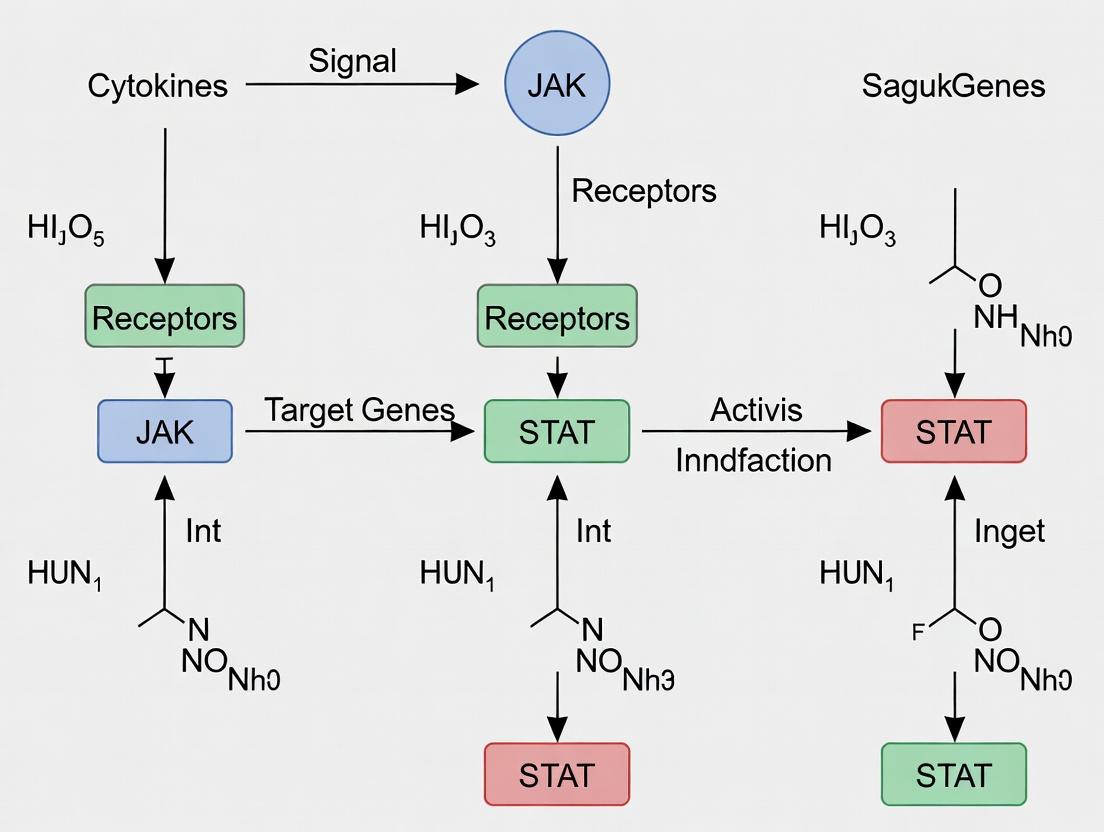
This article provides a comprehensive analysis of the JAK-STAT signaling pathway's central role in perpetuating low-grade chronic inflammation and driving tissue senescence.
The JAK-STAT Pathway: Decoding Its Role in Low-Grade Chronic Inflammation and Tissue Senescence for Therapeutic Intervention
Abstract
This article provides a comprehensive analysis of the JAK-STAT signaling pathway's central role in perpetuating low-grade chronic inflammation and driving tissue senescence. Tailored for researchers, scientists, and drug development professionals, it explores the foundational biology connecting persistent pathway activation to cellular aging and dysfunction. We detail contemporary methodological approaches for studying this axis in disease models, address common experimental challenges and optimization strategies, and evaluate emerging therapeutic agents targeting JAK-STAT in age-related pathologies. The synthesis aims to bridge molecular mechanisms with translational applications for developing novel senomorphic and anti-inflammatory therapies.
Core Mechanisms: How Chronic JAK-STAT Activation Fuels Inflammation and Senescence
The JAK-STAT signaling pathway is a fundamental mechanism for transducing extracellular cytokine and growth factor signals into transcriptional responses within the nucleus. Its precise regulation is critical for cellular homeostasis, governing processes such as immune cell development, hematopoiesis, and tissue repair. However, persistent or dysregulated activation of this pathway is a central driver of low-grade chronic inflammation, tissue senescence, and a spectrum of autoimmune, oncologic, and degenerative diseases. This whitepaper, framed within a broader thesis on JAK-STAT's role in chronic inflammation and tissue aging, delineates the molecular axis that separates its physiological functions from its pathological consequences, providing a technical guide for therapeutic targeting.
Molecular Mechanism: A Delicate Balance
JAKs (Janus kinases) are receptor-associated tyrosine kinases, and STATs (Signal Transducers and Activators of Transcription) are latent cytoplasmic transcription factors. Upon ligand binding, receptor dimerization brings associated JAKs into proximity for cross-phosphorylation and activation. The active JAKs then phosphorylate specific tyrosine residues on the receptor cytoplasmic tails, creating docking sites for STAT monomers via their Src homology 2 (SH2) domains. STATs are subsequently phosphorylated by JAKs, leading to their dimerization, nuclear translocation, and DNA binding to regulate gene expression.
Diagram: Core JAK-STAT Signaling Cascade
Quantitative Data: Homeostatic vs. Chronic Disease States
Table 1: Comparative Metrics of JAK-STAT Signaling in Homeostasis vs. Chronic Disease
| Parameter | Homeostatic State (e.g., Acute Injury Response) | Chronic Disease State (e.g., RA, Psoriasis) |
|---|---|---|
| Primary Activating Cytokines | IL-6, IL-10, G-CSF (transient pulses) | Sustained TNF-α, IL-6, IL-23, IFN-γ |
| STAT Phosphorylation Duration | Minutes to 1-2 hours | Persists for several hours to days |
| Key Transcriptional Output | SOCS1/3, CIS (feedback inhibition), Acute-phase proteins | Pro-inflammatory genes (IL-17, MMPs), Anti-apoptotic genes |
| Canonical Pathway Involved | STAT3 (acute phase), STAT5 (hematopoiesis) | STAT3 (chronic inflammation, senescence), STAT1 (IFN-driven disease) |
| Association with Cellular Senescence | Transient STAT3 activation in repair; no SASP | Persistent STAT3 activation drives SASP (IL-6, IL-8) |
| Epigenetic Landscape | Open chromatin at SOCS loci; transient histone modifications | Stable epigenetic remodeling at inflammatory gene promoters |
Table 2: Pharmacological Modulation of the JAK-STAT Axis in Clinical Development
| Drug/Target | STAT Specificity | Primary Indication(s) | Phase/Status (as of 2023/24) |
|---|---|---|---|
| Tofacitinib | JAK1/JAK3 > JAK2 | Rheumatoid Arthritis, Ulcerative Colitis | FDA Approved |
| Upadacitinib | JAK1 selective | RA, Atopic Dermatitis, Crohn's | FDA Approved |
| Decernotinib | JAK3 selective | RA (investigational) | Phase II (terminated) |
| STAT3 Inhibitors (e.g., TTII-23) | Direct STAT3 SH2 domain binder | Advanced Cancers, Autoimmunity | Preclinical/Phase I |
Key Experimental Protocols
Protocol: Assessing Temporal Dynamics of STAT Phosphorylation
Objective: To differentiate transient (homeostatic) from sustained (chronic) pathway activation.
- Cell Stimulation: Serum-starve primary cells or cell lines (e.g., fibroblast, T cell). Stimulate with a homeostatic cytokine (e.g., 10 ng/mL IL-6 for 15 min) or a chronic inflammatory mix (e.g., 10 ng/mL IL-6 + 5 ng/mL TNF-α). Maintain parallel unstimulated controls.
- Lysis & Quantification: At timepoints (0, 15, 30, 60, 120, 360 min), lyse cells in RIPA buffer with protease/phosphatase inhibitors.
- Western Blot: Resolve 20-30 µg protein via SDS-PAGE. Transfer to PVDF membrane. Probe sequentially with:
- Primary: Anti-p-STAT3 (Tyr705) (1:1000).
- Secondary: HRP-conjugated anti-rabbit IgG (1:5000).
- Strip and re-probe for total STAT3 for normalization.
- Analysis: Quantify band density. Plot p-STAT3/STAT3 ratio vs. time. Homeostatic signals show sharp peak and rapid decline; chronic signals show plateau.
Protocol: Chromatin Immunoprecipitation (ChIP) for STAT Binding
Objective: To map persistent STAT occupancy at inflammatory gene promoters in senescent cells.
- Crosslinking & Shearing: Fix 1x10^6 senescent and non-senescent control cells with 1% formaldehyde for 10 min. Quench with glycine. Sonicate chromatin to 200-500 bp fragments.
- Immunoprecipitation: Incubate chromatin overnight at 4°C with:
- Test: Anti-STAT3 antibody.
- Control: Normal rabbit IgG (negative control).
- Input: 10% of pre-IP chromatin (positive control).
- Wash, Reverse Crosslink, & Purify: Use magnetic Protein A/G beads. Wash stringently. Reverse crosslinks at 65°C overnight. Purify DNA with a spin column kit.
- qPCR Analysis: Perform qPCR on purified DNA using primers for target promoters (e.g., IL6, IL8, SOCS3) and a non-target genomic region. Calculate % input.
The Scientist's Toolkit: Research Reagent Solutions
Table 3: Essential Reagents for JAK-STAT Pathway Research
| Reagent | Function & Application | Example (Supplier) |
|---|---|---|
| Phospho-specific STAT Antibodies | Detect activated (tyrosine-phosphorylated) STATs via WB, flow cytometry, or IHC. Critical for assessing pathway activity. | Anti-phospho-STAT1 (Tyr701), Anti-phospho-STAT3 (Tyr705) (Cell Signaling Tech) |
| Pathway Reporter Cell Lines | Stable cell lines with a luciferase or GFP reporter under a STAT-responsive promoter (e.g., 4xM67 pTATA SIE). Enable high-throughput screening of modulators. | HEK293-STAT3-luciferase reporter (BPS Bioscience) |
| Recombinant Cytokine/Cytokine Cocktails | Precisely activate specific JAK-STAT branches. "Homeostatic" vs. "Chronic inflammatory" mixes are essential for modeling disease states. | Human IL-6, IFN-γ, TNF-α (PeproTech) |
| JAK-STAT Pathway Inhibitors (Tool Compounds) | Pharmacologically validate pathway dependency. Range from pan-JAK inhibitors (e.g., Pyridone 6) to selective STAT3 SH2 domain blockers. | Tofacitinib (Selleckchem), Stattic (STAT3 inhibitor, Sigma) |
| SOCS Mimetics/Expression Vectors | Tools to study the primary negative feedback loop. SOCS1/3 overexpression vectors or cell-permeable SOCS mimetic peptides. | SOCS3 Recombinant Protein (Abcam) |
The Homeostasis-Disease Axis: Regulatory Networks
Diagram: Regulatory Networks Defining the Homeostasis-Disease Axis
The JAK-STAT pathway exemplifies a fundamental biological axis where the magnitude, duration, and cellular context of an otherwise conserved signal determine functional outcomes ranging from tissue repair to destructive chronic inflammation and senescence. The quantitative and temporal data, alongside specific experimental protocols and reagents outlined herein, provide a framework for researchers to dissect this axis. Future therapeutic strategies must evolve beyond broad JAK inhibition towards precision interventions that selectively disrupt pathological STAT signaling (e.g., in senescent cells) while preserving or restoring homeostatic feedback, a core tenet of advanced research in low-grade chronic inflammation and tissue aging.
Low-grade chronic inflammation, a hallmark of aging and age-related diseases, is intrinsically linked to the accumulation of senescent cells. These cells secrete a complex mixture of factors known as the senescence-associated secretory phenotype (SASP), which perpetuates inflammation and disrupts tissue homeostasis. Central to both the initiation and maintenance of this pathological nexus is the Janus kinase-signal transducer and activator of transcription (JAK-STAT) signaling pathway. This whitepaper provides an in-depth technical analysis of the mechanisms linking JAK-STAT signaling to the SASP, the resultant autocrine/paracrine cytokine loops, and the experimental frameworks for investigating this axis, contextualized within a broader research thesis on targeting JAK-STAT to mitigate inflammaging and tissue dysfunction.
The Core Mechanism: From Senescence Induction to a JAK-STAT Driven SASP
Cellular senescence can be induced by diverse stressors (e.g., DNA damage, oncogene activation, oxidative stress). A key consequence is the activation of the NF-κB and C/EBPβ transcription factors, which initiate transcription of SASP components like IL-6 and IL-8. These cytokines are secreted and bind to their cognate receptors (e.g., IL-6R, CXCR2) on the senescent cell surface or neighboring cells, leading to autocrine/paracrine JAK-STAT pathway activation.
JAK-STAT acts as a master regulator and amplifier of the SASP via a two-phase process:
- Initiation Phase: Early SASP factors, induced by NF-κB/C/EBPβ, activate JAK-STAT signaling.
- Amplification & Maintenance Phase: Activated STATs (primarily STAT3) translocate to the nucleus and cooperate with NF-κB to drive a sustained, enhanced transcriptional program for a broader, more potent SASP. This creates a forward-feedback loop where SASP cytokines activate JAK-STAT, which in turn produces more SASP cytokines.
Diagram 1: JAK-STAT as an Amplifier of the SASP Feedback Loop
Quantitative Data: Key SASP Components and Their Regulation by JAK-STAT
The following tables summarize core SASP factors, their receptors, associated JAK/STAT members, and the quantifiable impact of JAK-STAT inhibition on the SASP and senescence phenotypes, based on recent literature.
Table 1: Core SASP Cytokines/Chemokines and Their Primary Signaling Pathways
| SASP Factor | Primary Receptor(s) | Primary JAK(s) Involved | Primary STAT(s) Activated | Key Evidence (JAK-STAT Link) |
|---|---|---|---|---|
| Interleukin-6 (IL-6) | IL-6R/gp130 | JAK1, JAK2, TYK2 | STAT3 | JAKi reduces IL-6 production; STAT3 KO ablates IL-6 expression in senescence. |
| Interleukin-8 (CXCL8) | CXCR1, CXCR2 | JAK2 (via receptor crosstalk) | STAT3, STAT5 | JAKi inhibits IL-8 secretion; STAT3 binds to IL-8 promoter. |
| Monocyte Chemoattractant Protein-1 (MCP-1/CCL2) | CCR2 | JAK2, TYK2 | STAT1, STAT3 | Ruxolitinib (JAK1/2i) reduces CCL2 secretion in senescent fibroblasts. |
| Growth-Related Oncogene-α (GRO-α/CXCL1) | CXCR2 | JAK2 | STAT3 | STAT3 phosphorylation correlates with CXCL1 levels; JAKi diminishes secretion. |
Table 2: Impact of JAK-STAT Inhibition on Senescence Parameters In Vitro
| Experimental Model | Senescence Inducer | JAK-STAT Inhibitor Used | Key Quantitative Outcomes | Reference (Type) |
|---|---|---|---|---|
| Human IMR-90 fibroblasts | Ionizing Radiation (10 Gy) | Ruxolitinib (JAK1/2i, 1 μM) | ↓ SA-β-Gal+ cells by ~40%; ↓ IL-6 secretion by 75%; ↓ p-STAT3 by >90%. | Campisi Lab, 2015 |
| Primary Human Preadipocytes | Etoposide (20 μM, 48h) | Tofacitinib (JAK1/3i, 5 μM) | ↓ SASP transcriptome score by 60%; ↓ MMP-3 secretion by 70%; No change in p16 mRNA. | Xu et al., 2021 |
| Mouse Embryonic Fibroblasts (MEFs) | Oncogenic RAS | Stattic (STAT3 inhibitor, 5 μM) | ↓ SA-β-Gal+ cells by ~50%; ↓ IL-6 and CXCL1 mRNA by >80%; Impaired paracrine senescence. | Lujambio Lab, 2017 |
Experimental Protocols for Investigating the Nexus
Protocol: Assessing JAK-STAT Activity in Senescent Cells
Aim: To quantify JAK-STAT pathway activation (phosphorylation) and its functional role in SASP production following senescence induction.
Key Materials & Reagents:
- Cell Model: Primary human diploid fibroblasts (e.g., WI-38, IMR-90) or disease-relevant primary cells.
- Senescence Inducers: Etoposide (20 μM, 48h), Doxorubicin (250 nM, 48h), or serial passage (Replicative Senescence).
- JAK-STAT Inhibitors: Ruxolitinib (JAK1/2), Tofacitinib (JAK1/3), Stattic (STAT3 inhibitor).
- Validation: SA-β-Gal Staining Kit (e.g., Cell Signaling Technology #9860), p16INK4a antibody (IHC/Flow), p21CIP1 antibody.
Methodology:
- Induction & Treatment: Seed cells in 6-well plates. Induce senescence. Include vehicle and proliferating controls. 48h post-induction, treat with JAK-STAT inhibitor or vehicle for 24-72h.
- Protein Extraction & Western Blot: Harvest cells in RIPA buffer with phosphatase/protease inhibitors.
- Primary Antibodies: p-STAT3 (Tyr705), total STAT3, p-STAT1 (Tyr701), total STAT1, p-JAK2 (Tyr1007/1008), Actin.
- Analysis: Quantify band intensity; normalize p-protein to total protein and loading control.
- SASP Quantification (Secretome):
- Conditioned Media (CM): Collect serum-free CM from last 24h of treatment. Centrifuge to remove debris.
- Multiplex ELISA: Use Luminex or ELISA kits (e.g., Bio-Plex Pro Human Cytokine 8-plex) to quantify IL-6, IL-8, MCP-1, etc.
- Normalization: Normalize cytokine concentration to total cellular protein or cell count.
- Functional Validation (Paracrine Senescence):
- Filter CM (0.22μm). Apply CM from senescent ± inhibitor cells to naive, proliferating target cells (e.g., fibroblasts) for 72h.
- Assess senescence induction in targets via SA-β-Gal staining and p16/p21 expression.
Protocol: Chromatin Immunoprecipitation (ChIP) for STAT3 Binding at SASP Gene Loci
Aim: To determine direct transcriptional regulation of SASP genes by STAT3 in senescent cells.
Methodology:
- Crosslinking & Cell Lysis: Fix ~1x10^7 senescent/inhibitor-treated cells with 1% formaldehyde for 10min. Quench with glycine. Lyse cells.
- Chromatin Shearing: Sonicate lysate to shear DNA to 200-500 bp fragments. Verify fragment size by agarose gel.
- Immunoprecipitation: Incubate chromatin with anti-STAT3 antibody or IgG control. Use Protein A/G magnetic beads for capture.
- Washing, Elution, & Reverse Crosslink: Stringently wash beads. Elute chromatin. Reverse crosslinks at 65°C overnight.
- DNA Purification & qPCR Analysis: Purify DNA. Perform qPCR with primers specific for promoters/enhancers of IL6, IL8, and CCL2. Calculate % input or fold enrichment over IgG control.
The Scientist's Toolkit: Key Research Reagent Solutions
Table 3: Essential Reagents for Investigating the JAK-STAT-SASP Axis
| Reagent Category | Specific Example(s) | Function/Application in Research |
|---|---|---|
| Senescence Inducers | Etoposide, Doxorubicin, Bleomycin, Hydrogen Peroxide (H₂O₂) | Induce DNA damage stress to trigger a robust, synchronous senescence response for experimental study. |
| JAK-STAT Inhibitors (Small Molecules) | Ruxolitinib (INCB018424): JAK1/2iTofacitinib (CP-690550): JAK1/3iStattic: STAT3 SH2 domain inhibitor | Pharmacologically dissect pathway contribution to SASP. Used in vitro and in vivo to validate therapeutic potential. |
| Phospho-Specific Antibodies | p-STAT3 (Tyr705), p-STAT1 (Tyr701), p-JAK2 (Tyr1007/1008) | Key for Western Blot and Flow Cytometry to measure pathway activation status in senescent vs. control cells. |
| SASP Detection Kits | Luminex Multiplex Assays (e.g., Bio-Rad, Millipore)ELISA Kits (e.g., R&D Systems DuoSet) | Quantify the secretome profile. Multiplex allows parallel measurement of dozens of SASP factors from limited conditioned media. |
| Senescence Biomarker Detection | SA-β-Gal Staining Kit (e.g., CST #9860)Anti-p16INK4a antibody (clone E6H4, CINtec)Anti-p21Waf1/Cip1 antibody | Confirm the establishment of senescence. p16 is a more specific marker than SA-β-Gal. |
| ChIP-Grade Antibodies | Anti-STAT3 (for ChIP, e.g., Cell Signaling #12640)Normal Rabbit IgG (negative control) | Essential for chromatin immunoprecipitation experiments to map transcription factor binding to SASP gene regulatory regions. |
The JAK-STAT pathway's role as a central amplifier of the SASP and inflammatory-senescence feedback loops presents a compelling therapeutic target. Preclinical data using JAK inhibitors (JAKi) like ruxolitinib show efficacy in reducing SASP burden, ameliorating paracrine senescence, and improving tissue function in aged or progeroid mouse models. Current clinical trials are exploring JAKi (e.g., baricitinib, ruxolitinib) for frailty and age-related conditions like idiopathic pulmonary fibrosis. Future research must focus on tissue-specific JAK-STAT dynamics, the development of senolytic JAKi combinations, and identifying biomarkers to stratify patients for "senostatic" therapy. Within the thesis of targeting low-grade inflammation, inhibiting JAK-STAT offers a rational strategy to break the vicious cycle between senescence and inflammation, potentially delaying multiple age-related pathologies.
In the broader research on low-grade chronic inflammation and tissue senescence, the JAK-STAT pathway serves as a central signaling node. Pro-inflammatory cytokines, particularly IL-6 and IFN-γ, are pivotal upstream mediators whose sustained, low-level production drives this pathogenic state. Their engagement with specific receptor complexes leads to the persistent activation of JAK kinases and STAT transcription factors, resulting in a chronic inflammatory gene program. This process disrupts tissue homeostasis, promotes cellular senescence, and contributes to the pathophysiology of age-related diseases. Understanding the precise molecular architecture and dynamics of these cytokine-receptor complexes is therefore fundamental to developing targeted therapeutics aimed at intercepting the chronic inflammation cascade.
Structural & Functional Biology of Key Cytokine-Receptor Complexes
Interleukin-6 (IL-6) and the IL-6R/gp130 Complex
IL-6 signals via a two-step receptor mechanism. First, IL-6 binds to its specific, non-signaling alpha receptor (IL-6Rα), which exists in membrane-bound (mIL-6R) or soluble (sIL-6R) forms. This IL-6/IL-6Rα complex then recruits two molecules of the signal-transducing subunit, glycoprotein 130 (gp130), inducing homodimerization. gp130 dimerization brings the associated intracellular Janus Kinases (JAK1, JAK2, and TYK2) into proximity for trans-activation, initiating downstream signaling, primarily the JAK-STAT (STAT1 and STAT3) pathway.
Interferon-gamma (IFN-γ) and the IFN-γR Complex
IFN-γ signals through a high-affinity cell surface receptor composed of two ligand-binding IFN-γR1 chains and two signal-transducing IFN-γR2 chains. IFN-γ binds to two IFN-γR1 subunits, causing a conformational change that facilitates the recruitment of two IFN-γR2 subunits. This assembly forms a tetrameric complex (α₂β₂), which activates receptor-associated JAK1 (bound to IFN-γR2) and JAK2 (bound to IFN-γR1). This leads to the phosphorylation, dimerization, and nuclear translocation of STAT1 homodimers, driving the expression of interferon-stimulated genes (ISGs).
Table 1: Quantitative Comparison of IL-6 and IFN-γ Receptor Complexes
| Parameter | IL-6 Receptor System | IFN-γ Receptor System |
|---|---|---|
| Core Signaling Subunits | IL-6Rα (or sIL-6R) + gp130 (homodimer) | IFN-γR1 (α-chain) + IFN-γR2 (β-chain) (heterotetramer) |
| JAK Kinases Associated | Primarily JAK1, JAK2, TYK2 | JAK1 (with IFN-γR2), JAK2 (with IFN-γR1) |
| Primary STAT Activated | STAT3 (major), STAT1 | STAT1 (homodimers) |
| Approx. Kd (Ligand) | ~1 nM (IL-6 to mIL-6R) | ~0.1-0.5 nM (IFN-γ to cell surface receptor) |
| Key Signaling Pathways | JAK-STAT, MAPK, PI3K-Akt | JAK-STAT (canonical) |
| Role in Chronic Inflammation | Major driver of acute phase response, Th17 differentiation, senescence-associated secretory phenotype (SASP). | Promotes macrophage activation, antigen presentation, and chronic inflammatory states like autoimmunity. |
Experimental Protocols for Key Assays
Protocol: Co-Immunoprecipitation (Co-IP) of Cytokine-Receptor-JAK Complexes
Objective: To detect physical interaction between a cytokine receptor (e.g., IFN-γR1) and its associated JAK kinase in cells stimulated with ligand.
Methodology:
- Cell Stimulation: Culture HEK293T or relevant primary cells. Serum-starve for 4-6 hours. Treat experimental group with recombinant human IFN-γ (e.g., 20 ng/mL) for 15 minutes at 37°C. Include an unstimulated control.
- Cell Lysis: Place cells on ice, wash with cold PBS, and lyse in 1 mL of NP-40 or RIPA lysis buffer (with 1x protease and phosphatase inhibitors) for 30 minutes on ice. Centrifuge at 14,000 x g for 15 minutes at 4°C to clear debris.
- Pre-clearing: Incubate lysate with 20 µL of Protein A/G agarose beads for 30 minutes at 4°C. Centrifuge to collect supernatant.
- Immunoprecipitation: Incubate pre-cleared lysate with 2-4 µg of anti-IFN-γR1 antibody (or control IgG) overnight at 4°C with gentle rotation. Add 30 µL of Protein A/G beads and incubate for 2-4 hours.
- Bead Washing: Pellet beads and wash 4-5 times with 1 mL of cold lysis buffer.
- Elution & Analysis: Elute proteins by boiling beads in 2X Laemmli sample buffer for 5 minutes. Analyze by SDS-PAGE and western blot, probing for JAK2 (associated kinase) and IFN-γR1 (to confirm IP).
Protocol: Phospho-STAT Analysis by Flow Cytometry
Objective: To quantify STAT1 or STAT3 phosphorylation at the single-cell level in response to IL-6 or IFN-γ stimulation.
Methodology:
- Cell Stimulation: Aliquot 0.5-1 x 10^6 cells (e.g., peripheral blood mononuclear cells) per stimulation condition into tubes. Stimulate with IL-6 (50 ng/mL) + soluble IL-6R (50 ng/mL) or IFN-γ (100 ng/mL) for 15-20 minutes at 37°C. Include an unstimulated control.
- Fixation: Immediately add an equal volume of pre-warmed (37°C) 4% formaldehyde (final 2%). Incubate for 10 minutes at 37°C.
- Permeabilization: Pellet cells, wash with PBS, and resuspend in 1 mL of ice-cold 90% methanol. Vortex and incubate on ice for at least 30 minutes (or overnight at -20°C).
- Staining: Pellet cells, wash twice with Flow Cytometry Staining Buffer. Resuspend in 100 µL of buffer containing fluorochrome-conjugated antibodies against surface markers (CD14, CD3) and intracellular phospho-specific antibodies (e.g., anti-pSTAT1-Y701, anti-pSTAT3-Y705). Incubate for 1 hour at room temperature in the dark.
- Acquisition: Wash cells, resuspend in buffer, and acquire data on a flow cytometer. Analyze phospho-STAT levels within specific gated cell populations.
Signaling Pathway Diagrams
The Scientist's Toolkit: Key Research Reagent Solutions
Table 2: Essential Reagents for Cytokine-Receptor-JAK-STAT Research
| Reagent / Material | Function / Purpose | Example Catalog # / Source |
|---|---|---|
| Recombinant Human Cytokines | High-purity ligands for precise cell stimulation (e.g., dose-response, time-course). | R&D Systems (206-IL, 285-IF), PeproTech |
| Phospho-Specific Antibodies | Detect activated (phosphorylated) forms of JAKs, STATs, and receptors via western blot, flow cytometry, or IHC. | Cell Signaling Technology (pSTAT1 #9167, pSTAT3 #9145) |
| Pathway Inhibitors | Small molecule inhibitors to dissect pathway specificity (e.g., JAK inhibitors, STAT3 inhibitors). | Tofacitinib (JAKi), Stattic (STAT3i) - Selleckchem |
| siRNA/shRNA or CRISPR Guides | Knockdown or knockout specific receptor components (e.g., IFN-γR1, gp130, JAK1) to study functional loss. | Dharmacon, Sigma-Aldrich, Addgene |
| Soluble Receptor Proteins | Used to block signaling (as decoys) or, in the case of sIL-6R, to study trans-signaling. | R&D Systems (227-SR, 670-IF) |
| Luciferase Reporter Constructs | Plasmids with STAT-responsive elements (e.g., GAS, SIE) driving luciferase to measure transcriptional activity. | Promega (pGL4.47[luc2P/SIE/Hygro]) |
| Cytokine ELISA/Kits | Quantify cytokine levels (IL-6, IFN-γ, SASP factors) in cell supernatants, serum, or tissue lysates. | BioLegend, Thermo Fisher Scientific |
| Protease/Phosphatase Inhibitors | Essential additives to lysis buffers to preserve post-translational modifications and protein complexes during analysis. | Roche (cOmplete, PhosSTOP) |
The JAK-STAT signaling pathway is a critical nexus in cellular communication, translating extracellular cytokine signals into rapid transcriptional programs. In the context of low-grade chronic inflammation and tissue senescence—a hallmark of aging and numerous age-related pathologies—the persistent, dysregulated activation of STAT proteins, particularly STAT1, STAT3, and STAT5, drives pathogenic transcriptional outcomes. This whitepaper details the core mechanisms by which STATs orchestrate two interconnected gene programs: a pro-senescent program that enforces irreversible cell-cycle arrest and a pro-inflammatory program that sustains a secretome rich in cytokines, chemokines, and matrix-remodeling factors (the senescence-associated secretory phenotype, SASP). The chronicity of this signaling loop is a fundamental contributor to tissue dysfunction, creating a self-reinforcing microenvironment that propagates inflammation and senescence to neighboring cells.
Core STAT-Driven Transcriptional Mechanisms
Pro-Senescent Gene Program Activation
Persistent STAT activation, often in response to chronic interferon (IFN-γ/STAT1) or IL-6 family cytokines (STAT3), enforces cellular senescence through direct transcriptional upregulation of cyclin-dependent kinase inhibitors (CDKIs).
- p21^CIP1/WAF1 (CDKN1A): A primary target of STAT1 and STAT3. Sustained p21 expression is a key effector of senescence-associated cell cycle arrest.
- p16^INK4A (CDKN2A): While more commonly linked to stress-induced senescence via p53 and epigenetic regulators, its expression can be influenced by STAT5 in certain contexts and is a critical marker of the senescence state.
Pro-Inflammatory/SASP Gene Program Activation
STAT3 is the master regulator of the core SASP. STAT1 and NF-κB co-operate to shape its inflammatory profile.
- IL-6 and IL-8: STAT3 binds to the promoters of IL6 and CXCL8 (IL-8), creating a potent autocrine and paracrine feedback loop that sustains its own activation.
- Chemokines (CCL2, CCL5) and MMPs: STAT-driven transcription amplifies immune cell recruitment and tissue remodeling.
Table 1: Core STAT-Driven Transcriptional Targets in Senescence & Inflammation
| STAT Isoform | Primary Inducers | Key Direct Transcriptional Targets | Reported Fold-Change (Range) | Functional Outcome |
|---|---|---|---|---|
| STAT1 | IFN-γ, IFN-α/β | CDKN1A (p21), IRF1, CXCL10 | p21: 3-8x; CXCL10: 10-50x | Cell cycle arrest, Immunostimulatory SASP |
| STAT3 | IL-6, IL-10, OSM | IL6, CXCL8 (IL-8), CCL2, MMP9, BCL2 | IL-6: 5-20x; IL-8: 10-100x | SASP amplification, Survival, Angiogenesis |
| STAT5 | GM-CSF, Growth Hormone | PIM1, SOCS2, BCL2L1 | PIM1: 2-5x | Pro-survival signals, Modulates senescence |
Experimental Protocols for Key Assays
Protocol: Chromatin Immunoprecipitation Sequencing (ChIP-seq) for STAT Binding
Objective: To map genome-wide occupancy of phosphorylated STAT proteins on promoter/enhancer regions. Methodology:
- Cross-linking & Lysis: Treat senescent cells (e.g., etoposide-induced or replicative) with 1% formaldehyde for 10 min. Quench with 125 mM glycine. Lyse cells in SDS lysis buffer.
- Chromatin Shearing: Sonicate lysate to yield DNA fragments of 200-500 bp. Immunoprecipitate with antibodies against p-STAT1 (Tyr701), p-STAT3 (Tyr705), or total STAT, with IgG as control.
- Washing & Elution: Wash complexes sequentially with low salt, high salt, LiCl, and TE buffers. Elute with elution buffer (1% SDS, 0.1M NaHCO3).
- Reverse Cross-linking & Purification: Add 5M NaCl and incubate at 65°C overnight. Treat with Proteinase K, then purify DNA with spin columns.
- Library Prep & Sequencing: Prepare sequencing library (end repair, A-tailing, adapter ligation, PCR amplification). Sequence on Illumina platform.
- Analysis: Align reads to reference genome (e.g., hg38). Call peaks using MACS2. Annotate peaks to nearest gene promoters.
Protocol: SASP Cytokine Profiling via Multiplex ELISA
Objective: To quantitatively profile the secretome of STAT-driven senescent cells. Methodology:
- Conditioned Media Collection: Culture STAT-activated senescent cells in serum-free media for 24-48 hours. Centrifuge to remove cell debris. Store at -80°C.
- Assay Setup: Use a commercially available human cytokine multiplex panel (e.g., 25-plex for IL-6, IL-8, IL-1β, TNF-α, CCL2, CCL5, etc.). Prepare standards and controls as per kit instructions.
- Plate Incubation: Add samples, standards, and controls to antibody-precoated wells. Incubate (2h, RT, shaking). Wash.
- Detection: Add biotinylated detection antibody cocktail (1h, RT, shaking). Wash. Add streptavidin-conjugated fluorescent reporter (30 min, RT, protected from light).
- Reading & Analysis: Wash, add reading buffer, and analyze on a Luminex or compatible plate reader. Generate standard curves and calculate concentrations.
Visualizations: Signaling Pathways & Workflows
Diagram: JAK-STAT in Senescence & Inflammation
Title: Core STAT Activation Drives Senescence & Inflammation
Diagram: Experimental Workflow for STAT Target Validation
Title: STAT Target Gene Validation Workflow
The Scientist's Toolkit: Key Research Reagents
Table 2: Essential Reagents for Investigating STAT-Driven Programs
| Reagent Category | Specific Example(s) | Function & Application |
|---|---|---|
| STAT Activators | Recombinant Human IFN-γ, IL-6 (with soluble IL-6R), Oncostatin M (OSM) | To induce specific STAT (STAT1/STAT3) phosphorylation and activation in vitro. |
| JAK/STAT Inhibitors | Ruxolitinib (JAK1/2), Stattic (STAT3 SH2 domain), Tofacitinib (JAK1/3) | Pharmacological tools to disrupt pathway signaling and validate STAT-dependent phenotypes. |
| Phospho-STAT Antibodies | Anti-p-STAT1 (Tyr701), Anti-p-STAT3 (Tyr705) | For Western Blot, Flow Cytometry, and Immunofluorescence to detect pathway activation. |
| ChIP-Grade Antibodies | Anti-STAT1, Anti-STAT3, Anti-Acetyl-Histone H3 | For chromatin immunoprecipitation to identify direct genomic binding sites. |
| Senescence Detectors | β-Galactosidase (SA-β-Gal) Staining Kit, C12FDG substrate | Histochemical/flow cytometric detection of senescence-associated β-galactosidase activity. |
| Multiplex Cytokine Arrays | Luminex Discovery Assays, Proteome Profiler Arrays | High-throughput quantification of SASP factors from conditioned media. |
| siRNA/shRNA Libraries | STAT1, STAT3, JAK1, JAK2 targeted constructs | For genetic knockdown to confirm functional roles of specific pathway components. |
| Reporter Constructs | pSTAT3-TA-Luc, ISRE-Luc Reporter | Luciferase-based reporters to measure STAT-specific transcriptional activity. |
Abstract: This technical guide examines tissue-specific pathophysiology within the broader thesis of JAK-STAT pathway dysregulation in low-grade chronic inflammation (LGCI) and its causal role in tissue senescence. Persistent, subclinical activation of inflammatory signaling creates a unique milieu in each tissue, leading to divergent metabolic, neural, and musculoskeletal manifestations that converge on functional decline. This whitepaper synthesizes current research to delineate these mechanisms and provides standardized experimental frameworks for their investigation.
The JAK-STAT signaling pathway is a primary conduit for cytokine and growth factor signaling. In LGCI, chronic, low-level stimulation (e.g., by IL-6, TNF-α, interferons) leads to sustained JAK-STAT activation. This disrupts normal cellular homeostasis, promoting a senescence-associated secretory phenotype (SASP), mitochondrial dysfunction, and insulin resistance. Critically, the outcome of this dysregulation is tissue-specific, dictated by resident cell types, local metabolic demands, and unique microenvironmental factors.
Metabolic System Manifestations: Adipose & Liver
In metabolic tissues, LGCI driven by JAK-STAT activation directly impairs insulin signaling and lipid homeostasis.
Key Mechanism: In adipocytes, JAK-STAT1/3 activation by IFN-γ and IL-6 suppresses PPAR-γ activity, leading to adipocyte dysfunction, increased lipolysis, and release of free fatty acids (FFAs). In hepatocytes, STAT3 serine phosphorylation (via IL-6) contributes to hepatic insulin resistance, while STAT5 inhibition promotes steatosis.
Table 1: Quantitative Impacts of JAK-STAT Dysregulation in Metabolic Tissues
| Tissue | Key Cytokine | Primary STAT | Measurable Outcome | Typical Change in LGCI Model |
|---|---|---|---|---|
| White Adipose | IFN-γ, IL-6 | STAT1, STAT3 | Insulin-stimulated glucose uptake ↓ | 40-60% reduction |
| Liver | IL-6, Leptin | STAT3, STAT5 | Hepatic gluconeogenesis ↑ | 2-3 fold increase |
| Skeletal Muscle | TNF-α, IL-1β | STAT3 | Protein synthesis rate ↓ | 25-35% reduction |
Experimental Protocol 1: Assessing JAK-STAT Activity in Metabolic Tissues
- Objective: Quantify phosphorylated STAT (pSTAT) levels in liver and adipose tissue from a diet-induced obesity (DIO) LGCI model.
- Materials: C57BL/6J mice on 60% high-fat diet (HFD) for 16 weeks vs. chow control.
- Procedure:
- Fast animals for 6 hours. Sacrifice and collect epididymal white adipose tissue (eWAT) and liver.
- Homogenize tissues in RIPA buffer with phosphatase/protease inhibitors.
- Perform Western Blot for pSTAT3 (Tyr705), pSTAT1 (Tyr701), total STAT3/1, and β-actin.
- Normalize pSTAT band density to total STAT and express relative to chow control.
- Correlate with metabolic phenotyping (glucose/insulin tolerance tests).
Neural System Manifestations: Brain
In the central nervous system, LGCI manifests as neuroinflammation, contributing to cognitive decline and mood disorders.
Key Mechanism: Microglial and astrocytic JAK-STAT hyperactivation, particularly STAT1 and STAT3, promotes a pro-inflammatory state, reduces neurotrophic support (e.g., BDNF), and compromises blood-brain barrier integrity. Neuronal STAT3 dysregulation affects synaptic plasticity.
Experimental Protocol 2: Immunofluorescent Analysis of Neuroinflammation
- Objective: Visualize pSTAT3+ cells and microglial activation in brain sections.
- Materials: Perfused-fixed brain from LGCI model (e.g., systemic LPS challenge or aged mouse); cryostat.
- Procedure:
- Section frozen brain at 20µm (coronal hippocampus/prefrontal cortex).
- Perform dual immunofluorescence: Block, then incubate with primary antibodies: chicken anti-Iba1 (microglia) and rabbit anti-pSTAT3 (Tyr705).
- Incubate with Alexa Fluor 488 anti-chicken and Alexa Fluor 594 anti-rabbit.
- Counterstain nuclei with DAPI, mount, and image with confocal microscopy.
- Quantify: pSTAT3+/Iba1+ cells as a percentage of total Iba1+ cells in a defined region.
Musculoskeletal System Manifestations: Muscle & Bone
JAK-STAT dysregulation in musculoskeletal tissues drives sarcopenia and osteoporosis.
Key Mechanism: In skeletal muscle, sustained STAT3 signaling promotes muscle protein degradation via upregulation of atrogenes (e.g., MuRF1, Atrogin-1) and inhibits myoblast differentiation. In bone, JAK-STAT activation in osteoclasts and osteoblasts disrupts remodeling balance, favoring resorption.
Table 2: Tissue-Specific Senescence & SASP Markers
| System | Tissue | Key Senescence Marker | Prominent SASP Factors | Functional Readout |
|---|---|---|---|---|
| Metabolic | Adipose | p16INK4a ↑ | IL-6, MCP-1, Leptin ↑ | Adiponectin ↓, Insulin Resistance |
| Neural | Hippocampus | SA-β-Gal+ Microglia ↑ | IL-1β, CCL2, TNF-α ↑ | Long-Term Potentiation (LTP) Impaired |
| Musculoskeletal | Skeletal Muscle | γH2AX ↑, p21CIP1 ↑ | IL-6, IL-8, MMPs ↑ | Grip Strength ↓, Fiber Cross-Sectional Area ↓ |
Experimental Protocol 3: Ex Vivo Muscle Function and Signaling Analysis
- Objective: Measure contractile properties and JAK-STAT signaling in isolated skeletal muscle.
- Materials: Extensor digitorum longus (EDL) muscle from aged (24-month) vs. young (3-month) mouse; in situ muscle strip myograph.
- Procedure:
- Carefully dissect EDL muscle with tendon intact.
- Mount in oxygenated (95% O2/5% CO2) physiological salt solution (37°C) at optimal length.
- Measure twitch and tetanic force in response to electrical stimulation.
- Post-measurement, snap-freeze muscle for subsequent analysis of pSTAT3, SOCS3 (feedback inhibitor), and atrogin-1 by Western Blot.
The Scientist's Toolkit: Research Reagent Solutions
Table 3: Essential Reagents for JAK-STAT/LGCI Tissue Research
| Reagent/Material | Function & Application | Example Target/Assay |
|---|---|---|
| Phospho-Specific STAT Antibodies | Detect activated (phosphorylated) STAT proteins in WB, IHC, Flow. Essential for pathway activity assessment. | pSTAT1 (Tyr701), pSTAT3 (Tyr705) |
| JAK Inhibitors (Selective & Pan) | Pharmacological tools to establish causal role of JAK-STAT in vitro and in vivo. | Tofacitinib (JAK1/3), Ruxolitinib (JAK1/2) |
| Cytokine ELISA/Multiplex Array | Quantify tissue or serum SASP factor levels to define inflammatory milieu. | IL-6, TNF-α, IL-1β, MCP-1 |
| Senescence Assay Kits | Identify senescent cells in tissue sections or culture. | SA-β-Gal Staining, p16/p21 mRNA FISH |
| Seahorse XF Analyzer Reagents | Profile mitochondrial function and metabolic flux in live cells from target tissues. | Mito Stress Test (OCR), Glycolysis Test (ECAR) |
| Tissue Dissociation Kits (GentleMACS) | Generate single-cell suspensions from complex tissues (brain, adipose, muscle) for scRNA-seq or flow cytometry. | Myelin removal, Adipocyte dissociation |
Visualizations
Title: JAK-STAT in LGCI Drives Tissue-Specific Disease
Title: Core JAK-STAT Signaling and SOCS Feedback
Title: Experimental Workflow for Tissue-Specific Analysis
Research Strategies: Modern Techniques to Model and Target the Pathway in Aging Tissues
This whitepaper details practical methodologies for establishing in vitro models of cellular senescence and chronic low-grade inflammation (CLGI). These models are critical for dissecting the role of the JAK-STAT signaling pathway, a central mediator of inflammatory and senescence-associated secretory phenotype (SASP) responses. Reliable in vitro systems enable high-throughput screening of therapeutic agents targeting age-related pathologies and sterile inflammation.
Core Inducers of Senescence and Inflammation: Mechanisms and Data
Cellular senescence is a stable cell cycle arrest accompanied by profound secretory and morphological changes. CLGI in culture is often modeled via the SASP. The following tables summarize primary inducers.
Table 1: Inducers of Replicative and Stress-Induced Premature Senescence (SIPS)
| Inducer Category | Specific Agent/ Method | Typical Concentration/ Dose | Exposure Duration | Primary Mechanism & Outcome | Key Senescence Marker Readout |
|---|---|---|---|---|---|
| Genotoxic | Etoposide | 5 - 20 µM | 24 - 72 hours | Topoisomerase II inhibition, DNA damage → p53/p21 activation | SA-β-Gal ↑, p16INK4a ↑, γH2AX foci ↑ |
| Oxidative Stress | Hydrogen Peroxide (H₂O₂) | 100 - 400 µM | 1 - 2 hours (pulse) | ROS accumulation, oxidative DNA/ protein damage → sustained DDR | SA-β-Gal ↑, p21CIP1 ↑, DHE fluorescence ↑ |
| Oncogenic Stress | Activated Ras (H-RasV12) | Transduction/ transfection | Continuous | Hyperproliferative signaling → OIS via p16INK4a/pRB | SA-β-Gal ↑, p16INK4a ↑, SASP cytokines |
| Replicative Exhaustion | Serial Passaging | n/a | ~50-70 cumulative population doublings (for HDFs) | Telomere attrition → DNA damage response | SA-β-Gal ↑, Telomere dysfunction foci ↑ |
| Epigenetic | ATMi (KU-60019) | 1 - 10 µM | 5-10 days | ATM kinase inhibition → altered chromatin homeostasis | SA-β-Gal ↑, SASP, Lamin B1 ↓ |
Table 2: Inducers of Chronic Low-Grade Inflammation (SASP/CLGI)
| Inducer | Concentration Range | Duration | Mechanism Linking to JAK-STAT | Key Inflammatory Readouts |
|---|---|---|---|---|
| TNF-α | 5 - 20 ng/mL | Chronic (≥72h) | Activates NF-κB and JAK-STAT via TNFR1 signaling | IL-6, IL-8, MCP-1 secretion ↑; p-STAT3 ↑ |
| IL-1β | 2 - 10 ng/mL | Chronic (≥72h) | Binds IL-1R, activates MyD88/NF-κB & MAPK pathways | IL-6, GROα, COX-2 ↑; Sustained JAK/STAT activation |
| LPS (for immune cells) | 100 ng/mL - 1 µg/mL | Chronic/Pulsatile | TLR4 activation → NF-κB & MAPK → Pro-inflammatory cytokine production | TNF-α, IL-1β, IL-6 secretion; SOCS3 feedback |
| Palmitic Acid (Metabolic Inflammation) | 200 - 500 µM (with BSA) | 24 - 48 hours (cyclic) | Saturated FFA → ER stress & TLR4 activation → inflammation | IL-8, IL-1β secretion; JNK/NF-κB activation |
| Advanced Glycation End-products (AGEs) | 100 - 200 µg/mL | 5-7 days | RAGE receptor engagement → ROS & pro-inflammatory signaling | IL-6, TNF-α, MCP-1 ↑; RAGE, p-STAT3 ↑ |
Detailed Experimental Protocols
Protocol 3.1: Inducing Senescence with Etoposide in Human Dermal Fibroblasts (HDFs)
Objective: Generate a homogeneous population of DNA damage-induced senescent cells.
- Cell Seeding: Seed early-passage HDFs (e.g., BJ, IMR-90) at 50-60% confluence in complete growth medium.
- Treatment: After 24h, replace medium with fresh medium containing 10 µM etoposide (from 10 mM DMSO stock).
- Exposure Duration: Incubate for 72 hours.
- Recovery & Maintenance: Remove etoposide-containing medium. Wash cells 2x with PBS and maintain in complete medium. Refresh medium every 2-3 days.
- Validation Window: Assay for senescence markers 5-10 days post-treatment.
Protocol 3.2: Establishing a Chronic Low-Grade Inflammation Model via IL-1β
Objective: Mimic a persistent, low-level inflammatory milieu to study JAK-STAT pathway dynamics.
- Cell Preparation: Seed target cells (e.g., fibroblasts, adipocytes) in appropriate growth medium.
- Inflammatory Priming: At ~80% confluence, treat cells with 5 ng/mL recombinant human IL-1β.
- Chronic Stimulation: Maintain IL-1β in the culture medium. Refresh medium and cytokine every 48 hours to ensure sustained signaling.
- Monitoring: Collect conditioned medium at intervals (24h, 72h, 120h) for cytokine multiplex analysis (e.g., IL-6, IL-8). Harvest cells for phospho-STAT3 (Tyr705) analysis via Western blot at corresponding time points.
- JAK-STAT Inhibition Control: Parallel cultures can be co-treated with a JAK inhibitor (e.g., Ruxolitinib, 1 µM) to confirm pathway specificity.
The Scientist's Toolkit: Key Research Reagent Solutions
| Reagent / Material | Function & Role in Model Development |
|---|---|
| Etoposide | Topoisomerase II inhibitor; induces DNA double-strand breaks leading to Stress-Induced Premature Senescence (SIPS). |
| Recombinant Human IL-1β / TNF-α | Gold-standard cytokines to induce sustained pro-inflammatory signaling and SASP, directly activating NF-κB and JAK-STAT pathways. |
| Senescence β-Galactosidase Staining Kit | Histochemical detection of lysosomal β-galactosidase activity at pH 6.0, a hallmark senescence biomarker. |
| Phospho-STAT3 (Tyr705) Antibody | Essential for detecting JAK-STAT pathway activation via Western blot or immunofluorescence in inflammation models. |
| JAK Inhibitor (e.g., Ruxolitinib) | Small molecule inhibitor of JAK1/2; critical for loss-of-function experiments to validate JAK-STAT role in observed phenotypes. |
| Cytokine Multiplex Assay (e.g., Luminex) | Enables quantitative, parallel measurement of multiple SASP factors (IL-6, IL-8, MCP-1) from conditioned medium. |
| Pre-coated BSA-Palmitate Complex | Used to model nutrient overload and metabolic inflammation (lipotoxicity) in adipocytes or hepatocytes. |
| γH2AX Antibody | Detects phosphorylated histone H2AX, a sensitive marker for DNA damage foci, confirming genotoxic senescence induction. |
Signaling Pathways and Workflow Visualizations
Diagram 1: JAK-STAT Pathway in Cytokine Signaling
Diagram 2: Senescence Induction and Validation Workflow
This technical guide details three principal in vivo rodent models for studying "inflammaging"—the age-associated, low-grade chronic inflammation central to tissue senescence and age-related pathologies. Framed within broader research on the JAK-STAT signaling pathway's role in perpetuating this inflammatory state, this whitepaper provides current methodologies, comparative data, and essential research tools.
Transgenic Models (Genetically Engineered)
These models directly manipulate genes in the JAK-STAT pathway or its regulators to elucidate their specific role in driving inflammaging.
Key Model Examples:
- STAT-Knockout/Overexpression Models: Tissue-specific knockout (e.g., Stat3Δ/Δ in macrophages) or constitutive activation (e.g., Stat5 CA) to dissect cell-type-specific effects.
- SOCS Knockout Models: Deletion of Suppressors of Cytokine Signaling (Socs1, Socs3), negative regulators of JAK-STAT, leading to hyper-inflammatory phenotypes.
- Progeroid Models: Such as Ercc1Δ/- mice, which exhibit accelerated aging with pronounced inflammation.
Experimental Protocol: Inflammaging Phenotype Assessment in a Myeloid-STAT3 Knockout Mouse
- Animal Generation: Cross LysM-Cre mice with Stat3fl/fl mice to generate myeloid-specific Stat3 knockout (Stat3Δmyel).
- Longitudinal Monitoring: Cohort animals (n=10-15/group, KO vs. WT) aged to 6, 12, and 18 months.
- Tissue Collection: At sacrifice, collect blood (serum/plasma), spleen, liver, adipose tissue, and skeletal muscle.
- Systemic Inflammation: Quantify circulating IL-6, TNF-α, and CRP via multiplex ELISA.
- Tissue-Specific Analysis: Perform immunohistochemistry (IHC) for p-STAT3, p16INK4a (senescence marker), and F4/80 (macrophages) on tissue sections. Isolate immune cells from spleen for flow cytometry (CD11b+, Gr-1+, CD4+, CD8+).
- Functional Assessment: Conduct glucose tolerance tests (GTT) and measure grip strength to correlate inflammation with metabolic and physical decline.
Diet-Induced Models (Nutritional Challenge)
High-fat, high-sucrose (HFHS) or Western diets induce metabolic inflammation (metaflammation), a key driver of inflammaging, activating the JAK-STAT pathway in metabolic tissues.
Experimental Protocol: Establishing a Diet-Induced Obese (DIO) Model of Inflammaging
- Dietary Intervention: Wean 8-week-old C57BL/6J mice onto either:
- Control Diet: 10% kcal from fat.
- HFHS Diet: 45-60% kcal from fat, plus 20-30% kcal from sucrose (e.g., Research Diets D12492). Ad libitum access for 20-40 weeks.
- Monitoring: Weigh weekly. Measure food intake bi-weekly.
- Metabolic Phenotyping: Perform GTT and insulin tolerance tests (ITT) at 4, 12, and 24 weeks of diet.
- Terminal Analysis: At 30-40 weeks, assess:
- Adipose Tissue Inflammation: Flow cytometry of stromal vascular fraction (SVF) for macrophage (CD11b+F4/80+) polarization (M1: CD11c+, M2: CD206+). qPCR for Il6, Tnf, Socs3 in adipose.
- Hepatic Inflammation: IHC for p-STAT3 in liver sections. Measure hepatic triglycerides.
- Systemic Markers: Serum leptin, adiponectin, insulin, and cytokines.
Naturally Aged Models (Chronological)
The gold standard for studying inflammaging, utilizing rodents at advanced age (≥24 months for C57BL/6J mice).
Experimental Protocol: Characterizing Inflammaging in Aged Cohorts
- Cohort Establishment: Maintain a specific-pathogen-free (SPF) colony of C57BL/6J mice. Designate groups: Young (3-6 months), Middle-aged (12-15 months), and Aged (24-28 months). Critical: Use age-appropriate controls.
- Comprehensive Phenotyping:
- Immunosenescence: Flow cytometry of splenocytes for T-cell subsets (naïve: CD44
CD62L ; memory: CD44 CD62L ), and myeloid-derived suppressor cells (MDSCs: CD11b+Gr-1+). - SASP Detection: Measure senescence-associated secretory phenotype (SASP) factors (IL-6, MCP-1, MMPs) in serum and conditioned media from explanted tissues (e.g., fibroblasts) by ELISA.
- JAK-STAT Activation: Western blot for phosphorylated JAK2, STAT1, STAT3, and STAT5 in liver, spleen, and adipose lysates. Compare to total protein and SOCS protein levels.
- Histological Senescence: SA-β-gal staining combined with IHC for p-STAT3 on frozen tissue sections (e.g., kidney, lung).
- Immunosenescence: Flow cytometry of splenocytes for T-cell subsets (naïve: CD44
Table 1: Quantitative Comparison of Key Inflammaging Parameters Across Models
| Parameter | Transgenic (e.g., Stat3Δmyel, 18mo) | Diet-Induced (HFHS, 30wk) | Naturally Aged (C57BL/6J, 26mo) |
|---|---|---|---|
| Serum IL-6 (pg/ml) | ~50-100* | ~20-40 | ~15-30 |
| Adipose TNF-α mRNA (Fold Δ) | 4-6x* | 3-5x | 2-3x |
| % p16+ Cells (Tissue) | High (Tissue-Specific) | Moderate (Metabolic Tissues) | High (Multiple Tissues) |
| Insulin Resistance | Mild-Moderate | Severe | Mild-Moderate |
| Onset of Phenotype | Accelerated (6-12mo) | Rapid (10-20wks) | Gradual (≥18mo) |
| Key JAK-STAT Feature | Direct Manipulation | Nutrient-Sensor Activation (e.g., Leptin) | Chronic Basal Activation |
*Dependent on specific genetic modification.
The Scientist's Toolkit: Research Reagent Solutions
Table 2: Essential Reagents for Inflammaging Research
| Item | Function & Application |
|---|---|
| Phospho-STAT3 (Tyr705) Antibody | Detects activated STAT3 via Western blot, IHC, and flow cytometry. Central to assessing pathway activity. |
| Mouse IL-6 Quantikine ELISA Kit | Gold-standard for quantifying this core inflammaging and SASP cytokine in serum, plasma, or culture supernatant. |
| Senescence β-Galactosidase Staining Kit | Histochemical detection of β-gal activity at pH 6.0, a hallmark of senescent cells in situ. |
| Luminex/Multiplex Assay Panels (Mouse) | Simultaneously quantify 20+ analytes (cytokines, chemokines) from small volume samples for SASP profiling. |
| SOCS3 siRNA or Inhibitor | Tool to perturb negative feedback, enhancing JAK-STAT signaling in vitro to model hyper-inflammatory states. |
| Fluorochrome-conjugated Antibodies (CD11b, F4/80, CD45, CD3) | Essential for flow cytometric immunophenotyping of inflammatory infiltrates in tissues. |
| JAK Inhibitor (e.g., Tofacitinib) | Pharmacologic tool to validate JAK-STAT pathway involvement in observed phenotypes via in vivo treatment. |
Within the broader thesis of JAK-STAT pathway dysregulation in low-grade chronic inflammation and its pivotal role in driving tissue senescence, precise and multi-faceted experimental readouts are essential. This technical guide details three critical, complementary methodologies: visualizing pathway activation via Phospho-STAT Imaging, detecting the senescent cell state with SA-β-Gal, and quantifying the pathological secretome via SASP multiplexing. Together, these techniques form a cornerstone for mechanistic investigation and therapeutic development in age-related chronic diseases.
Phospho-STAT Imaging in Tissue Context
Activation of the JAK-STAT pathway, particularly in response to chronic inflammatory cytokines (e.g., IL-6, IFN-γ), is a key transducer of pro-senescent signaling. Phospho-specific immunohistochemistry (IHC) or immunofluorescence (IF) allows spatial resolution of this activation within complex tissue architectures.
Experimental Protocol
- Tissue Preparation: Fix paraffin-embedded or frozen tissue sections (4-10 µm) from models of chronic inflammation (e.g., aged tissue, metabolic syndrome models).
- Antigen Retrieval: For paraffin sections, perform heat-induced epitope retrieval using citrate buffer (pH 6.0) or Tris-EDTA buffer (pH 9.0).
- Blocking: Incubate sections with 3% BSA and 0.1% Triton X-100 in PBS for 1 hour to block non-specific binding.
- Primary Antibody Incubation: Incubate overnight at 4°C with validated phospho-specific antibodies (e.g., anti-pSTAT3 (Tyr705), anti-pSTAT1 (Tyr701)) diluted in blocking buffer. A pan-STAT antibody can be used for total protein normalization.
- Detection:
- For IHC: Use HRP-conjugated secondary antibodies and DAB chromogen, followed by hematoxylin counterstain.
- For IF: Use fluorophore-conjugated secondary antibodies (e.g., Alexa Fluor 488, 594). Include DAPI for nuclear staining.
- Imaging & Quantification: Capture images using brightfield (IHC) or confocal microscopy (IF). Quantify nuclear pSTAT intensity using image analysis software (e.g., ImageJ, QuPath). Co-staining with senescence (p16) or cell-type markers is recommended for context.
Key Quantitative Data
Table 1: Representative pSTAT3 Intensity in Murine Liver Tissue (Chronic Inflammation Model)
| Experimental Group | Mean Nuclear pSTAT3 Intensity (A.U.) | % pSTAT3+ Hepatocytes | Co-localization with p16+ Cells (%) |
|---|---|---|---|
| Young Wild-Type (Control) | 152 ± 18 | 5.2 ± 1.1 | 8.3 ± 2.5 |
| Aged Wild-Type | 485 ± 42 | 32.7 ± 4.8 | 78.9 ± 5.6 |
| Aged + JAK Inhibitor | 210 ± 31 | 11.4 ± 2.3 | 25.1 ± 4.1 |
JAK-STAT Pathway Activation Leading to Senescence
Detection of Senescence-Associated β-Galactosidase (SA-β-Gal)
SA-β-Gal activity at pH 6.0 remains a hallmark, though not exclusive, biomarker for identifying senescent cells in vitro and in vivo, resulting from lysosomal enlargement.
Experimental Protocol (In Situ Staining for Tissue)
- Tissue Fixation: Fix fresh or frozen tissue sections in 0.5-2% formaldehyde/glutaraldehyde mix for 5-10 minutes.
- Staining Solution Preparation: Prepare X-Gal solution: 1 mg/mL X-Gal, 5 mM potassium ferricyanide, 5 mM potassium ferrocyanide, 150 mM NaCl, 2 mM MgCl2 in 40 mM citric acid/sodium phosphate buffer, pH 6.0. Critical: Use pH 6.0, not 7.0.
- Staining: Wash fixed sections and incubate in freshly prepared X-Gal solution in a dark, humidified chamber at 37°C (no CO2) for 12-18 hours. Avoid over-staining.
- Counterstaining & Mounting: Wash and counterstain with Nuclear Fast Red or eosin. Dehydrate, clear, and mount with non-aqueous mounting medium.
- Imaging & Analysis: Image using brightfield microscopy. Senescent cells stain blue-green. Quantify as percentage of SA-β-Gal-positive area or cells per field.
Key Quantitative Data
Table 2: SA-β-Gal Staining in Human Dermal Fibroblasts
| Treatment/Condition | % SA-β-Gal Positive Cells (Day 10) | Mean Intensity (A.U.) |
|---|---|---|
| Early Passage (Control) | < 5% | 15 ± 4 |
| Replicative Exhaustion | 65% ± 8% | 185 ± 22 |
| Etoposide (DNA Damage) | 75% ± 10% | 210 ± 30 |
| Chronic IL-6 Exposure | 55% ± 7% | 165 ± 18 |
Multiplex Analysis of the Senescence-Associated Secretory Phenotype (SASP)
The SASP is a primary mechanistic link between cellular senescence and low-grade chronic inflammation. Multiplex protein quantification allows simultaneous measurement of dozens of SASP factors (cytokines, chemokines, growth factors).
Experimental Protocol (Luminex-based Multiplex Immunoassay)
- Sample Collection: Collect conditioned media from senescent cell cultures or tissue homogenates in chronic inflammation models. Centrifuge to remove debris.
- Assay Principle: Magnetic beads are conjugated with antibodies specific to target SASP factors. Beads are incubated with samples and standards, followed by detection antibodies and streptavidin-PE.
- Procedure:
- Add samples/standards to pre-mixed magnetic bead sets in a 96-well plate.
- Incubate for 2 hours on a plate shaker.
- Wash plates using a magnetic plate washer.
- Add biotinylated detection antibody cocktail and incubate for 1 hour.
- Wash and add Streptavidin-PE. Incubate for 30 minutes.
- Wash, resuspend beads in reading buffer, and analyze on a Luminex analyzer.
- Data Analysis: Use instrument software to generate standard curves and calculate concentrations (pg/mL) for each analyte.
Key Quantitative Data
Table 3: SASP Factor Profile in Conditioned Media from Senescent Fibroblasts
| SASP Analyte | Control Fibroblasts (pg/mL) | Senescent Fibroblasts (pg/mL) | Fold Change |
|---|---|---|---|
| IL-6 | 120 ± 25 | 4500 ± 850 | 37.5 |
| IL-8 (CXCL8) | 350 ± 50 | 22000 ± 4000 | 62.9 |
| MCP-1 (CCL2) | 180 ± 30 | 9500 ± 1200 | 52.8 |
| MMP-3 | 45 ± 10 | 2800 ± 450 | 62.2 |
| VEGF | 220 ± 40 | 3200 ± 600 | 14.5 |
| TGF-β1 | 850 ± 150 | 3100 ± 550 | 3.6 |
SASP Secretion and Key Multiplexed Analytes
The Scientist's Toolkit: Research Reagent Solutions
Table 4: Essential Reagents for Featured Readouts
| Reagent/Material | Function/Application | Key Consideration |
|---|---|---|
| Phospho-STAT Specific Antibodies (e.g., pSTAT3 Tyr705) | High-specificity detection of activated JAK-STAT pathway in IHC/IF. | Validation for application (IHC, IF, WB) and species is critical. |
| X-Gal (5-Bromo-4-chloro-3-indolyl-β-D-galactopyranoside) | Chromogenic substrate for SA-β-Gal at pH 6.0. | Light-sensitive; prepare fresh in pH 6.0 buffer. |
| Citric Acid/Sodium Phosphate Buffer (pH 6.0) | Provides optimal acidic environment for specific SA-β-Gal activity. | Must be precisely pH 6.0 to avoid background from lysosomal Gal. |
| Magnetic Bead-Based Multiplex Panels (e.g., Human Cytokine 30-Plex) | Simultaneous quantification of SASP factors from minimal sample volume. | Choose panels relevant to model system (human, mouse, rat). |
| Recombinant SASP Factor Standards | Generation of standard curves for absolute quantification in multiplex assays. | Must be from the same species as the sample for accurate detection. |
| JAK Inhibitor (e.g., Ruxolitinib, Tofacitinib) | Pharmacological tool to inhibit JAK-STAT signaling and validate its role in senescence. | Use at validated concentrations to avoid off-target effects. |
Integrated Workflow for Key Senescence Readouts
This technical guide details methodologies for the interrogation of the JAK-STAT signaling pathway, a cornerstone axis in the study of low-grade chronic inflammation and its contribution to tissue senescence. Persistent, subacute activation of this pathway is a hallmark of age-related sterile inflammation ("inflammaging") and a driver of cellular senescence and tissue dysfunction. Precise pharmacological inhibition and genetic manipulation of JAK and STAT components are therefore critical for dissecting their causal roles in these interconnected processes, offering targets for therapeutic intervention to extend healthspan.
Table 1: Common JAK Inhibitors (JAKi) in Research
| Inhibitor Name | Primary JAK Target(s) | Common Research Applications (Senescence/Inflammation) | Key Reported IC50 (nM)* | Notes & Selectivity |
|---|---|---|---|---|
| Ruxolitinib | JAK1, JAK2 | Senescence-associated secretory phenotype (SASP) suppression, Inflammaging models, Myelofibrosis research. | JAK1: 3.3; JAK2: 2.8 | First-generation, ATP-competitive. Widely used in vitro/vivo. |
| Tofacitinib | JAK1, JAK3 | Rheumatoid arthritis models, T-cell mediated inflammation, Senescent cell signaling. | JAK1: 112; JAK3: 13 | Moderate JAK2 selectivity. |
| Baricitinib | JAK1, JAK2 | Cytokine storm models (e.g., IFN-α/γ), SASP modulation, Aging tissue studies. | JAK1: 5.9; JAK2: 5.7 | Also targets AAK1. |
| Upadacitinib | JAK1 | Studies requiring high JAK1 selectivity (IL-6 signaling), Chronic inflammatory disease models. | JAK1: 43 | >60-fold selective over JAK2. |
| Fedratinib | JAK2 | Models of JAK2-driven pathology (e.g., polycythemia vera), Hematopoietic senescence. | JAK2: 3 | High JAK2 selectivity. |
*IC50 values are representative and can vary between assay systems. Source: Recent literature and manufacturer data sheets.
Table 2: Genetic Manipulation Approaches for STAT Proteins
| Method | Delivery System | Typical Efficiency (in vitro) | Primary Use Case | Key Considerations |
|---|---|---|---|---|
| siRNA/shRNA Knockdown | Lipid transfection, Lentivirus | 70-90% protein reduction | Transient loss-of-function, Screening, Acute pathway interrogation. | Off-target effects, requires controls (scrambled shRNA). |
| CRISPR/Cas9 Knockout | Lentivirus, Nucleofection | Varies (clonal selection) | Permanent gene ablation, Generation of stable cell lines. | Clonal variability, compensatory mechanisms. |
| STAT Overexpression | Plasmid Transfection, Lentivirus | Varies by construct | Gain-of-function, Rescue experiments, Studying isoform-specific effects. | Constitutive vs. inducible (e.g., Tet-On) systems; risk of non-physiological levels. |
| Dominant-Negative STAT | Plasmid Transfection | N/A | Specific blockade of STAT transcriptional activity. | Useful for dissecting transcriptional vs. non-transcriptional roles. |
Detailed Experimental Protocols
Protocol 1:In VitroAssessment of JAKi on SASP & Senescence
Aim: To measure the effect of JAK inhibition on the senescence-associated secretory phenotype (SASP) in stress-induced senescent cells. Materials: Senescent cell model (e.g., etoposide-induced IMR-90 fibroblasts), JAKi (e.g., Ruxolitinib), DMSO vehicle, cell culture reagents, ELISA/qPCR kits for SASP factors (IL-6, IL-8, CXCL1). Procedure:
- Induce senescence in target cells using appropriate stressor (e.g., 10 µM etoposide for 72h). Confirm senescence (SA-β-gal assay, p21 expression).
- Seed senescent cells in 12-well plates. At ~80% confluence, treat with JAKi at desired concentrations (e.g., 0.1, 0.5, 1.0 µM Ruxolitinib) or DMSO vehicle in low-serum (0.5-2% FBS) medium for 24-48h.
- Collect Conditioned Medium: Aspirate, wash cells with PBS, add fresh low-serum medium. Condition for 24h. Centrifuge (500xg, 5 min) to remove cell debris. Aliquot and store supernatant at -80°C for ELISA.
- Analyze SASP: Quantify secreted IL-6/IL-8 via ELISA per manufacturer's protocol. Normalize to total cellular protein (BCA assay).
- Optional: Harvest cell lysates for Western blot to assess p-STAT3 (Y705) reduction as a pharmacodynamic readout of JAKi efficacy.
Protocol 2: Lentiviral STAT3 Knockdown and Phenotypic Analysis
Aim: To generate stable STAT3-knockdown cells to study its role in chronic inflammatory signaling. Materials: plKO.1-puro non-targeting and STAT3-specific shRNA plasmids (e.g., TRCN0000020840), HEK293T packaging cells, lentiviral packaging mix (psPAX2, pMD2.G), polybrene, puromycin. Procedure:
- Virus Production: In HEK293T cells, co-transfect plKO.1-shSTAT3 (or shControl), psPAX2, and pMD2.G using PEI transfection reagent. Change medium after 6h.
- Harvest Virus: Collect supernatant at 48h and 72h post-transfection. Pool, filter (0.45 µm), and concentrate using PEG-it virus precipitation solution.
- Transduction: Seed target cells (e.g., primary fibroblasts). Add concentrated virus + 8 µg/mL polybrene. Spinfect (1000xg, 30min, 32°C) or incubate overnight.
- Selection: 48h post-transduction, begin selection with puromycin (e.g., 2 µg/mL). Maintain selection for 5-7 days.
- Validation: Confirm knockdown via Western blot (anti-STAT3). Assess functional consequence: measure basal and IL-6-induced (10 ng/mL, 15 min) p-STAT3 levels and downstream SASP gene expression (qPCR).
Signaling Pathway & Experimental Workflow Diagrams
The Scientist's Toolkit: Research Reagent Solutions
Table 3: Essential Reagents for JAK-STAT Interrogation
| Reagent Category | Specific Item Example | Function & Application | Key Consideration |
|---|---|---|---|
| JAK Inhibitors | Ruxolitinib (Selleckchem, Cayman), Baricitinib (MedChemExpress) | Pharmacological blockade of JAK kinase activity; dose-response studies, in vivo administration. | Solubility (DMSO), stock concentration stability, selectivity profile. |
| Validated Antibodies | Phospho-STAT3 (Tyr705) (CST #9145), Total STAT3 (CST #12640), Pan-JAK (BD #611762) | Western blot, immunofluorescence for pathway activation status and target validation. | Check species reactivity, application-specific validation (WB, IF). |
| Lentiviral shRNA | MISSION shRNA Libraries (Sigma), TRC clones (Dharmacon) | Stable, long-term knockdown of specific JAK or STAT isoforms. | Use matched non-targeting shRNA controls, select ≥2 clones per gene. |
| Cytokines & Inducers | Recombinant Human IL-6 (PeproTech), IFN-γ (BioLegend), Oncostatin M | Specific and controlled activation of the JAK-STAT pathway for stimulation assays. | Use carrier protein (e.g., BSA) for low-concentration stocks; avoid freeze-thaw. |
| Activity Assay Kits | STAT3 Transcription Factor Assay Kit (Abcam ab207196), JAK2 Kinase Activity Assay (Cisbio) | Direct measurement of STAT DNA-binding or JAK enzymatic activity in cell lysates. | Provides quantitative, functional readout complementary to phospho-blots. |
| Senescence Detection | SA-β-Galactosidase Staining Kit (Cell Signaling #9860), C12FDG substrate (Invitrogen) | Confirmation of cellular senescence phenotype in models pre/post JAK-STAT manipulation. | Optimize pH and incubation time; use positive control (e.g., irradiated cells). |
This technical guide details the integrated multi-omics approach central to our broader thesis investigating JAK-STAT pathway dysregulation in low-grade chronic inflammation and its causative role in tissue senescence. By concurrently profiling transcriptomic, proteomic, and epigenetic layers, we move beyond correlative associations to establish causal, mechanistic models of pathway activity driving inflammatory senescence.
Core Multi-Omics Workflow for JAK-STAT Profiling
Diagram 1: Integrated multi-omics workflow for JAK-STAT analysis.
Detailed Methodologies & Protocols
Transcriptomic Profiling (Bulk & Single-Cell RNA-seq)
Objective: Quantify expression of JAK-STAT pathway genes, regulators (SOCS, PIAS), and inflammatory senescence signatures.
Protocol (scRNA-seq for Senescent Tissue):
- Tissue Dissociation: Minced tissue digested in collagenase IV/DNase I at 37°C for 30 min. Quench with 10% FBS. Filter through 70μm strainer.
- Cell Viability & Counting: Use acridine orange/propidium iodide staining. Require >90% viability.
- Library Preparation: Use 10x Genomics Chromium Next GEM 3’ v3.1 kit. Load ~10,000 cells per lane.
- Sequencing: Illumina NovaSeq 6000, SP 100 cycles. Target: 50,000 reads/cell.
- Bioinformatics: Alignment (STAR), quantification (Cell Ranger). JAK-STAT activity inferred via PROGENy or DoRothEA pathway scoring algorithms on the expression matrix.
Proteomic & Phosphoproteomic Profiling (LC-MS/MS)
Objective: Measure total protein abundance and phosphorylation states of JAK1/2, STAT1/3/5, and upstream receptors (e.g., IL-6R).
Protocol (TMT-based Phosphoproteomics):
- Protein Extraction & Digestion: Lysate cells in 8M Urea buffer. Reduce (DTT), alkylate (IAA), digest with Lys-C/Trypsin.
- TMT Labeling: Label 100μg peptide per sample with 11-plex TMT reagents. Quench with hydroxylamine.
- Phosphopeptide Enrichment: Use TiO2 or Fe-IMAC magnetic beads. Elute with ammonium hydroxide.
- LC-MS/MS: Fractionate by high-pH reverse-phase HPLC. Analyze on Orbitrap Eclipse Tribrid MS with FAIMS Pro.
- Data Analysis: Search with MaxQuant against UniProt human DB. Phospho-site localization via PTM-Score. Normalize to internal standard.
Epigenetic Profiling (ATAC-seq & ChIP-seq)
Objective: Assess chromatin accessibility and histone modifications at promoters/enhancers of JAK-STAT target genes (e.g., SOCS3, BCL2L1).
Protocol (ATAC-seq on Primary Cells):
- Nuclei Isolation: Lyse cells in cold NP-40-based lysis buffer. Pellet nuclei.
- Tagmentation: Use Illumina Th5 Transposase (37°C, 30 min). Clean up with MinElute PCR Purification Kit.
- Library Amplification: PCR with indexed primers (5-10 cycles). Size-select for fragments < 800 bp (SPRIselect beads).
- Sequencing & Analysis: Sequence on NextSeq 2000. Align (Bowtie2), call peaks (MACS2). Integrate with RNA-seq data using GREAT for functional enrichment.
Quantitative Data Synthesis from Recent Studies
Table 1: Key Multi-Omics Findings in JAK-STAT Driven Senescence (2022-2024)
| Omics Layer | Assay | Key Metric | Reported Change in Senescence | Biological Implication |
|---|---|---|---|---|
| Transcriptomics | Bulk RNA-seq | JAK-STAT Pathway Score (GSVA) | +2.5 to +3.8 fold (p<0.001) | Hyperactive inflammatory signaling |
| scRNA-seq | % p16INK4a+ cells with high STAT1 | 42% ± 7% vs 8% ± 3% (control) | Cell-type specific STAT activation | |
| Proteomics | TMT-MS | Phospho-STAT3 (Y705) / Total STAT3 | +4.1 fold (p=0.0003) | Sustained canonical activation |
| Phosphoproteomics | JAK1 (Y1034/1035) phosphorylation | +5.7 fold (p<0.0001) | Upstream kinase activity | |
| Epigenetics | ATAC-seq | Accessibility at STAT3 binding motifs | +1.8 fold (log2FC) | Chromatin priming for signaling |
| H3K27ac ChIP-seq | Signal at SOCS3 enhancer | -60% (p=0.01) | Failed feedback regulation |
Integrated Data Analysis Pipeline
Diagram 2: Core computational pipeline for multi-omics integration.
The Scientist's Toolkit: Key Research Reagents
Table 2: Essential Reagents for JAK-STAT Multi-Omics Profiling
| Item | Function / Application | Example Product (Vendor) |
|---|---|---|
| Phospho-specific Antibodies | Immunoblot/Flow validation of phospho-STATs (Y705-STAT3, Y694-STAT5) | CST #9145, #9351 |
| JAK/STAT Inhibitors | Experimental perturbation for causal inference (e.g., Ruxolitinib, Tofacitinib) | Selleckchem S1378, S2789 |
| Transposition Mix | Chromatin accessibility profiling for ATAC-seq | Illumina (20034197) |
| TMTpro 16-plex | Multiplexed quantitative proteomics | Thermo Fisher Scientific A44520 |
| Cell Hashing Antibodies | Sample multiplexing in scRNA-seq | BioLegend TotalSeq-A |
| CITE-seq Antibodies | Surface protein measurement with transcriptomics | BioLegend TotalSeq-C |
| SOCS3 Reporter Cell Line | Functional readout of pathway feedback | ATCC CRL-3275 |
| Senescence Assay Kit | Confirm senescence phenotype (β-gal, SASP) | Cell Signaling #9860 |
| Magnetic TiO2 Beads | Enrichment for phosphoproteomics | GL Sciences 5020-21310 |
| DNase I | Sample prep for nuclei isolation in ATAC-seq/ChIP-seq | Worthington LS002139 |
Overcoming Challenges: Pitfalls in JAK-STAT Senescence Research and Assay Optimization
Within the research framework of JAK-STAT signaling in low-grade chronic inflammation and tissue senescence, distinguishing between acute and chronic activation states is paramount. Acute activation is typically transient, high-magnitude, and resolves with stimulus removal, while chronic activation is sustained, low-grade, and often leads to pathological cellular states like senescence. This guide details the technical and interpretative challenges in making this distinction, focusing on the JAK-STAT pathway as a central model.
Core Conceptual & Technical Hurdles
Temporal Resolution: Standard assays (e.g., Western blot, qPCR) provide snapshots, missing dynamic profiles. Chronic activation may manifest as repeated acute pulses or a steady low-level signal.
Signal Magnitude & Thresholds: Chronic inflammation often involves sub-threshold or "tonic" signaling that evades detection by methods calibrated for acute responses.
Feedback Mechanisms: In chronic states, negative regulators (e.g., SOCS, PIAS) are often persistently upregulated, masking the true level of pathway engagement.
Cellular Heterogeneity: Within a tissue, only a subset of cells may be chronically activated, diluting the signal in bulk assays.
Context-Dependent Outputs: Identical phosphorylation states can lead to different transcriptional programs based on cellular history and microenvironment.
Quantitative Signatures: Acute vs. Chronic JAK-STAT Activation
Table 1: Comparative Features of Acute vs. Chronic JAK-STAT Pathway Activation
| Parameter | Acute Activation | Chronic Activation (Low-Grade) | Primary Measurement Method |
|---|---|---|---|
| Temporal Profile | Rapid onset (min), peaks at 15-90 min, resolves in hours. | Sustained or oscillatory over days/weeks; may be tonic. | Live-cell imaging, serial sampling. |
| Phospho-Protein Level | High-fold change (e.g., 10-50x pSTAT increase). | Low-fold change (e.g., 2-5x baseline pSTAT). | Phospho-flow cytometry, Luminex. |
| Transcriptional Output | Sharp induction of immediate early genes (e.g., SOCS3, c-Fos). | Sustained expression of senescence-associated (SASP) and fibrotic genes. | Single-cell RNA-seq, targeted qPCR panels. |
| Negative Feedback | Delayed induction of SOCS proteins post-peak. | Constitutively elevated SOCS/PIAS; pathway resistance. | qPCR, protein multiplex assays. |
| Cellular Outcome | Proliferation, differentiation, acute immune response. | Senescence, tissue remodeling, fibrosis, metaplasia. | Senescence assays (SA-β-Gal), histology. |
Essential Methodologies & Protocols
Protocol: Multiplexed Phospho-Protein Flow Cytometry for Temporal Profiling
Objective: Quantify phosphorylated STATs (pSTAT1, pSTAT3, pSTAT5) alongside lineage markers at single-cell resolution over time. Reagents:
- Fresh tissue single-cell suspension or cultured cells.
- Stimuli: Acute (e.g., 50 ng/mL IFN-γ for 30 min) vs. Chronic (e.g., 0.5 ng/mL IL-6 for 72 hr).
- Fixation/Permeabilization Buffer (Phospho-Safe).
- Conjugated antibodies: Anti-pSTAT1 (Y701)-BV421, anti-pSTAT3 (Y705)-PE, anti-pSTAT5 (Y694)-APC, relevant CD markers.
- DNA intercalator for viability.
Procedure:
- Stimulation: Aliquot cells. For chronic conditioning, culture with low-dose cytokine for 72h. For acute challenge, add high-dose cytokine to chronic and naive cells for final 30 min.
- Fixation: Immediately add 1.5% formaldehyde, incubate 10 min at 37°C to freeze signaling.
- Permeabilization: Pellet, resuspend in ice-cold 100% methanol, store at -20°C for ≥30 min.
- Staining: Wash, block with Fc receptor blocker. Incubate with antibody cocktail for 1h at RT.
- Acquisition: Analyze on a 3+ laser flow cytometer. Use fluorescence-minus-one (FMO) controls for gating.
- Analysis: Use viSNE or PhenoGraph to identify clusters with distinct acute/chronic phospho-signatures.
Protocol: Single-Cell RNA Sequencing (scRNA-seq) for Pathway Output Analysis
Objective: Define transcriptomes of cells under acute vs. chronic JAK-STAT stimulation. Procedure:
- Cell Preparation: Generate cells as in 4.1. Include a vehicle control.
- Library Preparation: Use a droplet-based platform (e.g., 10x Genomics). Target 10,000 cells per condition.
- Bioinformatic Analysis:
- Alignment & Quantification: Use Cell Ranger against the relevant genome.
- Clustering & Annotation: Seurat or Scanpy pipeline. Regress out cell cycle effects.
- Pathway Activity: Score cells using gene set variation analysis (GSVA) with curated gene sets: "AcuteJAKSTATResponse" (e.g., SOCS3, IRF1) and "ChronicSASP_Inflammatory" (e.g., IL6, MMP3, PAI-1).
- Trajectory Inference: Use tools like Monocle3 to investigate potential progression from acute-responsive to chronic/senescent states.
The Scientist's Toolkit: Key Research Reagents
Table 2: Essential Reagents for Studying JAK-STAT Activation Dynamics
| Reagent / Tool | Function & Application | Example Product/Catalog |
|---|---|---|
| Phospho-Specific Flow Cytometry Antibodies | Detect activated, phosphorylated STAT proteins at single-cell level. Crucial for heterogeneous tissues. | BD Biosciences Phosflow, CST Intracellular Flow Kits |
| Luminex Multiplex Assay Kits | Simultaneously quantify multiple phospho-proteins or cytokines in lysates/supernatants. | MILLIPLEX MAP Phosphoprotein & Cell Signaling panels |
| SOCS Family Inhibitors/Reporters | Probe negative feedback strength; reporters measure SOCS promoter activity. | SOCS1/3 overexpression lentiviruses, SOCS-luciferase constructs |
| Fluorescent JAK-STAT Biosensors | Live-cell, real-time visualization of STAT translocation/activation. | FUCCI-style STAT translocation reporters (e.g., STAT3-GFP) |
| Senescence-Associated β-Galactosidase (SA-β-Gal) Kit | Histochemical detection of senescent cells, a common outcome of chronic activation. | Cell Signaling Technology #9860 |
| Selective JAK Inhibitors | Tool compounds to perturb pathway acutely vs. chronically. | Tofacitinib (JAK1/3), Ruxolitinib (JAK1/2), AZD1480 (JAK2) |
Visualization of Concepts and Workflows
Diagram 1 Title: Core JAK-STAT Pathway & Fate Decisions
Diagram 2 Title: Integrated Workflow for Distinguishing Activation States
Within the broader thesis investigating the JAK-STAT pathway's role in low-grade chronic inflammation and the resultant tissue senescence, a critical challenge is pathway specificity. The JAK-STAT cascade does not operate in isolation; it exhibits extensive crosstalk with pivotal pathways like NF-κB and MAPK. This network-level interaction complicates the interpretation of in vivo phenotypes and the development of therapeutic inhibitors. Off-target effects of JAK inhibitors (jakinibs) can inadvertently modulate these interconnected pathways, confounding research outcomes and presenting significant hurdles for clinical translation in age-related inflammatory diseases.
Molecular Mechanisms of Pathway Crosstalk
JAK-STAT and NF-κB Crosstalk
Crosstalk between JAK-STAT and NF-κB is bidirectional and occurs at multiple levels, serving as a major amplifier of inflammatory signals in chronic settings.
- Direct Protein Interaction: STAT3 and STAT5 can physically interact with NF-κB subunits (e.g., p65/RelA) in the nucleus. This interaction facilitates the recruitment of co-activators like p300/CBP to form enhanceosome complexes on promoters of synergistic genes (e.g., IL6, IL8, CCL2).
- Kinase-Mediated Activation: JAK2 and IKKβ can phosphorylate each other. Activated JAK1/JAK2 can phosphorylate IKKβ, enhancing IκB degradation and NF-κB nuclear translocation. Conversely, IKKβ can phosphorylate STAT1 on Ser727, potentiating its transcriptional activity.
- Cytokine Feedback Loops: NF-κB-induced cytokines (e.g., IL-6, TNF-α) can activate JAK-STAT signaling, creating a persistent inflammatory feedback loop central to inflammaging and senescence-associated secretory phenotype (SASP).
JAK-STAT and MAPK Crosstalk
The MAPK pathways (ERK, p38, JNK) intersect with JAK-STAT signaling primarily through shared upstream activators and complementary phosphorylation events.
- Ras/ERK Synergy: Growth factor receptors that activate Ras/ERK signaling often concomitantly activate JAKs. ERK can phosphorylate STAT1/3 on Ser727, which cooperates with Tyr phosphorylation by JAKs for full transcriptional activation.
- p38 MAPK Regulation: p38 MAPK can phosphorylate STAT4 and modulate its activity. In stress-induced senescence, sustained p38 activation can upregulate JAK/STAT ligands.
- Scaffold Proteins: Adaptor proteins like GRB2 and Gab1 can nucleate complexes containing JAKs, STATs, and MAPK pathway components, enabling signal integration.
Diagram 1: JAK-STAT, NF-κB, and MAPK pathway crosstalk network.
Off-Target Effects of JAK Inhibitors (Jakinibs)
JAK inhibitors are ATP-competitive and target the conserved kinase domain, leading to off-target effects.
Table 1: Documented Off-Target Kinase Affinities of Clinical JAK Inhibitors
| Inhibitor (Example) | Primary JAK Target | Notable Off-Target Kinases (IC₅₀ < 100 nM) | Potential Consequence in Research/Clinic |
|---|---|---|---|
| Tofacitinib | JAK1/2/3 | TYK2 (JH2 domain), MAP2K5, BRAF (V600E) | Modulates non-canonical JAK-STAT; Alters ERK5 signaling; Affects proliferation. |
| Ruxolitinib | JAK1/2 | BRD4, CDK8, TAK1 | Epigenetic modulation; Alters mediator kinase complex; Impacts NF-κB/MAPK activation. |
| Baricitinib | JAK1/2 | AAK1, BIKE, DYRK1A, GSK3α/β | Alters endocytosis & receptor trafficking; Affects glucose metabolism. |
| Upadacitinib | JAK1 (Selective) | JAK2, TYK2 at higher doses | Loss of selectivity at elevated concentrations in tissue assays. |
| Filgotinib | JAK1 (Selective) | JAK2 at high [C] | Similar to above; may affect erythropoiesis in long-term senescence models. |
Data compiled from recent kinase profiling studies (PMID: 36316064, 35115433) and the NIH PKIS.
Mechanistic Impact: Inhibition of off-target kinases like TAK1 or BRAF directly impinges on NF-κB and MAPK pathway activity, respectively. This means observed phenotypic changes in senescence models (e.g., reduced SASP) cannot be attributed solely to JAK-STAT inhibition.
Experimental Protocols for Deconvolving Crosstalk & Specificity
Protocol 3.1: Phospho-Proteomic Profiling for Pathway Nodes
Objective: To globally map kinase activity changes upon JAK inhibition, identifying off-target pathway modulation.
- Cell Treatment: Culture primary human fibroblasts (e.g., IMR-90) under low-grade inflammatory stress (0.5-2 ng/mL IL-6 or TNF-α for 72h). Treat with JAKi (e.g., 100 nM baricitinib) or DMSO for 1h and 24h.
- Lysis & Digestion: Lyse cells in urea-based buffer. Reduce with DTT, alkylate with iodoacetamide, and digest with trypsin/Lys-C.
- Phosphopeptide Enrichment: Use Fe³⁺-IMAC or TiO₂ magnetic beads to enrich phosphopeptides.
- LC-MS/MS Analysis: Analyze on a Q Exactive HF or Orbitrap Eclipse. Use data-dependent acquisition (DDA) or parallel reaction monitoring (PRM) for quantification.
- Data Analysis: Process with MaxQuant. Map phospho-sites to kinases using PhosphoSitePlus and KEA3. Pathway enrichment (KEGG, Reactome) for STAT, NF-κB (p65, IKK), and MAPK (ERK, p38, JNK) nodes.
Protocol 3.2: Proximity Ligation Assay (PLA) for Protein Complexes
Objective: Visualize and quantify direct STAT3-NF-κB p65 protein interaction in senescent cells.
- Cell Preparation: Seed cells on chamber slides. Induce senescence (e.g., repeated H₂O₂ stress). Fix with 4% PFA, permeabilize with 0.1% Triton X-100.
- PLA Incubation: Use Duolink PLA kit. Incubate with primary antibodies: mouse anti-STAT3 and rabbit anti-p65.
- Probe & Ligation: Add PLA probes (anti-mouse MINUS, anti-rabbit PLUS). Perform ligation with connector oligonucleotides.
- Amplification & Detection: Add rolling circle amplification (RCA) nucleotides and fluorescently labeled detection oligonucleotides.
- Imaging & Quantification: Counterstain nuclei with DAPI. Image with confocal microscopy. Quantify PLA signals (red dots/nucleus) using ImageJ.
Protocol 3.3: CRISPRi Transcriptional Reporter for Pathway Activity
Objective: Disentangle transcriptional outputs of JAK-STAT vs. NF-κB from a shared promoter.
- Reporter Construct: Clone a synthetic promoter containing both a STAT-binding GAS element and an NF-κB-binding κB element upstream of a destabilized GFP (d2eGFP) into a lentiviral vector.
- CRISPRi Cell Line Generation: Lentivirally transduce cells with dCas9-KRAB. Target guide RNAs (gRNAs) to either the GAS or κB element within the integrated reporter.
- Stimulation & Inhibition: Treat cells with IL-6 (JAK-STAT/NF-κB) or TNF-α (primarily NF-κB), with/without JAKi (tofacitinib) or IKKi (IKK-16).
- Flow Cytometry: Measure GFP fluorescence at 12-24h. The specific repression by each gRNA, combined with pharmacological inhibition, reveals the contribution of each pathway to the integrated signal.
The Scientist's Toolkit: Research Reagent Solutions
Table 2: Essential Reagents for Investigating JAK-STAT Specificity and Crosstalk
| Reagent Category | Specific Example | Function & Rationale |
|---|---|---|
| Selective Inhibitors | JAKi: Upadacitinib (JAK1), AZD1480 (JAK2).IKKi: IKK-16, BAY 11-7082.MAPKi: SCH772984 (ERK), SB203580 (p38). | Pharmacological dissection of interconnected pathways. Use in combination to assess epistasis. |
| Phospho-Specific Antibodies | p-STAT1 (Y701/S727), p-STAT3 (Y705/S727), p-p65 (S536), p-IκBα (S32/36), p-p44/42 MAPK (T202/Y204). | Essential for immunoblot or ICC to monitor activation states of multiple pathway nodes simultaneously. |
| Cytokines & Inducers | Recombinant human IL-6 (with sIL-6R), TNF-α, Oncostatin M (OSM), IL-1β. | To specifically activate JAK-STAT, NF-κB, or overlapping signaling. |
| CRISPR Tools | dCas9-KRAB constructs, gRNA libraries targeting enhancer regions of SASP genes. | For locus-specific epigenetic silencing to study enhancer cooperation between STAT and p65. |
| Kinase Profiling Services | Eurofins KinaseProfiler, DiscoverX KINOMEscan. | Critical. Outsourced broad kinome screening to empirically define the off-target profile of novel or applied JAK inhibitors in your research. |
| Senescence Models | Pre-senescent human diploid fibroblasts (HDFs), In vivo: aged mouse tissues (e.g., adipose, liver). | Physiological context where low-grade inflammation and crosstalk are inherent. |
Diagram 2: Experimental workflow for deconvolving specific and off-target effects.
Within the broader investigation of the JAK-STAT pathway's role in perpetuating low-grade chronic inflammation and driving tissue senescence, the Senescence-Associated Secretory Phenotype (SASP) emerges as a critical paracrine and endocrine effector. Accurate, standardized, and artefact-free measurement of the SASP is therefore fundamental for both fundamental research and therapeutic development targeting senescent cells. This guide details technical best practices for this complex analytical task.
Common Artefacts in SASP Analysis and Mitigation Strategies
SASP measurement is prone to multiple confounding factors that can lead to misinterpretation of data, especially in the context of inflammatory pathway research.
Key Artefacts:
- Stress-Induced Secretome: Routine cell culture handling (e.g., centrifugation, high cell density, serum starvation, antibiotic use) can induce a generalized stress response, mimicking or distorting the SASP. Mitigation involves gentle handling, consistent culture conditions, and use of appropriate controls (e.g., proliferating or quiescent cells).
- Apoptosis/Necrosis Contamination: Release of intracellular contents from dying cells (e.g., HMGB1, LDH) can be falsely attributed to active secretion. Viability assays (>95% required) and measurement of necrosis markers are essential.
- Matrix-Bound Factors: Many SASP factors (e.g., TGF-β, bFGF) bind to the extracellular matrix or cell surface. Incomplete collection (using only supernatant) leads to severe underestimation. Protocols must include steps to release bound factors (e.g., mild acid treatment, heparin).
- JAK-STAT Pathway Feedback: Experimental interventions (e.g., JAK inhibitors) can dynamically alter the SASP profile on short timescales. Timing of conditioned media collection post-intervention must be rigorously standardized.
Standardizing a Core SASP Biomarker Panel
Given the heterogeneity of the SASP across tissues and senescence inducers, a tiered panel is recommended. This panel is particularly relevant for studying JAK-STAT activity, as STAT transcription factors directly regulate many SASP genes.
Table 1: Tiered Core SASP Biomarker Panel for Senescence & Inflammation Research
| Tier | Biomarker Category | Example Analytes | Primary Function & Relevance to JAK-STAT/Inflammation | Preferred Assay |
|---|---|---|---|---|
| Tier 1 (Universal) | Inflammatory Interleukins & Chemokines | IL-6, IL-8 (CXCL8), MCP-1 (CCL2), GROα (CXCL1) | Core drivers of paracrine senescence & immune cell recruitment; IL-6 is a prime activator of JAK-STAT signaling. | Multiplex Immunoassay (Luminex/MSD) |
| Tier 2 (Context-Dependent) | Proteases & Regulators | MMP-1, MMP-3, MMP-10, PAI-1 | Tissue remodeling, ECM degradation; PAI-1 is a canonical senescence marker. | ELISA, Western Blot, Activity Assay |
| Tier 2 (Context-Dependent) | Growth Factors | VEGF, HGF, Amphiregulin | Angiogenesis, mitogenic signaling; can feedback on inflammatory pathways. | Multiplex Immunoassay |
| Tier 3 (Mechanistic/Specialized) | SASP Negative Regulators | TGF-β | Immune suppression, fibrosis; complex role in senescence. | ELISA (latent vs. active) |
| Tier 3 (Mechanistic/Specialized) | Damage-Associated Molecular Patterns (DAMPs) | HMGB1, dsDNA | Sterile inflammation; potentiate cytokine signaling. | ELISA, Fluorescence-based assays |
Detailed Experimental Protocol: Conditioned Media Collection for SASP Analysis
This protocol is designed to minimize the artefacts detailed above.
A. Cell Preparation & Senescence Induction:
- Seed cells at a consistent, sub-confluent density (e.g., 30-40%) in standard growth medium.
- Induce senescence using the chosen method (e.g., 10 Gy irradiation, 250 nM doxorubicin for 24h, replicative exhaustion). Include a proliferating control (vehicle-treated or low passage).
- Post-induction, replace medium with fresh growth medium and culture for the desired senescence development period (typically 5-10 days).
B. Pre-Collection Phase (Critical for Artefact Avoidance):
- Day of Collection: Confirm senescence phenotype (≥70% SA-β-gal positivity, proliferation arrest via EdU/BrdU assay).
- Viability Check: Measure LDH release or use a live/dead viability dye. Proceed only if viability >95%.
- Serum Deprivation/Wash: Gently wash cells 2x with warm, serum-free basal medium (e.g., DMEM) or medium containing 0.5% serum substitute. This reduces background from serum proteins.
- Conditioning: Add a defined volume of serum-free/low-serum collection medium. Incubate for 16-24 hours. Shorter times reduce accumulation but increase variability; longer times risk nutrient depletion and secondary stress.
C. Conditioned Media (CM) Harvest & Processing:
- Collect CM: Gently pipette CM into a conical tube. Avoid disturbing the cell layer.
- Clear Debris: Centrifuge at 300 x g for 5 min at 4°C to remove floating cells, then transfer supernatant to a new tube.
- Release Matrix-Bound Factors: Add heparin (1 µg/mL final) to the CM and incubate on a rotator at 4°C for 1 hour. Alternatively, for specific factors, a mild acid treatment (pH 4.0) followed by neutralization can be used.
- Concentration (Optional): For low-abundance factors, concentrate CM using 3-10 kDa MWCO centrifugal filters. Note: This can also concentrate confounding substances.
- Aliquot and Store: Snap-freeze aliquots in liquid nitrogen and store at -80°C. Avoid repeated freeze-thaw cycles.
D. Analysis & Normalization:
- Normalization: Normalize analyte concentrations to cell number (using a parallel plate counted at harvest), total cellular protein (from lysed cells), or a constitutively secreted, non-SASP protein (e.g., Apolipoprotein E). This corrects for differences in cell density.
- Assay: Analyze using validated multiplex or single-analyte platforms.
The JAK-STAT-SASP Signaling Nexus
The JAK-STAT pathway, particularly downstream of IL-6 family cytokines and interferons, is a primary regulator and amplifier of the SASP. This creates a feed-forward loop central to chronic inflammation in aging tissues.
The Scientist's Toolkit: Key Research Reagent Solutions
Table 2: Essential Reagents for SASP and JAK-STAT Pathway Analysis
| Reagent Category | Specific Item/Assay | Function & Rationale |
|---|---|---|
| Senescence Inducers | Doxorubicin (250 nM), Etoposide, Hydrogen Peroxide | Induce DNA damage-induced senescence (DDR). Standardized for cross-study comparison. |
| Senescence Validators | SA-β-Gal Staining Kit (Fluorometric), EdU/BrdU Proliferation Kit, p21/p16 Western Antibodies | Essential to confirm senescence state before SASP analysis. Fluorometric SA-β-Gal is quantitative. |
| Cytokine Analysis | Multiplex Panels: Human/Mouse ProcartaPlex (Thermo), U-PLEX (MSD), LEGENDplex (BioLegend) | Measure 10-50+ SASP factors simultaneously from small sample volumes. Superior for tiered panel approach. |
| JAK-STAT Modulators | Ruxolitinib (JAK1/2i), Tofacitinib (JAK1/3i), STAT3 Inhibitor (Stattic) | Pharmacological tools to dissect pathway contribution to SASP. Use with appropriate controls (e.g., DMSO). |
| Phospho-Protein Analysis | Phospho-STAT3 (Tyr705) ELISA, Multiplex Phospho-Kinase Array | Directly measure activation status of the JAK-STAT pathway in cell lysates following SASP stimulation. |
| Critical Control | Recombinant Human IL-6, Oncostatin M (OSM) | Positive controls for JAK-STAT pathway activation and resultant SASP amplification in experiments. |
| CM Processing | Heparin Sodium Salt (from porcine intestinal mucosa), Protease Inhibitor Cocktail (EDTA-free) | Heparin releases matrix-bound factors. EDTA-free inhibitors prevent metalloprotease inhibition. |
| Normalization | CyQUANT NF Cell Proliferation Assay, BCA Protein Assay Kit | Accurate quantification of cell number or total protein for normalization of secreted analyte data. |
Within the context of investigating the JAK-STAT pathway's role in low-grade chronic inflammation and the ensuing tissue senescence, a critical methodological challenge is accounting for tissue-specific heterogeneity. This technical guide details the considerations and protocols necessary for distinguishing stromal and parenchymal contributions in tissue sampling and analysis, which is paramount for accurate biomarker discovery and therapeutic target validation.
The JAK-STAT signaling cascade is a principal mediator of cytokine-driven inflammation. In states of low-grade chronic inflammation, persistent JAK-STAT activation varies significantly between tissue compartments—specifically between the parenchyma (functional tissue cells) and the stroma (supportive connective tissue, including fibroblasts, immune cells, and vasculature). This compartmentalized signaling drives divergent senescent phenotypes. Inaccurate sampling that fails to disaggregate these compartments leads to confounding data, masking cell-type-specific pathway activities and potentially misdirecting drug development efforts.
Quantifying Compartment-Specific JAK-STAT Activity
The table below summarizes key quantitative findings from recent studies highlighting differences in JAK-STAT pathway components between stromal and parenchymal compartments in chronic inflammatory settings.
Table 1: Comparative JAK-STAT Pathway Metrics in Tissue Compartments during Chronic Inflammation
| Tissue Type | Compartment | Key Metric | Average Value (vs. Reference) | Measurement Technique | Primary Implication |
|---|---|---|---|---|---|
| Aging Liver | Parenchyma (Hepatocytes) | p-STAT3 Nuclear Intensity | 2.8-fold increase | Immunofluorescence Quantification | Drives cellular senescence & SASP |
| Aging Liver | Stroma (HSCs, SECs) | p-STAT1 Nuclear Intensity | 4.1-fold increase | Immunofluorescence Quantification | Promotes pro-fibrotic phenotype |
| Arthritic Synovium | Stroma (Fibroblast-like Synoviocytes) | JAK1 mRNA Expression | 5.5-fold increase | qPCR, single-cell RNA-seq | Key stromal driver of inflammation |
| Arthritic Synovium | Parenchyma (Chondrocytes) | SOCS3 Protein Level | 60% decrease | Western Blot, Laser Capture Microdissection | Loss of feedback inhibition |
| Inflamed Gut | Stroma (Lamina Propria) | STAT4 Activation Index | 3.2-fold increase | Phospho-flow Cytometry | Links to Th1/IL-12 driven pathology |
| Inflamed Gut | Parenchyma (Enterocytes) | STAT5 Phosphorylation | 1.9-fold increase | Proximity Ligation Assay | Altered metabolic/barrier function |
Core Methodologies for Compartment-Resolved Analysis
Protocol: Laser Capture Microdissection (LCM) for Pathway Analysis
Objective: To isolate pure populations of parenchymal and stromal cells from fresh-frozen tissue sections for downstream molecular analysis (e.g., RNA-seq, proteomics).
- Tissue Preparation: Snap-freeze tissue in optimal cutting temperature (OCT) compound. Cryosection at 5-10 µm thickness. Mount on polyethylene naphthalate (PEN) membrane slides.
- Staining: Perform rapid hematoxylin or immunofluorescence staining (e.g., for a cell-specific marker like Pan-CK for epithelium) under RNase-free conditions.
- Microdissection: Using an LCM system, selectively capture regions of interest:
- Parenchymal Capture: Target clusters of morphologically distinct functional cells.
- Stromal Capture: Target adjacent interstitial areas.
- Lysis & Downstream Analysis: Dissect cells directly into lysis buffer. Proceed with RNA extraction for transcriptomics or protein extraction for phospho-protein assays.
Protocol: Flow Cytometric Sorting of Disaggregated Tissue
Objective: To physically separate live cell populations from dissociated tissue for functional assays or culture.
- Tissue Dissociation: Use a gentle, enzymatic cocktail (e.g., Collagenase IV/Dispase/DNase I) tailored to the specific tissue. Incubate at 37°C with agitation (30-90 mins).
- Cell Staining: Filter cell suspension. Stain with fluorescently conjugated antibodies for lineage-specific surface markers (e.g., CD31 for endothelium, EpCAM for epithelial cells, CD45 for hematopoietic cells, Thy-1 for fibroblasts).
- Sorting: Use a fluorescence-activated cell sorter (FACS) to collect highly pure populations (>95% purity) into collection media.
- Validation & Culture: Validate purity by post-sort analysis. Culture sorted cells in compartment-specific media for ex vivo JAK-STAT stimulation experiments.
Protocol: In Situ Proximity Ligation Assay (PLA) for Activated Pathways
Objective: To visualize and quantify protein-protein interactions (e.g., p-STAT dimerization) or phosphorylation events with spatial context in intact tissue.
- Sample Preparation: Use formalin-fixed, paraffin-embedded (FFPE) tissue sections. Perform standard deparaffinization and antigen retrieval.
- Probe Incubation: Incubate sections with primary antibodies from two different host species targeting the proteins of interest (e.g., anti-p-STAT3 and anti-STAT3).
- PLA Reaction: Add species-specific PLA probes (secondary antibodies conjugated to oligonucleotides). If targets are in close proximity (<40 nm), the oligonucleotides can hybridize to a connector oligonucleotide, enabling rolling-circle amplification.
- Detection: Detect the amplified product with fluorescently labeled oligonucleotides. Each red fluorescent spot represents a single protein interaction event.
- Quantification: Use image analysis software to count PLA signals separately within annotated parenchymal and stromal regions.
Visualizing Workflows and Pathways
Diagram 1: Tissue Processing and Stromal JAK-STAT Pathway
The Scientist's Toolkit: Research Reagent Solutions
Table 2: Essential Reagents for Compartment-Specific JAK-STAT Research
| Reagent/Material | Primary Function | Key Consideration for Heterogeneity |
|---|---|---|
| Collagenase IV (Low Protease) | Tissue dissociation for viable stromal/parenchymal cell isolation. | Optimize concentration/time to preserve surface epitopes for sorting. |
| Fluorescent-conjugated Antibody Panels (e.g., anti-EpCAM, CD45, CD31, Podoplanin) | Identification and sorting of specific cell lineages by FACS. | Requires tissue-specific validation; stromal fibroblasts often lack a single universal marker. |
| Phospho-STAT Specific Antibodies (Validated for IHC/IF) | Spatial mapping of activated JAK-STAT in FFPE/frozen tissue. | Fixation and retrieval conditions are critical; stromal vs. parenchymal signal can be artifactually different. |
| RNase Inhibitors & PEN Membrane Slides | Preservation of RNA integrity during LCM procedures. | Paramount for accurate compartment-specific transcriptomics of low-abundance senescent cells. |
| Duolink PLA Probes & Kits | In situ detection of protein complexes (e.g., p-STAT-STAT). | Enables quantification of active pathway hubs within morphologically defined compartments. |
| Selective JAK Inhibitors (e.g., Tofacitinib, Ruxolitinib) | Ex vivo perturbation of the pathway in sorted cell cultures. | Used to validate compartment-specific functional reliance on JAK-STAT signaling. |
Cellular senescence, a stable cell cycle arrest, is a hallmark of aging and age-related diseases, driven in part by low-grade chronic inflammation. The JAK-STAT signaling pathway is a central mediator of inflammatory cytokine signaling (e.g., IL-6, IFN-γ) and is frequently dysregulated in senescence-associated secretory phenotype (SASP). Reproducible analysis of phospho-proteins within this pathway is critical for understanding the molecular drivers of tissue senescence and for developing therapeutic interventions. This guide outlines best practices to ensure data reproducibility in this technically challenging field.
Key Challenges in Phospho-Protein Analysis of Senescent Cells
- Sample Heterogeneity: Senescent cell populations are often mixed with proliferating, quiescent, or dying cells.
- Phospho-Epitope Instability: Phosphorylation states are transient and susceptible to phosphatase activity post-lysis.
- Low Abundance: Phospho-proteins are often low in stoichiometry compared to their total protein counterparts.
- Antibody Specificity: Many commercial phospho-specific antibodies suffer from cross-reactivity or lot-to-lot variability.
- Cellular Context: JAK-STAT signaling is rapid and dynamic, requiring precise temporal control of experiments.
Pre-Analytical Best Practices: Sample Preparation
Senescent Cell Model Validation
A primary source of irreproducibility is the inconsistent induction and validation of senescence. Any phospho-analysis must be performed on a rigorously defined population.
Table 1: Essential Senescence Validation Markers
| Marker Category | Specific Assay | Expected Outcome in Senescence | Notes for Reproducibility |
|---|---|---|---|
| Growth Arrest | EdU/BrdU Incorporation | <5% positive nuclei | Perform in parallel with phospho-assay. |
| Senescence-Associated β-Galactosidase (SA-β-Gal) | C12FDG flow cytometry or X-Gal stain | >70% positive cells | pH control is critical; use sub-confluent cultures. |
| SASP Secretion | ELISA/MSD for IL-6, IL-8 | >10-fold increase vs. control | Measure conditioned medium; normalize to cell number. |
| Cell Cycle Regulators | Immunoblot for p16^INK4a, p21^CIP1 | Strong upregulation | Use multiple antibodies; confirm mRNA increase. |
| DNA Damage Focus | Immunofluorescence for γH2AX/53BP1 | >5 foci per nucleus | Use early-passage controls to avoid replication stress. |
Cell Lysis for Phospho-Protein Preservation
Protocol: Rapid, Denaturing Lysis for JAK-STAT Phospho-Proteins
- Pre-chill: Place culture plates on an ice slurry. Aspirate medium completely.
- Rinse: Quickly rinse cells once with 10 mL of ice-cold PBS (+ phosphatase inhibitors: 1 mM Sodium Orthovanadate, 10 mM β-glycerophosphate).
- Lyse Immediately: Add pre-heated (to 95°C) 1x Laemmli SDS sample buffer (with 2.5% β-mercaptoethanol) directly to the dish (e.g., 150 µL for a 6-well dish).
- Scrape & Denature: Swiftly scrape adherent cells and transfer the viscous lysate to a microcentrifuge tube. Vortex for 10 seconds.
- Final Processing: Heat samples at 95°C for 10 minutes, then sonicate briefly (10-15 pulses) to shear DNA. Cool and store at -80°C. Do not freeze-thaw more than twice.
Analytical Core: Immunoblotting and Flow Cytometry
Quantitative Western Blotting for pSTATs
Protocol: Mini-PROTEAN TGX System (Bio-Rad)
- Gel Loading: Load equal total protein amounts (15-30 µg), determined by a compatible assay (e.g., RC DC assay), not by housekeeping proteins at this stage.
- Electrophoresis: Run at constant voltage (100-120V) in Tris/Glycine/SDS buffer until dye front elutes.
- Transfer: Use wet transfer at 4°C (100V, 60 min) to PVDF membrane activated in methanol. For proteins >80 kDa (e.g., JAKs), extend transfer time.
- Blocking & Probing: Block in 5% BSA/TBST for 1 hour. Incubate with primary phospho-antibody (diluted in 5% BSA/TBST) overnight at 4°C. Use validated antibodies (see Toolkit).
- Stripping & Re-probing: After chemiluminescent detection, strip membrane with mild stripping buffer (e.g., 15 min in Thermo Scientific Restore PLUS). Re-block and probe for total protein and a loading control (e.g., Vinculin, GAPDH).
Table 2: Quantification & Normalization Data Structure
| Sample ID | Condition | pSTAT3 (Y705) Signal | Total STAT3 Signal | Vinculin Signal | Normalized pSTAT3 (pSTAT/Total STAT3) | Final Normalization (vs. Control) |
|---|---|---|---|---|---|---|
| Ctrl_1 | 10% FBS | 12545 | 50500 | 32000 | 0.248 | 1.00 |
| OIS_1 | Oncogenic RAS | 85420 | 61200 | 29800 | 1.395 | 5.63 |
| IL6_1 | 50 ng/mL, 15 min | 105200 | 59000 | 30500 | 1.783 | 7.19 |
Phospho-Specific Flow Cytometry (Phosflow)
Protocol: Intracellular Staining for pSTATs in Senescent Cells
- Stimulation & Fixation: Stimulate cells in culture with cytokine (e.g., IL-6, 50 ng/mL). At precise timepoints (e.g., 0, 15, 30 min), add an equal volume of pre-warmed 8% paraformaldehyde (PFA) directly to the well for a final 4% PFA. Incubate 10 min at 37°C.
- Permeabilization: Pellet cells, resuspend in ice-cold 100% methanol. Vortex and incubate at -20°C for at least 30 min. Cells can be stored in methanol at -80°C for weeks.
- Staining: Pellet cells, wash twice in FACS buffer (PBS + 2% FBS). Stain with conjugated phospho-antibody for 1 hour at RT in the dark.
- Analysis: Acquire immediately. Use a viability dye. Analyze phospho-signal in the validated senescent subpopulation (e.g., p16-high or SA-β-Gal-high cells) gated from single, live cells.
Phospho-Specific Flow Cytometry Workflow for Senescent Cells
The Scientist's Toolkit: Research Reagent Solutions
Table 3: Essential Reagents for Reproducible Phospho-Analysis
| Reagent Category | Specific Product/Example | Critical Function & Rationale |
|---|---|---|
| Phosphatase Inhibitors | Sodium Orthovanadate (Na3VO4), β-Glycerophosphate, PhosSTOP (Roche) | Preserves labile phosphorylation states during lysis by inhibiting cellular phosphatases. |
| Validated Phospho-Antibodies | CST #9145 (pSTAT3 Tyr705), CST #4408 (pSTAT1 Tyr701), CST #3771 (pJAK2 Tyr1007/1008) | High-specificity, lot-validated antibodies are non-negotiable for reproducibility. Check validation citations. |
| Senescence Inducers | Doxorubicin (DNA damage), Oncogenic RAS (OIS), Palbociclib (CDK4/6i) | Use consistent, well-characterized inducers at optimized concentrations to generate uniform senescent populations. |
| Cell Line Authentication | STR Profiling Service (ATCC) | Confirms cell line identity, preventing cross-contamination, a major source of irreproducible data. |
| Cytokines for Stimulation | Recombinant Human IL-6 (PeproTech), IFN-γ (BioLegend) | Use high-quality, carrier-free cytokines for consistent JAK-STAT pathway activation. Pre-make single-use aliquots. |
| Fluorescent SA-β-Gal Probe | C12FDG (Thermo Fisher) | Allows live-cell sorting or gating of senescent cells (high β-gal activity) for subsequent phospho-analysis. |
| Quantitative Protein Assay | RC DC Protein Assay (Bio-Rad) | Compatible with sample buffer and reducing agents for accurate total protein normalization prior to Western blot. |
Data Documentation & Reporting Standards
For full reproducibility, the following metadata must be recorded and reported:
- Cell Line Details: Source, passage number, authentication method, Mycoplasma status.
- Senescence Induction: Agent, concentration, duration, validation data (reference Table 1).
- Stimulation: Cytokine lot #, concentration, time.
- Lysis: Exact buffer formulation, time from stimulation to denaturation.
- Antibodies: Vendor, catalog #, lot #, dilution, incubation time.
- Raw Data Deposition: Full, uncropped blot images and flow cytometry .fcs files should be deposited in a public repository (e.g., Figshare, FlowRepository).
JAK-STAT Pathway in Senescence and SASP
Therapeutic Landscape: Evaluating JAK-STAT Inhibitors and Comparative Efficacy in Preclinical Models
The JAK-STAT signaling axis is a central regulator of cytokine and growth factor signaling. In the context of low-grade chronic inflammation ("inflammaging") and the senescence-associated secretory phenotype (SASP), persistent JAK-STAT activation is a key pathological driver. It perpetuates a feed-forward loop of inflammation and tissue dysfunction, contributing to age-related pathologies and frailty. Pharmacological inhibition of JAKs thus represents a strategic therapeutic approach not only for classic immune-mediated diseases but also for modulating the inflammatory milieu of aging tissues. This whitepaper examines the evolving landscape of JAK inhibitors, focusing on their selectivity profiles and emerging evidence for their senomorphic potential—the ability to suppress deleterious SASP components without inducing senescent cell death (senolysis).
JAK-STAT Pathway Fundamentals and SASP Regulation
The mammalian JAK family comprises four members: JAK1, JAK2, JAK3, and TYK2. They pair specifically with cytokine receptors. Upon ligand binding, JAKs transphosphorylate, leading to the recruitment, phosphorylation, and dimerization of STAT transcription factors, which then drive target gene expression, including SASP factors like IL-6, IL-8, and MMPs.
Diagram 1: JAK-STAT Signaling in SASP Gene Activation
Current First-Generation JAK Inhibitors: Selectivity and Clinical Context
First-generation JAK inhibitors are ATP-competitive small molecules with varying degrees of selectivity, approved primarily for autoimmune and myeloproliferative disorders.
Table 1: First-Generation JAK Inhibitors: Selectivity and Indications
| Inhibitor (Brand) | Primary Target(s) | Key Clinical Indications | Notable Off-Target Effects |
|---|---|---|---|
| Ruxolitinib (Jakafi) | JAK1, JAK2 | Myelofibrosis, Polycythemia Vera | Anemia, thrombocytopenia (JAK2-driven) |
| Tofacitinib (Xeljanz) | JAK1, JAK3 > JAK2 | RA, PsA, Ulcerative Colitis | Herpes zoster risk, lipid changes |
| Baricitinib (Olumiant) | JAK1, JAK2 | RA, Alopecia Areata, COVID-19 | Similar to tofacitinib, dose-dependent |
| Upadacitinib (Rinvoq) | JAK1 > JAK2, JAK3 | RA, PsA, Atopic Dermatitis, Crohn's | JAK1-selectivity reduces cytopenias |
| Filgotinib (Jyseleca) | JAK1 > JAK2 | RA, Ulcerative Colitis | Preserved lymphocyte counts in trials |
Next-Generation Inhibitors: Towards Enhanced Selectivity and Novel Mechanisms
Next-generation agents aim for improved safety via extreme selectivity, novel mechanisms (e.g., allosteric inhibition), or tissue targeting.
Table 2: Next-Generation JAK Inhibitors in Development
| Inhibitor (Phase) | Mechanism / Selectivity Profile | Potential Senomorphic Rationale |
|---|---|---|
| Decernotinib (VX-509) | JAK3-selective | Potentially spares JAK1/2-mediated homeostatic functions (erythropoiesis). |
| Brepocitinib (PF-06700841) | TYK2/JAK1 inhibitor | Dual inhibition may potently suppress IFN and IL-6 SASP pathways. |
| Deucravacitinib (Sotyktu) | TYK2 allosteric (pseudokinase domain) | Approved for psoriasis; unique mechanism may allow specific immune modulation. |
| JAK1-specific prodrugs | Tissue-activated JAK1 inhibitors | Aim to limit systemic exposure, reducing off-target effects in bone marrow/liver. |
| JAK2 V617F-specific | Mutant JAK2 selective (e.g., NS-018) | For hematologic malignancies; reduces impact on wild-type JAK2 signaling. |
Experimental Protocols for Assessing Senomorphic Activity
Protocol 1: In Vitro SASP Suppression Assay in Senescent Cells
- Objective: Quantify the senomorphic effect of JAK inhibitors on SASP factor secretion.
- Cell Model: Ionizing radiation-induced (10 Gy) or oncogene-induced (Ras overexpression) senescent human fibroblasts (e.g., IMR-90, WI-38).
- Treatment: 72-hour incubation with a dose range (e.g., 1 nM - 1 µM) of JAK inhibitor vs. DMSO vehicle. Include a senolytic control (e.g., Dasatinib + Quercetin).
- Readouts:
- ELISA/Meso Scale Discovery (MSD): Quantify secreted IL-6, IL-8, MMP-3 in conditioned media.
- qRT-PCR: Analyze mRNA levels of SASP genes (IL6, IL1A, CXCL8) normalized to GAPDH.
- Viability Assay: Confirm senomorphic (non-cytotoxic) effect via CellTiter-Glo or similar ATP-based assay. Senolytics should reduce viability.
- Key Controls: Proliferating (non-senescent) fibroblasts, cytokine stimulation (e.g., OSM) to validate JAK inhibitor activity.
Protocol 2: In Vivo Assessment in a Progeroid or Aged Mouse Model
- Objective: Evaluate the impact of JAK inhibition on age-related inflammation and function.
- Model: 20-month-old wild-type C57BL/6 mice or Ercc1∆/- progeroid mice.
- Dosing: Inhibitor (e.g., Ruxolitinib, 60 mg/kg) or vehicle administered via diet or oral gavage daily for 8-12 weeks.
- Endpoints:
- Plasma SASP: Multiplex cytokine analysis (Luminex) from terminal blood.
- Tissue Analysis: Immunohistochemistry for pSTAT3/5 in liver/spleen; SASP factor mRNA in adipose tissue.
- Functional Metrics: Grip strength, treadmill endurance, voluntary wheel running.
- Statistical Analysis: Compare treated vs. aged controls and young controls (e.g., 4-month-old mice).
Diagram 2: In Vitro Senomorphic Screening Workflow
The Scientist's Toolkit: Key Research Reagents
Table 3: Essential Reagents for JAK Senomorphism Research
| Reagent / Tool | Function & Application in Research |
|---|---|
| Selective JAK Inhibitors (e.g., Filgotinib, Ruxolitinib) | Pharmacological tools to dissect pathway contributions and test senomorphic potency. |
| Phospho-STAT Antibodies (pSTAT1/3/5) | For Western blot or flow cytometry to confirm pathway inhibition in target cells. |
| Multiplex Cytokine Panels (Luminex/MSD) | High-throughput, low-volume quantification of SASP factors from conditioned media or plasma. |
| Senescence-Associated β-Galactosidase (SA-β-Gal) Kit | Histochemical stain for identifying senescent cells in culture or tissue sections. |
| p21/p16 mRNA Primers or Antibodies | Molecular markers to confirm establishment of senescence, independent of SASP. |
| Progeroid Mouse Models (e.g., Ercc1∆/-) | In vivo systems for testing the effects of JAKi on accelerated aging phenotypes. |
| JAK/STAT Reporter Cell Lines | Engineered cells (e.g., HEK293 with STAT-responsive luciferase) for rapid inhibitor screening. |
The progression from broad to selective JAK inhibition offers a refined toolkit to intervene in senescence-associated chronic inflammation. First-generation inhibitors have provided proof-of-concept for modulating inflammatory aging, albeit with safety concerns tied to their selectivity profiles. Next-generation agents, particularly highly selective JAK1 or TYK2 inhibitors and allosteric modulators, hold promise for uncoupling SASP suppression from hematologic and metabolic side effects. Future research must rigorously define the senomorphic index (ratio of SASP suppression to cytotoxicity) of these compounds and validate their efficacy in mitigating tissue dysfunction in aged organisms, paving the way for clinical translation in age-related diseases.
The canonical JAK-STAT signaling axis is a central mediator of low-grade chronic inflammation and a potent driver of cellular senescence and tissue dysfunction. Traditional orthosteric JAK inhibitors, while clinically useful, suffer from limitations including specificity issues and compensatory pathway activation. This whitepaper details a paradigm shift towards next-generation therapeutic modalities—STAT degraders, dimerization disruptors, and allosteric modulators—that offer precise, mechanistically distinct intervention points. We provide a technical guide on their development, mechanistic validation, and application within inflammation and senescence research.
Persistent, low-grade activation of the JAK-STAT pathway, particularly STAT1, STAT3, and STAT5, is a hallmark of age-related chronic inflammation ("inflammaging") and the senescence-associated secretory phenotype (SASP). Continuous STAT signaling:
- Drives the expression of pro-inflammatory cytokines (IL-6, TNF-α).
- Promotes cell cycle arrest and resistance to apoptosis.
- Facilitates tissue remodeling and dysfunction.
Targeting STAT proteins directly, rather than upstream kinases, presents an opportunity for superior specificity and to overcome limitations of JAK inhibitor therapy.
Modality Deep Dive: Mechanisms and Current Landscape
STAT Degraders (Proteolysis-Targeting Chimeras - PROTACs)
STAT degraders are bifunctional molecules that recruit an E3 ubiquitin ligase to the STAT protein, inducing its ubiquitination and subsequent proteasomal degradation. This offers a catalytic, sustained effect beyond mere inhibition.
Key Experimental Protocol: Assessment of STAT3 Degradation In Vitro
- Cell Treatment: Seed appropriate cell line (e.g., MDA-MB-468 for STAT3) in 6-well plates. At 70-80% confluence, treat with increasing concentrations of STAT3-PROTAC (e.g., SD-36) or DMSO control for 4-24 hours.
- Protein Extraction & Quantification: Lyse cells in RIPA buffer with protease/phosphatase inhibitors. Quantify total protein via BCA assay.
- Western Blot Analysis: Resolve 20-30 µg of protein via SDS-PAGE. Transfer to PVDF membrane. Probe with anti-STAT3, anti-pSTAT3 (Tyr705), and loading control (e.g., GAPDH) antibodies. Use HRP-conjugated secondary antibodies and chemiluminescent detection.
- Quantitative Analysis: Densitometry analysis of band intensity to calculate % STAT3 remaining relative to control. Generate dose-response and time-course curves.
Table 1: Representative STAT-Targeting PROTACs in Development
| Compound | Target (Warhead) | E3 Ligase Ligand | DC50 (nM) | Dmax (%) | Primary Research Context |
|---|---|---|---|---|---|
| SD-36 | STAT3 | CRBN | ~100 | >95 | Hematologic malignancies |
| SI-109 | STAT3 | VHL | 10-50 | >90 | Solid tumors, inflammation |
| STAT5-PROTAC-3 | STAT5A/B | CRBN | ~250 | 85 | Leukemia models |
STAT Dimerization Disruptors
These small molecules bind to the SH2 domain of STAT proteins, preventing reciprocal phosphotyrosine-SH2 interactions that are essential for functional dimer formation and DNA binding.
Key Experimental Protocol: Fluorescence Polarization (FP) Dimerization Assay
- Reagent Prep: Synthesize or procure a fluorescently labeled phosphopeptide corresponding to the pY-binding site of the target STAT (e.g., FITC-GpYLPQTV for STAT3). Purify recombinant STAT protein.
- Assay Setup: In a black 384-well plate, mix a fixed concentration of fluorescent peptide (e.g., 5 nM) with recombinant STAT protein (at ~Kd concentration) in assay buffer.
- Inhibitor Titration: Add serial dilutions of the dimerization disruptor compound. Include controls: peptide alone (min polarization) and peptide+protein (max polarization).
- Measurement & Analysis: Incubate to equilibrium (30-60 min). Measure fluorescence polarization (mP units). Plot mP vs. log[inhibitor]. Calculate IC50 via nonlinear regression.
Allosteric Modulators
These compounds bind to sites outside the canonical DNA-binding or SH2 domains, inducing conformational changes that alter STAT function, localization, or protein-protein interactions.
Table 2: Characterization of Allosteric STAT Modulators
| Compound | STAT Target | Proposed Allosteric Site | Functional Outcome | Cellular Phenotype |
|---|---|---|---|---|
| ST3-H2A2 | STAT3 | Coiled-coil domain | Disrupts nuclear translocation | Reduced SASP factor production |
| Static (in vitro tool) | STAT3 | Non-SH2 cavity | Inhibits DNA binding | Senescence arrest in fibroblasts |
Application in Inflammation & Senescence Research
Integrating these tools into a research workflow enables precise dissection of STAT's role in inflammaging.
Experimental Protocol: SASP Profiling Post-STAT3 Degradation
- Induction of Senescence: Treat primary human diploid fibroblasts (e.g., IMR-90) with 10 Gy ionizing radiation or 250 µM H₂O₂ for 2 hours. Confirm senescence after 7 days via SA-β-Gal staining and p21 expression.
- Intervention: Treat senescent cells with STAT3 degrader, dimerization disruptor, or vehicle for 48-72 hours.
- SASP Analysis: Collect conditioned media. Quantify SASP factors using a multiplex cytokine array (e.g., Luminex for IL-6, IL-8, MMP-3). Perform RNA-seq to assess global transcriptional changes.
- Functional Assay: Use conditioned media from step 3 to treat naive fibroblasts. Assess proliferative capacity (EdU incorporation) and migratory behavior (scratch assay) to measure paracrine senescence.
Visualization of Concepts & Workflows
Title: Next-Gen STAT Modulators Block Inflammatory Signaling
Title: Experimental Workflow for Assessing STAT Role in SASP
The Scientist's Toolkit: Research Reagent Solutions
Table 3: Essential Reagents for STAT-Targeted Research
| Reagent / Material | Provider Examples | Function & Application |
|---|---|---|
| Recombinant STAT Proteins | Active Motif, Sino Biological | In vitro binding assays (FP, SPR), crystallography, screening. |
| Phospho-STAT Specific Antibodies | Cell Signaling Technology, Abcam | Detection of activated STATs via Western blot, IFC, IHC. |
| Cellular Senescence Induction Kits | Cayman Chemical, Abcam | Standardized reagents (e.g., Doxorubicin, Etoposide) for consistent senescence models. |
| Luminex SASP Panels | R&D Systems, MilliporeSigma | Multiplex quantification of human/mouse SASP factors (IL-6, IL-1α, MCP-1, etc.). |
| PROTAC Tool Compounds (SD-36, SI-109) | MedChemExpress, Selleckchem | Pharmacological degradation of STAT3 for mechanistic studies. |
| STAT3 DNA Binding ELISA Kits | Active Motif | Quantify STAT3 DNA-binding activity in nuclear extracts. |
| CRISPR/Cas9 STAT Knockout Kits | Synthego, Horizon Discovery | Generate isogenic STAT-null cell lines for phenotypic comparison. |
| Live-Cell Dyes for Cell Cycle/Senescence | Thermo Fisher (CellTrace), BioLegend | Track proliferation arrest and senescence in vitro (e.g., CFSE, CDK2 sensors). |
Thesis Context: This whitepaper is framed within a broader investigation into the JAK-STAT signaling pathway as a central orchestrator of low-grade chronic inflammation ("inflammaging") and the senescence-associated secretory phenotype (SASP). The focus is on comparing the mechanistic and functional outcomes of pathway-specific inhibition (JAK inhibitors, JAKi) versus other established senolytic and senomorphic strategies.
Cellular senescence is a hallmark of aging, characterized by irreversible cell cycle arrest and a pro-inflammatory SASP. The SASP fuels tissue dysfunction and chronic diseases. Therapeutic strategies include:
- Senolytics: Selectively induce apoptosis in senescent cells (e.g., Dasatinib + Quercetin, Fisetin).
- Senomorphics: Suppress the deleterious SASP without killing the cell (e.g., Metformin, Rapamycin).
- JAK Inhibitors (JAKi): A subclass of senomorphics that directly target the JAK-STAT pathway, a key upstream regulator of multiple SASP components.
Mechanistic Pathways & Target Engagement
Figure 1: Core SASP Regulatory Pathways and Drug Target Sites
Table 1: In Vitro Efficacy Profiles in Human Senescent Fibroblasts (e.g., IMR-90, HCA2)
| Drug Class | Example Agents | Primary Target | Reduction in IL-6 (%) | Reduction in SA-β-Gal+ Cells (%) | Apoptosis Induction (Fold Change) | Key Readouts |
|---|---|---|---|---|---|---|
| JAK Inhibitors | Ruxolitinib (JAK1/2i) | JAK1/JAK2 | 70-85% | 10-20% | 1.5-2.0 | pSTAT1/3 ↓, CXCL9/10 ↓ |
| Other Senomorphics | Rapamycin | mTORC1 | 40-60% | <10% | ~1.0 | pS6K ↓, Autophagy ↑ |
| Metformin | AMPK/mTOR | 30-50% | 15-25% | ~1.0 | AMPK ↑, NLRP3 ↓ | |
| Senolytics | Dasatinib + Quercetin (D+Q) | BCL-2/xi, SRCs, etc. | 60-80%* | 60-80% | 5.0-10.0 | Caspase-3/7 ↑, BCL-2 ↓ |
| Fisetin | PI3K/Akt, BCL-2 | 50-70%* | 50-70% | 4.0-8.0 | PI3K ↓, Cleaved PARP ↑ |
Table 2: In Vivo Efficacy in Progeroid (Ercc1-/Δ) or Naturally Aged Mouse Models
| Drug Class | Example Agents | Dose & Route | Tissue SASP Reduction | Physical Function Improvement | Healthspan Extension | Notes |
|---|---|---|---|---|---|---|
| JAK Inhibitors | Ruxolitinib | 60 mg/kg/d, Diet | Liver, Fat: HighMuscle: Moderate | Grip Strength: ↑ | ~15% | Reduced frailty index |
| Other Senomorphics | Rapamycin | 14 ppm, Diet | Widespread: Moderate | Rotarod: ↑ | 10-25% | Sex-dependent effects |
| Senolytics | D+Q Intermittent | 5 mg/kg + 50 mg/kg, Oral | Kidney, Fat: High | Endurance: ↑↑ | Up to 36% | Intermittent dosing crucial |
Detailed Experimental Protocols
Protocol 4.1: In Vitro SASP Suppression & Pathway Analysis
- Cell Model: Irradiation- or Etoposide-induced senescent human lung fibroblasts (IMR-90).
- Treatment:
- Plate pre-senescent cells, induce senescence (10Gy IR or 10µM Etoposide for 48h), culture for 10 days.
- Confirm senescence (SA-β-Gal staining >70%).
- Treat with: JAKi (Ruxolitinib, 1µM), Senomorphic (Rapamycin, 100nM), Senolytic (D:100nM + Q:20µM), or vehicle (DMSO) for 72h.
- Analysis:
- Conditioned Media: Collect for multiplex ELISA (IL-6, IL-8, MMP-3).
- Cell Lysates: Western Blot for p-STAT3 (Tyr705), p-S6, p-AMPK, Cleaved Caspase-3.
- Viability: ATP-based assay + Annexin V/PI flow cytometry.
Protocol 4.2: In Vivo Efficacy in Aged Mice
- Animal Model: 24-month-old C57BL/6J males (n=12/group).
- Dosing Regimen:
- JAKi Group: Ruxolitinib formulated in chow (60 mg/kg/day).
- Senolytic Group: Intermittent D+Q (5 & 50 mg/kg, oral gavage, 2 days on, 2 weeks off).
- Control: Vehicle only.
- Duration: 10 weeks.
- Endpoint Assessments:
- Functional: Grip strength (weekly), treadmill exhaustion test (week 10).
- Tissue Collection: Euthanize 72h after last dose. Harvest liver, adipose, muscle.
- Biomarkers: qPCR for Cdkn2a/p16, Cdkn1a/p21, Il6, Cxcl1 in tissues. Immunohistochemistry for p-STAT3 and γ-H2AX.
- Senescent Cell Burden: Flow cytometry on adipose stromal cells (CD45-, CD31-, CD24-, Sca-1+) for SA-β-Gal & BCL-2.
Figure 2: In Vitro Compound Screening Workflow
The Scientist's Toolkit: Key Research Reagents
Table 3: Essential Reagents for JAKi/Senolytic Research
| Reagent/Category | Example Product (Vendor) | Primary Function in Experiments |
|---|---|---|
| JAK Inhibitors | Ruxolitinib (Selleckchem, S1378) | Selective JAK1/2 inhibitor; gold standard for JAK-STAT senomorphic studies. |
| Senolytic Cocktails | Dasatinib (Cayman, 11498) + Quercetin (Sigma, Q4951) | Induces apoptosis in senescent cells via targeting pro-survival pathways. |
| Senescence Marker | SA-β-Gal Staining Kit (Cell Signaling, 9860) | Histochemical detection of lysosomal β-galactosidase at pH 6.0. |
| Phospho-STAT Antibody | anti-Phospho-Stat3 (Tyr705) (CST, 9145) | Key readout for JAK-STAT pathway activity via Western Blot/IHC. |
| SASP Cytokine Panel | LEGENDplex Human Senescence Panel (BioLegend, 740506) | Multiplex bead-based assay for quantitating 13 key SASP factors. |
| In Vivo Formulation | Ruxolitinib HCl Medicated Diet (Research Diets) | Pre-formulated chow for consistent long-term JAKi dosing in mice. |
| Senescent Cell Model | Etoposide (Sigma, E1383) | DNA damage-inducing chemotherapeutic to reliably generate senescent cells in culture. |
This guide is framed within a thesis positing that sustained low-grade chronic inflammation, driven by the JAK-STAT pathway, establishes a permissive tissue microenvironment for the accumulation of senescent cells. This accumulation fuels a vicious cycle of inflammation and dysfunction. Validating biomarkers that directly correlate JAK-STAT inhibition with the functional clearance of senescent cells is therefore critical for developing targeted senotherapies.
Core Biomarker Categories for Validation
A multi-modal approach is essential for robust validation. Biomarkers span from direct pathway readouts to functional tissue outcomes.
Table 1: Biomarker Categories for Correlating JAK-STAT Inhibition with Senescence Clearance
| Category | Specific Biomarkers | Measurement Technique | Correlation Target |
|---|---|---|---|
| Pathway Inhibition | pSTAT1/3/5 levels | Phospho-flow cytometry, Wes/Western | Direct JAK-STAT activity |
| SOCS1/3 expression | qPCR, RNA-seq | Negative feedback loop activation | |
| Senescent Cell Burden | p16^INK4a, p21^CIP1 | IHC, ELISA, Senolytic reporter (p16-Fluc) | Senescence load |
| SA-β-Gal activity | C12FDG flow cytometry, histochemistry | Lysosomal content | |
| SASP factors (IL-6, IL-8, MMPs) | Luminex, ELISA | Paracrine senescence & inflammation | |
| Functional Clearance | Tissue macrophage phagocytosis | In vivo imaging (e.g., CD47 downregulation) | Clearance efficiency |
| Tissue function (e.g., Grip Strength, Frailty Index) | In vivo phenotyping | Organismal health | |
| Pro-fibrotic markers (Collagen I, α-SMA) | IHC, qPCR | Resolution of senescence-associated pathology |
Detailed Experimental Protocols
Protocol:Ex VivopSTAT Suppression Assay in Senescent Cell Cohorts
Purpose: To quantitatively link JAK-STAT inhibitor (JAKi) dose to pathway inhibition in purified senescent cells.
- Cell Isolation: Induce senescence (e.g., 10 Gy irradiation, 50 µM Etoposide for 72h) in primary human fibroblasts. After 10 days, sort p16-high (senescent) and p16-low (proliferating) populations using a p16^INK4a reporter or FACS for CD9 high/CD63 high (surface SASP).
- Inhibitor Treatment: Plate 5x10^5 cells/well. Treat with a JAKi (e.g., Ruxolitinib, Tofacitinib) dose range (0, 10, 50, 100, 500 nM) for 2 hours.
- Pathway Challenge: Stimulate with IFN-γ (20 ng/mL, for STAT1) or IL-6 (50 ng/mL, for STAT3) for 15 minutes.
- Fixation & Staining: Fix immediately with 1.6% PFA for 10 min at 37°C, permeabilize with ice-cold methanol. Stain with anti-pSTAT1 (Y701) and anti-pSTAT3 (Y705) antibodies conjugated to distinct fluorophores.
- Analysis: Acquire via flow cytometry. Calculate % inhibition of median fluorescence intensity (MFI) relative to stimulated, untreated controls for each population.
Protocol:In VivoFunctional Senescence Clearance Assay
Purpose: To correlate biomarker changes with functional clearance in a murine model of senescence-driven inflammation.
- Model Establishment: Use INK-ATTAC or p16-3MR transgenic mice, or wild-type mice treated with a senescent cell inoculum (1x10^6 cells) via intraperitoneal injection.
- Treatment Regimen: Administer JAKi (e.g., 90 mg/kg Ruxolitinib diet) or vehicle for 4 weeks. Include a senolytic drug positive control group (e.g., Dasatinib + Quercetin).
- Longitudinal Biomarker Sampling: Collect serial blood samples weekly. Analyze plasma for SASP factors (IL-6, TNF-α) via multiplex immunoassay.
- Terminal Analysis: Euthanize at week 4. Harvest target tissues (liver, fat, lung).
- Biomarker Quantification: Homogenize tissue for p16^INK4a mRNA (qPCR) and protein (Wes).
- Functional Phagocytosis Assay: Isulate tissue macrophages by FACS (CD11b+, F4/80+). Co-culture with pHrodo Red-labeled apoptotic senescent cells. Quantify phagocytic index by flow cytometry.
- Histopathology: Stain tissue sections for SA-β-Gal, p16, and collagen.
Visualization of Core Concepts
Diagram 1 Title: JAK-STAT Drives Senescence-Inflammation Cycle
Diagram 2 Title: Biomarker Validation Workflow
The Scientist's Toolkit: Key Research Reagent Solutions
Table 2: Essential Reagents for JAK-STAT/Senescence Biomarker Studies
| Reagent / Kit Name | Vendor Examples | Function in Validation |
|---|---|---|
| Phospho-STAT1 (Y701) & STAT3 (Y705) Antibodies | Cell Signaling Tech, Abcam | Detection of JAK-STAT pathway activation status by flow cytometry or Western blot. |
| Human/Mouse SASP Panel Multiplex Assay | Luminex, Meso Scale Discovery | Simultaneous quantification of multiple SASP factors (IL-6, IL-8, MCP-1, etc.) in serum or supernatants. |
| C12FDG (Fluorescent SA-β-Gal Substrate) | Thermo Fisher, Cayman Chemical | Flow cytometric or microscopic identification of senescent cells based on lysosomal β-galactosidase activity. |
| p16^INK4a ELISA Kit | Abcam, RayBiotech | Quantitative measurement of p16 protein levels in tissue lysates or serum. |
| JAK Inhibitors (Ruxolitinib, Tofacitinib) | Selleckchem, MedChemExpress | Pharmacological tools to inhibit JAK-STAT signaling for establishing dose-response correlations. |
| Senescent Cell Isolation Kits (MACS) | Miltenyi Biotec (e.g., CD9 MicroBeads) | Immunomagnetic separation of senescent cells based on surface markers for pure population analysis. |
| pHrodo Red Labeling Kits | Thermo Fisher | Labeling of target cells (e.g., apoptotic senescent cells) for quantitative phagocytosis assays. |
| IN-ATTAC or p16-3MR Transgenic Mice | The Jackson Laboratory | In vivo models allowing for inducible clearance or tracking of p16+ senescent cells. |
This whitepaper examines the pharmacodynamic challenge of modulating the JAK-STAT pathway to attenuate low-grade chronic inflammation (inflammaging) and associated tissue senescence, while minimizing adverse immunosuppression. The core thesis posits that selective JAK-STAT inhibitors, when dosed and targeted with precision, can yield geroprotective effects—delaying senescence and improving tissue function—without incurring the unacceptable infection and malignancy risks associated with broad immunosuppression. Success hinges on understanding cell-type-specific signaling, the senescence-associated secretory phenotype (SASP), and the temporal dynamics of intervention.
JAK-STAT Pathway in Inflammaging and Senescence: Core Mechanisms
Chronic, subclinical activation of the JAK-STAT pathway, particularly by cytokines like IL-6, IFN-γ, and IL-10 family members, is a hallmark of aging tissues. This sustained signaling drives:
- SASP Amplification: A feedforward loop where senescent cell-derived cytokines perpetuate inflammation and spread senescence.
- Immune Dysregulation: Alteration of myeloid and lymphoid cell function, contributing to impaired clearance of senescent cells (immunosurveillance failure).
- Tissue Dysfunction: Paracrine disruption of stem cell niches and normal parenchymal cell function.
Preclinical models indicate that partial inhibition of this pathway can break this cycle, promoting healthspan.
Quantitative Data on Safety vs. Geroprotection
Table 1: Comparative Profiles of JAK-STAT Targeting Strategies in Preclinical Models
| Strategy / Compound | Target Selectivity | Geroprotective Outcome (Metric) | Key Safety/Tolerability Concern | Reported Incidence (vs. Control) |
|---|---|---|---|---|
| Pan-JAK Inhibitor (e.g., Tofacitinib) | JAK1/JAK2/JAK3 | ↑ Lifespan (15%), ↓ SASP markers (40-60%) | Increased latent viral reactivation, neutropenia | Infection rate: +300% |
| JAK1-Selective Inhibitor (e.g., Upadacitinib) | JAK1 > JAK2/3 | Improved physical function (25%), reduced frailty index | Elevated LDL cholesterol, minor infection risk | Serious infections: +50% |
| STAT3 Antisense Oligo | STAT3 mRNA | Cleared senescent cells (30-40%), improved cardiac output | Liver enzyme elevations, injection site reactions | ALT >3x ULN: 10% |
| p38 MAPK Inhibitor (Upstream modulator) | p38α/β | Attenuated inflammaging (↓ IL-6: 50%), enhanced neurogenesis | CNS toxicity, skin rash | Discontinuation due to AE: 15% |
| Senolytic + JAKi Combination | JAK1/2 + Bcl-2 | Synergistic senolysis (80% clearance), tissue regeneration | Profound but transient cytopenia | Grade 3 neutropenia: 40% (transient) |
Table 2: Clinical Trial Safety Signals in Geroscience-Guided Studies
| Trial Identifier / Phase | Population | Intervention | Primary Geroprotective Endpoint | Grade ≥3 Adverse Events | Notable Tolerability Findings |
|---|---|---|---|---|---|
| NCT04581339 (Phase 2) | Adults 65+ with elevated CRP | Ruxolitinib (JAK1/2i) low-dose | Improvement in Walking Speed | 22% (vs. 18% placebo) | Anemia (8%), no increase in herpes zoster |
| NCT04210986 (Phase 1b) | Idiopathic Pulmonary Fibrosis | TL-895 (BTK/JAK3i) | Biomarker of Senescence (p16) | 35% (mostly disease-related) | Lymphopenia (15%), manageable |
| NCT04063137 (Phase 2) | Rheumatoid Arthritis (Elderly) | Filgotinib (JAK1i) | Multimorbidity accumulation | Similar to younger cohort | Lower VTE risk vs. other JAKis in this age group |
Key Experimental Protocols
Protocol 1: Assessing JAK-STAT Inhibition on SASPIn Vitro
Title: Senescent Cell Culture and Cytokine Profiling Protocol Objective: To quantify the effect of JAK-STAT inhibitors on the SASP secretome. Methodology:
- Induction of Senescence: Seed IMR-90 human lung fibroblasts. Induce senescence via 10 Gy X-irradiation or 10µM etoposide for 72 hours. Confirm by SA-β-Gal staining (>70% positive) and p16/p21 immunoblotting after 10 days.
- Compound Treatment: Culture senescent cells in low-serum (0.5% FBS) medium. Add titrated doses of JAK inhibitor (e.g., 0.1, 0.5, 1.0 µM Ruxolitinib) or DMSO vehicle for 96 hours.
- Conditioned Media Collection: Collect media, centrifuge at 2000g to remove debris, and store at -80°C.
- Multiplex Cytokine Analysis: Use Luminex or MSD multiplex assay kits to quantify IL-6, IL-8, MCP-1, GROα, and VEGF. Normalize cytokine concentration to total cellular protein (BCA assay).
- STAT Phosphorylation Assay: In parallel, lyse cells for Phosflow cytometry or Wes capillary electrophoresis to measure pSTAT3 (Y705) and pSTAT1 (Y701) levels.
Protocol 2:In VivoHealthspan Assessment with Selective JAK Inhibition
Title: Murine Healthspan Analysis Under Chronic JAK Inhibition Objective: To evaluate long-term tolerability and geroprotective efficacy of a selective JAK1 inhibitor. Methodology:
- Animal Model: 18-month-old C57BL/6J male and female mice (n=40/group).
- Dosing Regimen: Administer JAK1i (e.g., Upadacitinib) via chow at a dose yielding ~10 mg/kg/day or vehicle control for 6 months.
- Healthspan Metrics (Monthly):
- Physical Function: Grip strength (kg force), rotarod latency to fall (s), voluntary wheel running (revolutions/night).
- Metabolic Health: Glucose tolerance test (IPGTT), body composition (EchoMRI).
- Immunocompetence: Challenge with sublethal dose of influenza virus (PR8 strain) at month 4; measure viral titer (lung TCID50) and survival.
- Terminal Analysis (24 months):
- Senescence Burden: Quantify p16ᴵᴺᴷ⁴ᵃ mRNA in liver, muscle, fat via qPCR.
- Histopathology: H&E and SA-β-Gal staining of major organs. Score for neoplasms and pre-neoplastic lesions.
- Immune Profiling: Flow cytometry of splenic and bone marrow leukocytes (CD4, CD8, B220, CD11b, Ly6G).
Visualizations
Diagram 1: JAK-STAT in Inflammaging and Intervention Points
Title: JAK-STAT in Inflammaging and Intervention Points
Diagram 2: Experimental Workflow for Safety & Geroprotection
Title: Safety & Geroprotection Assessment Workflow
The Scientist's Toolkit: Key Research Reagent Solutions
Table 3: Essential Research Reagents for JAK-STAT Geroprotection Studies
| Reagent / Material | Supplier Examples | Function in Research | Critical Application |
|---|---|---|---|
| Phospho-STAT (Tyr701) Flow Antibody | BD Biosciences, Cell Signaling Tech | Detects activated STAT1 in single cells by flow cytometry. | Immune cell subset-specific JAK-STAT activity in aged murine spleen. |
| Luminex Human Discovery Assay | R&D Systems, Millipore | Multiplex quantification of 30+ SASP factors from conditioned media. | High-throughput screening of JAKi effects on senescent cell secretome. |
| p16-3MR Transgenic Mice | Jackson Laboratory | Allows in vivo tracking and selective elimination of p16Hi senescent cells. | Testing synergy between JAKi and senolytics; fate mapping. |
| Recombinant IL-6/JAK1 Cell Line | Promega (JAK1 Bioassay) | Reporter gene assay for specific JAK1/STAT3 pathway activity. | Determining IC50 of selective inhibitors vs. pan-JAK inhibitors. |
| Senescence β-Galactosidase Kit | Cell Biolabs, Abcam | Fluorometric or chromogenic detection of SA-β-Gal activity. | Gold-standard senescence confirmation in vitro and in tissue sections. |
| JAK1 Selective Inhibitor (ABT-317) | AbbVie (for research), MedChemExpress | Tool compound with >100-fold selectivity for JAK1 over JAK2. | Proof-of-concept studies isolating JAK1 effects in aging models. |
| NanoString Mouse Aging Panel | NanoString Technologies | Digital multiplex quantification of 770+ aging-related transcripts. | Unbiased assessment of JAKi impact on global aging signatures in tissues. |
| Cellular Senescence Antibody Sampler Kit | Cell Signaling Technology | Includes antibodies for p16, p21, p53, γH2A.X, Lamin B1. | Western blot validation of senescence phenotype post-treatment. |
Conclusion
The JAK-STAT pathway emerges as a critical, druggable orchestrator at the intersection of chronic inflammation and tissue senescence. Foundational research solidifies its role in sustaining a pro-inflammatory, pro-senescent microenvironment, while advanced methodologies now enable precise dissection of this axis. Overcoming technical challenges is paramount for accurate mechanistic insight. The comparative validation of emerging therapeutics, particularly next-generation JAK inhibitors and STAT-targeted agents, holds significant promise for treating age-related diseases. Future directions must focus on tissue-specific delivery, personalized biomarker-driven approaches, and combinatorial strategies with other senotherapeutics to translate pathway inhibition into clinically meaningful extensions of healthspan, moving beyond simple immunosuppression to target the root causes of inflammaging.